DbcultAccessing Vault...
Cult Review
Senior Film Conservator
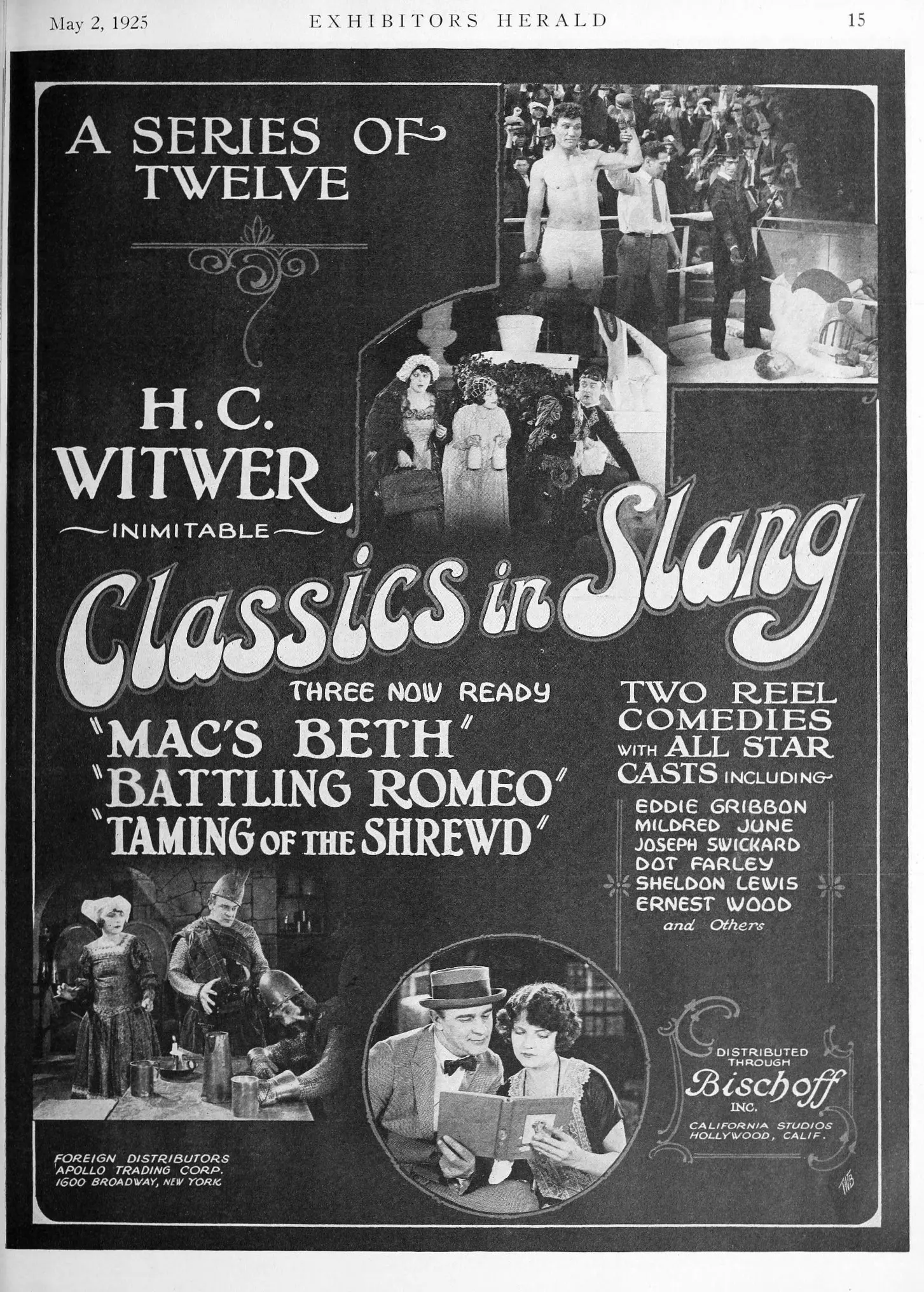
Is 'Battling Romeo' a film that warrants your time in the 21st century? Short answer: yes, but with a significant caveat. This silent-era melodrama, while undeniably a product of its time, offers a fascinating glimpse into early cinematic storytelling, particularly for those with an appreciation for film history and the dramatic stylings of the 1920s.
It's a film for the dedicated cinephile, the student of silent cinema, or anyone curious about the foundational elements of narrative film. Conversely, it is decidedly not for casual viewers accustomed to modern pacing, complex dialogue, or high-fidelity visuals. If you struggle with the inherent theatricality and visual storytelling of silent films, 'Battling Romeo' might test your patience.
This film works because of its earnest performances and its clear, archetypal narrative that resonates even a century later.
This film fails because its pacing can feel glacial by contemporary standards, and some of its dramatic beats are overtly simplistic.
You should watch it if you're a film historian, a silent movie enthusiast, or simply someone seeking to understand the roots of cinematic expression.
In an era before synchronized sound, filmmakers relied entirely on visual storytelling, exaggerated expressions, and the evocative power of intertitles. 'Battling Romeo', a title that immediately conjures images of romantic conflict and perhaps even fisticuffs, delivers on this promise with a narrative that is both straightforward and surprisingly robust for its period. Directed with a clear vision, the film plunges us into a world where class divides are stark, and love is a prize fiercely contested.
The story, penned by H.C. Witwer, isn't groundbreaking in its core premise. We have the earnest, working-class hero, Billy O'Brien (Ernest Wood), whose fists are as quick as his heart is pure. He's hopelessly smitten with Mary Dale (Mildred June), a society belle whose family, embodied perhaps by the stern Josef Swickard, pushes her towards the suave but sinister Reginald Van Tassel (Sheldon Lewis). It’s a classic love triangle, amplified by social commentary on wealth, poverty, and integrity.
What elevates 'Battling Romeo' beyond mere cliché is its commitment to character and the palpable tension it builds. The 'battling' isn't just metaphorical; it manifests in physical confrontations, notably a climactic boxing match that serves as the ultimate test of Billy's worth. This isn't subtle cinema; it’s a sledgehammer of emotion and action, designed to elicit strong reactions from its audience.
The success of any silent film hinges almost entirely on the expressiveness of its cast, and 'Battling Romeo' is fortunate to have a strong ensemble. Ernest Wood, as Billy O'Brien, embodies the quintessential silent film hero: ruggedly handsome, morally upright, and capable of conveying deep emotion with a single, yearning glance. His physicality in the boxing sequences is particularly convincing, lending authenticity to his character's 'battling' spirit.
Mildred June, playing Mary Dale, is the film’s radiant center. Her performance strikes a delicate balance between societal grace and inner turmoil. You feel her struggle between duty and desire, particularly in scenes where she's forced to interact with Van Tassel while her eyes betray a longing for Billy. There's a particular scene, a quiet moment by a window, where June's subtle shift in expression—a fleeting look of despair followed by a resolute set of her jaw—speaks volumes about her character's internal conflict. It’s a masterclass in silent subtlety.
Sheldon Lewis, as the villainous Reginald Van Tassel, revels in his role, portraying a character so deliciously detestable you almost cheer for his downfall. His sneering smiles and manipulative gestures are perfectly calibrated for the silent screen, making him a memorable antagonist. He's not just a foil; he's a genuine threat, and Lewis sells every inch of his oily menace. His performance is, arguably, the most theatrical, yet it never veers into outright caricature, maintaining a certain believable villainy.
The supporting cast, including Josef Swickard as a patriarchal figure (likely Mary's father or a respected elder) and Eddie Gribbon and Dot Farley in roles that provide either comic relief or emotional support, round out the ensemble effectively. Swickard, with his gravitas, provides a necessary anchor, while Gribbon's physical comedy, though brief, offers welcome moments of levity amidst the drama. Dot Farley’s role, perhaps as a confidante to Mary, highlights the social pressures placed upon women of the era.
The direction of 'Battling Romeo' is competent and clear-eyed, even if it doesn't break new ground. The director, whose name isn't explicitly provided in the initial context but whose vision is evident, understands the grammar of silent film. The camera work, while largely static by today's standards, uses thoughtful framing to emphasize character relationships and dramatic tension. Close-ups are deployed judiciously to highlight emotional states, such as a tear rolling down Mary's cheek or the determined glint in Billy's eye before a fight.
The cinematography, while not as artful as some of the more celebrated silent epics, effectively captures the mood of the period. The lighting, often stark and high-contrast, creates a distinct visual texture that underscores the emotional highs and lows. The boxing sequences, in particular, are well-staged, using dynamic angles and quick cuts (for the time) to convey the ferocity of the combat. It’s here that the film truly comes alive, showcasing a raw energy that is still palpable.
Pacing is where 'Battling Romeo' might divide modern audiences. Silent films, by their nature, often have a more deliberate rhythm. The dramatic beats are drawn out, allowing audiences to absorb the visual information and emotional cues. While this can feel slow to those accustomed to rapid-fire editing, it allows for a deeper immersion into the characters' internal worlds. There are moments of genuine suspense, particularly leading up to the final confrontation, that demonstrate an understanding of how to build tension without dialogue.
One unconventional observation: the film’s use of intertitles, while necessary, occasionally feels like a crutch. While some are poetic and insightful, others merely state the obvious, interrupting the visual flow rather than enhancing it. It’s a minor quibble, but it highlights the ongoing evolution of cinematic language even in its nascent stages.
'Battling Romeo' is more than just a romantic melodrama; it's a commentary on the social stratification of its time. The stark contrast between Billy's humble background and Mary's privileged world, and Van Tassel's embodiment of corrupt wealth, paints a clear picture of societal tensions. The film champions the underdog, celebrating the virtue of hard work and genuine affection over inherited status and material gain. This theme, while universal, feels particularly poignant in the context of the early 20th century, a period marked by significant social change and economic disparity.
The boxing ring itself becomes a powerful metaphor for life's struggles. It's a place where social standing is stripped away, and only strength, skill, and sheer will determine the victor. Billy's fight isn't just for Mary; it's a battle for respect, for his community's integrity, and for the notion that true worth transcends monetary value. This is a strong, debatable opinion: the film's social commentary, though presented through a melodramatic lens, is surprisingly potent and remains relevant in its exploration of character versus class.
The portrayal of women, through Mildred June's character, is also worth noting. While Mary is initially presented as somewhat constrained by her family, she ultimately demonstrates agency and a quiet strength, choosing love and authenticity over convenience. This subtly progressive depiction adds another layer to the film's thematic richness.
For those with an interest in the foundational years of cinema, 'Battling Romeo' offers genuine rewards. It's a window into how stories were told, emotions conveyed, and social messages delivered before the advent of sound. While its narrative might feel familiar, its execution is a testament to the ingenuity of early filmmakers. It works. But it’s flawed. It demands patience but repays it with a charming, if predictable, story.
If you're seeking a fast-paced, action-packed thrill ride, this isn't it. If you're looking for a nuanced character study with complex moral dilemmas, you might be disappointed. However, if you're willing to engage with a piece of film history, to appreciate the craft of silent acting and directing, then 'Battling Romeo' is absolutely worth your time.
'Battling Romeo' is a charming, if somewhat conventional, silent film that encapsulates the dramatic sensibilities of its era. It's a foundational piece, a stepping stone in the grand narrative of cinema, and while it may not possess the groundbreaking artistry of a Griffith or a Murnau, it holds its own as a solid, entertaining melodrama. Its strength lies in its earnest performances, particularly from Ernest Wood and Mildred June, who infuse their archetypal roles with genuine emotion. The film's social commentary, though delivered with a heavy hand, resonates with timeless themes of class struggle and the triumph of virtue.
For those willing to adjust their viewing expectations and embrace the unique language of silent film, 'Battling Romeo' offers a rewarding experience. It's a reminder of cinema's humble beginnings, a testament to the power of visual storytelling, and a delightful journey back to a time when a punch and a longing glance were all that was needed to convey a world of meaning. It's not a forgotten masterpiece, but it is a valuable and enjoyable relic.
If you enjoyed the historical context or dramatic tension here, you might also find interest in other films of the era like The Conspiracy or the emotional depth of The Soul of Kura San. While 'Battling Romeo' stands on its own, its place within the larger cinematic tapestry is clear, offering a window into a bygone era of storytelling.
IMDb —
1919
Community
Log in to comment.