DbcultAccessing Vault...
Cult Review
Senior Film Conservator
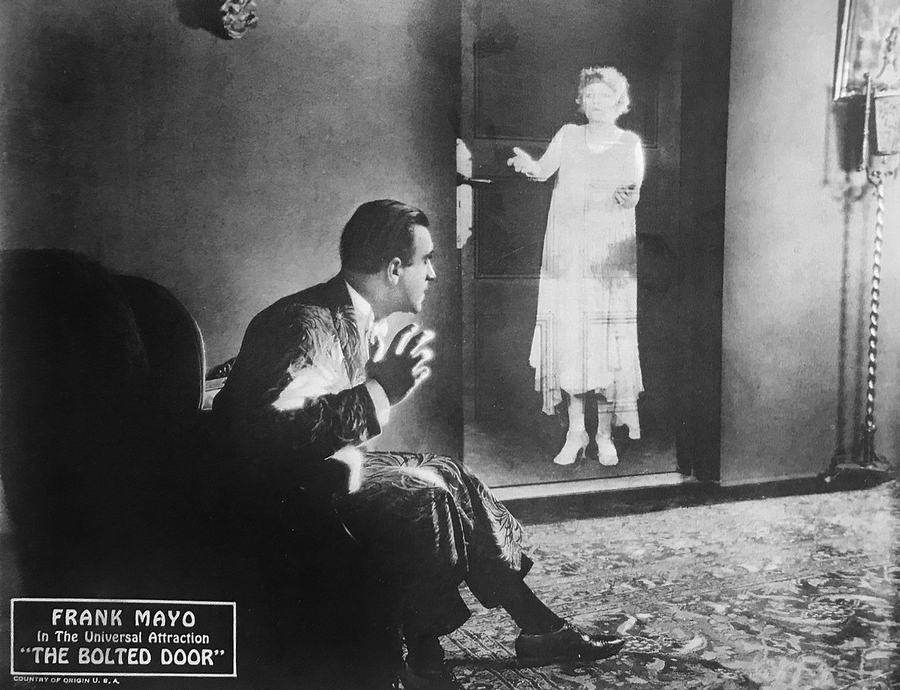
Silent cinema, often dismissed as a relic of a bygone era, frequently holds within its flickering frames profound narratives that resonate with timeless human truths. Among these cinematic treasures, the 1923 drama 'The Bolted Door' emerges as a particularly compelling exploration of love, materialism, and the arduous journey toward self-discovery. Directed by George Randolph Chester and George Gibbs, this film, though perhaps not as widely celebrated as some of its contemporaries, offers a remarkably insightful look into the social mores and personal dilemmas of its period, while delivering a narrative arc that feels surprisingly modern in its psychological depth. It’s a testament to the power of visual storytelling and the nuanced performances of its lead actors, Kathleen Kirkham and Frank Mayo, that such intricate emotional landscapes could be so effectively conveyed without a single spoken word. The film invites us not merely to observe a story unfold, but to actively interpret the unspoken desires, fears, and eventual triumphs etched onto the faces of its characters, making for an immersive and deeply rewarding viewing experience.
At the heart of 'The Bolted Door' lies Natalie Judson, portrayed with a captivating blend of initial hauteur and eventual vulnerability by Kathleen Kirkham. Natalie is a woman ensnared by circumstance, specifically by the stipulations of her uncle's will, which dictate a marriage of convenience as the sole path to inheriting a substantial fortune. This setup immediately positions her within a classic silent
—

Editorial
Deciphering the legacy of transgressive cult cinema.
Community
Log in to comment.