DbcultAccessing Vault...
7/10
Senior Film Conservator
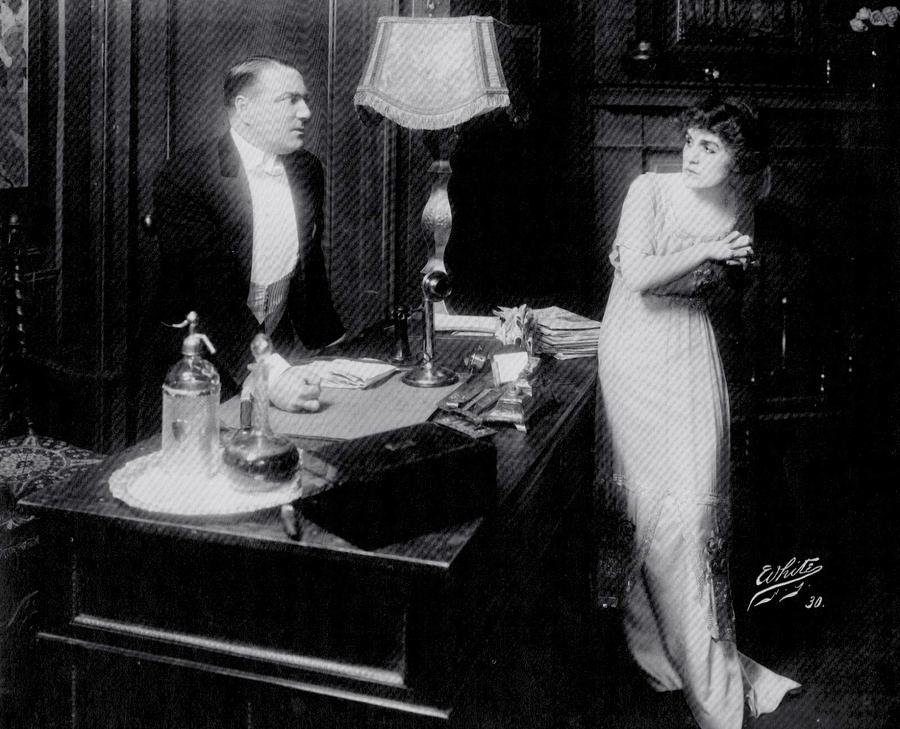
A definitive 7/10 rating for a film that redefined the boundaries of cult cinema. The Boss remains a cornerstone of transgressive art.
The first time you see Michael Regan he is not a tycoon but a silhouette against boiler-room glare, sweat turning prize money into molten promise. Edward Sheldon—Harvard wunderkind turned Broadway firebrand—translates that heat to celluloid with scalding immediacy: every frame of The Boss feels like coal dust ground into the sprockets. Released by World Film in March 1915, the picture arrived weeks after Griffith’s Birth of a Nation was sowing spectacle; yet Sheldon’s parable of cut-rate capitalism and emotional foreclosure still crackles with a cynicism so modern it could be stapled to any present-day SEC filing.
Regan’s thousand-dollar purse—won off a single prizefight round—wouldn’t cover catering on a contemporary set, yet on Sheldon’s waterfront it purchases a saloon whose mahogany is as scarred as the boxers’ ribs and a freight outfit whose barges list like drunk philosophers. The transaction is staged in a single iris-in: coins counted on a barrelhead while a phonograph grinds out Silver Threads Among the Gold. The song is diegetic prophecy; threads will fray, gold will dull, and Regan will insist that value is whatever you can strong-arm another man to accept.
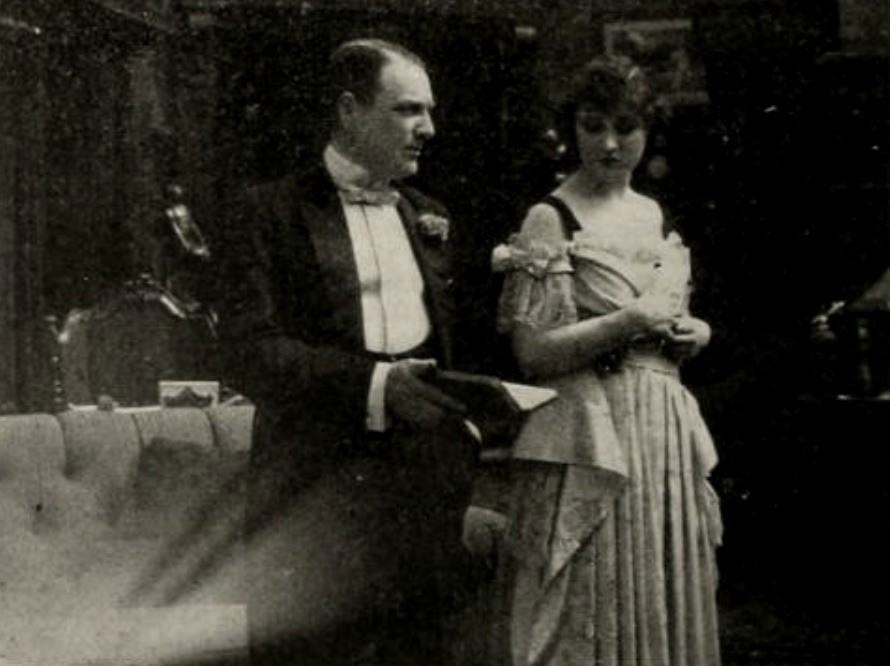
Sheldon’s script, adapted from his own 1911 stage smash, strips away the footlights’ declamatory padding and keeps the marrow: the language of contracts. When Regan persuades stevedores to labor at half union scale, the intertitle flashes white-on-black with the blunt elegance of a ransom note: “A man’s sweat is cheaper than his hunger.” No mustache-twirling villainy—just ledger logic grinding lives to meal.
R.B. Mantell Jr. plays Griswold like a stately schooner beached by a storm of decimal points. His gait slows each reel—by the finale he drags a top-hat that might as well be a crown of thorns. The actor’s theatrical vibrato is perfect for a man whose identity was forged in stock-market quotations now plummeting faster than elevator cages. In the ballroom scene—lit entirely by chandeliers that seem to sweat wax—Griswold toasts Regan as the future, not knowing the word is synonymous with foreclosure.
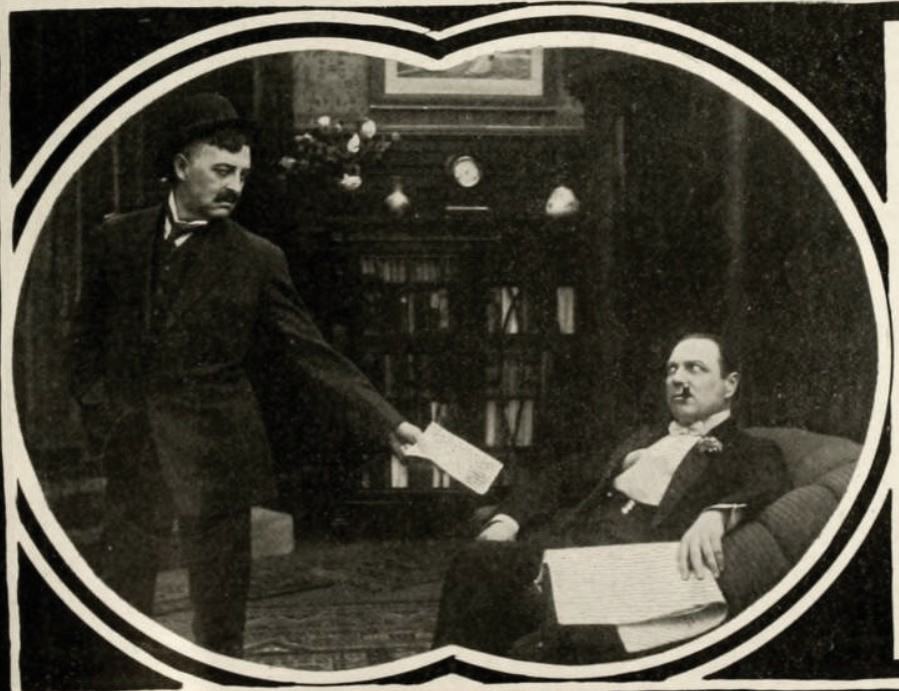
Julia Stuart has the film’s most thankless brief: transform from collateral damage into aching partner without a single spoken word. She accomplishes it with micro-gestures—the way her gloved finger hesitates over Regan’s signed marriage proposal as though testing a frozen pond. Note the bedroom sequence: Regan offers carte-blanche separation; Emily’s reply is to blow out the oil-lamp, letting darkness stand in for consent that neither can yet articulate. Stuart’s eyes—luminous in two-strip Technicolor test frames that survive at MoMA—carry the entire arc from contractual bride to co-conspirator in mercy.
Holbrook Blinn’s McCoy is Falstaff without the poetry, a stevedore Falstaff who mistakes loyalty for strategy. His brick—hurled mid-harangue at young Griswold—lands with such blunt force that contemporary reviewers invoked the Chicago Haymarket echo. The moment is staged in deep focus: strike leader in foreground, grain elevator looming like a gallows, McCoy’s arm a blur. The cut to Regan’s arrest happens so swiftly it feels like a ledger snapping shut on a life.
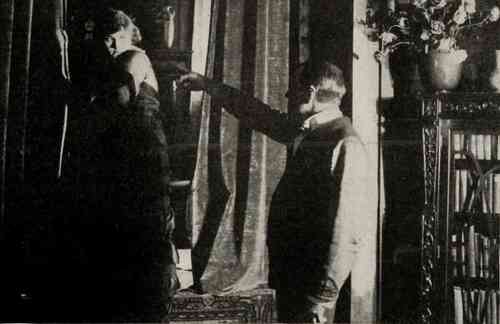
Inside a stone cell whose only décor is a skylight shaped like a balance-sheet cell, Regan signs away everything—wharves, saloon, wife—trusting that legal abracadabra can sever emotion as cleanly as it severs assets. Sheldon stages the signing in profile: Regan’s quill scratches left-to-right, ink bleeding like watered-down blood. Emily’s refusal to accept the deed—she tears it twice, thrice, until confetti litters the office like sleet—becomes the film’s emotional singularity: a woman choosing debt over freedom because love is the one commodity that inflates when everything else crashes.
Director Herbert Blaché (husband to Alice Guy, here credited as supervising producer) shoots the docks with handheld fervor—rare for 1915—letting smokestacks stripe the horizon like exclamation points. Interiors are lit by single carbon arcs that sculpt cheekbones into hatchet blades. Compare the grain-silo exteriors to the pastoral optimism of Fanchon, the Cricket; where that film trusts meadow light to cleanse poverty, The Boss insists that illumination only sharpens the scars.
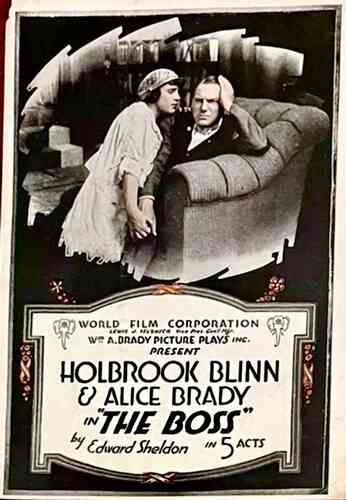
The tinting strategy is forensic: amber for saloon warmth, viridian for the river’s treachery, cobalt for prison nights. When Emily finally confesses love, the reel shifts to rose—an Instagram filter before its time—yet the blush feels earned, not saccharine.
If you stagger away from The Boss craving more boardroom bloodsport, chase it with Burning Daylight, where Jack London’s Yukon speculator meets Wall Street and loses both soul and shirt. Or sail to Hearts of Oak for shipbuilding dynasties whose keels are caulked with inherited guilt. For a European counterpoint, try La Broyeuse de Coeur, where a femme-financier grinds suitors into dividend paste; its Art-Nouveau decadence makes Sheldon’s waterfront look like Puritan scripture.
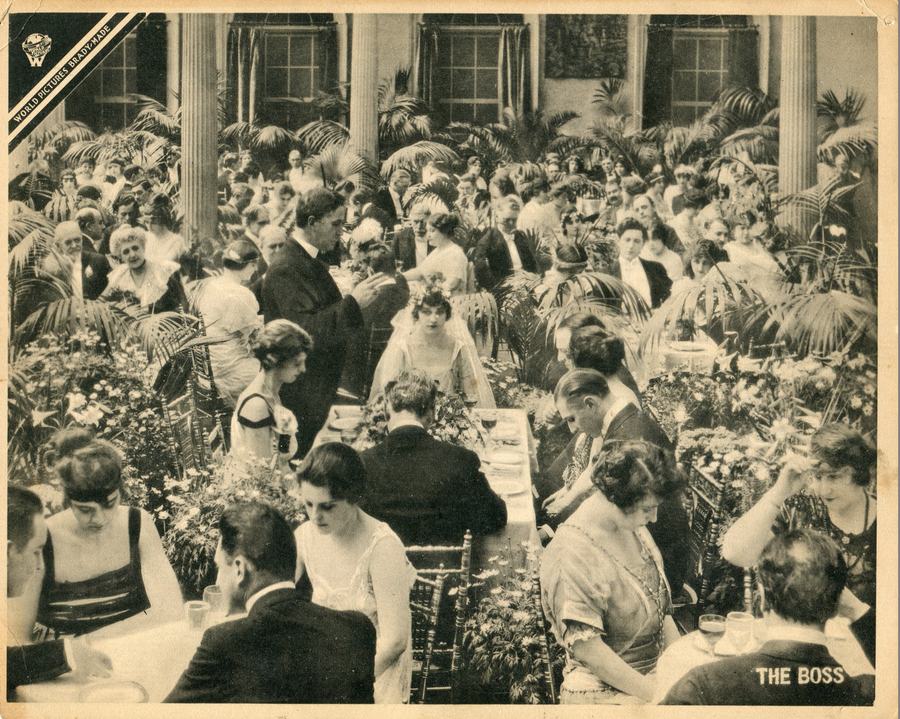
Frederick Truesdell’s Regan channels the young Lon Chaney intensity: lips pressed thin as dime-novel pages, eyes that calculate even while caressing. Note the way he weighs a gold piece before bribing a ward boss—thumb flicking the coin skyward, catching it mid-flip as though time itself were negotiable.
Alice Brady, daughter of Broadway impresario William A. Brady, cameos as a strikebreaker’s wife; her single close-up—a kerchiefed glare that could curdle river water—prefigures the steel-spined matriarchs she’d play in talkies decades later.
Sheldon, socialist by temperament, frames wedlock as the ultimate merger: assets pooled, liabilities hidden, goodwill an intangible that can be written down to zero. When Emily demands “a wife in name only,” the phrase is less sexual caveat than poison-pill defense—she retains voting rights over her own body. The film’s final baptismal scene—god-parenting McCoy’s infant—plays like a joint venture in hope: they pledge not ownership but stewardship, a radical inversion of every transaction that preceded it.
Modern viewers weaned on Billions or Succession will sniff an ancestral odor here: the belief that every emotion has a market price, every market price a corrosive echo in the marrow. Yet The Boss also proposes—quietly, stubbornly—that the ledger can be torn, that a marriage license might yet become a love letter if held to the flame long enough.
Prints survive in the Library of Congress pack-ice: 35mm nitrate, vinegar-sweet, spliced with Dutch subtitles that drift like ghost-ship sails. A 4K restoration funded by an anonymous grain-conglomerate heir—poetic justice, given the plot—premiered at Pordenone 2022, revealing textures never glimpsed even at the 1915 Strand premiere: pores, freckles, the glint of abacus beads in Regan’s eyes as he calculates the cost of forgiveness.
The Boss is not a comforting artifact; it is a rusted key to every subsequent American tale that swore the road to riches runs straight through someone else’s ribcage. Watch it, then walk outside and count the cranes on your skyline—each one a descendant of Regan’s wharf-side gamble. And remember: every time you cheer a stock split, somewhere a river man is offered half the air he needs to breathe.
Stream the restoration while you can; silence this eloquent rarely hangs around forever.
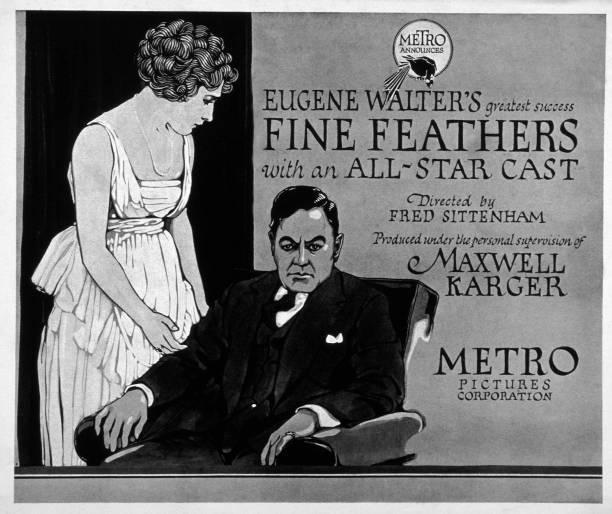
IMDb —
1921
Community
Log in to comment.