DbcultAccessing Vault...
2.5/10
Senior Film Conservator
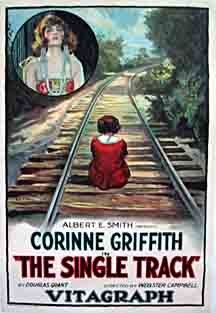
A definitive 2.5/10 rating for a film that redefined the boundaries of cult cinema. The Single Track remains a cornerstone of transgressive art.
In the annals of silent cinema, particularly within the robust and ever-evolving genre of the Western, certain films emerge not merely as historical artifacts but as vibrant testaments to a bygone era's storytelling prowess. One such cinematic gem is "The Single Track," a veritable locomotive of melodrama, adventure, and unyielding human spirit that thunders across the screen with a captivating force. This film, a product of an era fascinated by both the untamed wilderness and the relentless march of industrial progress, masterfully weaves together the personal struggles of its protagonists with the grander narrative of nation-building, specifically the arduous and often perilous construction of a railroad through the rugged mining country.
At its heart, "The Single Track" is a classical damsel-in-distress narrative, yet it transcends mere trope through the sheer vitality of its execution and the compelling performances of its leading players. It’s a stirring picture, a canvas painted with broad strokes of heroism and villainy, where the stakes are perpetually high, and the emotional register is always dialed to eleven. The landscape itself becomes a character, a formidable adversary and a silent witness to the human drama unfolding against its majestic, unforgiving backdrop. The very title, "The Single Track," evokes not just the physical railway line but also the singular, unwavering path of destiny, morality, and true love.
The backdrop of railroad construction and the mining country is not merely decorative; it is fundamental to the film's thematic resonance. The railroad, in this context, symbolizes civilization's relentless push into the wild, a harbinger of order and connection in a land defined by isolation and raw power. The mining country, conversely, represents the primal lure of wealth, a place where fortunes are made and lost, and where human greed often manifests in its most unvarnished form. This tension between progress and avarice, between community and self-interest, provides a rich fertile ground for the dramatic conflicts that drive the narrative forward. The film, in its silent eloquence, portrays the sweat, danger, and sheer ambition involved in laying down tracks where none existed, transforming the wilderness inch by arduous inch. It captures the spirit of an age where such monumental endeavors were seen as both heroic feats of engineering and crucibles for human character.
The narrative's success hinges significantly on its archetypal characters, brought to vivid life by a talented ensemble. Corinne Griffith, embodying the 'spunky and gritty Polly Pureheart heroine,' delivers a performance that elevates her beyond a mere damsel. Her character is a beacon of resilience, possessing an inner strength and resourcefulness that allows her to confront adversity head-on, rather than simply succumbing to it. Griffith, with her expressive features and commanding screen presence, imbues her role with a compelling blend of vulnerability and tenacity, making her trials genuinely affecting. Her portrayal is a testament to the evolving representation of women in early cinema, moving past passive figures to active agents in their own destinies, much like characters seen in films such as The Foundling, where strong female leads often navigate complex social landscapes with remarkable fortitude.

Richard Travers, as the 'brave Handsome Harry hero,' provides the perfect foil and steadfast protector. Travers exudes an effortless charisma and an air of unwavering resolve, making his heroic deeds feel both believable and inspiring. He is the quintessential man of action, capable of navigating treacherous terrain, engaging in thrilling fisticuffs, and always appearing precisely when hope seems lost. His presence anchors the romantic subplot, ensuring that the emotional core of the film feels earned amidst the chaos and peril. The chemistry between Griffith and Travers, though conveyed through the nuanced gestures and intense gazes characteristic of silent film, is palpable, fueling the audience's investment in their ultimate triumph.
No melodrama is complete without a truly memorable antagonist, and Matthew Betz steps into the role of the 'Snidely Whiplash villain' with chilling conviction. Betz’s performance is a masterclass in silent screen villainy, his every sneer, menacing glance, and dastardly deed executed with theatrical flair that never descends into caricature. He embodies pure malevolence, a force of destructive self-interest that stands in stark contrast to the heroes' noble aspirations. His schemes are not merely obstacles; they are manifestations of the dark undercurrents lurking beneath the veneer of frontier expansion. The sheer audacity of his villainy, a hallmark of the era's storytelling, provides much of the film's propulsive energy, ensuring that moments of quiet contemplation are swiftly followed by escalating tension.
The film's plot, crafted by the collaborative talents of Isabelle Ostrander, C. Graham Baker, and Harry Dittmar, is a tightly wound spring of action, romance, adventure, bravery, and perils. The writers meticulously construct a narrative that ensures a constant ebb and flow of excitement, never allowing the audience's attention to wane. From daring escapes to desperate chases, from tender romantic interludes to nail-biting confrontations, "The Single Track" is a relentless locomotive of dramatic events. The perils faced by the characters are not abstract; they are tangibly rendered, whether it's the threat of a runaway train, a perilous cliffside struggle, or the ever-present danger posed by the villain's ruthless gang. This consistent escalation of stakes keeps viewers on the edge of their seats, embodying the very essence of thrilling silent cinema.
The romance, while central, is never saccharine. It is forged in the crucible of shared danger and mutual respect, adding a layer of emotional depth to the high-octane adventure. The bravery displayed by both the hero and heroine is not a mere plot device but a defining characteristic that resonates strongly with the pioneering spirit of the Western genre. They face insurmountable odds with a courage that is both inspiring and deeply human, making their eventual triumphs all the more satisfying. The screenwriters understood the power of these classic narrative elements, blending them into a cohesive and emotionally resonant experience. Their work here demonstrates a sophisticated understanding of pacing and character development within the constraints of silent filmmaking, where every visual cue and intertitle had to count.

While Griffith, Travers, and Betz command the lion's share of the screen, the supporting cast members – Sidney Herbert, Jessie Stevens, Charles Kent, Edward Norton, and Fuller Mellish – contribute significantly to the film's rich tapestry. Each actor, in their respective roles, helps to build a credible world around the central conflict, adding texture and depth to the frontier community. Their reactions, their loyalties, and their own small moments of heroism or fear amplify the central drama, making the stakes feel more communal and expansive. Charles Kent, a seasoned veteran of the screen, likely brings a gravitas to his role, grounding the more melodramatic elements with a sense of lived experience.
The visual storytelling, paramount in silent films, is remarkably effective in "The Single Track." The cinematography, though perhaps uncredited in the typical modern sense, clearly plays a crucial role in conveying the grandeur of the Western landscape and the urgency of the action sequences. The use of location shooting, combined with carefully orchestrated set pieces involving trains and mining operations, lends an authenticity and spectacle that would have captivated audiences of the time. The blocking of scenes, the framing of shots, and the editing rhythm all work in concert to build suspense and convey emotion without the aid of dialogue, a true art form in itself. This visual flair is reminiscent of other adventurous silent films of the era, such as The Primal Lure, which similarly relied on stunning outdoor photography and dynamic action to tell its story.
"The Single Track" stands as a powerful example of how silent cinema could blend thrilling entertainment with significant thematic explorations. It’s a film that speaks to the spirit of an age, an era of rapid expansion and profound social change, reflected through the microcosm of a frontier town and its struggle against both natural forces and human malevolence. The conflict between civilization and the wild, the courage required to build a new world, and the eternal battle between good and evil are all explored with a vividness that transcends the lack of spoken dialogue.
The film's enduring appeal lies not just in its exciting plot or its charismatic performances, but in its ability to tap into universal narratives of human endeavor and resilience. It reminds us of the foundational myths of the American West, reimagining them with a blend of melodrama and earnest adventure. For contemporary viewers, it offers a fascinating window into the cinematic techniques and narrative conventions that defined an earlier epoch of filmmaking, showcasing the ingenuity required to tell complex stories through purely visual means. The legacy of films like "The Single Track" is crucial for understanding the evolution of genre cinema, particularly the Western, and its capacity to adapt and thrill across generations.
In conclusion, "The Single Track" is far more than a simple silent Western; it is a meticulously crafted piece of cinematic artistry that delivers on all fronts: action, romance, adventure, and compelling character arcs. It is a testament to the power of classic storytelling, brought to life by dedicated performers and imaginative writers. Its depiction of the railroad's transformative power, the harsh realities of the mining frontier, and the timeless struggle between heroism and villainy ensures its place as a noteworthy entry in the rich tapestry of silent film history. For those seeking to experience the raw power and evocative beauty of early cinema, "The Single Track" offers a journey well worth taking, a ride along a path where every turn brings new excitement and every challenge is met with an unyielding spirit.
IMDb —
1934
Community
Log in to comment.