DbcultAccessing Vault...
7.2/10
Senior Film Conservator
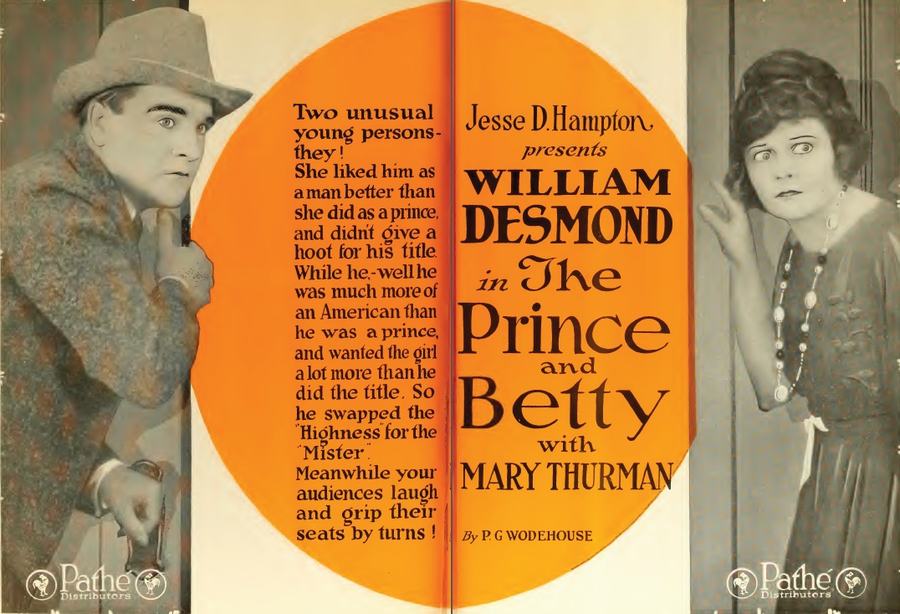
A definitive 7.2/10 rating for a film that redefined the boundaries of cult cinema. The Prince and Betty remains a cornerstone of transgressive art.
In the annals of silent cinema, certain films emerge not just as quaint relics of a bygone era, but as vibrant tapestries woven with timeless themes and engaging narratives. Fred Myton's 1918 romantic comedy, The Prince and Betty, stands as a fascinating example, a delightful confection of mistaken identity, nascent capitalism, and burgeoning romance, all set against the picturesque backdrop of a fictional European principality. Penned by the inimitable P.G. Wodehouse, whose distinctive wit permeates the narrative even without spoken dialogue, the film offers a curious blend of aristocratic farce and earnest sentimentality, a testament to the era's capacity for lighthearted escapism. Released amidst the tumultuous backdrop of the Great War's final year, such cinematic diversions provided a much-needed respite, transporting audiences to a world where grand deceptions were ultimately undone by the simple power of love and personal conviction.
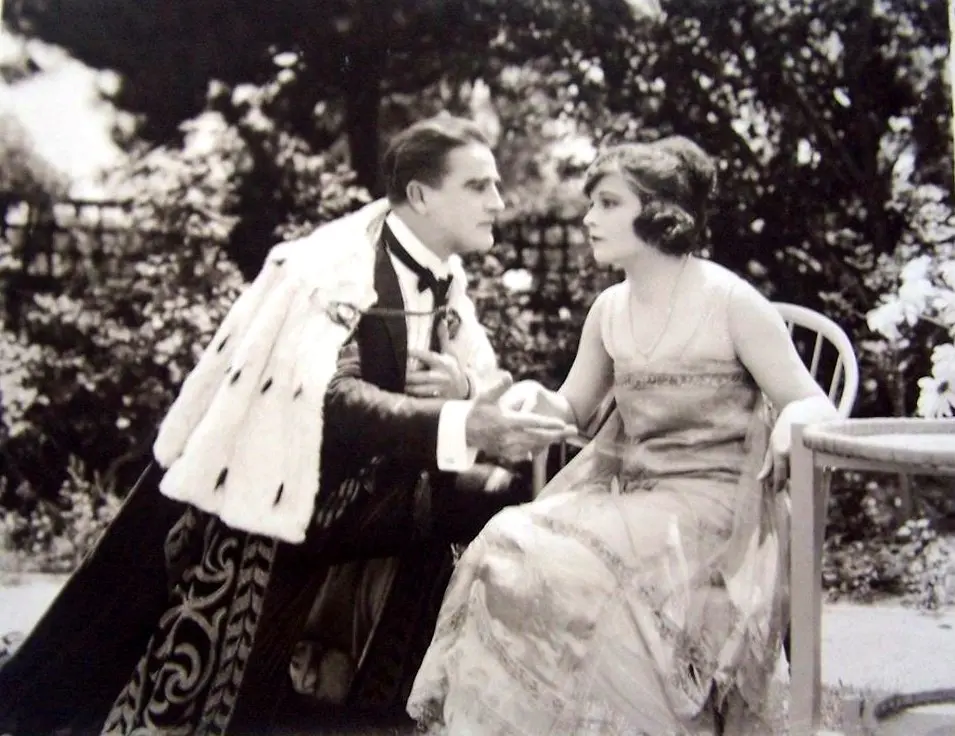
At its core, The Prince and Betty is a whimsical exploration of ambition, love, and the often-absurd lengths to which individuals will go for both. We are introduced to John Maude, portrayed with an endearing blend of sincerity and naïveté by William Desmond, an American gentleman of limited means but boundless affection for the enchanting Betty Keith (Mary Thurman). His pursuit of Betty, a society girl seemingly out of his financial league, necessitates gainful employment – a quest that unexpectedly catapults him into a world of fabricated royalty. This initial premise immediately sets up a classic comedic conflict: the earnest commoner striving to win the hand of a woman beyond his station, a trope that resonated deeply with audiences then, as it does now.
The catalyst for this transformation is Benjamin Scobell, embodied by Wilton Taylor, a shrewd entrepreneur with grand designs for the tiny island nation of Mervo. Scobell envisions Mervo as a direct competitor to the illustrious Monte Carlo, a glittering beacon for high rollers and socialites. To achieve this, he concocts an audacious scheme: to present a "lost prince" of Mervo, a charming figurehead to draw in the crowds and lend an air of legitimacy to his burgeoning casino. John, by a stroke of serendipity (or perhaps, calculated design, depending on one's reading of Scobell's cunning), fits the bill. He accepts the offer, not fully grasping the extent of the masquerade, but certainly aware of the financial relief it promises and the opportunity it affords to elevate his social standing, thus bridging the gap to Betty.
The narrative then takes a delicious turn into classic Wodehouse territory when Scobell reveals another layer to his plan: John, as the newly discovered prince, must marry his stepdaughter. In a twist that, while perhaps predictable to modern audiences familiar with romantic comedy conventions, would have delighted contemporary viewers, this intended bride is none other than Betty Keith herself. The irony is palpable; John has inadvertently secured his beloved, but under a shroud of deception and commercial opportunism. This moment deftly raises questions about the ethics of love born from manipulation, a theme that provides a subtle undercurrent to the otherwise lighthearted proceedings.
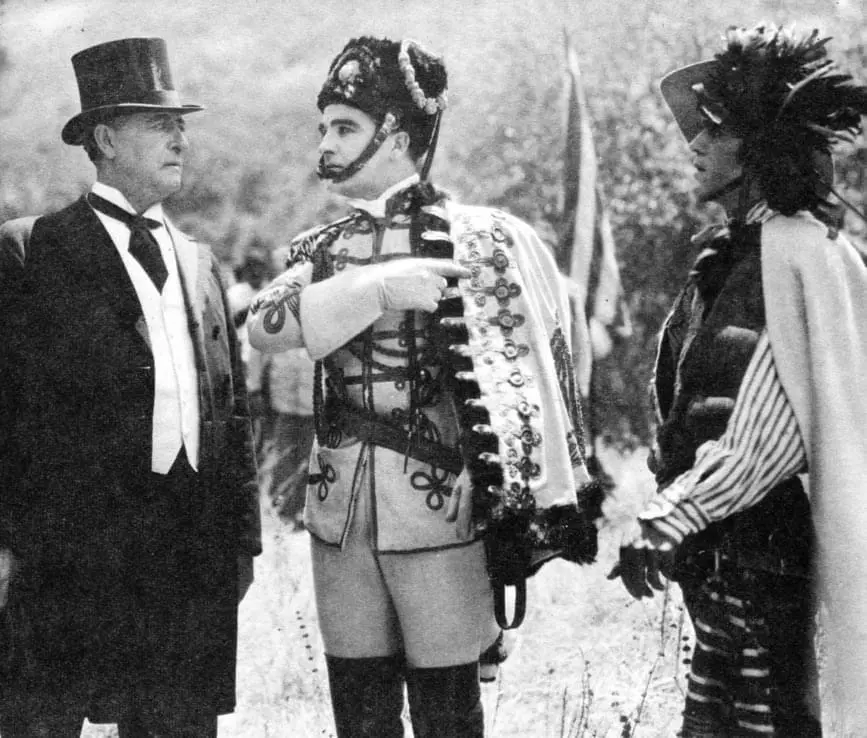
The dramatic tension escalates when Betty, discovering the true nature of John's princely charade and its mercenary purpose, confronts him with a stinging accusation of being a mere shill for a gambling house. This pivotal moment serves as John's moral awakening. His profound love for Betty, combined with a newfound disdain for the superficiality and exploitation inherent in Scobell's enterprise, compels him to abandon his princely role. In a sudden, almost quixotic move, he attempts to instigate a revolution, aiming to transform Mervo into a republic. The islanders, however, prove surprisingly resistant to his democratic fervor, seemingly content with their established order. This humorous resistance underscores the film's gentle satire on political idealism and the sometimes-unwanted imposition of foreign ideologies, a sentiment perhaps subtly reflective of post-WWI global politics.
The revolution fizzles out, not with a bang, but with the pragmatic return of Mervo's actual President, who, far from being offended by the casino, immediately reopens it, recognizing its shrewd economic potential. Amidst this comedic chaos and political disillusionment, John and Betty find solace in each other, ultimately fleeing Mervo for the familiar shores of America, their love having transcended the elaborate charade and failed political idealism. It's a conclusion that prioritizes personal happiness and authentic connection over grand, but ultimately unachievable, societal change, a common resolution in romantic comedies that value individual agency above all else.
Fred Myton's direction, while perhaps not groundbreaking for its era in terms of avant-garde techniques, effectively translates Wodehouse's comedic sensibility to the screen with clarity and verve. The visual gags are clear, the character motivations transparent through exaggerated gestures and expressions – hallmarks of silent film acting. Myton demonstrates a keen understanding of pacing, allowing moments of romantic tenderness to breathe alongside the broader comedic beats. The use of intertitles is judicious, providing necessary exposition and dialogue without bogging down the visual flow, allowing the actors' physicality to carry much of the narrative weight. The cinematography, while constrained by the technology of the time, manages to convey the exoticism of Mervo and the elegance of high society, utilizing well-composed shots to establish setting and mood, effectively drawing the audience into this fantastical world.
William Desmond, as John Maude, carries the film with an amiable charm that makes his character instantly likable. His transformation from a lovestruck commoner to a reluctant prince, and then to a revolutionary idealist, is conveyed primarily through his expressive face and body language. His wide-eyed earnestness in the face of absurdity is particularly effective, making John a sympathetic figure even when engaged in deception, ultimately rooting for his moral redemption and romantic success. Mary Thurman's Betty Keith is equally compelling. She embodies the "society girl" archetype with grace and poise, but also injects her character with a strong sense of moral rectitude and intelligence, making her far more than just a passive love interest. Her disdain for the casino and John's role in it feels genuine and powerfully conveyed through her expressions, providing the necessary impetus for John's pivotal decision to abandon his charade.
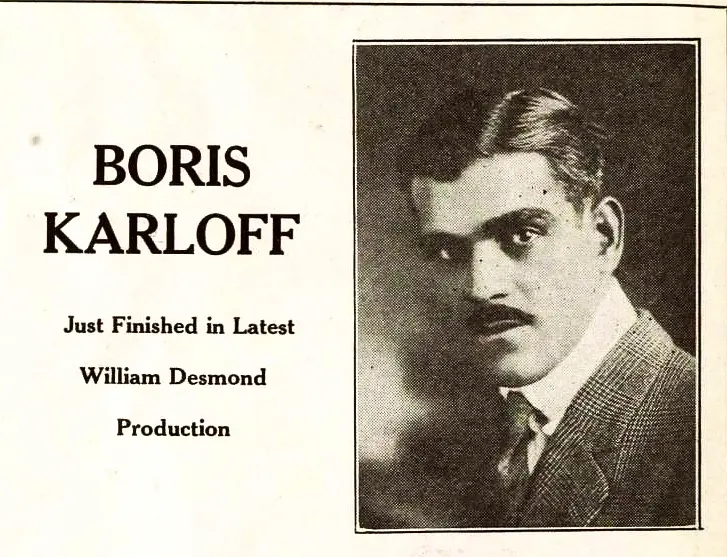
Wilton Taylor's Benjamin Scobell is a delightfully unscrupulous villain-of-sorts, a man driven by profit and unafraid to manipulate appearances. His performance provides a robust foil to John's burgeoning idealism, highlighting the clash between rampant commercialism and genuine human values. It's also worth noting the early, almost blink-and-you'll-miss-it appearance of Boris Karloff in an uncredited role. While his future as a horror icon was still a decade away, such early appearances are always a treat for film historians, offering a glimpse into the humble beginnings of legendary careers and the vast ecosystem of silent film production.
The film's strongest asset might well be its literary lineage. P.G. Wodehouse, a master of comedic prose and intricate plotting, imbues the screenplay with his signature blend of gentle satire and witty reversals. Even in a silent medium, the spirit of his writing shines through with remarkable clarity. The inherent absurdity of a fake prince, the grand ambitions of a casino designed to rival Monte Carlo, and the swift unraveling of a well-intentioned but ill-conceived revolution are all hallmarks of Wodehouse's unique brand of humor. His stories often feature earnest young men navigating bewildering social situations and romantic predicaments, and John Maude fits this mold perfectly, embodying the quintessential Wodehouse protagonist who finds himself in over his head yet stumbles through with a certain charm.
While the specific nuances of Wodehouse's famously sophisticated dialogue are, of course, lost in the silent format, the core comedic situations and character dynamics are remarkably well-preserved. The film captures the essence of his world: one where good intentions often lead to comical chaos, and where love ultimately triumphs over social conventions and financial machinations. This adaptation demonstrates the impressive adaptability of Wodehouse's storytelling, proving that his comedic genius could transcend the printed page and resonate effectively in the visual language of silent film, a testament to the universal appeal of his narrative constructions.
Beyond the surface-level entertainment, The Prince and Betty subtly explores several compelling themes that elevate it beyond mere farce. The most prominent is that of identity. John Maude grapples with his imposed royal persona, a façade that initially serves his romantic aspirations but ultimately clashes with his inherent moral compass. His journey is one of self-discovery, peeling back the layers of deception to reveal his true values, a common yet powerful arc in storytelling. This resonates with other films of the era that explored similar ideas of mistaken identity or assumed roles, often for comedic effect, but sometimes with deeper psychological implications about self-worth and societal perception.
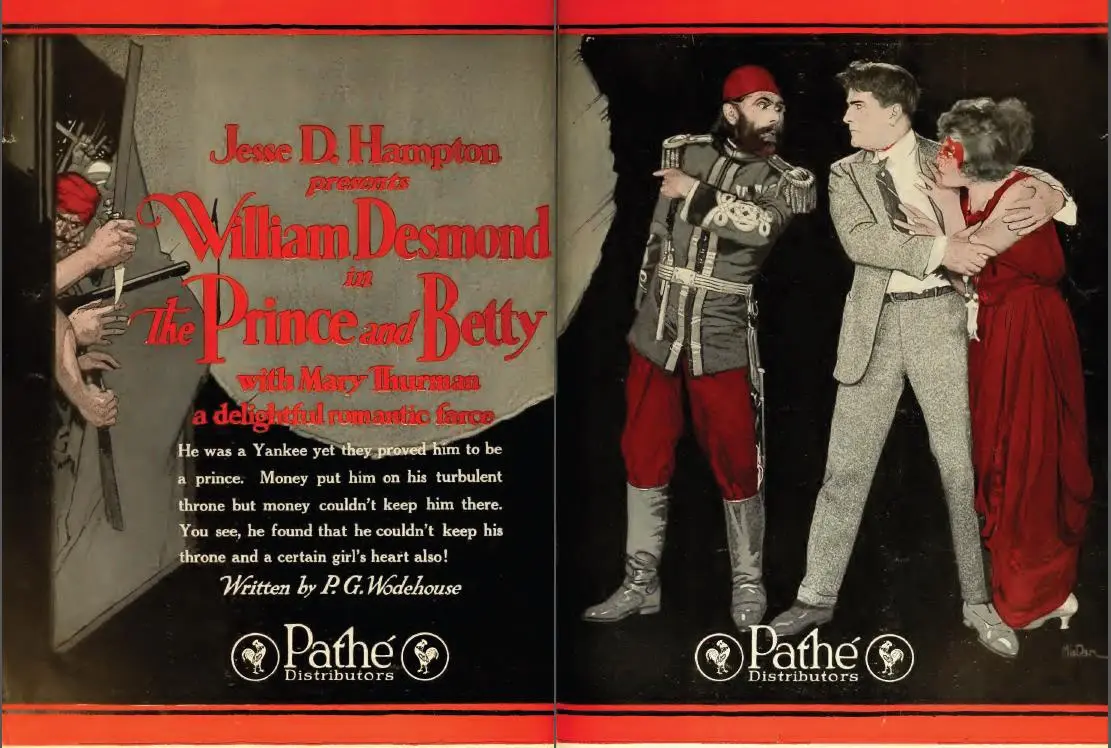
The theme of deception is, of course, central to the entire plot. Scobell's entire enterprise is built on it, and John becomes an unwitting, then increasingly unwilling, participant. The film playfully exposes the ease with which appearances can be manipulated, particularly in a world eager for spectacle and novelty. This lighthearted critique of societal gullibility and the commercialization of fantasy remains remarkably relevant even today, echoing modern concerns about manufactured realities and influencer culture.
Furthermore, the film touches upon the complex concept of freedom. John's attempt to establish a republic, however misguided in its execution or naive in its understanding of Mervonian desires, speaks to a desire for self-determination and a rejection of arbitrary power structures. While the Mervonians' resistance to this imposed freedom is played for laughs, it subtly highlights the complex and often humorous relationship between a populace and its perceived rulers, and the folly of assuming one knows what is best for others. Ultimately, John and Betty find their truest freedom not in political revolution, but in their personal choice to escape the confines of Mervo's fabricated reality and forge their own authentic path together. This echoes sentiments found in other romantic narratives of the period, where individual agency and love often supersede larger societal or political ambitions, prioritizing the personal over the public.
Placing The Prince and Betty within its cinematic context reveals both its unique charm and commonalities with its contemporaries. The film's lighthearted approach to class distinctions and romantic entanglements can be seen in conversation with other silent comedies and dramas of the era. For instance, the intricate social maneuvering and the allure of wealth, albeit with a darker edge, resonate somewhat with films like The Food Gamblers, which tackled the more serious implications of financial manipulation and market exploitation. While The Prince and Betty remains firmly in the realm of romantic farce, the underlying theme of exploiting public desire for profit links it to broader societal critiques prevalent in early 20th-century cinema.
The romantic deception at the heart of the story also finds parallels in other films focusing on mistaken identity or assumed roles, such as The Delicious Little Devil or The Woman Next Door, where characters often navigate complex personal relationships under false pretenses. However, Myton's film distinguishes itself by grounding the deception in a larger, almost geopolitical, scheme rather than purely personal intrigue, giving it a slightly grander, more adventurous scope.
The "lost prince" trope, while here used for comedic and commercial purposes, harks back to more traditional fairy tale narratives, aligning it loosely with fantastical works like Das verwunschene Schloß or even the enduring magic of Sleeping Beauty, albeit stripped of their supernatural elements and reframed for a modern, satirical sensibility. The film essentially takes a classic narrative device and subverts it for a contemporary comedic purpose, highlighting the evolving nature of storytelling in early cinema and the growing trend towards self-aware parody.
In terms of its overall tone and pacing, one might draw comparisons to other adventure-comedies of the period, like Liberty, which often blended thrilling escapades with humorous situations. While The Prince and Betty is less overtly action-packed, its quick narrative shifts and the protagonist's impulsive decisions share a similar spirit of dynamic storytelling. Even in more dramatic silent films such as The Colleen Bawn, the emphasis on strong visual storytelling and emotive performances remains a constant, demonstrating the shared language of the era. The meticulous attention to visual detail and expressive acting was paramount across genres.
The film’s portrayal of a fictional European locale and its social dynamics also calls to mind films such as Die Hochzeit im Excentricclub, which similarly explored exotic settings and the foibles of high society, albeit through a German lens. The fascination with European aristocracy and its interplay with American pragmatism was a common trope in early 20th-century entertainment, and The Prince and Betty capitalizes on this cultural curiosity with an American protagonist navigating a distinctly European deception, ultimately affirming American ideals of individualism and self-reliance.
Ultimately, The Prince and Betty stands as a charming, if not revolutionary, example of silent cinema's ability to entertain. It reflects the cultural anxieties and aspirations of its time – the allure of wealth, the pursuit of love, and the questioning of established orders – all wrapped in a package of delightful comedic escapism. Its lasting appeal lies in its enduring human story, where authenticity ultimately triumphs over artifice, and personal connection over grand, but hollow, schemes. It's a testament to the fact that even without spoken dialogue, a well-crafted narrative can communicate profound truths and evoke genuine emotion.
Despite its considerable age, The Prince and Betty retains a certain effervescent charm that transcends the decades. It’s a film that doesn't demand deep intellectual dissection but rather invites viewers to simply enjoy its clever premise and the amiable performances of its cast. For enthusiasts of P.G. Wodehouse, it offers a fascinating glimpse into how his narratives translated to the nascent world of cinema, highlighting the universality of his particular brand of humor. For silent film aficionados, it provides a solid example of a well-crafted romantic comedy, showcasing the expressive power of actors like William Desmond and Mary Thurman, whose ability to convey complex emotions without uttering a single word is truly remarkable.
The film's exploration of artificiality versus authenticity, particularly in the context of social status and personal relationships, resonates even with contemporary audiences. The idea of constructing an identity for external gain, only to have it challenged by genuine affection and moral awakening, is a narrative arc that continues to find expression in modern storytelling across various media. While it may not possess the dramatic gravitas of a Through Dante's Flames or the sweeping historical scope of The Hidden Children, its modest ambitions are perfectly met, delivering a satisfying and heartwarming tale that proves compelling narratives don't always require epic scale.
In an era when cinema was still finding its voice and defining its grammar, The Prince and Betty confidently articulates a story with humor, heart, and a keen understanding of human foibles. It serves as a reminder that even in the absence of spoken dialogue, a compelling narrative, well-drawn characters, and a touch of genuine emotion can create an indelible cinematic experience. It's a delightful historical artifact that offers more than just a peek into the past; it provides a genuinely enjoyable viewing experience that stands the test of time, proving that laughter and love are indeed universal languages that transcend technological limitations and cultural shifts. It invites us to appreciate the foundational artistry of early filmmaking and the enduring power of a good story well told.
IMDb —
1924
Community
Log in to comment.