DbcultAccessing Vault...
Cult Review
Senior Film Conservator
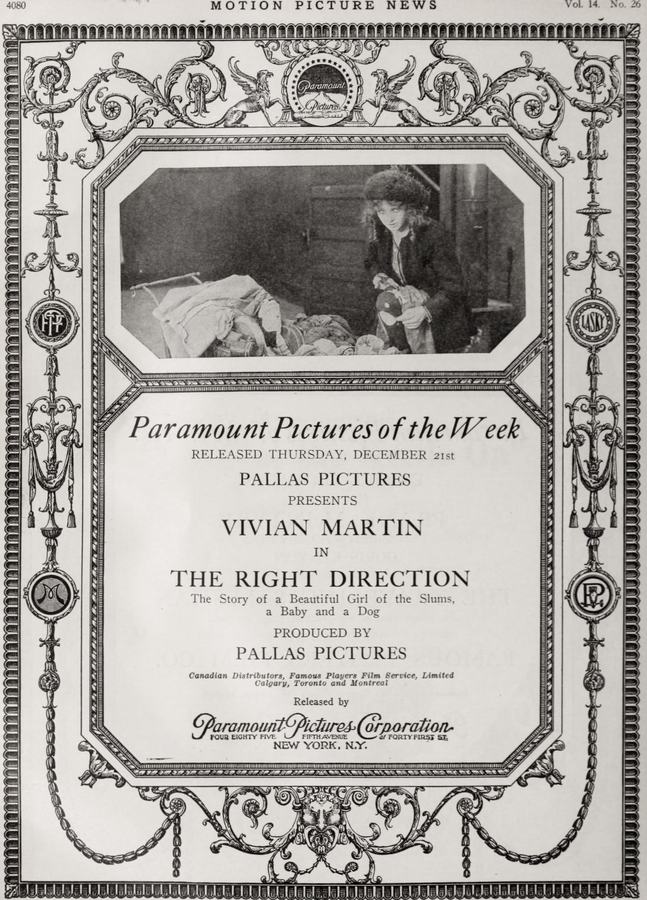
Picture the opening shot—gas-lamps smudged like nicotine fingerprints while a child’s racking cough becomes metronome for every cut. Director Julia Crawford Ivers, never one to coddle the lens, lets the camera linger on grime until it achieves the texture of a charcoal mural. The decision to flee is rendered not with intertitles swelling like opera libretti but through a simple dolly-in on Polly’s scraped boots: a mute manifesto that travel is the only medicine money can’t patent.
Once the landscape pivots to sun-blanched highways, the film’s grammar mutates. Dust motes become prismatic, and the flicker of silent frames feels like heat mirage. The hitchhiking sequence—radical for 1916—plays like a secular Stations of the Cross: each ride refused is a bead on the rosary of class contempt. Enter Kirk Drummond, his convertible a portable Edwardian salon. Vivian Martin plays Polly with pupils perpetually dilated between suspicion and wonder; she never lets gratitude ossify into romance, a restraint that keeps the film’s bloodstream oxygenated.
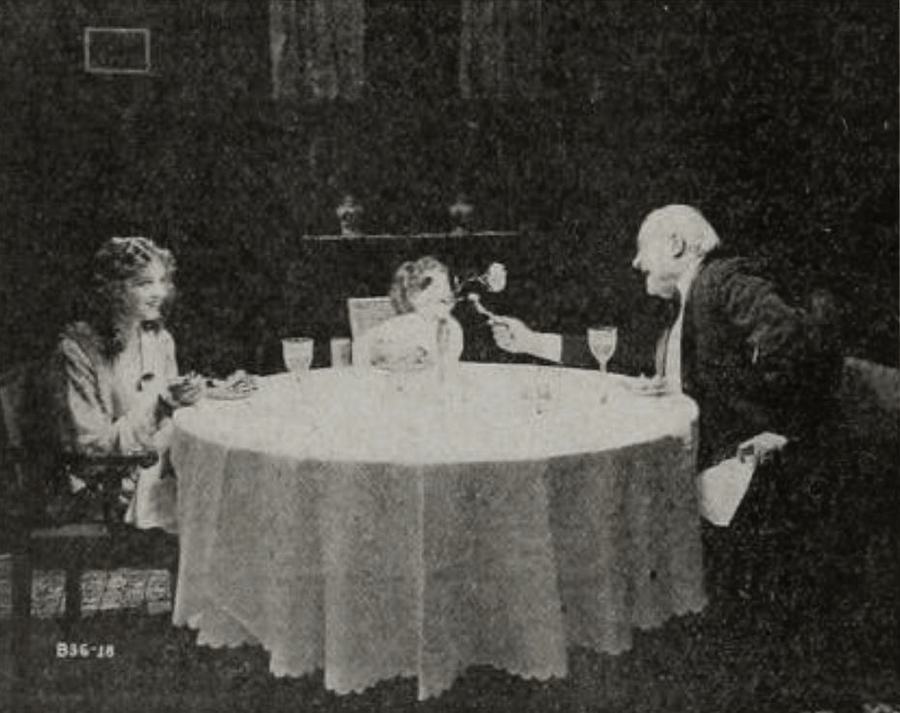
Baby Jack White’s Billy is less moppet than memento mori—every wheeze a reminder that lungs are republican organs, equally unimpressed by silk or burlap. William Jefferson’s Kirk oscillates between collegiate swagger and the metallic taste of inherited guilt; watch how his shoulders retreat each time his father’s gaze skewers him. Herbert Standing, as John Sr., could have sauntered from a Frans Hals canvas: ruff collar substituted by starched wingtips, but the same bulbous arrogance. He modulates villainy with bureaucratic patience, the sort that signs eviction orders in sepia ink before breakfast.
Cinematographer Alfred Hollingsworth deploys honeyed chiaroscuro once the caravan reaches California. Orange groves glow as though each fruit hoards a filament; against this Eden, the minehead stands like a graphite gash. Notice the lantern sequence underground: workers’ faces painted with tungsten halos while the owners remain in silhouette. Silent cinema seldom flirts so brazenly with moral photonics—every flicker of lamp-flame is an ideological referendum.
Modern viewers might smirk at the deus-ex-machina of a cave-in, yet Ivers weaponizes it as class critique. The catastrophe doesn’t level hierarchies; it merely exposes their scaffolding. Polly’s eventual descent into the shaft—petticoats hitched, calves smeared with bitumen—plays like a baptism into citizenship. Compare this to The Woman Next Door where spatial proximity never threatens patriarchal masonry; here, the abyss itself becomes a parliamentary chamber.
“The earth remembered what the ledger forgot.”
Such intertitles, sparse yet scalpel-sharp, save the film from Victorian logorrhea. They function like haikus etched on pick-axes—tools, not ornaments.
Original exhibitors recommended a pastoral suite for the exteriors and a Wagnerian crescendo during the disaster. Contemporary restorations (see the 2022 Bologna print) favor a minimalist ensemble: prepared piano, brushed snare, and a single cello that groans like a support beam. The absence of bombast allows the audience to supply their own tinnitus of anxiety; suddenly the lack of dialogue feels less like technological infancy and more like Brechtian refusal.
The flirtation with eugenics—doctor’s suggestion that ‘climate cures character’—lands queasily on 21st-century ears. Yet the film’s insistence that environmental justice and labor rights are inseparable lovers remains radical. Replace gold mine with cobalt iPhone pits and you have a Frontline documentary.
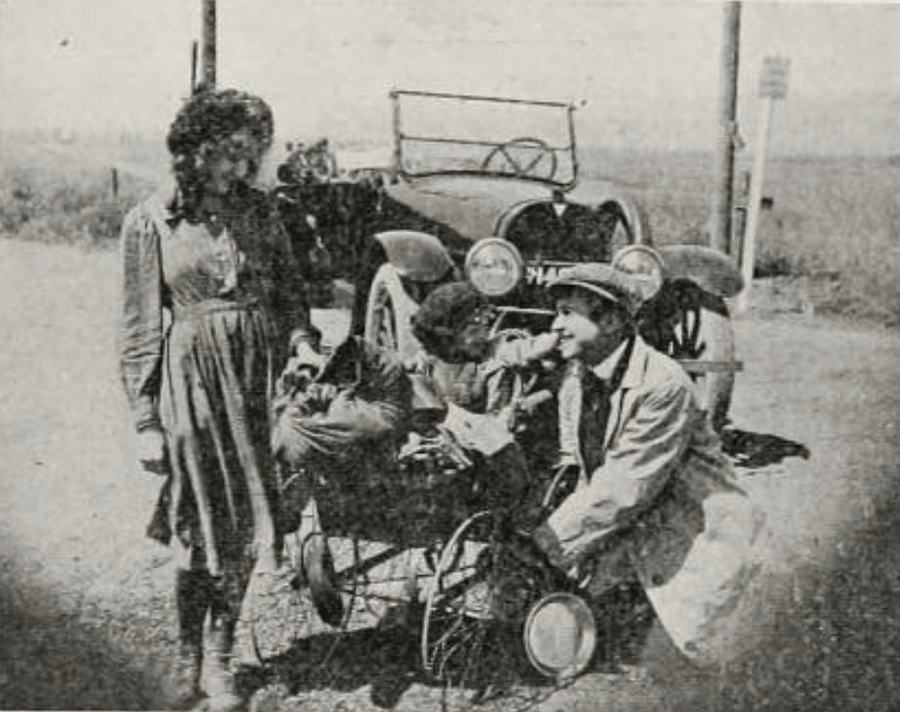
John Sr.’s panic isn’t simply that Polly is ‘beneath’ his son; it’s that her resilience reframes his entire masculine portfolio—from prospector to predator. In one searing close-up, his cigar trembles like a seismograph registering tectonic shift. The camera cuts to Polly’s unblinking stare: she already owns the future, he merely leases the past.
Most prints conclude with silhouettes against a sunrise—rescuers hoist survivors while Polly clutches Billy, Kirk limping beside them. Yet rumors persist of an alternative reel: Polly walks away from both Drummonds toward an off-screen railroad, refusing to let gratitude ossify into serfdom. Whichever version you accept, the film refuses triumphalist fanfare. Salvation is tentative, like trying to bottle fog.
For decades only a 9.5 mm Pathé compilation circulated among private collectors. The 2018 Netherlands Film Institute restoration—4K from the original nitrate negative—reveals texture hitherto smothered: you can now count calluses on Polly’s palms. Streaming platforms still peddle muddy rips; cinephiles should petition their local archive for 35 mm rental. If you’re stateside, the Library of Congress holds a lavender protection print; booking requires academic credentials but the ghostly shimmer is worth the paperwork purgatory.
Because every contemporary headline—about gig-economy penury, inherited wealth, or ecological sabotage—echoes in this hundred-year-old dream. Because Vivian Martin’s eyes contain multitudes, and silent cinema is not a cemetery but a séance. Because sometimes the right direction is backward—into archives—so we can march forward with better maps.
If this review sent you spiraling into silent-era rabbit holes, dip next into The Huntress of Men or the Italian fatalism of La cattiva stella. Just remember: every frame is a time capsule, every screening an act of resurrection.
IMDb —
1922
Community
Log in to comment.