DbcultAccessing Vault...
6.5/10
Senior Film Conservator
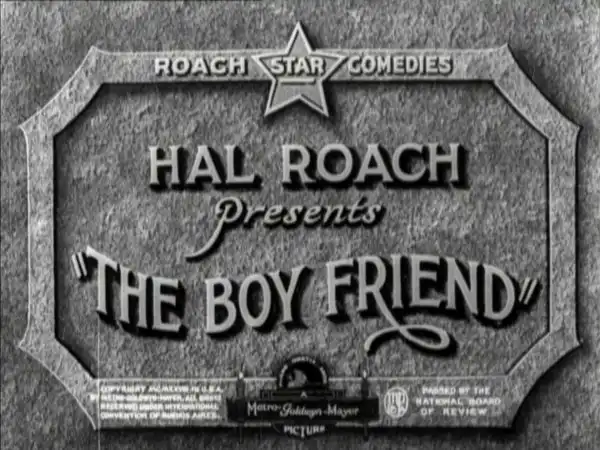
A definitive 6.5/10 rating for a film that redefined the boundaries of cult cinema. The Boy Friend remains a cornerstone of transgressive art.
Alright, let's talk about The Boy Friend from 1928. Is it worth tracking down today? Probably not for everyone, but if you’re into silent era shorts, especially those with a touch of Leo McCarey’s early comedic rhythm, then yes, absolutely. It’s a quick, charming little thing, maybe 20 minutes if you’re lucky. Anyone expecting modern fast-paced laughs will likely find it too slow, but if you appreciate the specific kind of visual gag and character work from this period, you’ll probably have a good time.
The premise is simple: a dad, Max (Max Davidson, doing his usual exasperated father routine), gives his daughter money for shoes. She goes to the cobbler, and through a series of increasingly absurd events involving a hole in a stocking and some rather revealing undergarments, she meets a fellow. This fellow becomes, you guessed it, her 'boy friend.' Max and his wife (Fay Holderness) are, understandably, not thrilled and spend the rest of the film trying to get rid of him.
What really works here is the physical comedy, often delivered with a straight face. There's a moment where Max's daughter, played by Marion Byron, is showing off her new shoes, and the camera just *lingers* on the torn stocking where the new beau first noticed her. It’s such a tiny, specific detail that sparks the whole plot, and it’s handled with this almost innocent charm that you don't always see. The whole setup at the shoe store, with the cobbler being utterly oblivious to the romantic sparks flying, is quite fun.
Edgar Kennedy shows up as the boyfriend, and he’s doing a slightly more subdued version of his usual blustery character, which actually suits the role. He’s got this sort of quiet, goofy confidence that plays well against Max Davidson’s escalating panic. Their chemistry isn't exactly sizzling, but it’s got a pleasant, low-key antagonism that drives the gags.
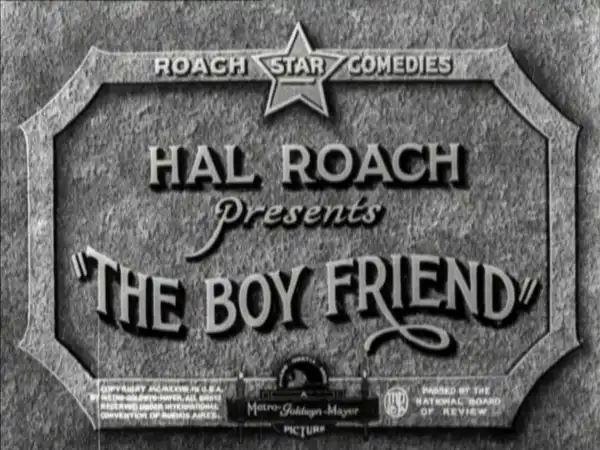
There's a scene later where Max is trying to physically remove the boyfriend from the house, and it devolves into this genuinely silly, almost slapstick ballet around the furniture. It's not a laugh-out-loud moment, but it’s got this gentle, persistent humor. You can feel the McCarey touch in how the chaos builds slowly, without ever becoming truly aggressive. It’s more about the awkwardness of the situation than any grand physical stunts.
The pacing, for a silent short, feels a little uneven in spots. There are stretches where the reaction shots go on for just a beat too long, and you start to feel the film trying to stretch its gags. A couple of the attempts by the parents to sabotage the relationship – like the one involving a particularly awful meal – feel a bit tired, even for 1928. It's not bad, just not as inventive as some of the earlier setups.
But then you get a moment, like the boyfriend just… sitting there, completely unfazed by Max’s increasingly desperate attempts to scare him off. That kind of quiet defiance is actually pretty funny. It’s a nice counterpoint to Max’s over-the-top reactions.
Overall, The Boy Friend is a pleasant, if slight, piece of silent comedy. It’s not going to change your life, but it’s a nice little historical artifact, especially for fans of Max Davidson or early McCarey. It’s got a sweet, unassuming quality that makes it easy to watch, even if it doesn't leave a huge impression. You could do a lot worse for 20 minutes of your time.

IMDb 6.7
1930
Community
Log in to comment.