DbcultAccessing Vault...
5.6/10
Senior Film Conservator
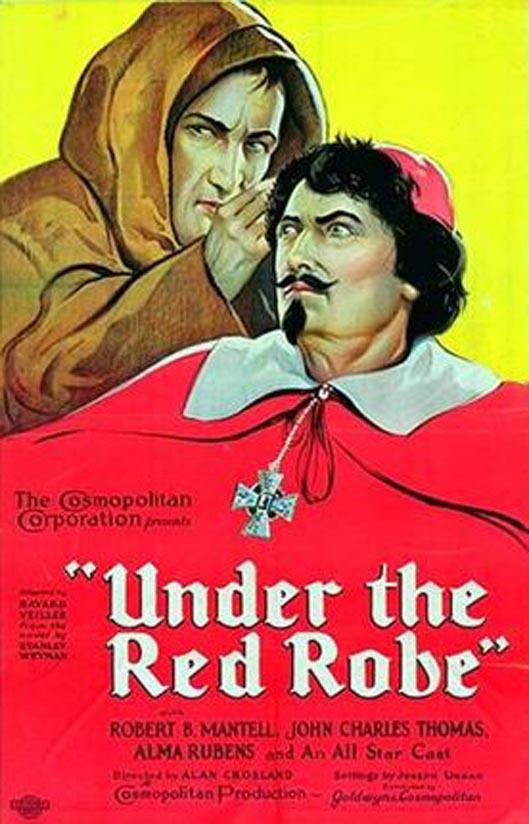
A definitive 5.6/10 rating for a film that redefined the boundaries of cult cinema. Under the Red Robe remains a cornerstone of transgressive art.
Step back into an age of lavish court intrigue, where cloaks and daggers were as common as powdered wigs, and the fate of a nation often hinged on the whisper of a powerful cleric. "Under the Red Robe" transports us directly to this tumultuous 17th-century France, a realm expertly, if ruthlessly, governed by the iron will of Cardinal Richelieu. This isn't merely a period piece; it's a vibrant, pulsating exploration of loyalty tested, hearts entangled, and the relentless machinery of state power grinding against the fragile aspirations of individuals. For those who appreciate historical dramas that delve beneath the surface of grand pronouncements to explore the very human cost of political ambition, this film offers a richly woven narrative that resonates long after the credits roll.
At the heart of this historical canvas stands Cardinal Richelieu, depicted with a chilling blend of sagacity and severity. The film masterfully portrays him not just as a historical figure, but as a force of nature, a man whose intellect and strategic prowess are matched only by his unwavering dedication to the Crown and, by extension, his own influence. His machinations are the engine of the plot, setting in motion a chain of events that will irrevocably alter the lives of all involved. The writers, Stanley J. Weyman and Bayard Veiller, demonstrate a keen understanding of the era's political climate, crafting a Richelieu who is both antagonist and architect, a figure whose presence looms large over every scene, even those in which he does not physically appear. His authority is absolute, his reach pervasive, and his methods, while perhaps morally ambiguous by modern standards, are undeniably effective in maintaining order in a volatile kingdom.
Our journey truly begins with the young operative, a man ensnared in Richelieu's intricate web of spies and loyalists. His task is straightforward, yet fraught with peril: to apprehend one of the Cardinal's most formidable enemies. This assignment, initially a clear cut case of state service, quickly morphs into a profound personal crucible. The moral complexities inherent in his mission are amplified by an unforeseen development – he falls deeply, irrevocably in love with his target's sister. This isn't a mere dalliance; it's a genuine, soul-stirring connection that forces him to confront the very foundations of his loyalty and identity. The film excels in portraying this internal conflict, allowing the audience to witness his struggle as he grapples with the ethical dilemmas of his position versus the burgeoning demands of his heart. It's a classic narrative tension, yet rendered with a refreshing sincerity that prevents it from feeling cliché. The stakes are profoundly personal, painting a vivid picture of a man torn between two irreconcilable worlds.
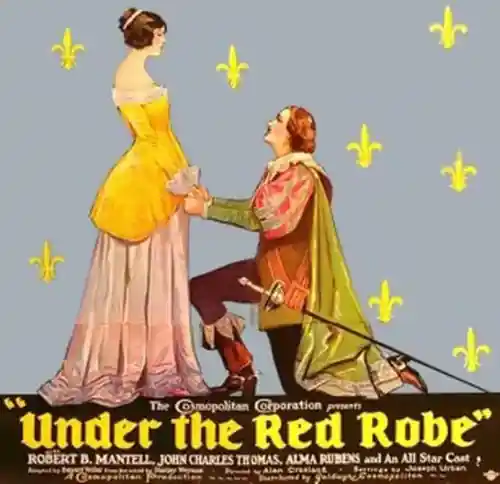
The romantic core of "Under the Red Robe" is undoubtedly one of its most compelling elements. The chemistry between the young operative and the sister of his target is palpable, evolving with a natural grace that feels earned. This isn't a whirlwind, unrealistic passion; rather, it's a slow burn, a connection forged in shared vulnerability and the oppressive shadow of political danger. The film excels at showing, not just telling, the development of their bond, allowing subtle glances, hesitant conversations, and shared moments of quiet defiance to build a credible foundation for their love. This forbidden romance is not merely a subplot; it is the catalyst for the protagonist's profound transformation, forcing him to question his allegiances and ultimately redefine what he values most. It’s a testament to the power of human connection, even in the most hostile and unforgiving environments, echoing the enduring appeal of stories like The Ghosts of Yesterday, where personal attachments often defy societal or political boundaries.
The strength of "Under the Red Robe" is significantly bolstered by its exceptional ensemble cast. George Nash, in the pivotal role of the conflicted operative, delivers a nuanced performance that beautifully conveys his internal turmoil. He navigates the tightrope between duty and desire with a compelling blend of intensity and vulnerability, making his character's predicament genuinely empathetic. His portrayal is far from one-dimensional, showcasing the complex layers of a man grappling with impossible choices. Alma Rubens, as the object of his forbidden affection, radiates a quiet strength and dignity, imbuing her character with a depth that makes her more than just a romantic interest. Her presence is graceful, yet assertive, perfectly capturing the spirit of a woman caught in the crosscurrents of political upheaval. The supporting cast, too, shines brightly, with notable contributions from William Powell, whose early career work here hints at the sophisticated charm he would later perfect, and Otto Kruger, who brings a formidable gravitas to his role. Even seasoned performers like Gustav von Seyffertitz and Robert B. Mantell contribute to the rich texture of the film, ensuring that even minor characters feel fully realized and integral to the overarching drama. Their collective talent ensures that the emotional stakes remain consistently high, drawing the audience deeper into the narrative's intricate world.
The directorial vision for "Under the Red Robe" is commendable, particularly in its ability to evoke the grandeur and tension of 17th-century France. The cinematography, while perhaps constrained by the technological limitations of its time, still manages to create striking compositions and atmospheric sequences. There’s a deliberate pacing that allows the narrative to unfold organically, giving weight to both the political machinations and the intimate emotional beats. The use of period costumes and sets is meticulous, transporting the viewer directly into the opulent, yet often dangerous, world of the French court and its surrounding countryside. Much like the careful world-building observed in The Silver Car or the intricate character studies in Soul of the Beast, this film demonstrates a commitment to detail that enriches the viewing experience. The director maintains a delicate balance, ensuring that the spectacle never overshadows the deeply personal story at its core. The visual language, though perhaps less overtly stylistic than later films, is effective in conveying mood and advancing the plot, making excellent use of light and shadow to underscore moments of suspense and tenderness.
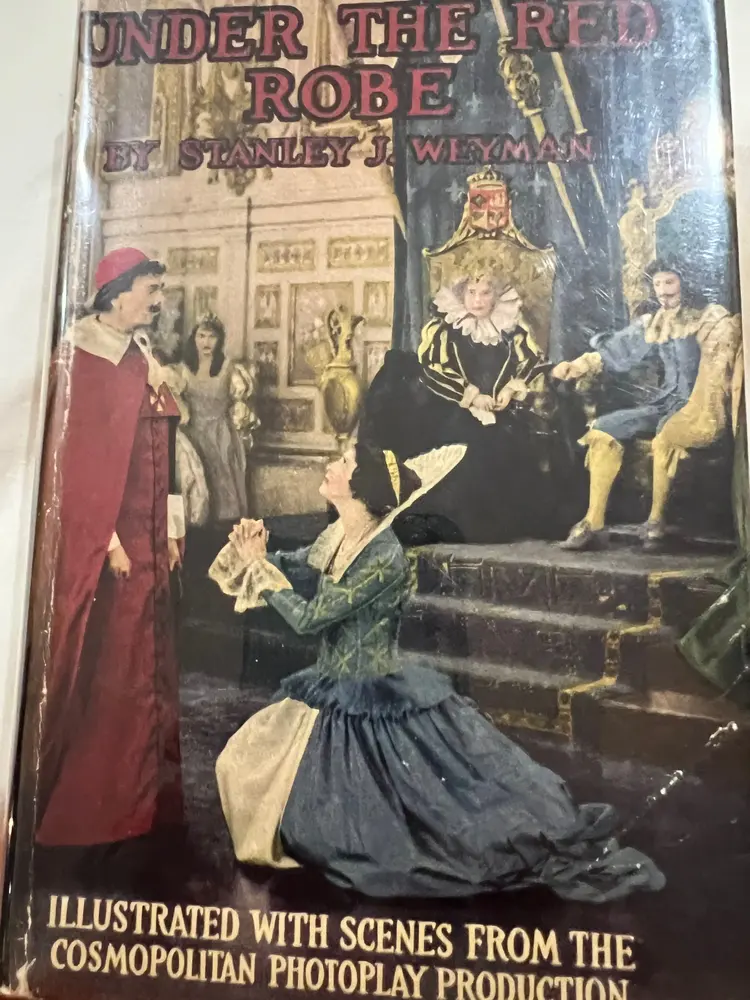
The screenplay, adapted from Stanley J. Weyman's novel by Bayard Veiller, is a masterclass in historical adaptation. It deftly condenses a potentially sprawling narrative into a focused, impactful story, retaining the essence of Weyman's intricate plotting while sharpening the emotional core. The dialogue, where present (depending on the film's specific era and version), is period-appropriate without being overly archaic, allowing the audience to fully engage with the characters. The themes explored — loyalty, betrayal, the corrupting influence of power, and the redemptive power of love — are timeless, ensuring the film's continued relevance. It delves into the moral ambiguities faced by individuals caught in the machinery of state, a theme that echoes through centuries of literature and cinema. Unlike simpler narratives, this film doesn't offer easy answers, but rather invites contemplation on the true cost of allegiance and the profound impact of personal choices. It's a narrative that, for its time, was remarkably sophisticated in its exploration of human psychology and the complex interplay between individual desire and societal expectation.
While "Under the Red Robe" takes liberties, as most historical dramas do, it succeeds in capturing the spirit of 17th-century France under Cardinal Richelieu's formidable rule. It portrays an era of grand ambition, political machination, and the constant threat of rebellion, all against a backdrop of evolving European power dynamics. The film serves as a fascinating cinematic artifact, reflecting not only the historical period it depicts but also the filmmaking sensibilities of its own era. Its enduring appeal lies in its ability to combine gripping historical drama with a deeply human story of love and sacrifice. For modern audiences, it offers a window into the narrative structures and character archetypes that laid the groundwork for countless subsequent historical epics. The film’s influence, while perhaps not as overtly celebrated as some blockbusters, can be seen in the continued fascination with historical figures like Richelieu and the enduring allure of forbidden romance against a backdrop of political upheaval. It reminds us that fundamental human emotions and conflicts transcend time, making stories from centuries past feel remarkably fresh and relevant.
In summation, "Under the Red Robe" is far more than a mere period piece; it is a compelling, emotionally resonant drama that navigates the treacherous waters of 17th-century French politics with admirable skill. Its strengths lie in its richly drawn characters, particularly the conflicted protagonist and the formidable Cardinal Richelieu, brought to life by a truly gifted cast including George Nash and Alma Rubens. The screenplay, penned by Stanley J. Weyman and Bayard Veiller, weaves a narrative tapestry that is both historically engaging and intimately personal. While it may not possess the kinetic energy of modern thrillers like Deliverance, its deliberate pacing allows for a deeper exploration of its profound themes. It's a film that speaks to the timeless struggle between duty and desire, the corrupting influence of power, and the enduring, often perilous, nature of love. For enthusiasts of historical cinema and those who appreciate a narrative rich in moral complexity and human drama, "Under the Red Robe" remains a fascinating and deeply rewarding cinematic experience, a true gem that deserves to be rediscovered and appreciated for its artistry and enduring thematic power.
IMDb 6
1935
Community
Log in to comment.