DbcultAccessing Vault...
6.3/10
Senior Film Conservator
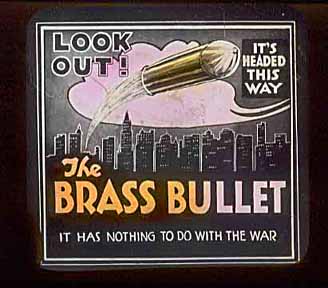
A definitive 6.3/10 rating for a film that redefined the boundaries of cult cinema. The Brass Bullet remains a cornerstone of transgressive art.
Stepping back into the nascent days of cinematic storytelling, 1918's 'The Brass Bullet' emerges not merely as a relic of a bygone era but as a fascinating artifact of narrative ambition and thematic depth. In an age where the moving picture was still discovering its voice, this serial thriller, penned by the collaborative minds of Frank R. Adams and Walter Woods, dared to weave a complex tapestry of avarice, deception, and murder, all set against the backdrop of a seemingly respectable society. It’s a film that demands close attention, rewarding the patient viewer with insights into the burgeoning techniques of suspense and character development that would define the decades to come.
At its core, the film presents a deliciously dark premise: a man, Homer Joy, so consumed by a spiteful desire to deny his estranged wife her rightful inheritance, meticulously orchestrates a scheme to pilfer her fortune even after his own demise. It’s a testament to the writers’ ingenuity that they conceived of such a pre-meditated, posthumous act of financial larceny. However, this elaborate plot takes a sharp, unexpected turn when Homer himself is found murdered under circumstances as opaque as they are unsettling. The narrative thus pivots from a tale of calculated, future-tense theft to an immediate, pressing murder mystery, with the victim ironically positioned as a would-be perpetrator of a different kind of crime. This inversion of expectations is where 'The Brass Bullet' truly begins to shine, hinting at a sophistication rarely attributed to early silent cinema.
The sprawling, episodic nature of a serial film often risks diluting its central mystery, but 'The Brass Bullet' largely manages to maintain a compelling through-line. Each chapter, while introducing new twists and turns, consistently circles back to the core enigma of Homer Joy's murder and the labyrinthine quest for his wife's fortune. The writers, Adams and Woods, demonstrate a keen understanding of suspense, employing cliffhangers not as cheap tricks but as genuine narrative drivers, compelling audiences to return week after week. This serial format, while perhaps alien to modern binge-watching sensibilities, was a masterclass in audience engagement, a precursor to the episodic television dramas we consume today. The sheer audacity of Homer Joy's initial plan – to enact financial revenge from the grave – provides a rich vein of dark humor and moral ambiguity that elevates the film beyond a mere crime procedural. It forces the viewer to grapple with the ethics of inheritance, the corrosive nature of long-held resentments, and the ultimate futility of even the most meticulously planned acts of malice when fate intervenes so brutally.
One cannot help but draw parallels, however faint, to other contemporary explorations of human avarice and dark desire. While not a direct comparison in plot, the thematic undercurrents of films like The Almighty Dollar (also 1916), which explicitly tackled the corrupting influence of wealth, or even the more romanticized intrigue of The Web of Desire (1917), find a grittier, more fatalistic echo in 'The Brass Bullet.' Here, desire isn't just about love or status; it's about control, even posthumous control, and the lengths to which individuals will go to exert it. The film’s exploration of these themes is surprisingly nuanced for its period, suggesting a deeper psychological landscape than many of its contemporaries.
The success of a silent film hinges almost entirely on the expressive capabilities of its cast, and 'The Brass Bullet' is fortunate to feature a company of performers who understood this dictum implicitly. Helen Wright, as the beleaguered Mrs. Joy, delivers a performance brimming with a quiet strength and simmering resentment. Her portrayal avoids the histrionics sometimes associated with silent-era acting, opting instead for a more internalized struggle that makes her character’s plight genuinely empathetic. She is not merely a victim but a woman navigating a treacherous landscape of familial betrayal and legal complexities.
Juanita Hansen, a prominent serial queen of her time, brings her characteristic vivacity and dramatic flair to her role. While specific character details might be lost to the mists of time for some, Hansen’s presence alone guaranteed a certain level of intensity and physical dynamism. Her ability to convey urgency and peril without uttering a single word was paramount to the serial’s success, often finding her character in situations requiring quick thinking and even quicker escapes. Her work here, much like in other action-oriented serials, cemented her status as a formidable screen presence. Think of the sheer physical demands on actresses of the era, akin to the dramatic tension one might find in a film like The Rose of Blood (1914), where passion and peril often went hand in hand.
Ashton Dearholt, Jack Mulhall, and Hallam Cooley contribute robust supporting performances, each carving out distinct personalities within the ensemble. Dearholt often specialized in playing suave or mysterious figures, and here he likely adds a layer of sophisticated ambiguity. Mulhall, with his reliable leading man qualities, probably serves as a moral compass or a driven investigator, providing a grounded presence amidst the chaos. Cooley, known for his versatility, could easily inhabit a range of roles from the sympathetic to the subtly sinister, keeping the audience guessing. Joseph W. Girard, Harry Dunkinson, Charles Hill Mailes, and Charles Force round out the cast, each playing their part in constructing the intricate web of suspects and allies that populate the world of the film. Their collective efforts in conveying emotion, suspicion, and determination through exaggerated gestures, facial expressions, and body language are a masterclass in the unique demands of silent film acting, where every movement and glance had to convey volumes of unspoken dialogue.
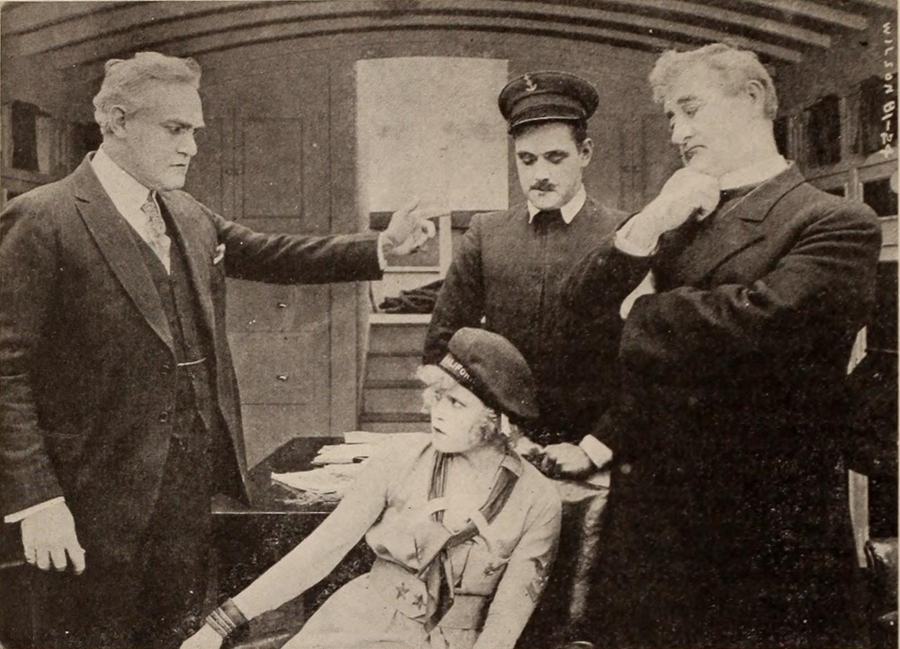
Beyond the thrilling plot mechanics, 'The Brass Bullet' delves into themes that remain evergreen in human experience: the corrosive power of greed, the insidious nature of deception, and the elusive pursuit of justice. Homer Joy’s initial motivation is pure, unadulterated avarice, coupled with a deep-seated desire for control even beyond the grave. This moral depravity sets the stage for the subsequent murder, suggesting a karmic retribution for his ill intentions. The film then becomes a multifaceted investigation not only into who pulled the trigger but also into the various forms of moral compromise that permeate the characters' lives.
The concept of a posthumous scheme to defraud one's spouse is particularly chilling, touching upon the sanctity of marriage and the bitter end to which some relationships can arrive. In this regard, it shares a thematic thread with the more melodramatic explorations of marital strife and inheritance found in films like The Great Leap: Until Death Do Us Part (1917), though 'The Brass Bullet' injects a layer of criminal intrigue that elevates it beyond domestic drama. The very title, hinting at a specific weapon, imbues the narrative with a tangible, brutal reality, grounding the fantastical elements of the serial format in a visceral act of violence.
The film also subtly critiques the societal structures that allow such machinations to flourish. The value placed on inherited wealth, the legal loopholes that can be exploited, and the moral blindness of individuals consumed by self-interest are all quietly scrutinized. The pursuit of the fortune becomes a crucible, revealing the true character of everyone involved. It's a reminder that beneath the polished surfaces of early 20th-century society, the same base human instincts that drive conflict and crime today were very much at play. The film doesn't preach, but rather presents a scenario where the consequences of such actions unfold with relentless logic, drawing the audience into a moral maze.
While specific directorial credits might vary or be less emphasized in serials of this vintage, the overall visual language of 'The Brass Bullet' is indicative of the evolving sophistication of early cinema. The use of intertitles, while necessary, is likely balanced with strong visual storytelling. Camera placement, though perhaps less dynamic than later periods, would have been crucial for establishing mood and conveying information. The staging of action sequences, particularly those involving Juanita Hansen, would have required careful choreography to maximize impact and suspense.
Lighting, a burgeoning art form in itself during the silent era, would have been employed to create chiaroscuro effects, highlighting dramatic moments and obscuring details to maintain mystery. Close-ups, used judiciously, would draw attention to the actors' powerful expressions, allowing the audience to intimately connect with their inner turmoil and cunning. One can imagine scenes of hushed conspiracy bathed in dim light, or moments of sudden revelation starkly illuminated, all contributing to the film's overall atmospheric tension. This careful attention to visual detail is what elevates a simple narrative into a compelling cinematic experience, much like the intricate visual storytelling found in a film such as The Strength of Donald McKenzie (1916), where character and environment are often inextricably linked through framing and composition.
For modern audiences, engaging with a silent serial like 'The Brass Bullet' requires a certain historical empathy and an appreciation for the foundational elements of cinema. It's not just a story; it's a window into the past, showcasing the inventive ways filmmakers captivated audiences before the advent of synchronized sound. Its enduring appeal lies in its audacious plot, its strong performances, and its unwavering commitment to suspense. It reminds us that the core elements of compelling storytelling – intriguing characters, high stakes, and a gripping mystery – transcend technological limitations.
While perhaps not as widely remembered as some of its more celebrated contemporaries, 'The Brass Bullet' holds a significant place in the lineage of crime and mystery films. It contributed to the evolving language of suspense, demonstrating how long-form narratives could sustain audience interest through complex plotting and compelling character arcs. It's a testament to the collaborative genius of writers Frank R. Adams and Walter Woods, and the dedicated efforts of a talented ensemble cast including Helen Wright, Juanita Hansen, Ashton Dearholt, Jack Mulhall, Hallam Cooley, Joseph W. Girard, Harry Dunkinson, Charles Hill Mailes, and Charles Force. Their work laid crucial groundwork for the crime thrillers and serial dramas that would follow, making 'The Brass Bullet' more than just an old film, but a vital piece of cinematic history.
In an era of rapid technological advancement in film, the serials were the proving ground for many narrative innovations. They taught filmmakers how to build worlds, develop characters over extended periods, and, most importantly, how to leave an audience desperate for the next installment. 'The Brass Bullet' stands as a prime example of this craft, a testament to the enduring power of a well-told story, regardless of the medium's limitations. It’s a compelling journey into the dark corners of human motivation, a silent scream of greed echoing through time, and a reminder that even a century later, the glint of a brass bullet can still ignite a spark of intrigue.
IMDb —
1922
Community
Log in to comment.