DbcultAccessing Vault...
6/10
Senior Film Conservator
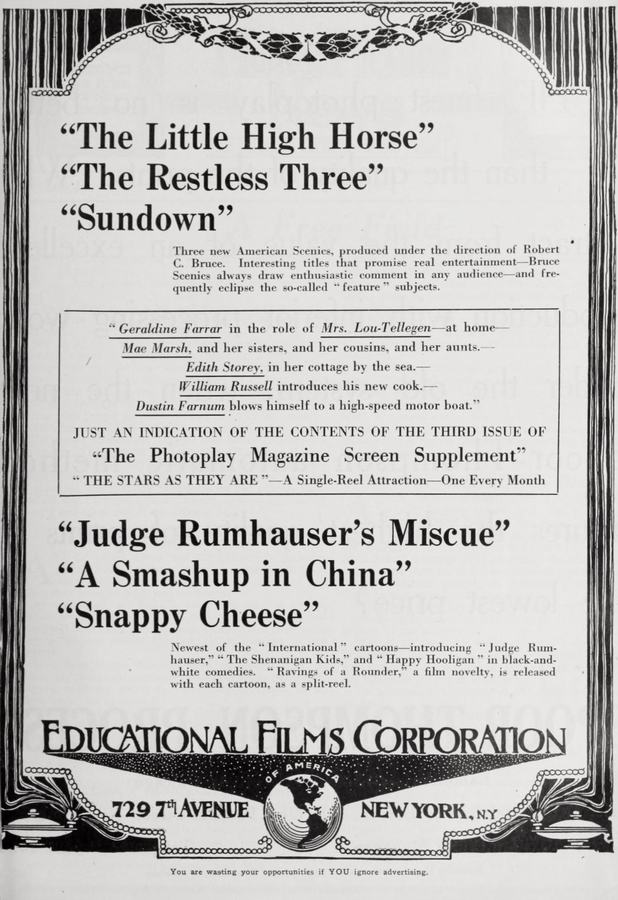
A definitive 6/10 rating for a film that redefined the boundaries of cult cinema. Smash-Up in China remains a cornerstone of transgressive art.
There are films that merely tell a story, and then there are those that etch themselves into the very fabric of cinematic memory, even if their light has dimmed over the decades. "Smash-Up in China", a title that crackles with the kinetic energy it promises, belongs squarely in the latter category. It’s a relic, yes, but one imbued with an almost archaeological significance, offering a tantalizing glimpse into the ambitions and anxieties of early 20th-century filmmaking. To approach this work, particularly through the lens of its principal creative force, Gregory La Cava, is to embark on a journey not just through a narrative, but through an era when the language of cinema was still being furiously articulated.
The film, a thrilling concoction penned by Frederick Opper and Louis De Lorme, plunges us headfirst into a world teetering on the brink. Its setting, 1920s Shanghai, is not merely a backdrop but a character in itself – a city of intoxicating contradictions, where ancient traditions clash with burgeoning modernity, and the whispers of espionage mingle with the clang of commerce. This isn't just a geographical location; it's a psychological landscape, a crucible for the film's intricate moral dilemmas. The script, while adhering to many of the adventure tropes of its time, elevates its material through a surprising depth of characterization and an almost poetic cadence in its intertitles, a testament to Opper and De Lorme's often overlooked contributions to the nascent art of screenwriting.
Gregory La Cava, a figure better known for his directorial prowess in later years, delivers a performance here that is nothing short of revelatory. As Captain Jack Sterling, he embodies the quintessential cynical adventurer, a man scarred by experience yet possessing an undeniable, flickering spark of idealism. La Cava’s portrayal is nuanced, eschewing the broad strokes often seen in silent-era heroes for something more internal, more conflicted. His eyes, even in the flickering monochrome, convey a world-weariness that speaks volumes, and his physical presence is both commanding and subtly vulnerable. It’s a performance that anchors the film, providing a human core amidst the swirling chaos of its plot. One might draw a parallel to the stoic resilience seen in characters from films like The Boss of the Lazy Y, yet La Cava injects Sterling with a unique brand of intellectual weariness that sets him apart.
The narrative itself is a masterclass in escalating tension. The hunt for the Imperial Jade Dragon, an artifact steeped in mythical power, serves as the perfect macguffin, propelling Sterling into increasingly perilous situations. The film skillfully weaves together elements of political intrigue, personal vendetta, and supernatural mystique. It's a testament to its craft that even without spoken dialogue, the stakes feel palpably high. The visual storytelling, often a hallmark of this era, is particularly strong here. The camera lingers on expressive faces, uses dramatic close-ups to convey emotion, and employs clever editing techniques to build suspense. The pacing, though occasionally deliberate by modern standards, allows for moments of quiet reflection that amplify the eventual bursts of action, creating a rhythmic ebb and flow that is utterly captivating.
Visually, "Smash-Up in China" is a feast for the eyes. The production design, with its meticulous recreation of Shanghai's diverse environments, is truly remarkable. From the ornate, shadowy interiors of opium dens, bathed in an almost oppressive atmosphere, to the bustling, sun-drenched chaos of market squares, every frame feels lived-in and authentic. The costume design, too, deserves commendation, with each character's attire speaking volumes about their status, allegiance, and inner world. Mei Lin’s exquisite opera costumes, for instance, are not just beautiful garments; they are a visual metaphor for her enigmatic nature, concealing as much as they reveal. The cinematography, though lacking the sophisticated camera movements of later eras, utilizes stark contrasts of light and shadow to great effect, creating a sense of foreboding and drama that is deeply resonant. This visual artistry at times rivals the atmospheric tension found in classics like The Avenging Conscience: or 'Thou Shalt Not Kill', albeit with a distinctly exotic flavor.
The supporting cast, while perhaps not receiving the same level of screen time as La Cava, contributes significantly to the film's rich tapestry. The mysterious Mei Lin, for example, is portrayed with an alluring ambiguity, her actions constantly challenging the audience's perceptions. Is she an ally, a femme fatale, or something entirely more complex? Her presence adds a layer of emotional and moral uncertainty that elevates the narrative beyond simple good-versus-evil tropes. Baron von Richter, the film's primary antagonist, is a suitably sneering and menacing figure, embodying the predatory nature of colonial exploitation. His ruthlessness provides a stark contrast to Sterling's increasingly conflicted morality, highlighting the ethical quagmire into which the protagonist is plunged. The dynamic between these characters is not merely functional; it’s a theatrical dance of power and deception.
One of the film’s most compelling aspects is its subtle yet potent exploration of cultural clash and the complexities of foreign intervention. While ostensibly an adventure story, "Smash-Up in China" doesn't shy away from depicting the fraught relationship between Western powers and China during a period of immense internal upheaval. Sterling, initially presented as a typical Western hero, gradually comes to question his own assumptions and prejudices as he delves deeper into Chinese culture and politics. The film, through its visual cues and character interactions, hints at the profound human cost of imperial ambitions and the often-misguided perceptions that accompany them. This thematic depth is perhaps what truly elevates it above many of its contemporary genre pieces, offering a more nuanced perspective than, say, the straightforward heroism often depicted in films like In the Wild West.
The screenplay by Opper and De Lorme is remarkably intricate, balancing multiple plot threads without ever feeling convoluted. The dialogue, conveyed through intertitles, is sharp and economical, driving the story forward while also revealing character. There are moments of genuine wit, surprising for a film of this genre and era, alongside passages of profound emotional resonance. The writers skillfully build suspense, introducing twists and turns that genuinely surprise the audience, keeping them on the edge of their seats. The climax, a spectacular confrontation amidst crumbling ancient ruins, is a masterclass in staging and kinetic energy, a true "smash-up" that lives up to the title's promise. It's a sequence that feels both epic in scale and intensely personal in its stakes, a difficult balance to strike, yet achieved with aplomb.
Beyond its thrilling plot, "Smash-Up in China" offers a fascinating historical document. It captures a specific moment in time, both in terms of global geopolitics and the evolution of cinematic art. The film's ambitious scale, its willingness to tackle complex themes, and its innovative use of visual storytelling all point to a burgeoning maturity in the medium. It’s a testament to the vision of its creators that they were able to craft such a rich and engaging narrative within the technical limitations of their era. One can see echoes of its adventurous spirit in later serials and films, demonstrating its subtle but undeniable influence on the trajectory of action-adventure cinema.
In conclusion, "Smash-Up in China" stands as a compelling argument for the re-evaluation of forgotten cinematic treasures. It is more than just a historical curiosity; it is a vibrant, engaging, and surprisingly profound film that deserves a wider audience. Gregory La Cava's performance is a revelation, the screenplay is intelligent and well-crafted, and the visual artistry is consistently impressive. It is a film that challenges, entertains, and ultimately rewards the attentive viewer. While it might lack the immediate recognition of some of its contemporaries, its enduring power lies in its ability to transport us to a different time and place, to engage us with characters who feel genuinely human, and to tell a story that resonates with timeless themes of adventure, morality, and the eternal clash of cultures. It's a reminder that sometimes, the most precious gems are found not in plain sight, but hidden away, awaiting rediscovery, much like the Imperial Jade Dragon itself.
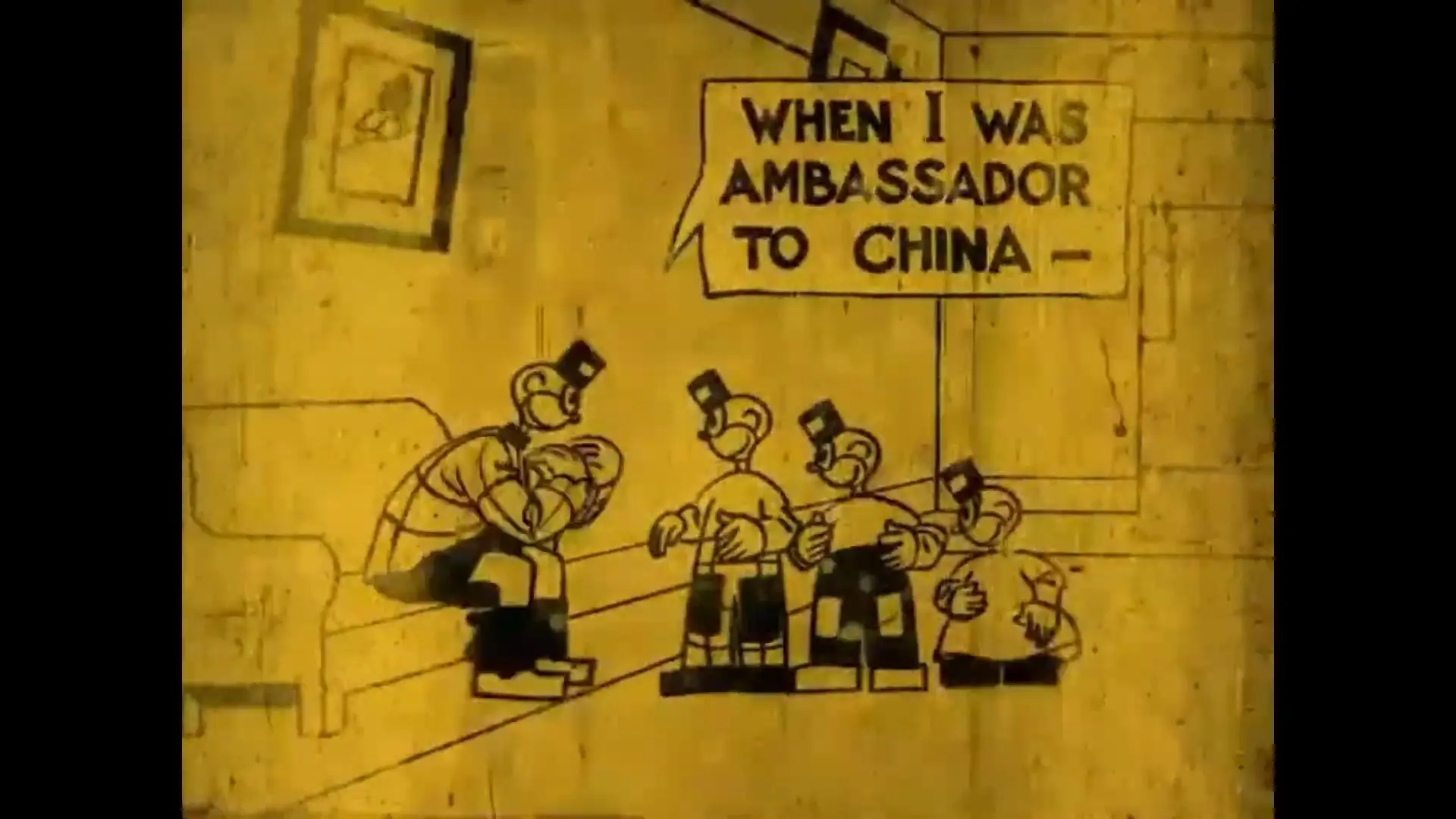
The meticulous attention to detail in set pieces, from the chaotic street brawls to the meticulously choreographed chase sequences, speaks volumes about the dedication of the uncredited crew. Every frame feels painstakingly constructed, contributing to an overall sense of cinematic grandeur. The film’s ability to conjure a palpable sense of danger and urgency without relying on elaborate special effects is particularly noteworthy. Instead, it leverages clever staging, dynamic editing, and the raw power of human performance to generate tension. This approach contrasts sharply with the often simplistic action found in some of its contemporaries, like Fit to Win, which relied more on physical prowess than narrative complexity.
The character arc of Captain Sterling is particularly well-developed. He begins as a detached mercenary, driven by personal gain, but the unfolding events, particularly his interactions with Mei Lin and the indigenous Chinese characters, force him to confront his own moral ambiguities. This transformation is not sudden or forced; rather, it’s a gradual awakening, depicted through subtle shifts in La Cava’s expression and posture. This psychological depth elevates the film beyond a mere adventure serial, imbuing it with a dramatic weight that lingers long after the credits roll. It’s a sophisticated character study masquerading as an action flick, a rare feat for its time.
The film’s exploration of power dynamics is another strong suit. The Imperial Jade Dragon isn't just a treasure; it's a symbol of spiritual and political authority, coveted by various factions for vastly different reasons. Baron von Richter sees it as a tool for domination, a means to consolidate his illicit empire. Mei Lin likely views it through the lens of national heritage and spiritual significance. Sterling, initially, sees it as a means to an end, a job. The conflict isn't just about possession; it's about the interpretation and wielding of power, a timeless struggle that resonates deeply. This thematic richness can be compared to the philosophical underpinnings of The Eternal Law, though "Smash-Up in China" grounds its lofty ideas in visceral action.
Furthermore, the film's employment of exoticism is handled with a surprising degree of sensitivity for its period. While it certainly capitalizes on the allure of the 'Orient,' it avoids many of the more egregious caricatures common in contemporary Hollywood. The Chinese characters, particularly Mei Lin, are portrayed with agency and complexity, not merely as two-dimensional background figures. This nuanced approach adds a layer of respect that enhances the film's overall impact, making it feel less like a colonial fantasy and more like a genuine attempt to engage with a foreign culture, even if through a Western lens. This is a significant departure from some of the more exploitative portrayals seen in films like The Indian Wars, which often reduced indigenous peoples to mere obstacles.
The legacy of "Smash-Up in China", though perhaps not widely celebrated, is undeniable upon close inspection. It represents a bold experiment in global storytelling, pushing the boundaries of what was achievable in silent cinema. Its influence, while subtle, can be traced through subsequent adventure films that dared to venture into non-Western settings, attempting to balance thrilling action with cultural insight. It serves as a reminder that innovation wasn't solely confined to the European avant-garde or the big Hollywood studios; sometimes, it emerged from unexpected corners, driven by ambitious artists like La Cava, Opper, and De Lorme. To rediscover this film is to unearth a vital piece of cinematic history, a vibrant testament to the enduring power of visual narrative.
The film’s climax, a truly breathtaking sequence of synchronized chaos and personal reckoning, is a masterclass in silent film spectacle. The collision of multiple factions – Sterling and Mei Lin, Baron von Richter’s henchmen, and various local forces – within the crumbling architecture of an ancient temple creates a dynamic, visually arresting ballet of destruction. The interplay of light and shadow, the frantic pace of the editing, and the raw physicality of the performances culminate in a resolution that is both cathartic and profoundly ambiguous. It leaves the audience not with simple answers, but with lingering questions about justice, loyalty, and the price of peace, much like the morally complex endings of films such as After the War.
Moreover, the film’s use of symbolism, particularly surrounding the Jade Dragon itself, is remarkably sophisticated. The artifact is not just a plot device; it embodies the spiritual heart of a nation, a source of both reverence and conflict. Its journey through various hands reflects the shifting tides of power and the struggle for cultural identity. This symbolic richness adds another layer of interpretation, inviting viewers to delve deeper into the film's underlying messages. It transforms a simple treasure hunt into a profound meditation on heritage and destiny, elevating it beyond a mere action-adventure romp into something far more contemplative and enduring.
In an era where many films were content with straightforward narratives, "Smash-Up in China" dared to explore complexities, both narrative and thematic. It is a testament to the collaborative genius of its cast and crew that they were able to craft a work that remains engaging and thought-provoking almost a century later. Its existence reminds us that film history is not a linear progression, but a vast, interconnected web of forgotten masterpieces and unsung heroes. This film, with its vibrant energy and nuanced storytelling, undoubtedly belongs among the latter, deserving a place in the pantheon of early cinematic achievements. Its enduring relevance lies in its ability to transcend its historical context, speaking to universal themes that continue to resonate with contemporary audiences.
The emotional landscape of the film, often conveyed through subtle gestures and the evocative power of the score (imagined, of course, for a silent film), is surprisingly rich. Sterling’s burgeoning affection for Mei Lin, fraught with cultural barriers and dangerous secrets, adds a poignant romantic subplot that never overshadows the main adventure but rather enriches it. Their chemistry, though unspoken, is palpable, adding a humanizing element to the high-stakes intrigue. This delicate balance of action and emotion is a hallmark of truly great storytelling, reminiscent of the emotional depth found in Life's Greatest Problem, yet in a vastly different genre context. The film's ability to elicit such a range of emotions without dialogue is a powerful testament to the artistry of silent cinema.
Ultimately, "Smash-Up in China" is a film that demands rediscovery. It’s a thrilling adventure, a captivating historical document, and a profound artistic statement all rolled into one. Its intricate plot, compelling performances, and ambitious themes make it a standout achievement of its era, a film that continues to resonate with its exploration of cultural collision, personal morality, and the enduring allure of the unknown. It is a vibrant, pulsating piece of early cinema that offers far more than just surface-level entertainment; it provides a window into a past world, and a mirror to timeless human struggles. For any serious student of film or simply a lover of compelling narratives, this is a cinematic journey well worth taking, a true 'smash-up' in the best possible sense of the word.
IMDb 8
1924
Community
Log in to comment.