DbcultAccessing Vault...
Cult Review
Senior Film Conservator
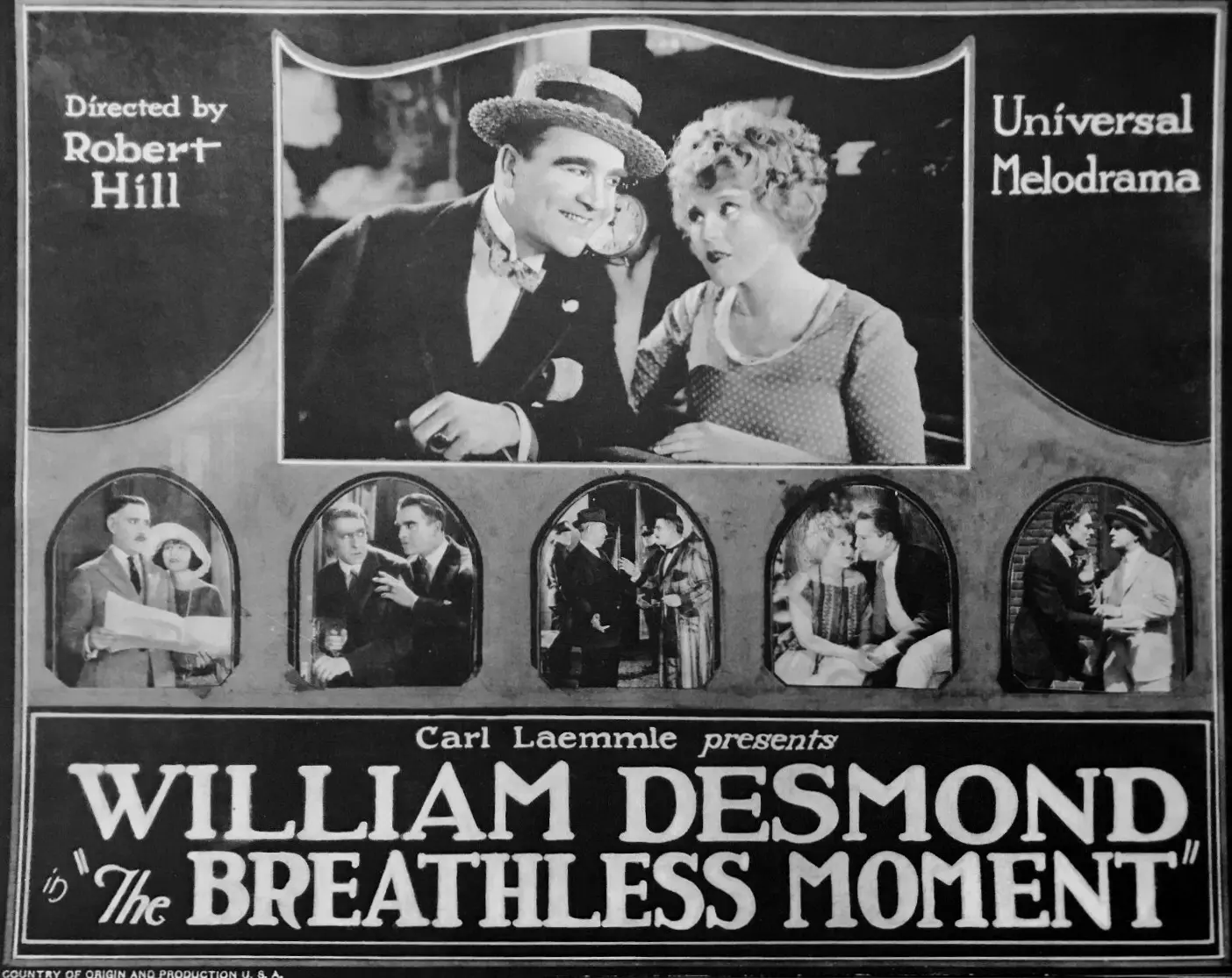
William Desmond stars in the lead role of the crooked Billy Carson, a character whose past transgressions have led him to a crossroads. The film begins by introducing us to the enigmatic Quinn and his reluctant decision to send Carson to the quiet town of Millbrook, where the convict is accompanied by his confederate, Dan. This decision, while initially met with resistance from both characters, sets the stage for a journey of profound transformation and unexpected alliances.
The narrative unfolds with a delicate balance between drama and comedy, deftly navigating the dynamics between the characters. Carson, initially portrayed as a hardened criminal with a penchant for mischief, begins to reveal layers of vulnerability and a capacity for change. His interactions with the townspeople, particularly the local librarian and the charming but traditional Mrs. Thompson, are pivotal in his journey towards self-reform. These relationships not only provide a window into the character's evolving psyche but also hint at the broader societal changes occurring within the town.
Parallel to Carson's arc, Dan's storyline offers a complementary narrative of redemption. His character, while initially more subdued, gradually reveals a strength and resilience that seems to mirror Carson's newfound resolve. The two men's bond, forged in the crucible of incarceration, serves as a metaphor for the unbreakable human spirit. Their shared experience, enriched by the town's quaint charm, becomes a catalyst for personal growth and mutual support.
The film's visual aesthetic is a testament to its period setting and the era in which it was made. The cinematography captures the essence of the small town, from its bustling main street to the quiet, winding back alleys. The use of natural light and the subtle hints of the changing seasons add to the richness of the film's atmosphere. This attention to detail is particularly evident in the depiction of the town's annual festival, where the characters' paths intersect, further emphasizing the themes of community and belonging.
One of the film's strengths lies in its nuanced portrayal of the characters' relationships with the townspeople. The townsfolk, though initially wary, gradually come to appreciate the potential for change in the two inmates. This shift in perspective is not merely a plot device but a reflection of the broader narrative about the capacity for redemption and the power of second chances. The film skillfully balances the tension between the characters' inner turmoil and their external interactions, creating a compelling narrative that resonates with the audience.
The supporting cast, including John Steppling, Al Hart, Alfred Fisher, and others, bring a depth and authenticity to their roles. Their performances contribute significantly to the film's overall tone and emotional impact. Margaret Cullington and Lucille Hutton, in particular, stand out with their portrayals of the librarian and Mrs. Thompson, respectively. Their characters serve as pivotal figures in the protagonists' journeys, offering both challenges and support. The chemistry between the lead actors and the supporting cast is palpable, enhancing the film's realism and emotional depth.
The script, penned by Raymond L. Schrock, William E. Wing, and Harvey Gates, is a masterclass in subtext and character development. The dialogue is rich with subtle hints of the characters' inner lives, and the plot unfolds with a natural flow that keeps the audience engaged. The screenplay's complexity is evident in the way it weaves together multiple storylines, each contributing to the overarching theme of transformation. The film's pacing is well-balanced, allowing for moments of tension and moments of reflection, creating a rich tapestry of human experiences.
'The Breathless Moment' stands as a testament to the power of cinema to explore complex themes and human emotions. Its exploration of redemption, love, and the transformative nature of community is both heartwarming and thought-provoking. The film's visual and narrative qualities make it a must-see for fans of classic cinema, offering a glimpse into a bygone era while delivering timeless messages. While it may not break new ground, it excels in the art of storytelling, making it a valuable addition to any film enthusiast's collection.
For those interested in further exploring similar themes, 'Snobs,' 'The Wood Nymph,' and 'The Garden of Weeds' offer comparable narratives of transformation and societal change. Each film, in its own way, delves into the complexities of human nature and the potential for growth. 'The Arrival of Perpetua' and 'A Girl of Yesterday' also provide a rich backdrop for the exploration of personal and social dynamics, making them worthy companions for a cinephile's viewing list.
In conclusion, 'The Breathless Moment' is a film that, despite its age, continues to resonate with contemporary audiences. Its exploration of the human spirit and its capacity for change is both inspiring and moving. Whether you are a fan of classic American cinema or simply appreciate well-crafted narratives, this film is a journey worth taking.

IMDb 5.4
1930
Community
Log in to comment.