DbcultAccessing Vault...
6.4/10
Senior Film Conservator
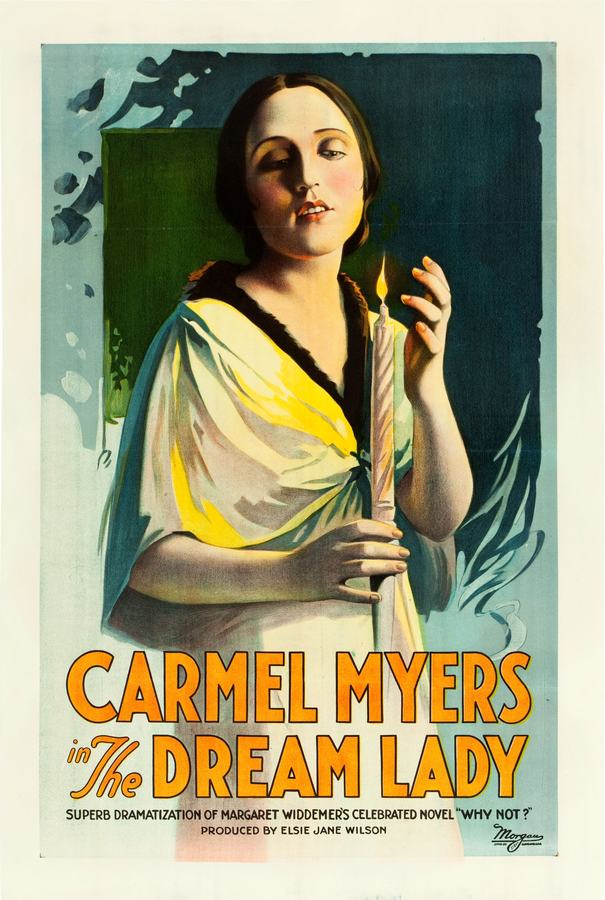
A definitive 6.4/10 rating for a film that redefined the boundaries of cult cinema. The Dream Lady remains a cornerstone of transgressive art.
Stepping into the spectral glow of early cinema, one often encounters narratives that, despite their age, resonate with an almost uncanny prescience. Such is the case with The Dream Lady (1918), a film that, at its heart, explores the timeless human fascination with the unknown, the allure of destiny, and the entrepreneurial spirit, even when channeled through the ethereal. Directed with a keen eye for human foibles and aspirations, this silent gem offers a compelling look at a woman's journey into the world of fortune-telling, propelled by an unexpected inheritance. It’s a narrative that, while firmly rooted in its era, speaks volumes about ambition, belief, and the often-blurry line between genuine insight and calculated performance.
The premise of The Dream Lady is deceptively simple: a woman, after receiving a substantial inheritance from an uncle, decides to establish a fortunetelling business. Yet, within this seemingly straightforward setup lies a labyrinth of psychological depth and societal commentary. It’s not merely about a woman finding a new profession; it’s about a woman seizing agency in an era where female independence was often circumscribed. Her decision to enter the realm of the mystical, rather than, say, investing in a more conventional enterprise or retreating into domesticity, is a potent statement. It suggests a character driven by something beyond mere financial gain—perhaps a genuine belief in her own intuitive capabilities, or a shrewd understanding of human vulnerability and desire for guidance.
The film’s exploration of the fortunetelling business itself is particularly fascinating. It doesn't shy away from the potential for exploitation, nor does it entirely dismiss the possibility of genuine insight. Instead, it invites the audience to ponder the symbiotic relationship between the seer and the seeker, where belief often shapes reality. This dynamic is reminiscent of the intricate psychological games played out in films like The Scarlet Woman, where appearances and perceptions are constantly manipulated, or even the more direct confrontations with deception found in Blood Will Tell. The protagonist, in establishing her 'salon of premonitions,' becomes a mirror reflecting the hopes, fears, and desperate longings of her clientele, thereby constructing a narrative that is as much about them as it is about her.
The success of any silent film hinges not just on its narrative ingenuity but on the expressive capabilities of its cast and the vision of its writers. In The Dream Lady, the performances are particularly noteworthy, breathing life into characters through gesture, gaze, and subtle shifts in demeanor. Martha Mattox, in the titular role, delivers a performance that is both commanding and nuanced. She embodies the 'Dream Lady' with an air of enigmatic authority, making it difficult for the audience to discern whether her character is a genuine oracle, a cunning opportunist, or a complex blend of both. Mattox's ability to convey such ambiguity without the aid of dialogue is a testament to her profound talent, a skill that places her among the finest performers of her generation, perhaps even rivaling the subtle dramatic prowess seen in Her Greatest Performance.
Harry von Meter, a stalwart of the silent screen, brings a compelling gravitas to his role, often serving as a foil or a catalyst within the Dream Lady's world. His interactions with Mattox are charged with an unspoken tension, hinting at underlying motives and unspoken desires that add layers of intrigue to the plot. Carmel Myers, another prominent figure of the era, contributes her characteristic intensity, often portraying characters with strong wills and passionate hearts. Her presence invariably elevates the emotional stakes, much like her impactful roles in other dramatic features of the time. Kathleen Emerson and Elizabeth Janes, while perhaps in supporting capacities, round out the ensemble with performances that contribute to the rich tapestry of the film's social milieu, each face telling a story without uttering a single word.
Philo McCullough and Thomas Holding further solidify the cast, providing the necessary dramatic weight and character diversity. McCullough, often cast as villains or strong secondary characters, likely brings a sense of potential conflict or moral ambiguity, while Holding's presence frequently lent a certain dignity or romantic interest to his roles. The interplay between these actors, their subtle expressions and grand gestures, forms the bedrock of the film's emotional resonance. It’s a masterclass in visual storytelling, where every movement and every glance carries significant narrative weight, a technique perfected in the silent era and exemplified here.
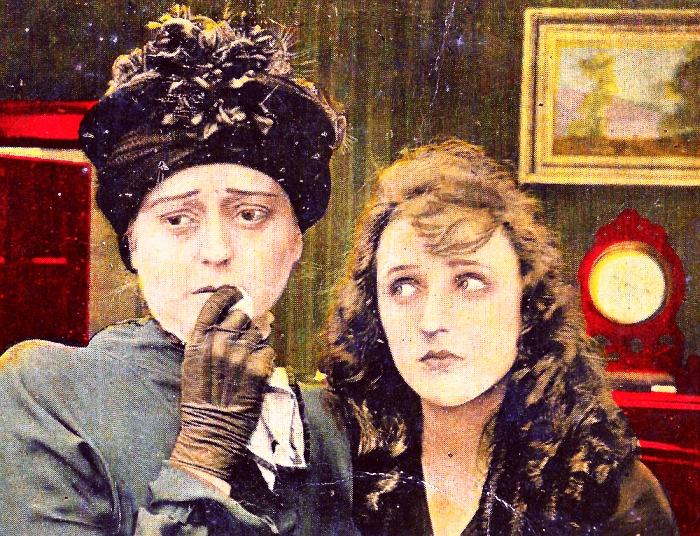
The screenplay, penned by Margaret Widdemer and Fred Myton, is a marvel of concise yet evocative storytelling. Widdemer, a Pulitzer Prize-winning poet and novelist, imbues the narrative with a literary sensibility, crafting a story that transcends mere melodrama. Her background in exploring complex human emotions and societal norms undoubtedly contributes to the script's depth, allowing the characters to feel authentic and their dilemmas relatable. Myton, a prolific screenwriter of the silent era, likely provided the structural backbone and pacing that kept the narrative taut and engaging. Their collaboration results in a script that is both intellectually stimulating and emotionally resonant, a delicate balance that is difficult to achieve in any medium, let alone one without spoken dialogue.
The writers navigate the moral quandaries of fortune-telling with a deft hand, avoiding simplistic judgments. Is the Dream Lady a charlatan, a sage, or something in between? The script allows for multiple interpretations, inviting the audience to engage critically with the narrative rather than passively consume it. This nuanced approach to character and theme is a hallmark of truly great storytelling, distinguishing it from more straightforward narratives like The Lash, which often focused on clear-cut moral battles. Instead, The Dream Lady delves into the grey areas of human motivation, making it a more thought-provoking experience.
The Dream Lady is far more than a simple tale of an entrepreneur. It is a profound meditation on several enduring themes. Firstly, it examines the pervasive human need for control and certainty in an uncertain world. In an era marked by significant social upheaval and the looming shadow of global conflict, the desire for a glimpse into the future would have been particularly acute. The film taps into this universal yearning, showing how easily people can be drawn to figures who promise answers, even if those answers are merely comforting fictions.
Secondly, the film explores the concept of identity and self-reinvention. The protagonist, upon receiving her inheritance, doesn't just change her financial status; she transforms her very persona to become 'The Dream Lady.' This act of self-creation speaks to a deeper desire for purpose and significance, a theme that echoes in other narratives of transformation, such as the journey of self-discovery in The Return of Eve. It raises questions about authenticity: is the Dream Lady merely playing a role, or does she genuinely believe in the power she purports to wield? The film leaves this tantalizingly ambiguous, allowing the audience to project their own interpretations onto her character.
Thirdly, the film offers a subtle critique of societal gullibility and the power of perception. The success of the Dream Lady's business relies heavily on the willingness of her clients to believe. This dynamic highlights how easily illusions can be sustained when people desperately want them to be true. It's a commentary that remains relevant today, in an age where information, both factual and fabricated, is constantly vying for our attention. The film subtly suggests that perhaps the greatest power of the fortuneteller lies not in predicting the future, but in shaping the present through the power of suggestion and belief. This manipulation of perception is a fascinating parallel to the intricate plots of mystery films like The Mystery of the Yellow Room, where what appears to be true is often a carefully constructed façade.
Released in 1918, The Dream Lady emerged during a particularly fertile period for silent cinema. The industry was rapidly evolving, experimenting with narrative forms, cinematic techniques, and the burgeoning star system. This film, in its sophisticated approach to character and theme, stands as an example of the artistic ambition prevalent at the time. It showcases the capacity of silent films to convey complex ideas and deep emotions without relying on dialogue, utilizing instead the potent language of visual metaphor, expressive acting, and evocative intertitles.
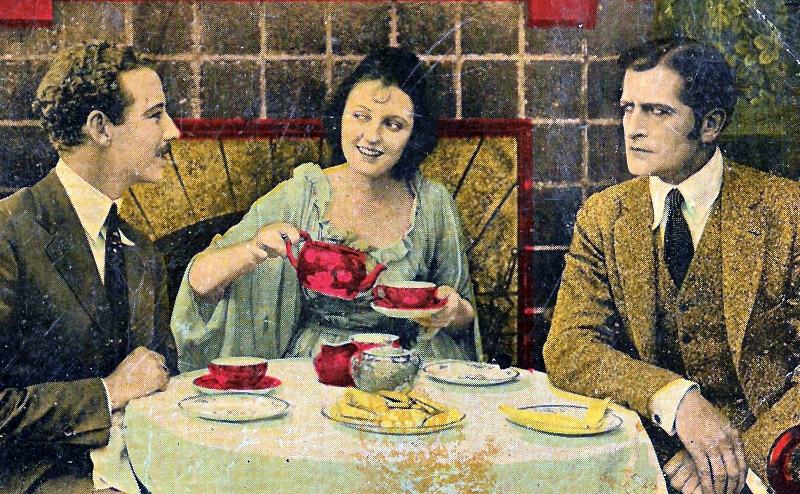
The film's exploration of female entrepreneurship also places it within a broader context of women's changing roles in society. As women gained more independence and entered the workforce in greater numbers, cinema began to reflect these shifts. The Dream Lady, in her bold venture, represents a nascent form of female agency, a precursor to the more overt declarations of independence seen in later films. While not as overtly feminist as some contemporary dramas, it subtly champions a woman's right to forge her own path, even if that path leads into the unconventional. This spirit of independent female action can be observed in other films of the period, such as the adventurous spirit of The Hazards of Helen, where women often took active, decisive roles.
The visual storytelling in The Dream Lady is a masterclass in silent film technique. The use of lighting, particularly in scenes set within the fortunetelling parlor, creates an atmosphere of mystery and otherworldliness. Shadows play a crucial role, often obscuring faces or creating dramatic contrasts that amplify the sense of the unknown. Close-ups are employed judiciously to highlight emotional states, allowing the audience to connect intimately with the characters' inner turmoil or profound insights. The editing, while perhaps not as frenetic as later cinematic styles, is precise, guiding the viewer's eye and maintaining a steady narrative rhythm.
The film’s art direction and set design also contribute significantly to its overall impact. The fortunetelling parlor itself is likely adorned with symbols of the occult—crystal balls, tarot cards, mystical draperies—all carefully chosen to evoke an aura of authenticity and enchantment. These visual cues are not mere window dressing; they are integral to the narrative, establishing the setting and reinforcing the themes of illusion and belief. Such attention to detail in world-building is a testament to the creative energies of the silent film era, where every visual element had to compensate for the absence of sound, much like the elaborate settings in Aladdin and the Wonderful Lamp, though for different narrative ends.
While The Dream Lady may not possess the widespread recognition of some of its more celebrated contemporaries, its thematic richness and compelling performances ensure its place as a significant artifact of early cinema. It speaks to the enduring human desire to peek behind the curtain of fate, a desire that remains as strong today as it was over a century ago. The film challenges us to consider the nature of belief, the power of suggestion, and the intricate dance between those who seek answers and those who claim to provide them. It's a reminder that even in the absence of spoken words, cinema possesses an unparalleled ability to explore the deepest recesses of the human psyche.
For modern audiences, The Dream Lady offers a fascinating glimpse into a bygone era, not just through its historical setting and cinematic style, but through its timeless exploration of human nature. It serves as a testament to the ingenuity of early filmmakers who, with limited technological means, managed to craft narratives that continue to provoke thought and stir the imagination. Much like the intricate legal battles portrayed in Il processo Clémenceau or the moral dilemmas in One Law for Both, The Dream Lady presents a complex ethical landscape, inviting viewers to ponder the consequences of their choices and beliefs. It is a film that rewards careful observation and thoughtful reflection, solidifying its status as a compelling entry in the annals of silent film history.
In an industry often obsessed with the new, revisiting films like The Dream Lady offers a valuable perspective on the foundations of cinematic art. It reminds us that fundamental storytelling principles—compelling characters, engaging plots, and resonant themes—are truly timeless. The silent era, far from being a primitive precursor, was a sophisticated art form in its own right, capable of conveying profound ideas with remarkable elegance and power. And The Dream Lady stands as a luminous example of this enduring legacy, a whisper from the past that still holds profound truths for the present.
IMDb 6.7
1933
Community
Log in to comment.