DbcultAccessing Vault...
Cult Review
Senior Film Conservator
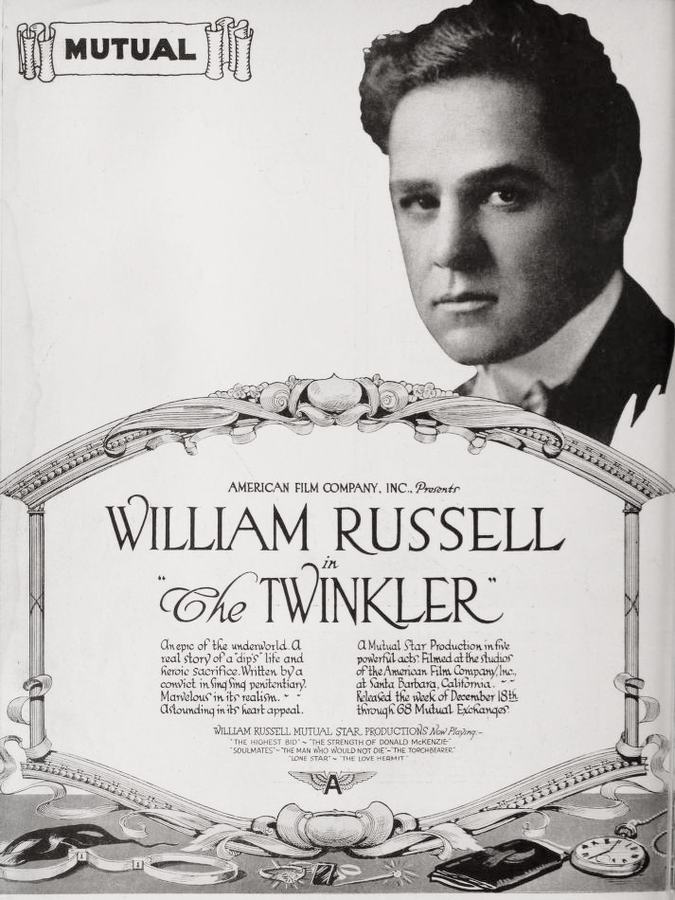
In the annals of early cinema, where moral ambiguity often wrestled with the clear-cut narratives of good and evil, a film like 'The Twinkler' emerges as a particularly compelling artifact. Released in an era when motion pictures were rapidly evolving from mere novelties into sophisticated storytelling vehicles, this production, featuring the expressive talents of William Spencer and Charlotte Burton, delves into themes of redemption, societal corruption, and the relentless pursuit of an honest life against formidable odds. Penned by the insightful Henry Leverage, the narrative is a masterclass in melodrama, replete with the kind of high-stakes drama and emotional intensity that captivated audiences of its time, and indeed, continues to resonate with a certain timelessness.
The film introduces us to Bob Stephany, a man burdened by a notorious past, his moniker "The Twinkler" hinting at a history of less-than-legal endeavors. As his long prison sentence draws to a close, a flicker of hope ignites within him, fueled by the unwavering devotion of his fiancée, Rose Burke. Rose's dream—a simple, vine-clad cottage and Bob in a respectable position—becomes the lodestar for his future. This vision of domestic tranquility, a stark contrast to the grim reality of prison life, solidifies Bob's resolve to forsake his criminal past and embrace a "straight" path. The film masterfully sets up this initial premise, showcasing the powerful influence of love and the human desire for a fresh start, even for those branded by society.
Upon his release, Bob's earnest attempts to find honest work are met with the harsh realities of a society quick to judge and slow to forgive. His past, an indelible stain, proves to be a weapon in the hands of a crooked detective, who, discovering Bob's new identity, ruthlessly exploits his vulnerability through blackmail. This insidious pressure forces Bob into a precarious dance with his former life, highlighting the systemic challenges faced by ex-convicts. It's a poignant portrayal of how societal structures, rather than aiding rehabilitation, can often push individuals back into the very cycles they desperately try to escape. The film doesn't shy away from depicting the moral compromises Bob is forced to make, rendering his journey all the more agonizing. One might draw parallels to the stark societal critiques found in films like Europäisches Sklavenleben, which also explored the oppressive forces at play against the individual.
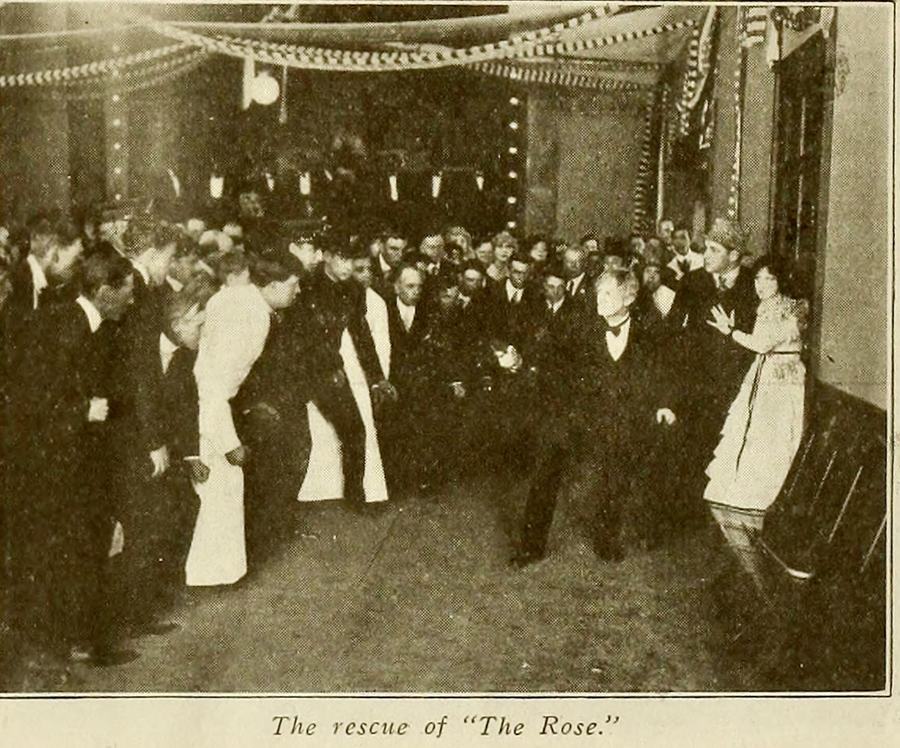
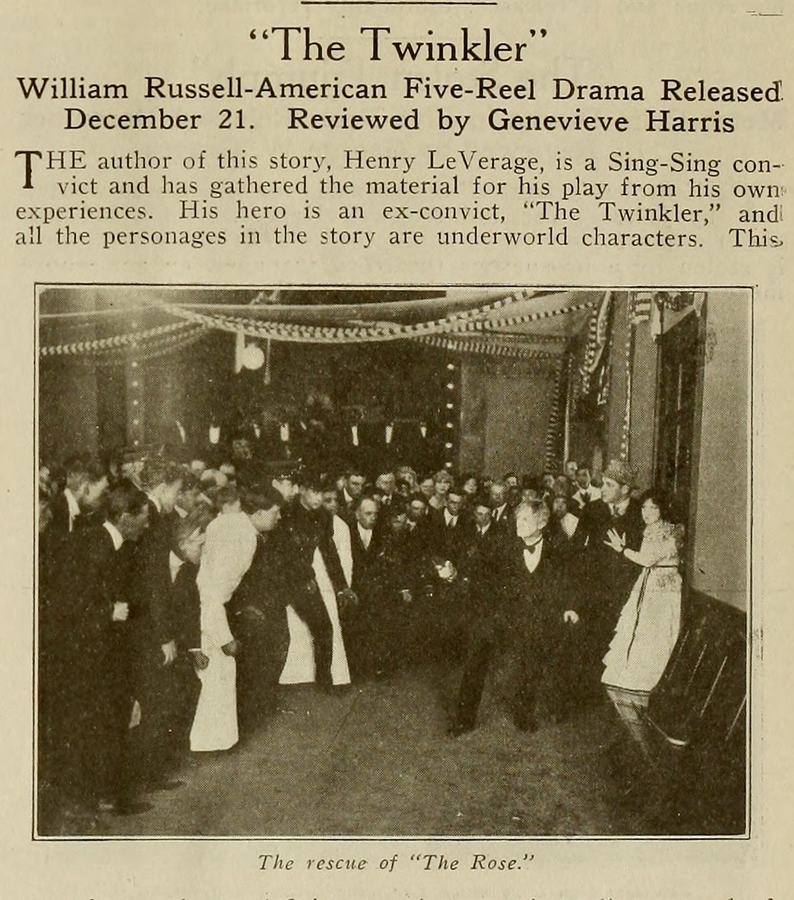
The narrative gains further intensity with the introduction of Boss Corregan, a figure emblematic of corrupt power. Corregan's predatory advances toward Rose are not just a personal affront but a symbolic assault on Bob's aspirations for a clean life. The confrontation at the Political Ball, where Bob heroically intervenes to protect Rose, marks a turning point, signaling that his battle for redemption will not be a quiet, internal one, but a public, dangerous struggle against entrenched malevolence. This dramatic escalation, typical of the era's melodramas, sets the stage for the tragic events that follow.
The plot thickens with Corregan's cunning manipulation, luring Rose to his office under the guise of an apology, while simultaneously orchestrating Bob's unjust imprisonment. Bob, sensing the treachery, instructs Rose to bring his revolver, a desperate measure that underscores the peril she faces. The ensuing struggle in Corregan's office is a visceral depiction of desperation and self-defense. Rose fires the revolver, an act of sheer terror, while simultaneously, Daddy Burke, Rose's father, lurking at the window, also discharges a shot before fleeing. This chaotic sequence leaves Corregan dead, Rose in a faint, and the audience grappling with the true authorship of the fatal blow. The immediate aftermath sees Rose unjustly held for murder, while Bob, released from his false charge, is plunged into a frantic search for Daddy Burke, the only one who can corroborate the truth.
Bob's subsequent actions, driven by an unyielding love for Rose and a desperate need to secure her freedom, force him back into a life of crime. Stealing to fund her legal defense, he finds himself ensnared in a cruel irony: his efforts to save Rose from injustice lead him further into criminality. This moral quandary is reminiscent of the complex choices faced by protagonists in films like The Lesson, where the lines between right and wrong blur under immense pressure. The injustice of Rose's conviction, culminating in her death sentence, propels the narrative into a breathless race against time.
The film’s climax is a masterful orchestration of suspense and happenstance. On the eve of Rose's execution, Bob finally encounters a gravely injured Daddy Burke, who, with his dying breath, confesses to firing the fatal shot. This confession, a pivotal turning point, provides the crucial evidence needed for Rose's pardon. Bob's subsequent dash to the Governor, securing the signed pardon, sets in motion a frantic journey to the prison city. The narrative ingeniously compounds the tension with a brutal storm, severing all communication and isolating Bob in his desperate quest.
In a moment of profound, almost Shakespearean irony, Bob, observing a well-groomed man with a wallet on the train, succumbs to temptation, robbing him. The horror of discovering that he has stolen the Governor's secretary's wallet, and worse, that Rose's pardon is now in his own possession, is a stroke of narrative genius. It highlights Bob's ingrained patterns and the cruel hand of fate, making his redemption arc all the more arduous. This dramatic twist, a signature of silent film storytelling, amplifies the sense of urgency and despair, echoing the heightened drama often seen in works like The Masked Rider, where protagonists constantly face seemingly insurmountable obstacles.
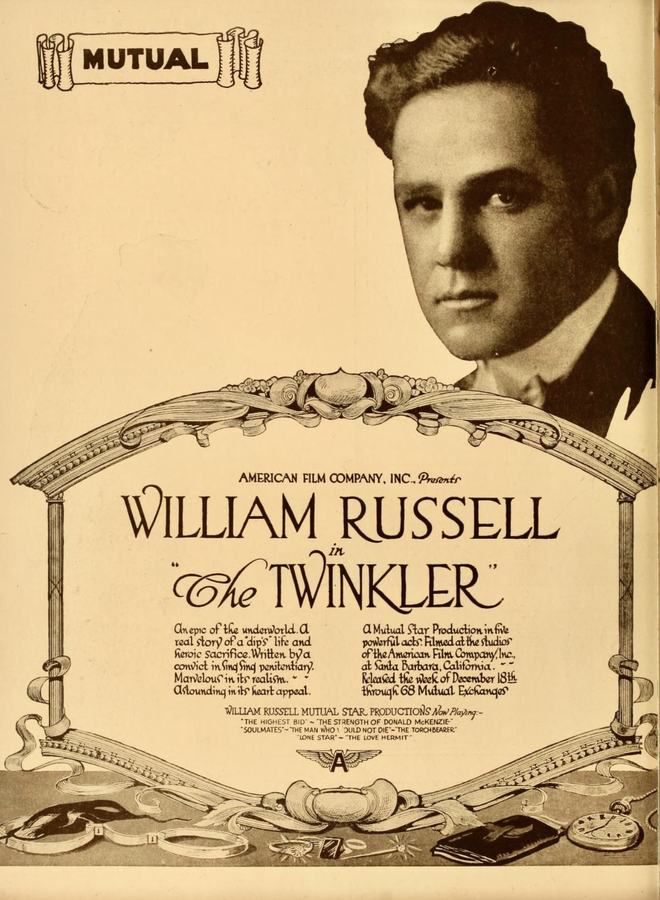
The ensuing frantic dash, navigating severed communications and relentless weather, culminates in Bob's arrival at the prison an hour after the appointed time for Rose's execution. The crushing weight of apparent failure is almost unbearable, yet it is here that Old Doc, an unassuming figure from Bob's prison past, emerges as the unexpected savior. Doc, recognizing Rose's identity and understanding the gravity of the situation, had ingeniously sabotaged the dynamo, burning out the armature and necessitating a delay. This act of loyalty, a repayment for Bob saving his life earlier in prison, is a classic deus ex machina, yet it feels earned within the melodramatic framework of the film, providing a satisfying resolution to the harrowing ordeal. The serendipity here, while extreme, is a common feature of silent-era narratives, designed to elicit maximum emotional response, much like the climactic rescues in The Phantom Riders.
The performances in 'The Twinkler' are crucial to its enduring appeal. William Spencer, as Bob, delivers a portrayal of a man tormented by his past yet driven by a powerful love. His expressions, typical of silent film acting, convey a complex emotional landscape, from determined resolve to utter despair and finally, profound relief. Charlotte Burton, as Rose, embodies the innocent heroine, her vulnerability and strength shining through as she navigates betrayal and near-execution. The supporting cast, including Clarence Burton, William Russell, and William Tedmarsh, contribute to the film's rich tapestry of characters, each playing their part in the intricate dance of fate and free will. The film's ability to maintain high tension across its runtime, despite the conventional plotting, speaks volumes about the skill of its director and performers.
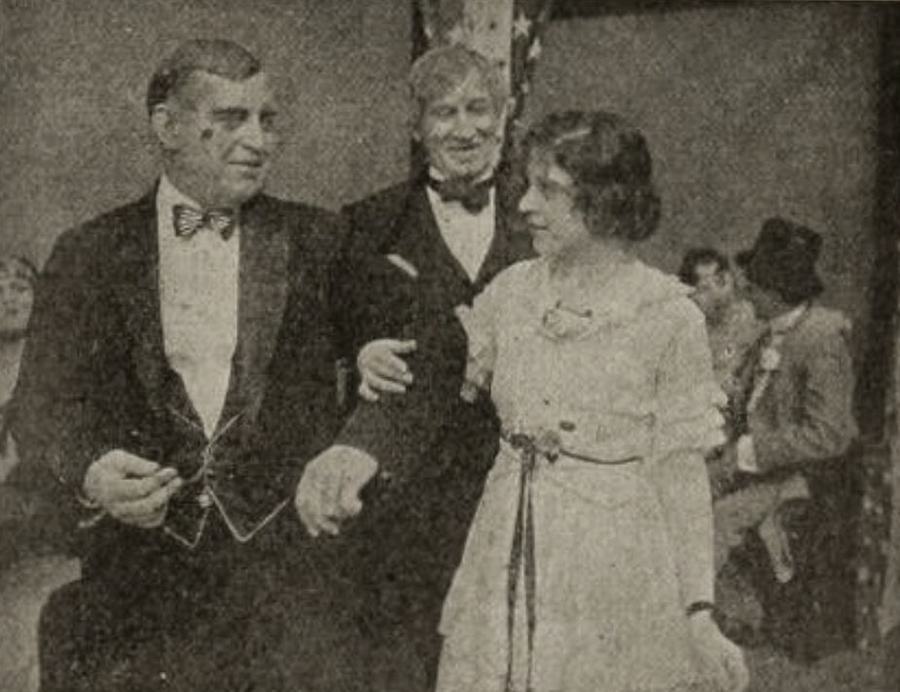
The resolution, with "The Twinkler" making a clean breast of his guilt and producing the pardon, followed by the prison officials' benevolent decision to "forget the incident," might seem overly convenient by modern standards. However, within the context of early 20th-century melodrama, it perfectly encapsulates the desire for poetic justice and the triumph of good over evil. Old Doc's smiling gaze as Bob and Rose walk free symbolizes not just their personal liberation, but the vindication of Bob's arduous journey toward redemption. This narrative choice, prioritizing emotional satisfaction over strict realism, is a hallmark of the era, seen in the optimistic conclusions of many films, even those with dark undertones, like The Innocent Lie.
Beyond its thrilling plot, 'The Twinkler' offers a subtle yet potent commentary on the nature of justice, the pervasive reach of corruption, and the possibility of second chances. It highlights how easily an individual can be entrapped by circumstance and the machinations of powerful, unscrupulous figures. Bob's struggle is not merely against external antagonists but against the societal perceptions and legal structures that threaten to define him solely by his past. The film, in its own way, advocates for empathy and understanding, suggesting that true justice sometimes requires a bending of rigid rules, and that redemption is a journey, not a destination, often requiring the kindness of strangers and the unwavering support of loved ones.
The screenplay by Henry Leverage demonstrates a keen understanding of pacing and character development, even within the constraints of silent film. The use of intertitles would have been crucial in conveying the intricate plot points and emotional nuances, guiding the audience through the labyrinthine narrative. While we may not have direct access to the specific intertitle text, their implied effectiveness in driving the story forward is evident in the plot's complexity. The film also serves as a fascinating glimpse into the cultural anxieties and moral frameworks of the early 20th century, where themes of purity, villainy, and ultimate triumph held significant sway. It shares a thematic kinship with films like The Lone Wolf, which also explored the struggles of a protagonist trying to outrun a shadowy past.
In its totality, 'The Twinkler' is more than just a historical curiosity; it is a vibrant piece of cinematic storytelling that, despite its age, still pulsates with dramatic energy. It reminds us of the power of silent film to convey profound human experiences through visual spectacle and heightened emotion. The journey of Bob and Rose, from the depths of despair to the dawn of a new, free life, is a testament to the enduring human spirit and the transformative power of love and loyalty. It stands as a compelling example of how early cinema tackled complex moral landscapes, offering audiences thrilling escapism alongside poignant social commentary. For enthusiasts of silent film and anyone interested in the evolution of dramatic storytelling on screen, 'The Twinkler' remains a captivating and rewarding watch, a truly luminous glimmer from cinema's formative years.
IMDb —
1919
Community
Log in to comment.