DbcultAccessing Vault...
Cult Review
Senior Film Conservator
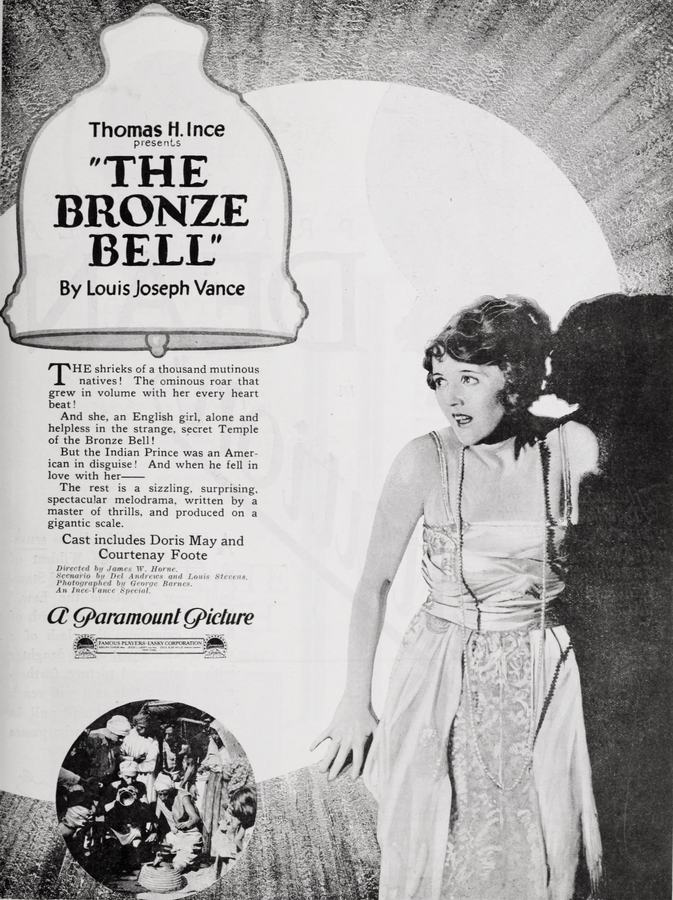
Stepping into the cinematic echoes of a century past, we encounter The Bronze Bell, a film that, even in its silent grandeur, resonates with a profound emotional complexity and a sweeping narrative ambition. Released in 1921, this adaptation of Louis Joseph Vance's compelling tale plunges us headfirst into the fervent, often brutal, landscape of 1850s British-occupied India. It’s a period piece that transcends its era, exploring themes of identity, duty, and resistance that remain startlingly relevant today. This isn't just a historical drama; it’s a psychological exploration of a soul bifurcated by heritage and expectation, a silent epic that speaks volumes.
At the heart of The Bronze Bell lies Prince Prem, portrayed with a conflicted intensity by John Davidson. His is not merely a tale of political intrigue, but a deeply personal saga. As his father, the Raja, lies on his deathbed, a final, weighty charge is laid upon the young prince: to rally the disparate forces of India and cast off the yoke of English colonial rule. This solemn vow, made in the hallowed presence of impending loss, immediately sets the stage for an internal conflict that becomes the film’s pulsating core. Prem is not wholly Indian; his lineage is a complex tapestry woven with European threads, a fact that profoundly complicates his ability to embrace the role of a revolutionary leader. This dual heritage, far from being a mere plot device, functions as a powerful metaphor for the broader cultural clashes of the era, and indeed, for the universal struggle of individuals caught between conflicting loyalties.
The film masterfully portrays the crushing weight of this inherited burden. Prem's flight to America, a desperate attempt to shed the mantle of destiny, is not an act of cowardice but a desperate plea for self-determination. He seeks obscurity, a life unburdened by the expectations of a nation or the ghosts of his ancestry. This yearning for anonymity, however, proves to be a fleeting illusion. As many narratives of fate attest, one cannot outrun one's obligations, especially when they are etched into the very fabric of one's being. This theme of unavoidable destiny echoes the stark, unyielding paths trodden by characters in films like The Darkest Hour, where protagonists are inexorably drawn into conflicts far grander than themselves, or even the more personal, yet equally inescapable, dilemmas faced in The Woman Under Oath, where moral commitments dictate an arduous course.
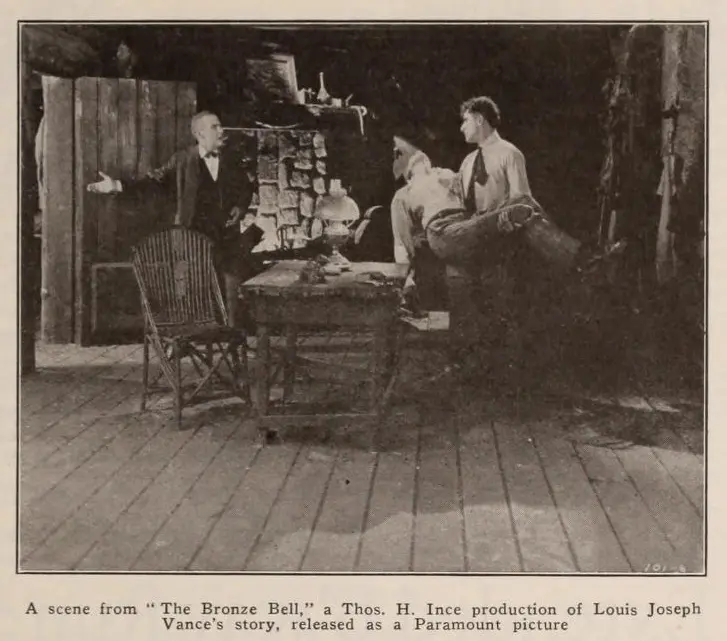
America, initially a haven of forgotten identity, soon transforms into the very crucible of Prem's reckoning. The arrival of a messenger from India, a tangible link to his past and his unfulfilled promise, shatters his carefully constructed anonymity. This pivotal encounter is a moment of profound dramatic tension, forcing Prem to confront the legacy he tried so desperately to evade. The messenger, often a stoic and unwavering figure (as portrayed by Noble Johnson, whose presence adds a quiet power), embodies the collective consciousness of a suffering nation, a living reminder of the oath sworn to a dying father. This is where the film truly begins to weave its intricate web of complications, pulling Prem back into a world he had hoped to leave behind.
The narrative, under the guidance of writers Louis Joseph Vance, Del Andrews, and Louis Stevens, avoids simplistic portrayals of good versus evil. Instead, it delves into the nuances of colonial power, the internal struggles of those caught between worlds, and the moral ambiguities inherent in any fight for freedom. While the plot synopsis hints at ensuing 'complications,' the film itself expands these into a rich tapestry of political maneuvering, personal sacrifice, and the dawning realization of leadership. It's a testament to the storytelling of the era that such intricate themes could be conveyed without spoken dialogue, relying instead on powerful visual storytelling, expressive performances, and well-crafted intertitles.
The very title, The Bronze Bell, carries a potent symbolism. While its literal presence in the plot might be subtle, metaphorically, it represents the clarion call of duty, the awakening of a sleeping nation, or perhaps even the resounding echo of a promise that cannot be silenced. It’s a powerful image, suggesting an ancient, resonant force that transcends individual desires and demands collective action. This symbolic weight gives the film an added layer of depth, inviting viewers to ponder the larger implications of its narrative.
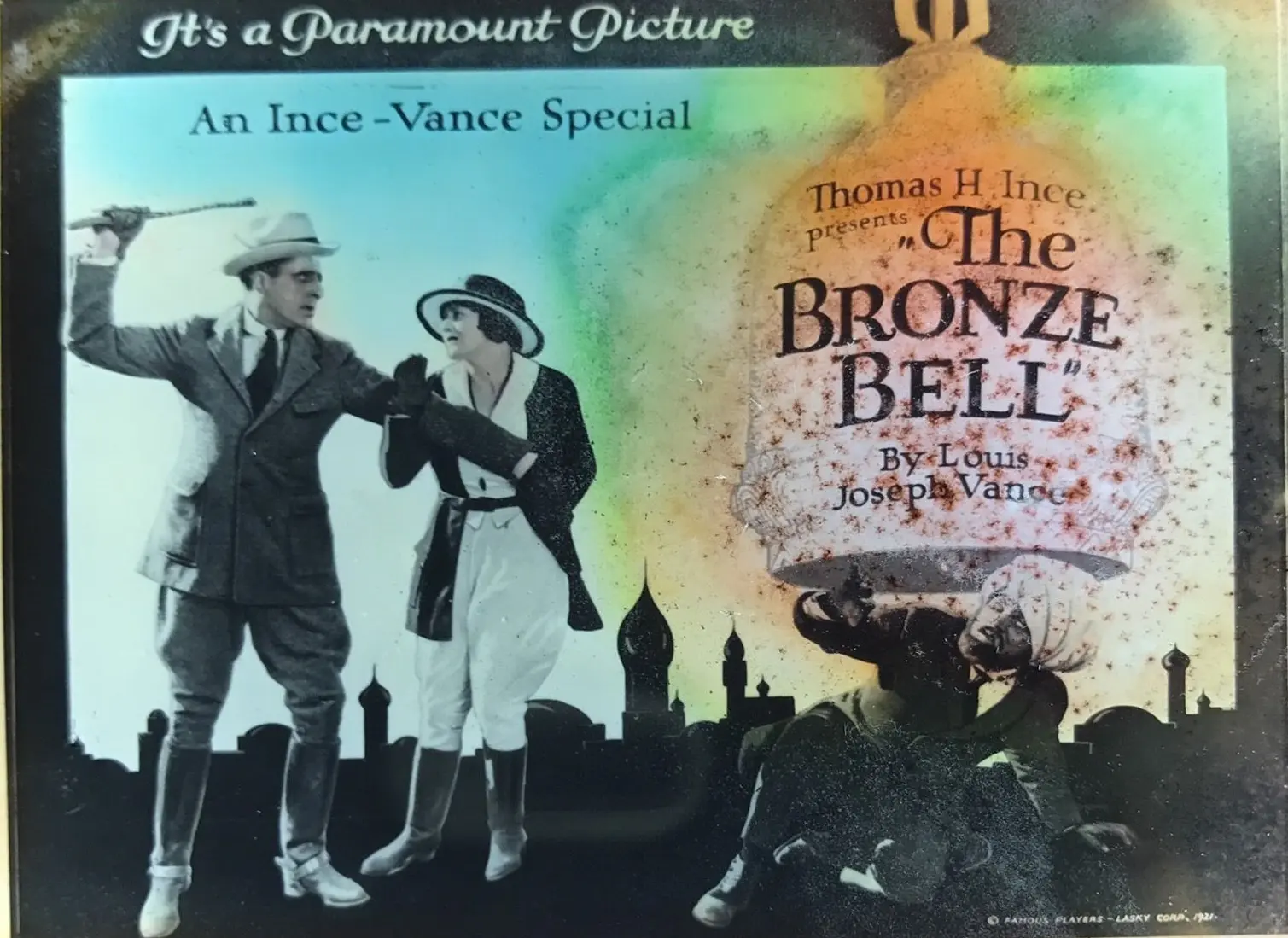
The success of a silent film hinges entirely on the expressive capabilities of its cast, and The Bronze Bell benefits from a strong ensemble. John Davidson, as Prince Prem, carries the film's emotional weight with commendable grace. His facial expressions and body language convey the internal turmoil of a man torn between his European sensibilities and his Indian heritage, between the desire for peace and the demand for revolution. It’s a nuanced performance that avoids the theatrical excesses sometimes associated with silent cinema, grounding Prem's struggle in a believable human experience.
Doris May, in her role, brings a certain vivacity and emotional anchor to the narrative, providing a counterpoint to Prem's brooding introspection. Her presence often serves as a catalyst for his decisions or a reflection of the world he attempts to embrace or escape. Noble Johnson, a prolific actor of the era, delivers a memorable performance as the messenger, his imposing stature and grave demeanor perfectly encapsulating the gravitas of his mission. His silent, unwavering presence is a constant reminder of the stakes involved, a human embodiment of Prem's inescapable past. Other cast members like Otto Hoffman, C. Norman Hammond, and Fred Huntley contribute to the rich tapestry of characters, each adding their own distinct flavor to the film's intricate plot.
The direction, likely overseen by the credited writers in the absence of a named director (a common practice in early cinema where writers often had significant creative control), ensures a steady pace and a clear narrative progression. The visual storytelling, while perhaps less flamboyant than some of the more avant-garde works of the period, is effective in conveying the grandeur of India and the stark contrast with America. The film's strength lies in its ability to marry grand historical events with intimate personal drama, a feat that requires meticulous attention to both sweeping spectacle and minute emotional detail. This balance is something many films strive for, from the character-driven narratives like Graziella to the more action-oriented The Ranger of Pikes Peak, proving that compelling storytelling transcends genre.
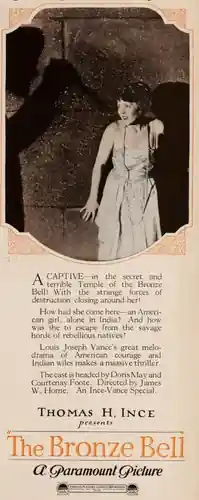
While The Bronze Bell might not possess the slapstick charm of a Convict 13 or the lighthearted escapades of Hoot Toot, its dramatic weight and thematic depth place it firmly within the pantheon of serious silent dramas. It shares a thematic kinship with films that explore rebellion and societal change, such as The Dawn of Freedom, albeit with a more nuanced protagonist. The film’s exploration of national identity and the struggle against oppression is a timeless narrative, finding resonance across cultures and generations. Even in an era of rapid global change, the questions it poses about loyalty, heritage, and the courage to lead remain profoundly pertinent.
The film’s portrayal of colonial India, while undoubtedly filtered through a Western lens, offers valuable insight into the perceptions and narratives of the time. It avoids overly simplistic caricatures, instead attempting to delve into the moral quandaries faced by both the colonizers and the colonized. The internal conflict of Prince Prem serves as a microcosm for the larger, more complex struggles of a nation grappling with its identity under foreign rule. This nuanced approach elevates The Bronze Bell beyond mere historical recreation, transforming it into a compelling study of human nature under duress.
Comparing it to other films of its era, The Bronze Bell stands out for its ambitious scope and its commitment to exploring complex ethical dilemmas. It’s less about simple heroics and more about the arduous journey of self-discovery and the acceptance of a challenging destiny. Unlike the clear-cut antagonists in films like Outlaws of the Deep, the 'villain' here is often abstract: the weight of history, the clash of cultures, and the protagonist's own internal resistance. This psychological depth is what truly sets it apart.
One cannot discuss The Bronze Bell without acknowledging the artistry of silent film itself. The absence of spoken dialogue necessitates a heightened reliance on visual cues, musical accompaniment (which would have been live in theaters), and the emotional resonance of the actors. The film's ability to convey such a rich and detailed narrative, with its layers of political intrigue and personal anguish, is a testament to the power of this unique cinematic form. The careful staging of scenes, the use of expressive close-ups, and the dramatic pacing all contribute to an immersive experience that, for contemporary audiences, offers a fascinating glimpse into a bygone era of filmmaking.
The film's enduring appeal lies in its universal themes. The struggle of an individual to reconcile their personal desires with a greater, societal duty is a narrative thread that runs through countless stories, from ancient epics to modern blockbusters. Prince Prem’s journey from reluctant exile to eventual confrontation with his fate is a powerful illustration of the idea that one's true calling often finds them, regardless of how far they attempt to flee. This narrative arc, reminiscent of the inescapable obligations seen in films like The Last Card or even the personal growth observed in It's a Great Life, underscores the timeless nature of such human dilemmas.
In conclusion, The Bronze Bell is more than just a historical artifact; it is a vibrant, emotionally charged drama that speaks to the complexities of identity, the weight of responsibility, and the enduring human spirit in the face of overwhelming odds. It serves as a potent reminder of the silent film era's capacity for sophisticated storytelling and profound character development. For anyone interested in the rich tapestry of early cinema, or indeed, in stories that delve deep into the human condition, this film offers an enthralling and thought-provoking experience, a true jewel from the dawn of filmmaking.
IMDb —
1914
Community
Log in to comment.