DbcultAccessing Vault...
5.6/10
Senior Film Conservator
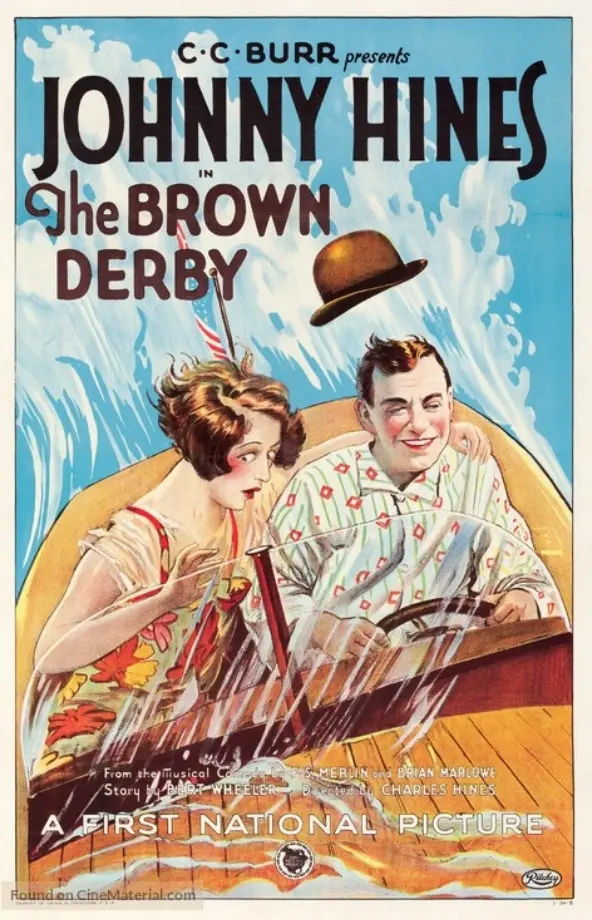
A definitive 5.6/10 rating for a film that redefined the boundaries of cult cinema. The Brown Derby remains a cornerstone of transgressive art.
Is this film worth watching today? Short answer: yes, but primarily as a frantic, high-energy artifact for those who enjoy the kinetic chaos of silent-era 'social climber' comedies. This film is for viewers who appreciate the physical comedy of the 1920s and the charm of the 'everyman' hero, but it is certainly not for those looking for the emotional depth or structural perfection found in the works of Chaplin or Keaton.
The Brown Derby occupies a strange space in cinematic history. It isn't a prestigious drama like The Salvation Hunters, nor is it a heavy-handed moral play. Instead, it is a breezy, often ridiculous exploration of the American Dream, viewed through the lens of a plumber who thinks his luck is literally sitting on top of his head.
If you are looking for a lighthearted romp that captures the aspirational spirit of the Roaring Twenties, The Brown Derby delivers. It moves at a breakneck speed, rarely stopping to breathe. However, if you find repetitive slapstick grating, you might find yourself checking the clock before the third act concludes.
This film works because: It leverages the infectious, wide-eyed energy of Johnny Hines, who manages to make a potentially annoying character deeply sympathetic through pure physical effort.
This film fails because: The central conceit—that a hat provides luck—is stretched to its absolute breaking point, leading to several sequences that feel more like filler than narrative progression.
You should watch it if: You have an interest in how early cinema portrayed class mobility and the transition from blue-collar labor to the 'nouveau riche' lifestyle.
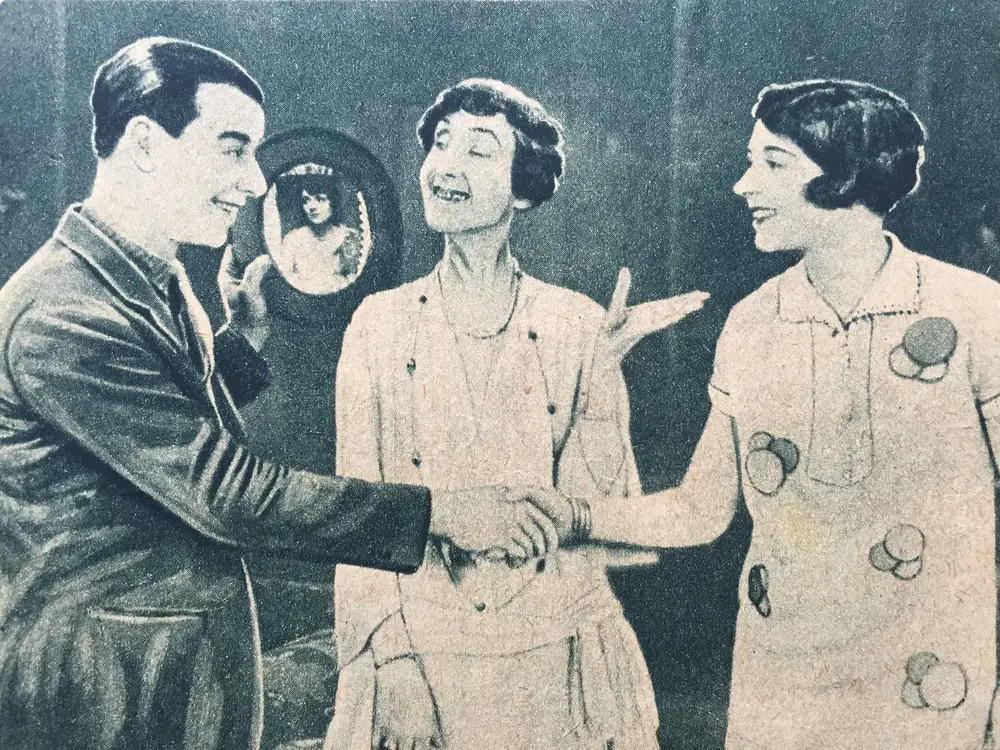
Johnny Hines was a massive star in his day, yet he lacks the enduring brand recognition of his contemporaries. In The Brown Derby, we see why. Hines isn't a stoic like Keaton or a romantic like Chaplin. He is a live wire. In the opening scene, where he is navigating a chaotic plumbing job, his movements are jagged and fast. He doesn't glide; he bounces. This energy is the film's engine.
Compare his performance here to the more grounded acting found in The Iron Man. While that film focuses on the physical toll of labor, Hines treats labor as a stage for acrobatics. There is a specific moment when Tommy first puts on the derby and walks down the street. His posture changes instantly. He goes from a slouching worker to a strutting peacock. It is a subtle but effective bit of physical characterization that sells the 'magic' of the hat better than any intertitle could.
The meat of the story involves Tommy’s infiltration of a wealthy family. This is where the film finds its biting edge. The wealthy characters, played with wonderful stiffness by the likes of J. Barney Sherry and Flora Finch, are the perfect foils for Tommy’s unrefined enthusiasm. Finch, in particular, brings the same comedic frostiness she displayed in other works of the era, acting as a human roadblock to Tommy’s happiness.
There is a dinner party sequence that stands out as the film's comedic peak. Tommy, desperate to fit in, tries to mimic the etiquette of those around him, only to have the 'luck' of the derby cause a series of escalating disasters. It’s a classic setup, but the execution is surprisingly mean-spirited. The film doesn't just want us to laugh at Tommy; it wants us to realize how ridiculous the social rules are in the first place. This thematic thread is similar to the social critiques seen in Thin Ice, though handled with much less subtlety here.
J.P. McGowan was a prolific director, and his efficiency shows here. The Brown Derby isn't trying to reinvent the visual language of cinema. It uses standard medium shots and occasional close-ups to capture the gags. However, the pacing is where McGowan shines. The film never feels stagnant. Even when the plot wanders into unnecessary subplots involving Bradley Barker’s character, the editing keeps the momentum forward.
The lighting is standard for 1926, lacking the expressionistic shadows you might find in The Silent Lie. Instead, everything is bright and flat, ensuring that every piece of physical business is clearly visible. It’s a utilitarian approach. It works. But it’s flawed. The lack of visual variety can make the longer sequences feel repetitive, especially during the extended chase scenes toward the end.
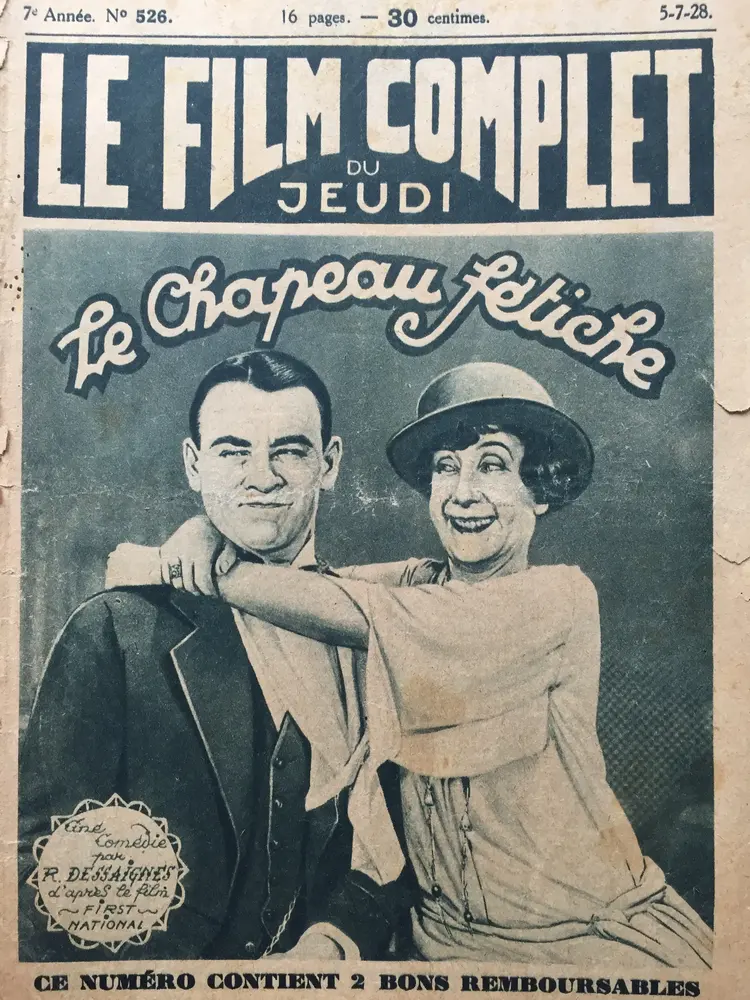
Most critics look at The Brown Derby as a simple fantasy-lite comedy. I disagree. I think the film is actually a psychological study of the placebo effect. The hat doesn't actually do anything. It is Tommy's *belief* in the hat that changes his behavior. When he wears it, he takes risks he would never take as a 'simple plumber.' This gives the film a surprisingly modern subtext about self-confidence and the stories we tell ourselves to justify our successes.
This psychological layer makes the eventual 'reveal'—that things aren't what they seem—much more impactful. It elevates the film from a mere slapstick reel to something slightly more philosophical. It asks: do we need a 'brown derby' to be the best version of ourselves? Or is the luck already there, waiting for a catalyst?
Yes, The Brown Derby is worth watching if you want to see a prime example of 1920s independent comedy production. It captures a specific cultural moment where the lines between the working class and the elite were being blurred by the booming economy. While it lacks the timelessness of the era's greatest hits, it offers a high-speed, entertaining look at a star who deserves more modern attention. It is a loud, proud, and occasionally messy piece of entertainment.
Pros:
Cons:
The Brown Derby is a fascinating, if slightly uneven, relic of the silent era. It doesn't aim for the stars, but it hits its target with surprising accuracy. Johnny Hines proves he was a formidable talent, capable of carrying a film on his shoulders—or rather, on his head. While it doesn't possess the emotional weight of Moth and Rust or the dramatic tension of The Flash of Fate, it remains a joyous example of pure entertainment. It is a film that reminds us that sometimes, all you need is a bit of confidence and a very specific hat to change your life. It’s not a masterpiece. It’s just fun. And in the world of 1926 cinema, that was more than enough.
IMDb —
1935
Community
Log in to comment.