DbcultAccessing Vault...
7.8/10
Senior Film Conservator
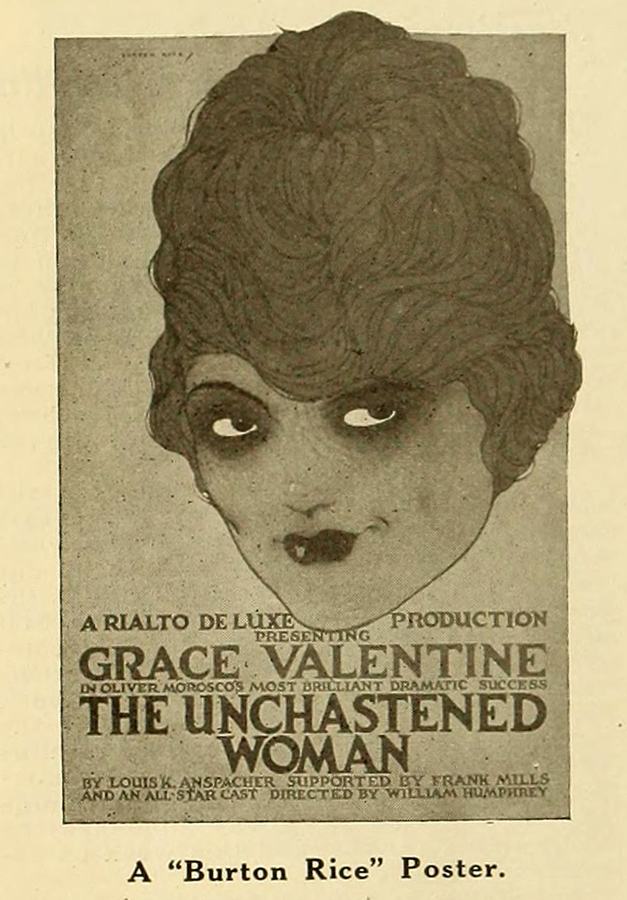
A definitive 7.8/10 rating for a film that redefined the boundaries of cult cinema. The Unchastened Woman remains a cornerstone of transgressive art.
Stepping back into the glittering, yet often restrictive, world of the early 20th century, The Unchastened Woman (1925) emerges not merely as a silent film, but as a provocative social commentary, a daring exploration of female agency and the hypocrisies simmering beneath the surface of polite society. Directed with an astute eye for human drama, this cinematic gem, based on the play by Louis K. Anspacher and adapted for the screen by William Humphrey and George Edwardes-Hall, plunges us into the morally ambiguous universe of Caroline Knolleys, a character as captivating as she is controversial. It’s a narrative that, even without spoken dialogue, resonates with a potent, unspoken defiance, challenging the very fabric of conventional morality. For those accustomed to the more overtly melodramatic flourishes of the era, this film offers a nuanced, almost chillingly modern, psychological portrait that sets it apart, compelling viewers to examine the intricate dance between personal liberty and societal constraint.
At the heart of this compelling drama is Edna Hunter’s masterful portrayal of Caroline Knolleys. Hunter imbues Caroline with a fascinating blend of charm, cunning, and an almost clinical detachment. Caroline isn't a femme fatale in the traditional sense, nor is she a victim of circumstance. Instead, she is an architect of her own amusement, a woman who derives satisfaction from testing the boundaries of social propriety without ever truly transgressing them in a way that would jeopardize her own carefully cultivated reputation. Her flirtations are not born of passion or genuine affection, but rather a calculated intellectual exercise, a game played for the sheer thrill of asserting control in a world that sought to confine women to specific, often ornamental, roles. She leverages her wealthy husband's respected name as both a shield and a weapon, a testament to her strategic brilliance. This character arc, or rather, lack thereof in terms of traditional moral redemption, is what makes Caroline so enduringly fascinating. She is, in many ways, an early cinematic whisper of the independent woman, albeit one operating within the problematic confines of her era's social games, subtly subverting expectations without resorting to overt rebellion. Her internal landscape, conveyed through Hunter's subtle expressions, suggests a profound disquiet with the superficiality of her privileged existence, seeking stimulation in the taboo.
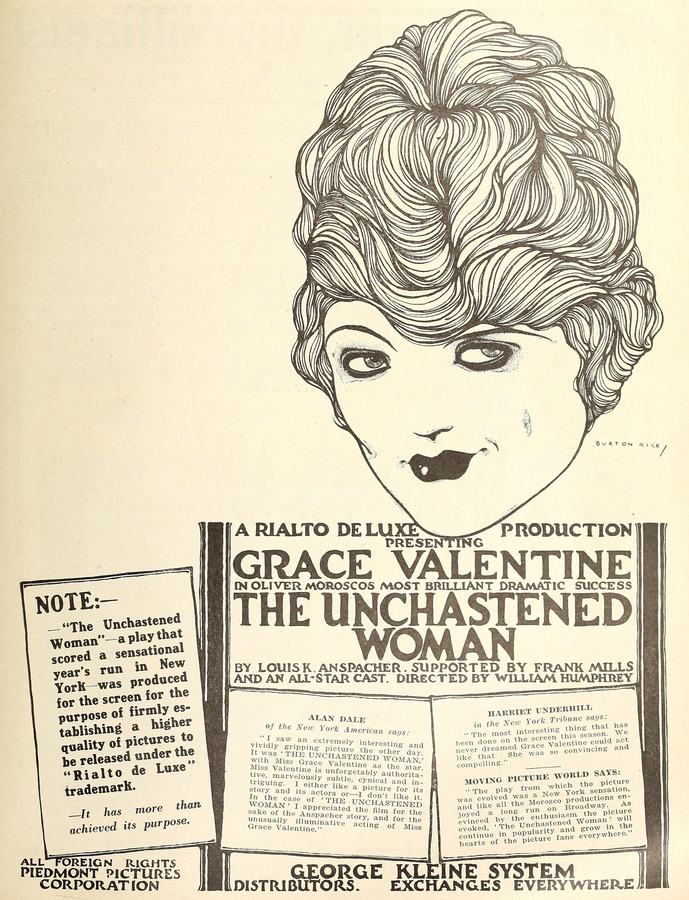
Her initial encounter with Lawrence Sanbury (Victor Sutherland) in picturesque Switzerland is depicted with a subtle chemistry that hints at the potential for something deeper, yet Caroline's motivations remain firmly rooted in intellectual curiosity rather than romantic entanglement. Sutherland's Lawrence is presented as a man of ambition, but also of a certain malleability, easily swayed by the allure of Caroline's sophisticated world. His architectural aspirations, precariously dependent on his wife Hildegard's (Grace Valentine) sacrifices, paint a portrait of a man perhaps too eager for an easier path, too susceptible to the promise of patronage and prestige that Caroline inadvertently represents. Valentine's Hildegard, in contrast, is a study in quiet strength and simmering resentment. She is the diligent, self-sacrificing spouse, bearing the financial burden through her writings, her silence a heavy cloak woven from fear and a desperate hope for her husband's future. The performances across the board contribute to a rich tapestry of human emotion, with each actor, from Mildred Rankin to Paul Panzer, Catherine Tower, and Adella Barker, delivering nuanced portrayals that belie the absence of spoken dialogue, crafting a believable ecosystem of social interactions and hidden desires.
The film excels in its depiction of societal hypocrisy, a theme that resonates powerfully throughout. Caroline's ability to maintain her 'respectability' despite her morally questionable activities highlights the superficiality of social judgment. As long as appearances are maintained, the underlying truth can be conveniently ignored. This stark contrast between outward decorum and inner turmoil is a central tension, culminating dramatically at the Sanbury dinner party. This scene is a masterclass in silent film performance and staging, a sudden, explosive rupture of carefully constructed civility. Hildegard’s public accusation, delivered before guests like Emily Madden and her fiancé Michael Krellin, is not just an act of desperation but a primal scream against the silent suffering she has endured. It’s a moment of profound courage and self-immolation, a choice to shatter her own world rather than continue to live a lie. Lawrence’s angry demand for a retraction underscores his own cowardice and preoccupation with social standing over his wife's dignity. The film, in this pivotal sequence, lays bare the devastating consequences of unchecked ego and suppressed truths, making it a compelling study of marital discord that transcends its era. Other supporting roles by Frank Mills, Mildred Manning, Jack Hopkins, and Mike Donlin, though smaller, contribute to the believable social milieu, each face a mirror reflecting the collective shock and judgment of the period.
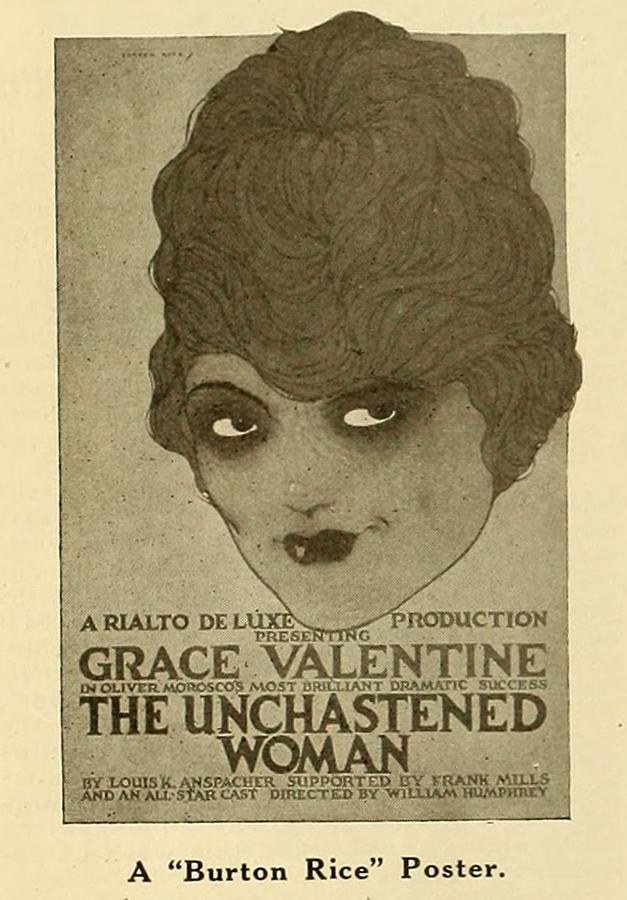
The resolution of this scene, with Caroline’s calm apology and exit, is perhaps the most audacious element of the film. She doesn't crumble, she doesn't beg for forgiveness, nor does she offer a passionate defense. Instead, she maintains her composure, a testament to her unchastened spirit. This refusal to conform to the expected penitent female archetype is what truly defines her character and gives the film its enduring edge. It's a subtle yet powerful assertion of self, even in the face of public scandal. This thematic exploration of a woman operating outside conventional moral boundaries finds a compelling parallel in films like The Black Butterfly, which similarly delved into the complex inner lives of women navigating difficult social landscapes and personal desires. Both films, in their own unique ways, spotlight the intricate dance between societal expectations and individual will, demonstrating how silent cinema could convey profound psychological depth without explicit dialogue. The sheer audacity of Caroline’s character, who exits with her head held high, challenges the very notion of what a 'fallen woman' should be, making her a truly revolutionary figure for her time.
As a silent film, The Unchastened Woman relies heavily on visual storytelling, and it delivers with remarkable finesse. The use of elaborate sets, period costumes, and expressive acting from the ensemble cast conveys the narrative's emotional depth without a single spoken word. The subtle shifts in facial expressions, the precise gestures, and the deliberate pacing of the scenes all contribute to a rich, immersive experience. The intertitles, far from being mere plot devices, often serve as pithy commentaries or reveal crucial inner thoughts, allowing the audience to delve deeper into the characters’ psychologies, offering glimpses into their unspoken anxieties and desires. The direction ensures that every frame contributes to the overarching themes of desire, deception, and the quest for personal freedom. This meticulous attention to visual detail and emotional nuance is a hallmark of superior silent cinema, elevating the film beyond a simple melodrama into a sophisticated piece of art that speaks volumes through its silence.
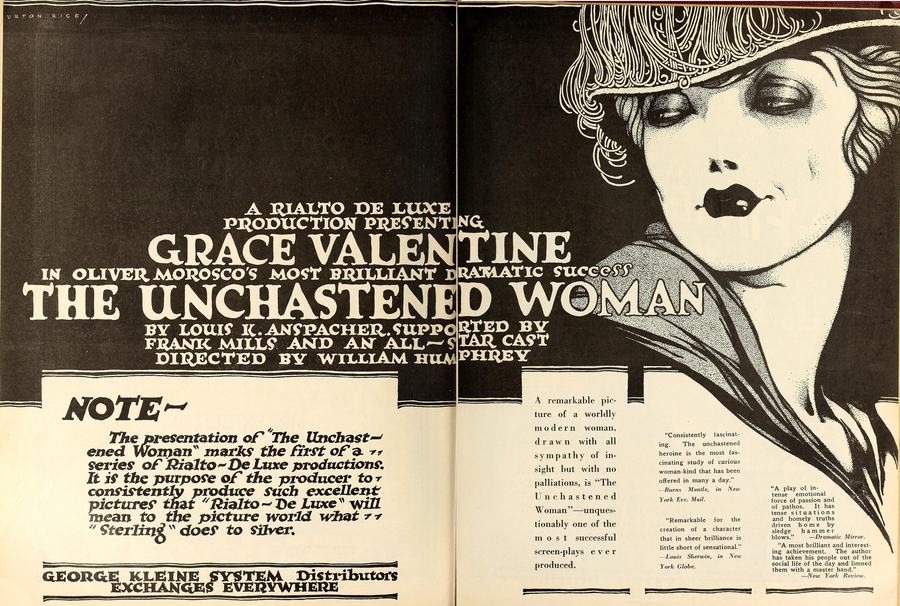
The film's exploration of marital discord and the consequences of infidelity carries a timeless quality. While the specific social mores depicted might belong to a bygone era, the underlying human emotions—jealousy, betrayal, ambition, and the yearning for respect—remain universally relatable. Hildegard's plight, caught between supporting her husband's dreams and preserving her own dignity, is a narrative thread that continues to resonate in contemporary discussions about relationships and gender roles. Similarly, Caroline’s complex motivations invite ongoing debate: is she a villain, a proto-feminist, or simply a woman bored by the constraints of her gilded cage? This ambiguity is precisely what gives the film its lasting power, inviting viewers to ponder the nature of morality and personal choice. One might draw parallels to The Man of Shame, which, though perhaps from a different cultural context, also delves into the destructive power of societal expectations and personal failings, particularly how they impact one's reputation and inner peace. Both films highlight the heavy burden of living with secrets and the eventual, often explosive, release of hidden truths, illustrating a universal struggle against societal judgment and personal integrity.
In an era when cinema was still finding its voice, The Unchastened Woman dared to present a female protagonist who refused to be neatly categorized or punished for her transgressions in a conventional manner. This makes it a significant work in understanding the evolving portrayal of women in film. It’s a testament to the foresight of its writers, Louis K. Anspacher, William Humphrey, and George Edwardes-Hall, who crafted a narrative that challenged contemporary sensibilities. The film doesn't offer easy answers or clear-cut villains; instead, it presents a nuanced portrait of human fallibility and the intricate web of social interactions. The enduring appeal of such a narrative lies in its refusal to preach, opting instead to observe and present, allowing the audience to grapple with the moral complexities on display. This sophisticated approach to storytelling is what elevates it above many of its contemporaries, positioning it as a film that, despite its silent nature, speaks volumes about the human condition, particularly the often-unseen struggles of women navigating a patriarchal world.
Comparing its thematic boldness, one might even look to films like Brændte vinger (Burnt Wings), another film that likely explored the perilous consequences of forbidden desires and the societal judgment that often accompanies them. While the cultural contexts differ, the underlying narrative of individuals testing boundaries and facing the repercussions of their choices creates a fascinating thematic dialogue. Both films, in their respective ways, serve as poignant reminders of the universal human struggle between personal longing and public expectation. Further, the chaotic emotional landscape depicted could be thematically linked to Lyubovta e ludost (Love is Madness), exploring how illicit affections can unravel lives and expose the fragile foundations of relationships. The performances, particularly Edna Hunter’s central role, are pivotal in conveying these complex emotional landscapes, making the characters feel remarkably real and multidimensional despite the inherent limitations of the silent medium. Her subtle expressions, her posture, and her very presence on screen communicate volumes, drawing the viewer into Caroline’s enigmatic world. The film is a powerful reminder that true cinematic artistry transcends dialogue, relying on the universal language of human emotion and compelling narrative. It is a film that demands to be seen, studied, and discussed, proving that some stories, particularly those about the unchastened spirit, are truly timeless.
The meticulous set designs and costume choices, overseen by the production team, are crucial in grounding the narrative in its specific period. From the opulent drawing rooms to the fashionable attire, every visual element serves to reinforce the social strata in which Caroline and the Sanburys operate. This attention to detail not only enhances the film’s authenticity but also subtly underscores the superficiality of the world it depicts. The characters are, in many ways, products of their environment, constrained and defined by its expectations, even as Caroline defiantly seeks to transcend them. The dynamic between Lawrence Sanbury and Hildegard is a microcosm of broader societal issues, illustrating how economic pressures can intertwine with personal desires to create a volatile domestic situation. Hildegard's initial silence, driven by fear of losing Caroline's 'patronage' for Lawrence's career, is a stark commentary on the power dynamics at play, where social connections could dictate professional fortunes. Her eventual outburst, therefore, is not just an emotional breakdown but a profound rejection of this transactional reality, a desperate reassertion of her own worth and moral boundaries, a seismic shift that reverberates through the polite society she has long endured.
The dramatic climax, where Hildegard exposes the affair, is handled with a tension that builds inexorably, reminiscent of a tightening coil. The reactions of the assembled guests—from shock to discomfort—are vividly conveyed through their expressions and body language, highlighting the fragility of social veneers. Caroline’s response, measured and apologetic, yet devoid of true contrition, is the film’s final, audacious statement on her character. She is not humbled; she is merely acknowledging the rules of the game she has played, and gracefully exiting the stage when her performance is no longer tenable. This act of self-possession, rather than a retreat into shame, solidifies her as an unforgettable figure in early cinema, embodying a nuanced defiance that challenges simplistic moral judgments. The film’s lasting impact stems from its courage to present such a complex, morally ambiguous female lead, defying easy categorization and challenging audiences to look beyond simple judgments. It’s a potent reminder of the silent era's capacity for sophisticated psychological drama and social critique, proving that a lack of spoken words does not equate to a lack of profound meaning. The contributions of the entire cast, including Frank Mills, Grace Valentine, Mildred Manning, Jack Hopkins, and Mike Donlin, ensure that the world of 'The Unchastened Woman' feels fully realized and historically resonant, making it a powerful and relevant viewing experience even today, a testament to the enduring power of silent storytelling to illuminate the complexities of the human spirit.
IMDb 7.5
1934
Community
Log in to comment.