DbcultAccessing Vault...
Cult Review
Senior Film Conservator
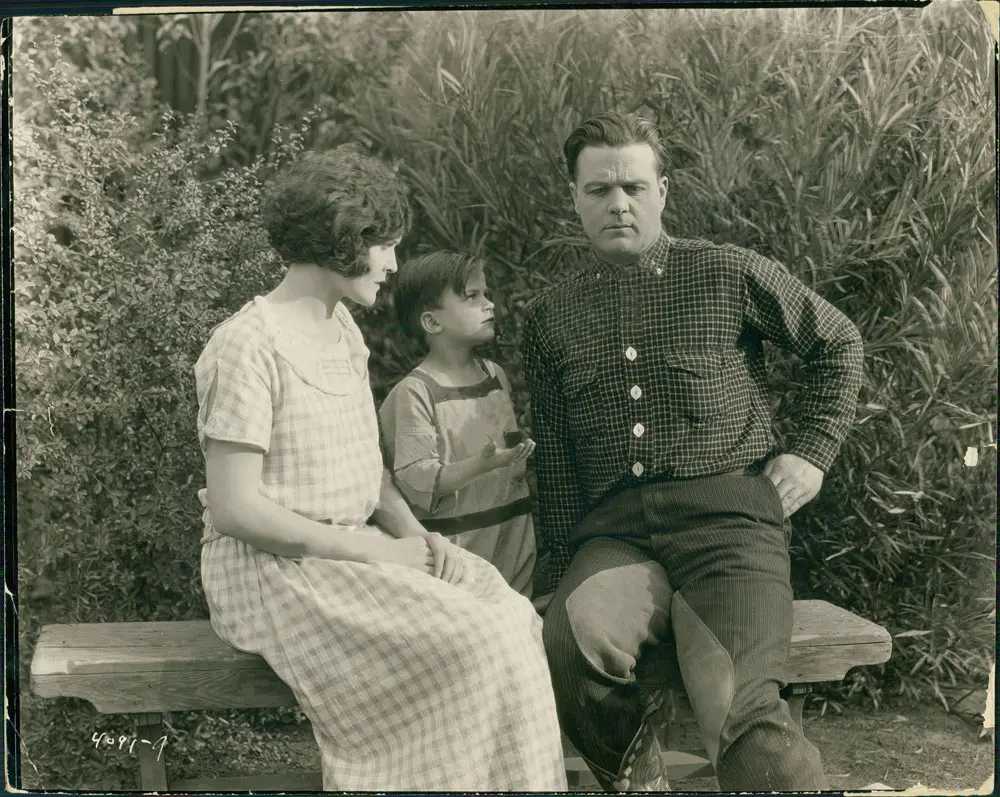
The film “The Bull Tosser”, directed with a blend of humor and drama, follows the whimsical and often absurd journey of Pete, a cowboy whose tales of heroic deeds are so far-fetched that they border on the unbelievable. Played with vivacity by Jack Morgan, Pete is a character whose life is a constant dance between truth and myth. His friends and family, particularly his sweetheart, are often bemused by his perpetual exaggerations, which only serve to highlight the stark contrast between his stories and his actual shortcomings.
Set against the backdrop of a quaint, idyllic American West, the narrative delves into the intricate nature of how we construct our realities through narratives, whether truthful or fictional. Pete’s life is marked by a series of events that challenge his habitual mendacities. When his sweetheart is kidnapped by a bandit, her treatment of him with contempt is not merely souring but a reflection of her growing weariness with his tales. This turning point, however, becomes the catalyst for a profound transformation in Pete.
As Pete embarks on a rescue mission, his actions, though initially driven by a mix of desperation and duty, begin to reveal a deeper sincerity. The film masterfully juxtaposes Pete’s earlier exaggerations with the gravity of the situation, creating a narrative that is both comedic and deeply affecting. The shift in Pete’s character is not merely a transformation but a recognition of the value of truth and the profound impact it can have on one’s life and relationships.
The film’s screenplay, penned by William E. Wing, is a testament to the power of storytelling. It weaves a complex narrative that is as much about the nature of truth as it is about the human condition. The dialogue is sharp and witty, enhancing the humor in Pete’s exaggerated tales while also underlining the gravity of his actions. The supporting cast, including Stanhope Wheatcroft and Elinor Field, add depth to the story, supporting Pete’s journey with their own nuanced performances.
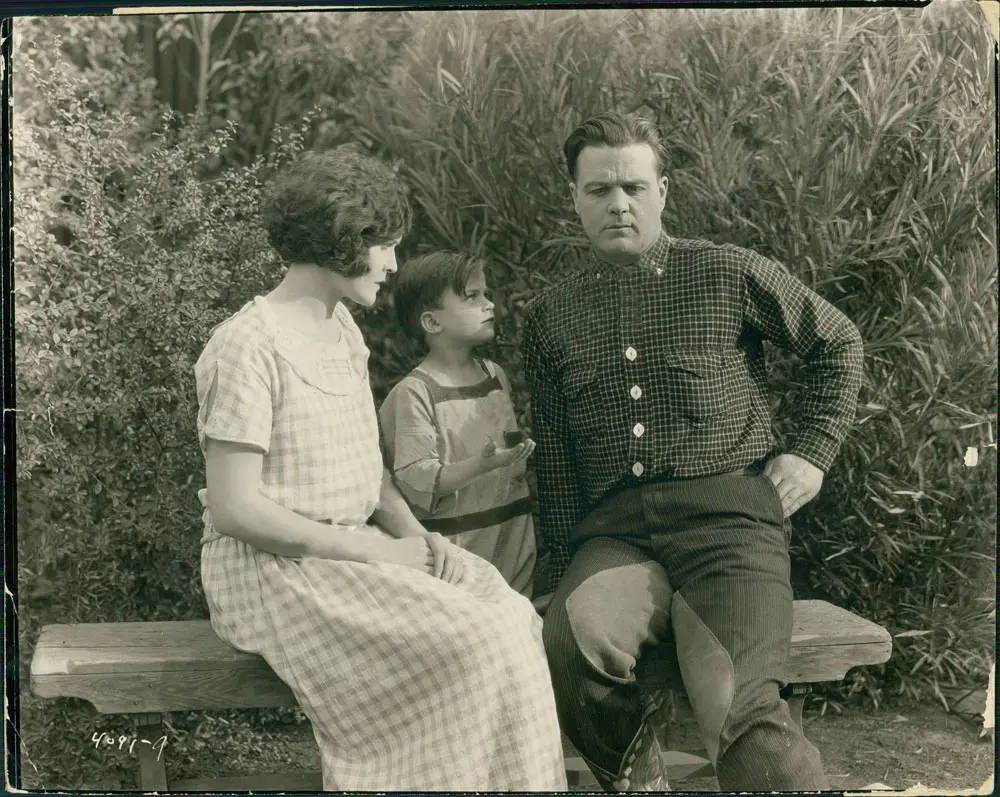
Visually, “The Bull Tosser” is a delight, capturing the essence of the American West with meticulous detail. The cinematography is a blend of the picturesque and the dramatic, perfectly capturing the vast landscapes and the emotional turmoil of the characters. The use of color, particularly in the scenes depicting Pete’s exaggerated stories, serves to highlight the fantastical nature of his tales, creating a visual contrast between the real and the imagined.
One of the most compelling aspects of the film is how it challenges the audience to question the nature of truth. Pete’s journey is a poignant exploration of how we perceive and construct our realities. It is a film that invites viewers to reflect on the stories we tell ourselves and the stories we tell others. The film’s conclusion, where Pete’s sweetheart expresses a preference for his lies, is both a humorous and a profound moment, underscoring the complex relationship between truth and storytelling.
In the context of early 20th-century cinema, “The Bull Tosser” stands out as a unique and thought-provoking film. It shares thematic elements with films like “Love’s Redemption” and “The Sign of the Rose”, which also explore the dynamics of truth and deception. However, its focus on the journey of a character from a habitual liar to a truthful hero sets it apart, making it a fascinating study in the power of storytelling and the human capacity for transformation.
Overall, “The Bull Tosser” is a film that rewards close attention and multiple viewings. It is a testament to the enduring power of storytelling and the complex interplay between truth and fiction. Whether you are a fan of early cinema or simply enjoy a good narrative that challenges and entertains, this film is a must-see. Its exploration of the human condition through the lens of a cowboy’s journey is both humorous and deeply moving, making it a standout in the annals of early American cinema.
IMDb 6
1935
Community
Log in to comment.