DbcultAccessing Vault...
6.6/10
Senior Film Conservator
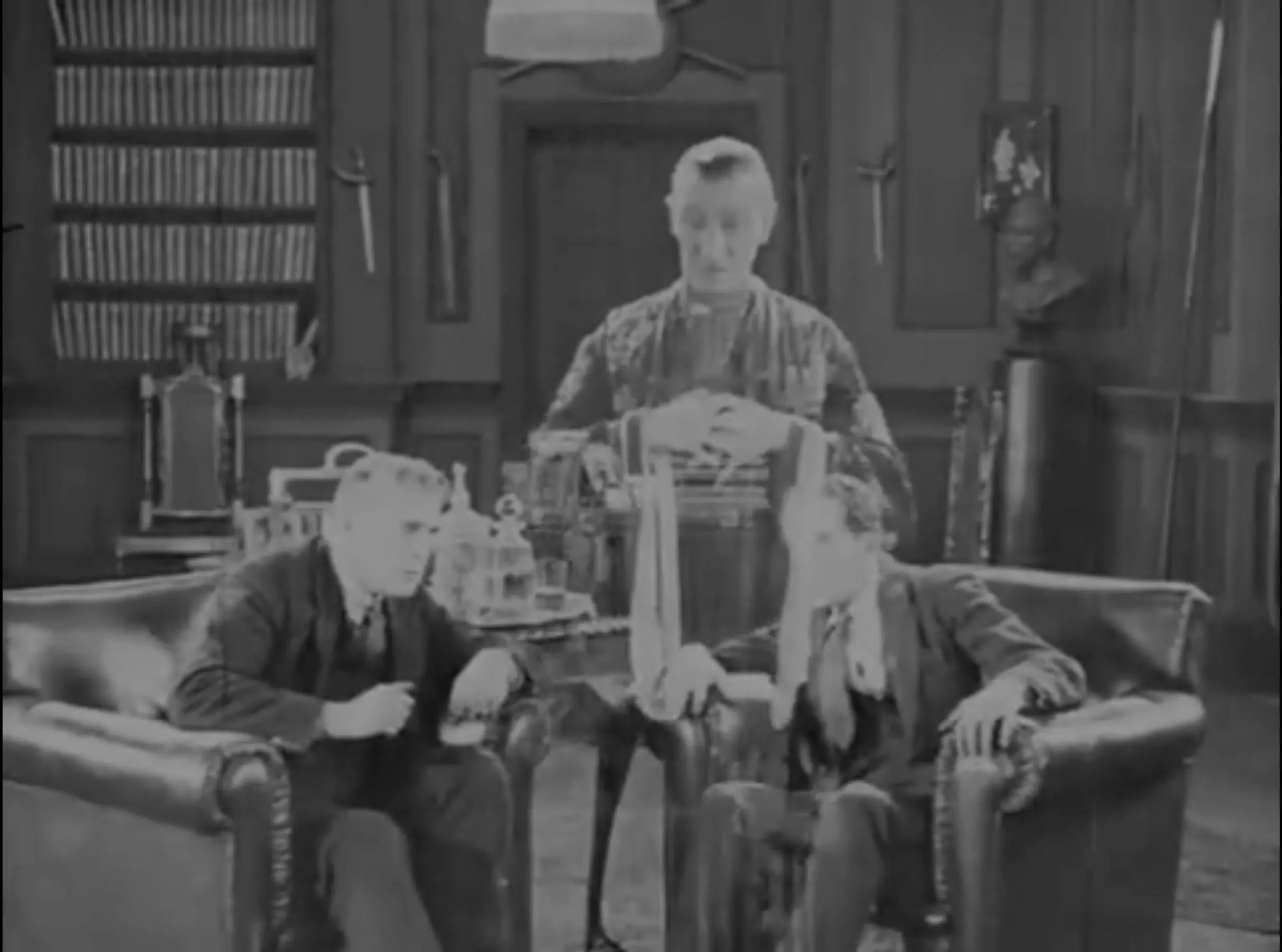
A definitive 6.6/10 rating for a film that redefined the boundaries of cult cinema. The Call of Siva remains a cornerstone of transgressive art.
When the opening credits dissolve into a veil of inky darkness, the audience is immediately aware that *The Call of Siva* does not merely continue a serial; it amplifies the stakes to a fever‑pitch that feels almost operatic. The film’s opening tableau—a storm‑riven coastline where a lone boat battles the surf—serves as a visual metaphor for the protagonists’ impending plunge into Fu‑Manchu’s abyssal world.
H. Agar Lyons, embodying the stoic yet world‑weary Nayland Smith, delivers a performance that oscillates between restrained British decorum and a simmering undercurrent of desperation. His eyes, often narrowed against the flickering torchlight, convey a silent dialogue with the audience: a promise that he will not surrender, no matter how the serpents coil around his resolve.
Opposite him, Humberston Wright’s Petrie provides the essential counter‑balance of levity and loyalty. Wright’s subtle inflections—particularly his dry, sardonic quip moments before a spider descends—inject a humanizing breath into a narrative that could otherwise drown in its own menace.
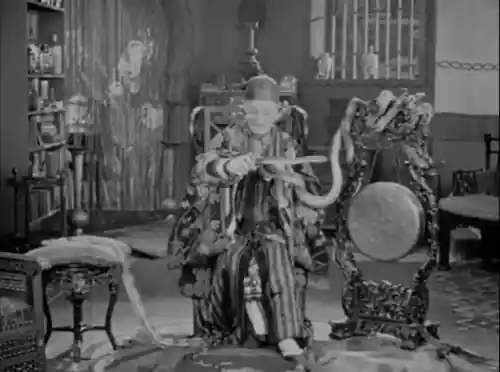
Fred Paul’s Dr. Fu‑Manchu is a study in theatrical villainy. He moves with a predatory grace, his silhouette often framed against a backdrop of dripping water and rusted iron, reinforcing the image of a mastermind who thrives in the liminal space between science and sorcery. The infamous "wire jacket"—a lattice of gleaming steel that tightens like a vice—becomes an extension of his character, a physical manifestation of his desire to dominate both body and spirit.
Joan Clarkson’s heroine, whose name remains deliberately ambiguous to preserve the archetypal "damsel‑in‑distress‑turned‑resourceful‑ally" trope, is far from a passive figure. In the scene where she discovers a hidden alcove containing a rusted key, her eyes flash with a mixture of fear and cunning, hinting at a backstory that the script only teases. Clarkson’s nuanced performance ensures that she is not merely a plot device but a catalyst for the episode’s climactic reversal.
The screenplay, penned by Sax Rohmer, Frank Wilson, and A. E. Coleby, is a tapestry of interwoven threats. The pythons, described in the script as "living cords of death," slither with a deliberate menace that is amplified by the film’s sound design—each hiss echoing like a whispered warning. The spiders, meanwhile, are introduced with a close‑up that lingers just long enough to make the viewer’s skin prickle, a technique reminiscent of the tension‑building shots in Blind Husbands.
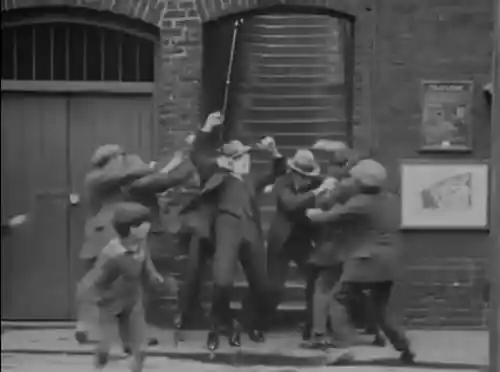
Visually, the cinematography employs chiaroscuro lighting to great effect. Shadows dominate the frame, swallowing corners and creating a sense of claustrophobia that mirrors the protagonists' entrapment. The occasional burst of the sea‑blue hue (#0E7490) in the lantern light provides a fleeting respite, a visual sigh before the next wave of terror crashes.
One cannot discuss *The Call of Siva* without acknowledging its meticulous set design. The underground chambers, lined with ancient stone and interspersed with rusted machinery, evoke a sense of forgotten empire—a place where Dr. Fu‑Manchu’s scientific perversions have taken root. The set’s texture is further enhanced by the strategic use of the dark orange (#C2410C) in the rusted metal, a color that subtly underscores the corrosive nature of the villain’s ambitions.
When the narrative reaches the "wire jacket" sequence, the tension reaches a crescendo. The camera circles the contraption as it tightens, each metallic click resonating like a metronome counting down to inevitable doom. Smith’s struggle against the tightening steel is captured in a series of rapid cuts, interspersed with close‑ups of his clenched jaw and the beads of sweat forming on his brow. The scene is a masterclass in kinetic editing, reminiscent of the relentless pacing found in The Crucible.
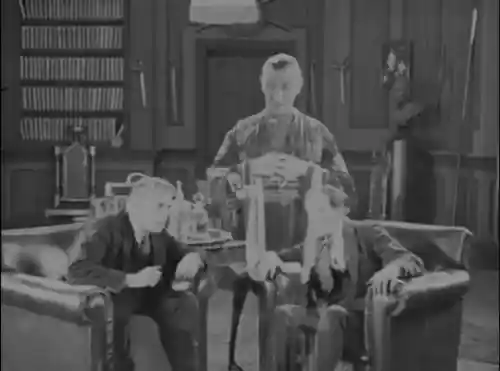
Yet, amid the relentless peril, the film offers moments of quiet introspection. A brief interlude where Smith and Petrie share a whispered recollection of a distant home provides emotional depth, reminding the viewer that these characters are more than mere pawns in Fu‑Manchu’s game. This fleeting humanity is what elevates the episode beyond a simple adventure serial.
The soundscape deserves special mention. The low, rumbling drone that underpins the snake‑infested chambers creates an auditory pressure that is palpable. When a spider descends, the sudden, high‑pitched screech of its legs against the stone pierces the silence, a sound design choice that echoes the startling moments in Pawn of Fate.
Comparatively, while Der Geheimsekretär leans heavily on espionage intrigue, *The Call of Siva* embraces a more visceral horror aesthetic. The film’s willingness to place its heroes in direct, bodily danger—rather than merely outwitting an opponent—marks a distinct tonal shift that anticipates later genre hybrids.
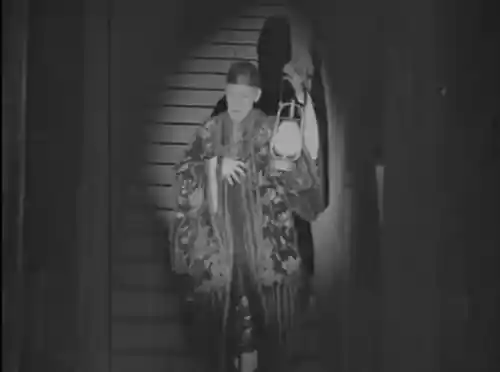
From a thematic perspective, the episode explores the dichotomy between civilization and savagery. Dr. Fu‑Manchu, a figure who masquerades as a learned scholar, employs primal methods—snakes, spiders, and constricting steel—to assert dominance. This juxtaposition is underscored by the recurring visual motif of the sea‑blue lantern, a fragile beacon of rationality flickering against the encroaching darkness.
The film’s pacing is deliberately measured. Early scenes linger on the oppressive atmosphere, allowing tension to build organically. Mid‑episode, the tempo accelerates as the protagonists navigate a maze of traps, each encounter more inventive than the last. By the climax, the rhythm becomes almost frantic, mirroring the characters’ racing heartbeats.
In terms of performance nuance, Frank Wilson’s supporting role as the enigmatic informant adds a layer of intrigue. His delivery—soft, conspiratorial—creates a sense of mystery that lingers long after his brief appearance, hinting at a larger network of resistance against Fu‑Manchu’s empire.
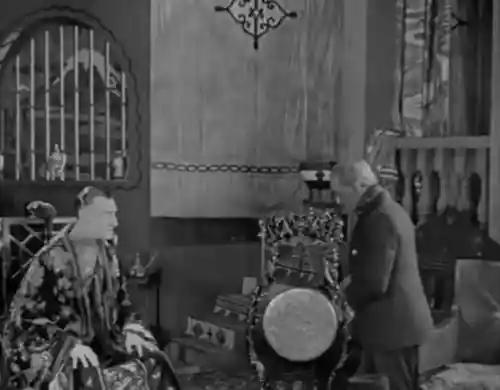
The script’s dialogue, while occasionally stilted by period conventions, contains flashes of wit. Smith’s retort to Fu‑Manchu—"Your serpents may coil, but they cannot bind my resolve"—captures the character’s indomitable spirit while providing a memorable line that resonates with the audience.
Visually, the film’s use of colour is restrained yet purposeful. The dark orange of the rusted wires, the yellow glint of lantern flames, and the sea‑blue of the water all serve as visual anchors, guiding the viewer’s eye through the labyrinthine set. These hues, set against the stark black backdrop, create a palette that feels both timeless and eerily contemporary.
When the final confrontation unfolds, the choreography of movement is precise. Smith, freed from the wire jacket by a sudden burst of ingenuity—using a hidden blade to sever the steel—turns the tables on Fu‑Manchu. The ensuing struggle is a ballet of desperation, each blow punctuated by the echoing clang of metal.
Ultimately, *The Call of Siva* succeeds not merely as an episode of a serial but as a self‑contained work of suspense cinema. Its blend of exotic menace, character-driven drama, and meticulous craftsmanship renders it a standout entry in the early thriller canon.
For modern viewers seeking a glimpse into the evolution of genre filmmaking, this episode offers a rich tapestry of influences—from the atmospheric dread of early horror to the intricate plotting of classic espionage. It stands as a testament to the enduring allure of a well‑crafted villain and the heroes who dare to confront him.

IMDb —
1919
Community
Log in to comment.