DbcultAccessing Vault...
6/10
Senior Film Conservator
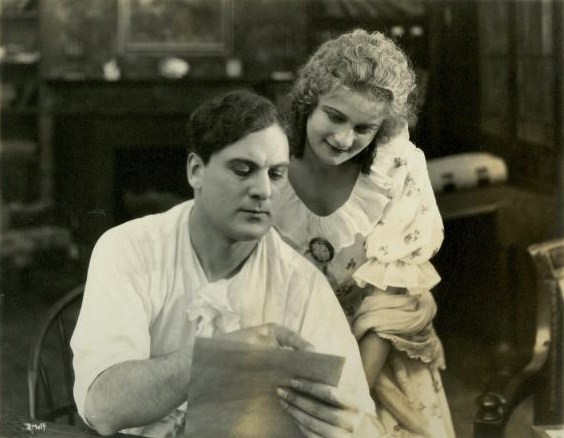
A definitive 6/10 rating for a film that redefined the boundaries of cult cinema. Pudd'nhead Wilson remains a cornerstone of transgressive art.
Mark Twain, that unparalleled chronicler of the American soul, bequeathed to us a narrative tapestry woven with threads of the profound, the absurd, and the tragically human. His novel, 'Pudd'nhead Wilson,' translated to the screen, stands as a stark, uncompromising mirror held up to the foundational hypocrisies of a society grappling with its own definitions of identity and worth. This cinematic rendition, a poignant echo of the original text, demands our attention not merely as a historical artifact, but as a timeless examination of the constructs that bind and break us. It's a film that eschews easy answers, preferring instead to linger in the discomfort of moral ambiguities and the crushing weight of societal expectation.
At its core, 'Pudd'nhead Wilson' is a story of a single, desperate act reverberating through generations. We are introduced to Roxana, a quadroon slave, whose light complexion belies her enslaved status, yet cannot shield her infant son from its harrowing implications. In a moment of audacious, heartbreaking pragmatism, she swaps her own baby, Valet de Chambre, with the master's pure-blooded heir, Thomas à Becket Driscoll. This clandestine exchange, executed with the terrifying simplicity of a mother's love and fear, forms the narrative's pulsating heart. The film meticulously tracks the parallel, yet diametrically opposed, trajectories of these two infants: one, raised as the privileged 'Tom,' pampered and spoiled, growing into a dissolute, morally bankrupt young man; the other, 'Chambers,' enduring the physical and emotional rigors of servitude, yet retaining a core of innate decency and strength. It's a testament to the film's nuanced portrayal that we witness the insidious corruption of power and the resilience forged in adversity, all stemming from a single, desperate maternal gamble.
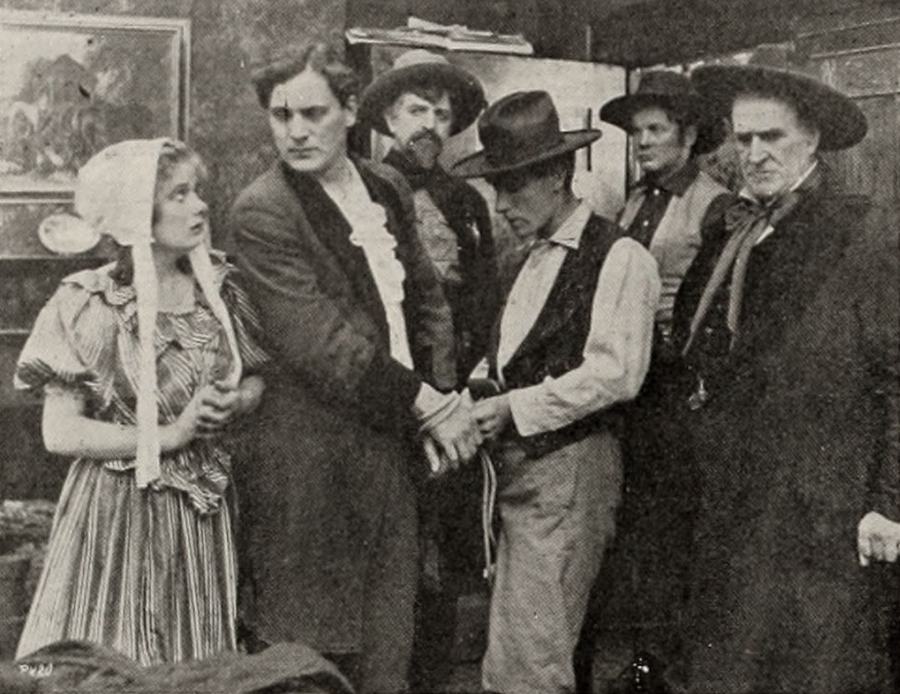
The performances in these early, formative years are crucial, even if often implied or seen through the lens of their adult consequences. The ensemble cast, featuring talents like Ernest Joy, Alan Hale, and Florence Dagmar, navigate the delicate balance of creating characters who are products of their environment, yet possess an undeniable inner life. Gertrude Kellar's portrayal of Roxana, though perhaps limited by the cinematic conventions of its era, carries the immense weight of her character's impossible choice, her silent suffering speaking volumes. This initial conceit, while seemingly straightforward, unravels a profound philosophical debate: is identity determined by bloodline or by upbringing? The film, like Twain's novel, leans heavily towards the latter, demonstrating how environment can twist and shape a soul, regardless of its genetic provenance.
Into this simmering cauldron of societal deceit steps David Wilson, the titular 'Pudd'nhead.' Portrayed with a compelling blend of eccentricity and underlying brilliance, he is a character initially ostracized by the provincial denizens of Dawson's Landing for his seemingly nonsensical pronouncements and peculiar hobbies. His fascination with fingerprints, an nascent science at the time, is dismissed as the ramblings of a simpleton, earning him his unfortunate moniker. Yet, it is precisely this overlooked 'pudd'nhead' who holds the key to unlocking the truth. His meticulous, almost obsessive, collection of fingerprints from every resident, including the two swapped infants, becomes the narrative's ticking clock, a silent promise of future revelation. Thomas Meighan, in a role that could easily devolve into caricature, imbues Wilson with a quiet dignity and an almost prescient understanding of human nature, even as he's underestimated by his peers. His character represents the triumph of empirical evidence and rational thought over ingrained prejudice and superficial judgment, a beacon of justice in a town mired in its own self-deception.
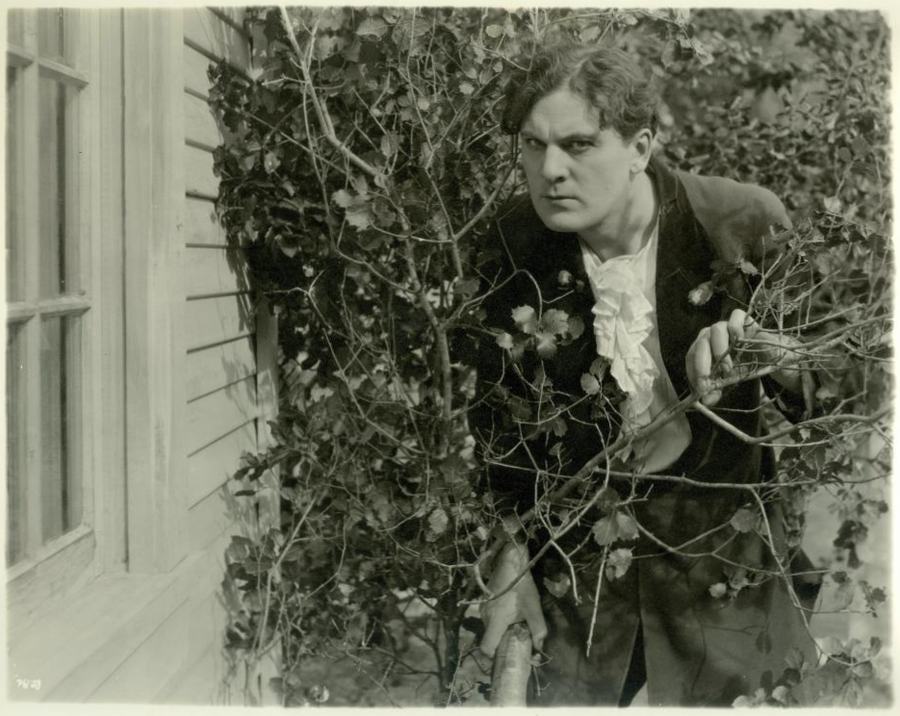
The film's pacing, while reflective of early cinematic styles, builds a palpable tension around this slow burn towards discovery. The audience, privy to the secret from the outset, watches with a growing sense of dread and anticipation as Tom's depravity escalates and Chambers endures his unjust fate. The narrative doesn't rush to its reveal; instead, it savors the dramatic irony, allowing the audience to fully appreciate the profound implications of the eventual unmasking. This deliberate pace allows for a deeper contemplation of the film's themes, echoing the narrative structure found in other morally complex dramas of the era that explored justice and societal norms, albeit often with less biting social commentary. For instance, while The Chalice of Courage might touch on moral fortitude, it lacks the systemic critique inherent in Twain's work.
Twain's genius, faithfully rendered in this adaptation, lies in using a seemingly simple plot device to dissect the intricate pathologies of a prejudiced society. The film is less about the act of switching babies and more about what that act exposes: the arbitrary, often cruel, nature of racial and class distinctions. Tom, despite his biological heritage, embodies the worst traits attributed to the 'white trash' stereotype by the very society that elevated him. Chambers, the true white heir, is relegated to a life of servitude, absorbing the 'slave' identity simply because of his perceived status. This stark juxtaposition is the film's most potent commentary. It challenges the very notion of inherent superiority or inferiority based on race, arguing instead that societal conditioning and opportunity are the true architects of character.
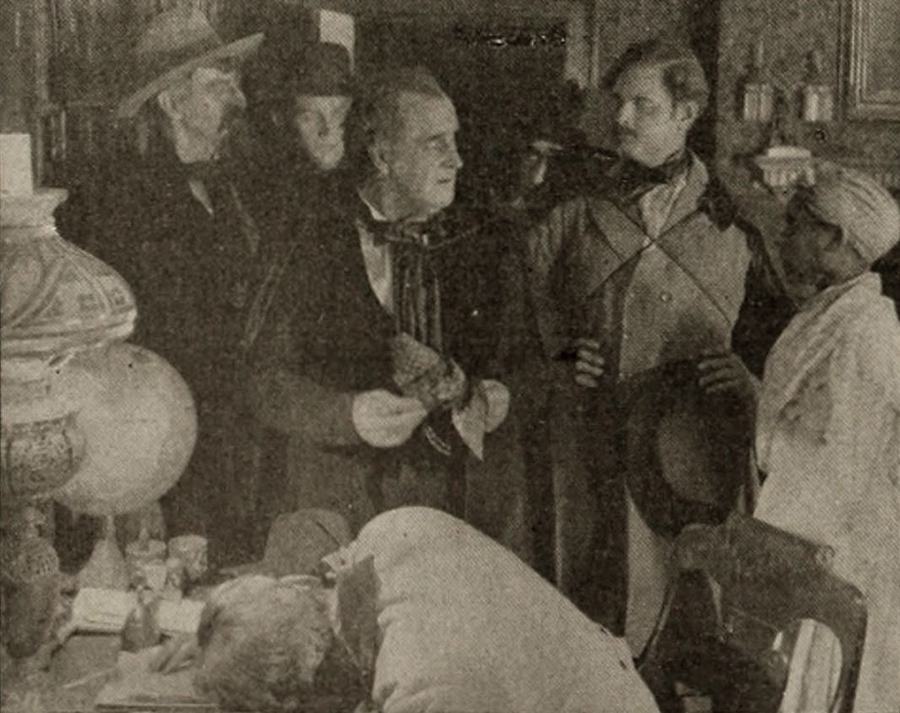
"The film's unflinching gaze at the insidious nature of inherited status and the devastating consequences of societal prejudice remains as relevant today as it was in Twain's era."
The legal drama that unfolds in the film's climax is not merely a plot device for revelation; it is a profound critique of the justice system itself. The initial trials and tribulations faced by various characters, often influenced by their social standing rather than genuine culpability, highlight how deeply entrenched biases can skew the pursuit of truth. When Pudd'nhead Wilson finally presents his irrefutable evidence – the fingerprints – it's a moment of shattering clarity, not just for the characters within the narrative, but for the audience reflecting on the fallibility of human judgment. The courtroom scenes, though perhaps constrained by early cinematic techniques, carry an immense emotional weight, as the truth, long suppressed, finally bursts forth.
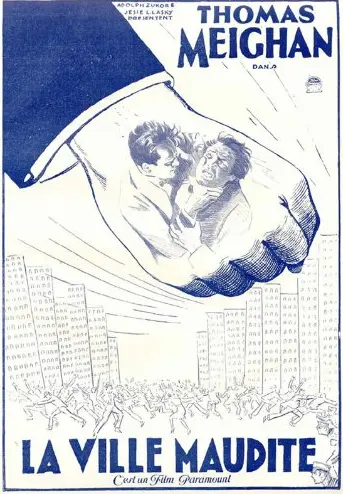
The cast, though working within the stylistic confines of early cinema, largely succeeds in translating Twain's complex characters to the screen. Theodore Roberts' portrayal of Judge Driscoll, for instance, encapsulates the rigid, honor-bound, yet ultimately flawed, patriarch of the era. Jane Wolfe and Thomas Meighan, in their respective roles, contribute to the tapestry of Dawson's Landing, each character, no matter how minor, feeling like a vital thread in the narrative. The film, in its depiction of Tom's moral decay, offers a particularly compelling, if disturbing, character study. His transformation from a spoiled brat to a desperate, murderous villain is rendered with a persuasive conviction that speaks volumes about the corrosive effects of unchecked privilege and a complete absence of moral compass.
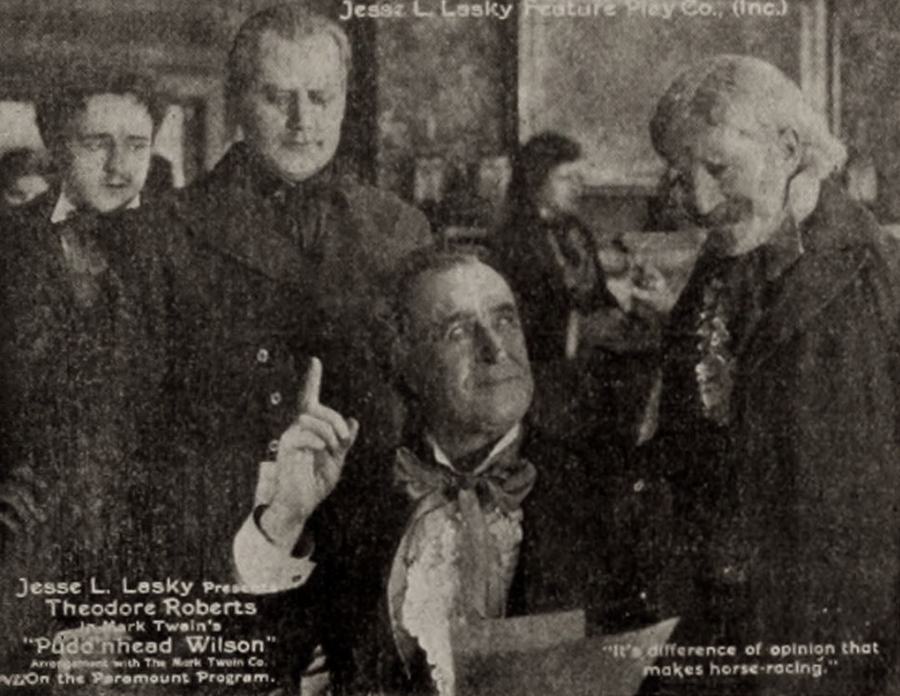
It is in the subtleties of these performances, the unspoken glances, the posture, the reactions to unfolding events, that the true artistry of this adaptation lies. They manage to convey the internal struggles and societal pressures without the benefit of extensive dialogue or modern cinematic techniques. This demands a nuanced understanding of character and a powerful screen presence, which the cast largely delivers. The film's strength is its ability to make us empathize with the plight of Chambers, even as we condemn Tom's villainy, and to appreciate the quiet genius of Pudd'nhead Wilson, even as the townspeople mock him. This human element is what elevates the film beyond a mere historical curiosity.
Adapting Mark Twain is no small feat. His prose is rich with satire, irony, and a deep understanding of human foibles. Margaret Turnbull, credited as a writer, faced the formidable challenge of distilling this literary masterpiece into a visual narrative. The film, while perhaps simplifying some of the novel's more intricate philosophical digressions, retains the core essence of Twain's critique. It captures the suffocating atmosphere of a society bound by archaic rules and prejudiced assumptions, where appearances often trump reality. The cinematic language of the time, relying heavily on tableau and dramatic staging, serves to emphasize the weighty themes, allowing the gravity of the situation to unfold with deliberate solemnity.
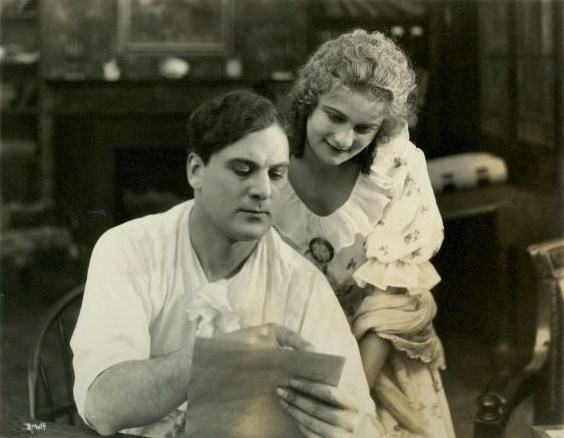
When considering films of this period, it's easy to overlook the technical limitations that filmmakers navigated. Yet, 'Pudd'nhead Wilson' manages to convey a powerful message with remarkable clarity. Its narrative precision, even if visually less dynamic than modern cinema, ensures that Twain's scathing social commentary resonates. Comparisons to other films that tackle identity and hidden lineage, such as A Yellow Streak, reveal a common thread in early cinema's fascination with the secrets that lie beneath the surface. However, 'Pudd'nhead Wilson' elevates this trope by embedding it within a far more profound critique of racial prejudice and the very definition of humanity.
The ultimate reveal in 'Pudd'nhead Wilson' is not just a plot twist; it is a societal indictment. The community, so quick to judge based on color and perceived status, is forced to confront the stark reality that their deeply held beliefs about inherent racial characteristics are utterly baseless. The film powerfully illustrates that a 'white' child, raised as a slave, would possess all the perceived 'negative' traits attributed to slaves, and vice versa. This is Twain's most potent blow against the ludicrous and destructive foundations of racism, and the film delivers it with unwavering conviction.
Even today, the themes explored in 'Pudd'nhead Wilson' remain disturbingly relevant. Discussions about nature versus nurture, the impact of socio-economic status on individual development, and the pervasive nature of prejudice continue to dominate contemporary discourse. The film serves as a powerful reminder that while the specific historical context may have changed, the underlying human tendencies towards judgment and the arbitrary assignment of worth persist. Its legacy lies not just in its faithful adaptation of a literary classic, but in its ability to provoke thought and challenge preconceived notions long after its initial release. It reminds us that true character is forged not by birthright, but by the choices we make and the environments that shape us, and that justice, though sometimes delayed, can ultimately emerge from the most unexpected corners, often championed by those deemed 'pudd'nheads' by the unenlightened masses.
In its quiet determination, its unflinching gaze at human fallibility, and its ultimate triumph of truth, 'Pudd'nhead Wilson' stands as a vital piece of cinematic history. It's a film that encourages us to look beyond the surface, to question inherited wisdom, and to recognize the profound, often tragic, interplay between individual lives and the broader societal currents that shape them. It is a testament to the enduring power of storytelling to illuminate the darkest corners of the human experience and, in doing so, to spark a deeper understanding of ourselves and the world around us.
IMDb —
1927
Community
Log in to comment.