DbcultAccessing Vault...
Cult Review
Senior Film Conservator
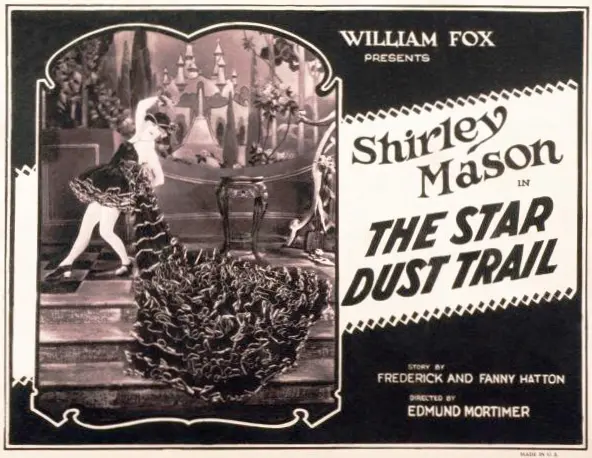
Syliva Joy, a captivating cabaret dancer, finds herself at a pivotal juncture in her life. The film opens with a vibrant and bustling cabaret, the very stage where Syliva’s talent shines. Her world is about to be turned upside down when she is approached by a wealthy producer and a promising young actor, each offering a path that promises different futures.
The producer, played by the enigmatic Shirley Mason, offers Syliva a life of luxury, fame, and stability. His offer is tempting, but it comes at a cost: the compromise of her artistic vision. Meanwhile, the young actor, Thomas R. Mills, presents a path of uncertainty and potential, promising a future where Syliva can pursue her dreams without compromise. The film skillfully balances these contrasting narratives, making it difficult for the audience to predict Syliva’s decision.
The screenplay, penned by Fanny Hatton, Dorothy Yost, and Frederic Hatton, is a masterclass in subtlety and depth. It delves into the psychological and emotional turmoil that Syliva experiences, exploring the tension between passion and pragmatism. The supporting cast, including Merta Sterling, Bryant Washburn, and Marion Aye, adds layers to the narrative, each character contributing to the complexity of Syliva’s dilemma.
The cinematography, reminiscent of the early golden era of Hollywood, captures the essence of this pivotal period in film history. The vibrant colors and sweeping landscapes of New York City provide a backdrop that enhances the emotional weight of the story. The use of lighting and framing is particularly noteworthy, with scenes that highlight the contrast between the opulence of the producer’s offer and the authenticity of the actor’s proposal.
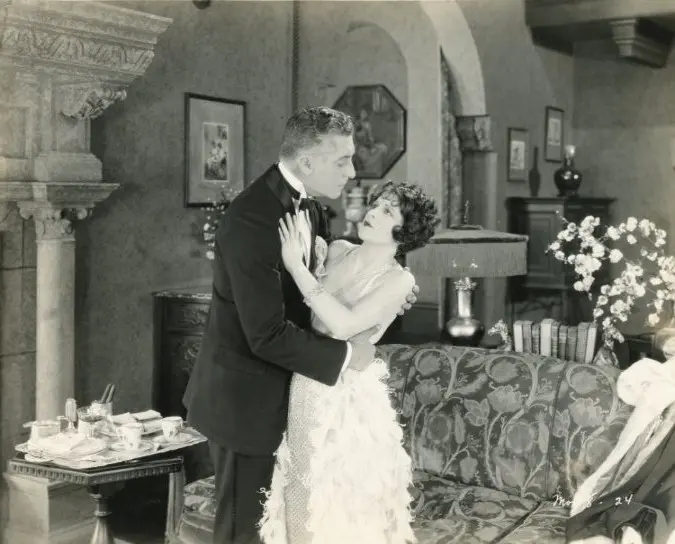
Shirley Mason’s portrayal of the producer is a tour de force, embodying the allure of wealth and success. Her performance is nuanced, showing the character’s vulnerability and the pressure he places on Syliva. In contrast, Thomas R. Mills brings a raw intensity to the character of the young actor, portraying the youthful idealism and the struggle to balance ambition with authenticity. The chemistry between the two leads is palpable, adding depth to the central conflict.
The film’s exploration of love and artistry is further enriched by the underlying tension between tradition and modernity. Syliva’s journey is not just about choosing between two men but about finding a balance between her artistic aspirations and the societal expectations placed upon her. This theme is particularly resonant in the context of early 20th-century America, a time of rapid social and cultural change.
While Star Dust Trail may not revolutionize the genre, its thoughtful examination of personal and professional choices sets it apart as a noteworthy entry in the annals of classic cinema. It invites viewers to reflect on their own journeys and the choices they make in the face of competing pressures. The film’s pacing is deliberate, allowing ample time for character development and emotional build-up, which pays off in a satisfying and thought-provoking conclusion.
For those interested in delving deeper into the themes of ambition, authenticity, and the challenges faced by artists in early 20th-century America, Star Dust Trail offers a compelling and nuanced exploration. It is a must-see for film enthusiasts and art lovers alike. If you are looking for a film that challenges you to think beyond the surface and to consider the complexities of life, Star Dust Trail is a worthy addition to your viewing list.
Sure-Fire Flint, The Happy Warrior, A Corner in Cotton, My Dog, Pal, Bachelor Apartments, The Caprices of Kitty, A Naked Soul, Sons of the Soil, Richard the Lion-Hearted, Peer Gynt, Famous Women in World's Work, Baffled, Between Men, Munkens fristelser, Die Prinzessin Suwarin
IMDb —
1915
Community
Log in to comment.