DbcultAccessing Vault...
Cult Review
Senior Film Conservator
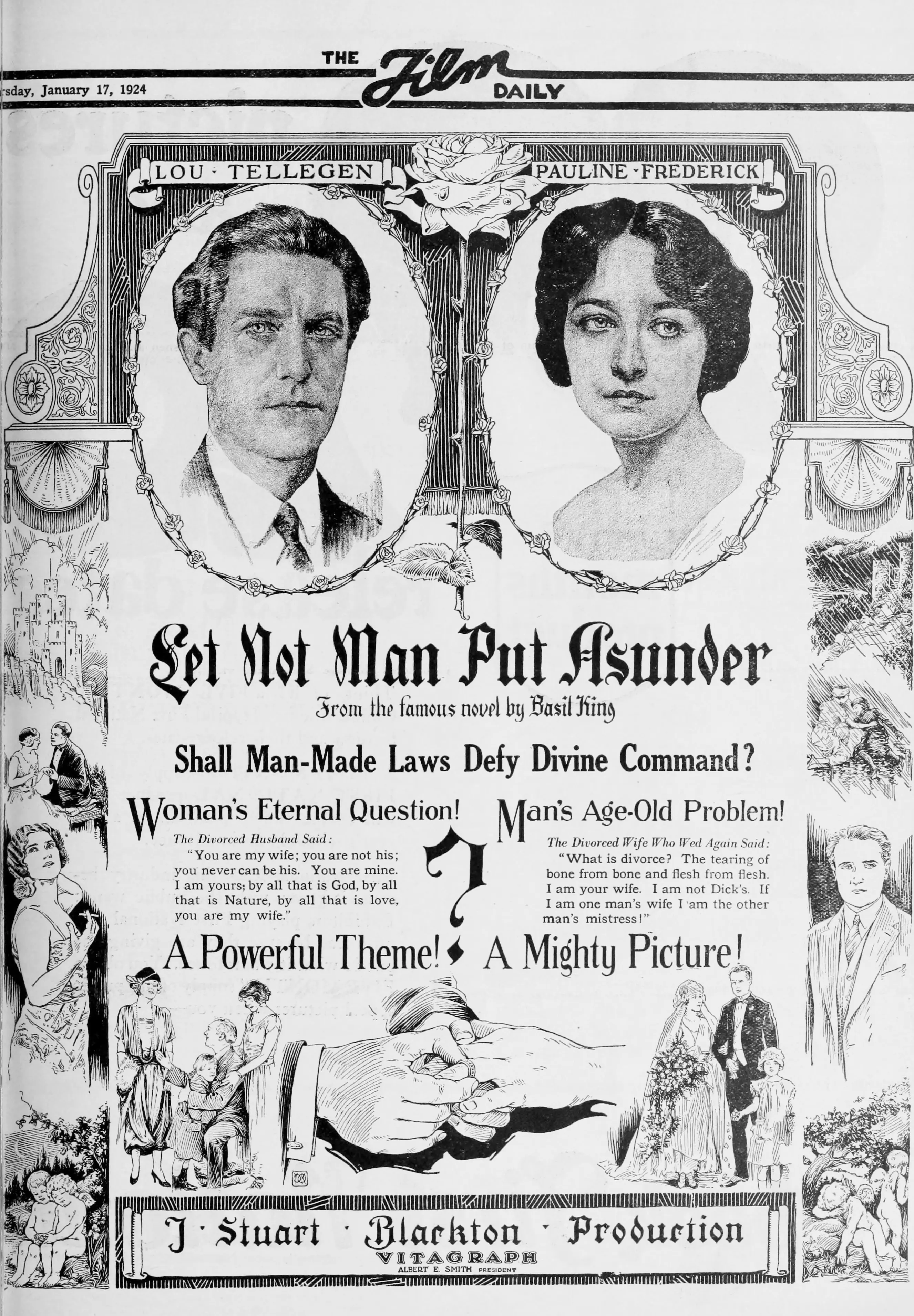
The year 1924 marked a pivotal juncture in the evolution of American silent cinema, a period where the medium began to shed its melodramatic swaddling clothes in favor of a more nuanced, often cynical, examination of modern life. Among these artifacts of social commentary, Let Not Man Put Asunder stands as a monolith of domestic discord. Directed with a keen eye for the spatial politics of the upper class, the film utilizes the source material of Basil King to weave a narrative that is as much a sociological treatise as it is a dramatic endeavor. At its heart, the film is a brutal autopsy of the marriage contract, performed under the flickering lights of the early twentieth century.
The narrative introduces us to Petrina Faneuil, a woman whose wealth serves as both a pedestal and a prison. Pauline Frederick, an actress of immense emotional intelligence, inhabits Petrina with a sense of weary resignation that feels startlingly contemporary. Unlike the more exuberant archetypes found in films like The Caprices of Kitty, Petrina is a figure of quiet desperation. Her marriage to Harry Vassall, played with a stoic, if somewhat rigid, masculinity by Leslie Austin, is presented not as a romantic culmination but as a logistical inevitability. The chemistry between them is not the fire of passion, but the steady, flickering candle of social duty.
This central union is contrasted sharply with the volatile pairing of Dick Lechmere and Felicia De Proney. Lou Tellegen, often billed as the 'world's most handsome man,' brings a dangerous, mercurial energy to Lechmere. His performance here is a far cry from the heroic archetypes seen in Richard the Lion-Hearted. Instead, he embodies a man undone by his own passions and the inability to reconcile his desires with the strictures of his class. Helena D'Algy’s Felicia is his perfect, tragic foil—a woman whose descent into misery serves as the film’s most poignant moral barometer.
As the plot unfolds, the 'trials' mentioned in the synopsis reveal themselves to be more than mere plot points; they are systemic failures. The film suggests that the institution of marriage, when built upon the shifting sands of social status rather than the bedrock of mutual understanding, is doomed to collapse. We see the influence of external pressures—the whispers of the salon, the judgment of the patriarchs, and the relentless scrutiny of a society that demands perfection while offering no support. The divorce, when it arrives, is handled with a gravity that was rare for the era. It is not portrayed as a liberation, but as a devastating admission of failure.
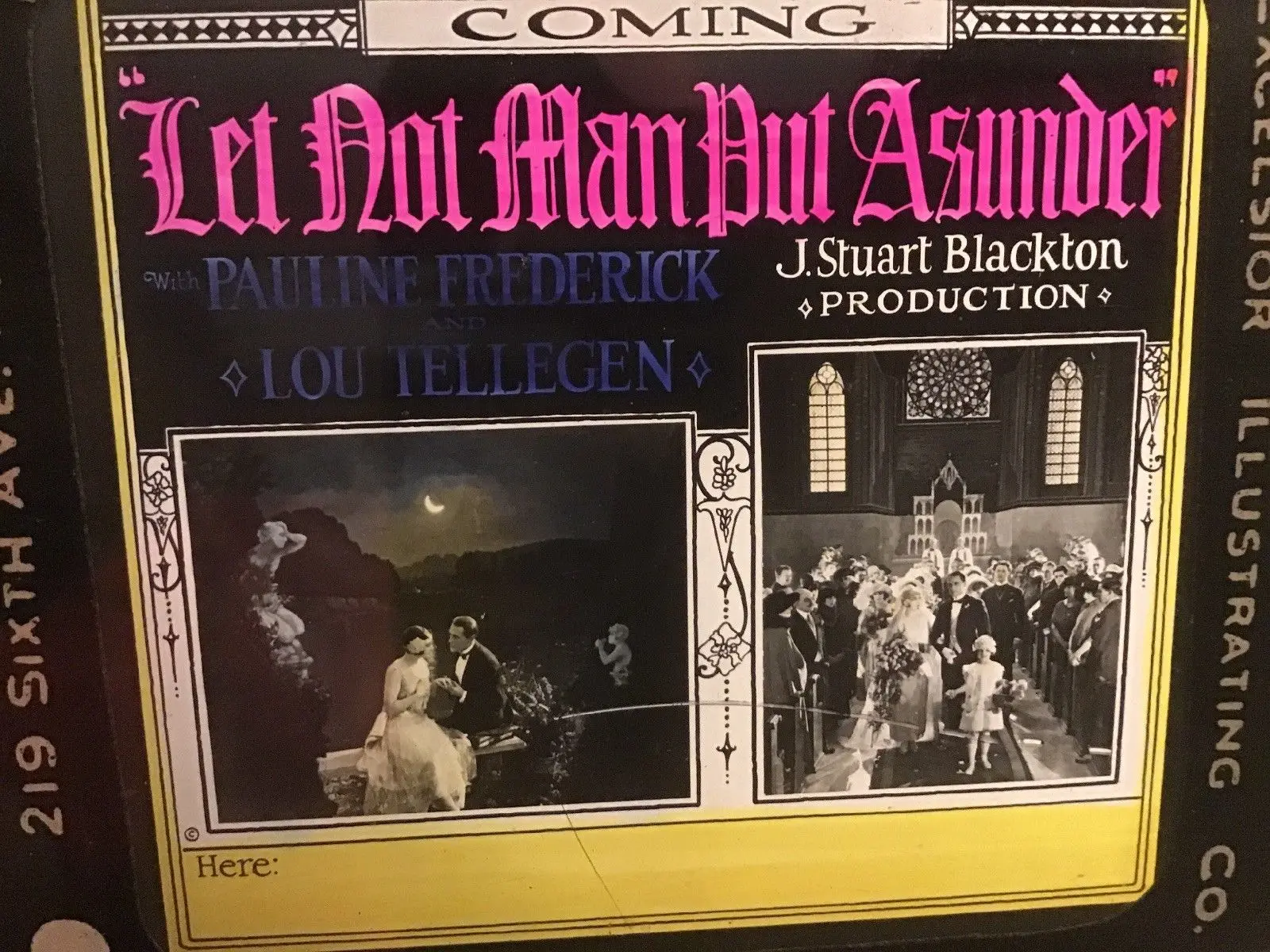
In comparing this to other works of the period, one might look at A Naked Soul for its thematic preoccupation with the inner life of the protagonist, yet Let Not Man Put Asunder is far more concerned with the external forces that shape that inner life. While a film like Sure-Fire Flint might offer a more optimistic, action-oriented view of human resilience, this film lingers in the shadows of the parlor, focusing on the slow, agonizing rot of a relationship.
The visual grammar of the film is striking. The use of deep focus in the interior scenes emphasizes the isolation of the characters even when they occupy the same frame. There is a recurring motif of thresholds—doorways, windows, and gates—that symbolize the barriers between the characters' public personas and their private suffering. The cinematography captures the opulence of the Faneuil estate not as a place of comfort, but as a mausoleum of dead dreams. This stylistic choice echoes the somber realism found in Sons of the Soil, though the setting here is the gilded cage rather than the agrarian field.
The writing, credited to Basil King and Charles L. Gaskill, avoids the easy sentimentality that plagued many of its contemporaries. The intertitles are sharp, often biting, reflecting a world where language is used as a weapon as often as a bridge. There is a palpable sense of the 'divorce problem'—a major cultural anxiety of the 1920s—being interrogated here. The film doesn't just ask why these people fail; it asks why we expect them to succeed under such impossible conditions. It shares a certain philosophical kinship with Peer Gynt in its exploration of the search for self amidst a sea of societal expectations, though it remains rooted in the domestic rather than the epic.
The supporting cast provides a rich tapestry of 1920s archetypes. Maurice Costello and Pauline Neff bring a seasoned authority to their roles, representing the older generation that enforces the very rules that destroy the protagonists. Their presence serves as a constant reminder of the weight of tradition. Contrast this with the presence of a young Clifton Webb, whose career would later skyrocket, adding a layer of historical fascination to the viewing experience. The ensemble works in harmony to create a world that feels inhabited and lived-in, a stark contrast to the more theatrical performances found in The Happy Warrior.
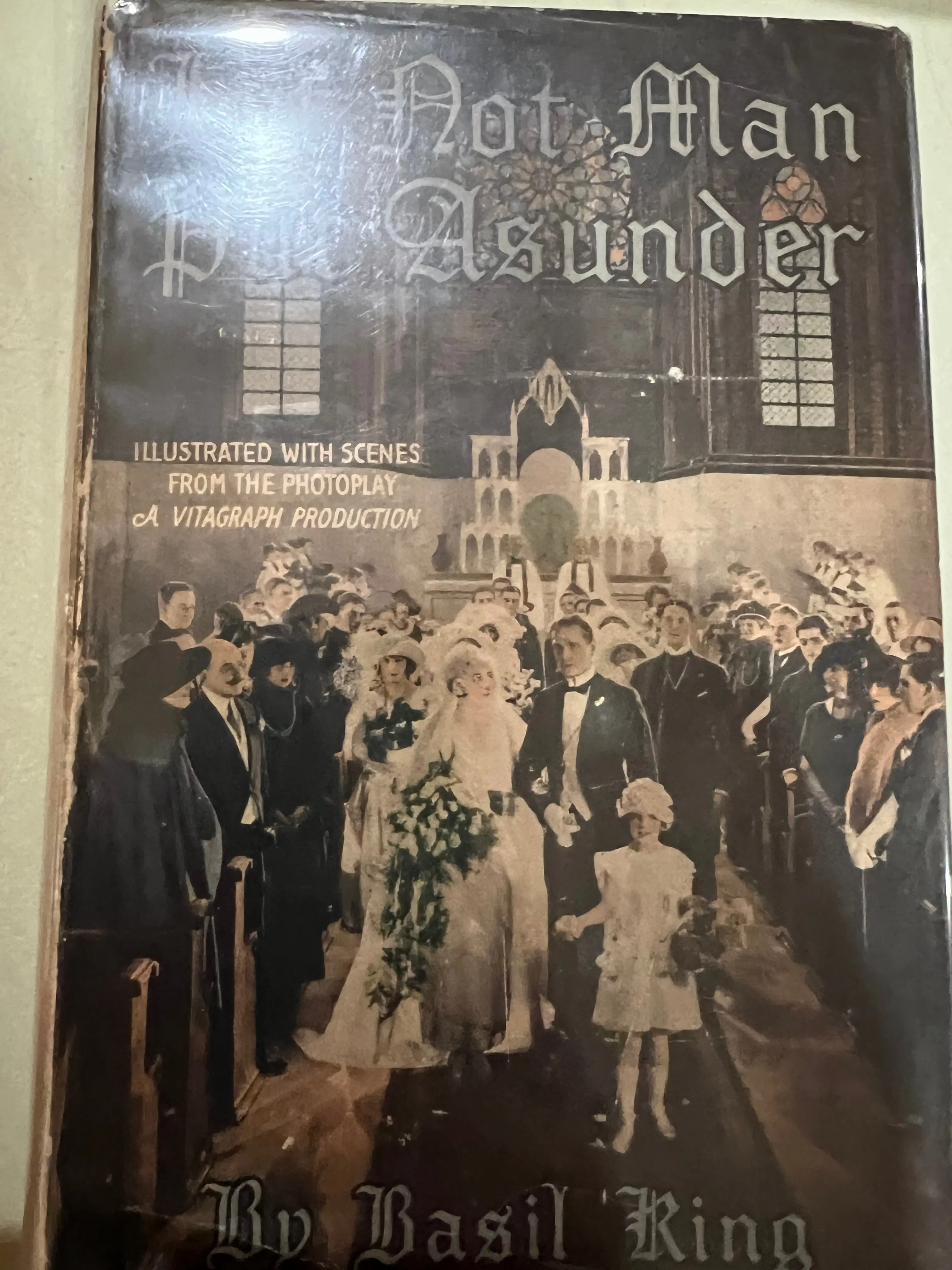
Furthermore, the inclusion of actors like Gladys Frazin and Barbara Leonard ensures that every corner of this social world is fleshed out. Even the minor characters seem burdened by their own unspoken histories, contributing to the overall atmosphere of lugubriousness. This density of characterization is what elevates the film above mere melodrama. It is a precursor to the complex character studies we would see in later decades, a silent ancestor to the psychological dramas of the mid-century.
The final act of Let Not Man Put Asunder is a harrowing descent into the consequences of despair. The death of Felicia and the subsequent suicide of Dick Lechmere are handled with a shocking lack of artifice. There are no grand speeches, only the cold, hard reality of grief. Lechmere’s suicide, in particular, is a moment of profound cinematic bravery for 1924. It strips away the glamour of the 'perfect lover' persona Lou Tellegen was known for, leaving behind a broken man who can no longer face the world he helped destroy. This level of darkness is rarely seen in films like My Dog, Pal or even the more adult-themed Bachelor Apartments.
The reunion of Petrina and Harry in the wake of this carnage is not a 'happy ending' in the traditional sense. It is a somber reconciliation, born of exhaustion and the realization that they are the only ones left who understand the depth of their shared failure. It is a quiet, almost spectral conclusion that leaves the viewer with more questions than answers. Is their reunion a triumph of love, or a final surrender to the very institution that broke them? The film refuses to provide an easy answer, much like the ambiguous endings found in Die Prinzessin Suwarin or Munkens fristelser.
Viewing Let Not Man Put Asunder today requires us to look past the technical limitations of the silent era and engage with its raw emotional core. It is a film that speaks to the timeless struggle between individual desire and social obligation. In an era where the concept of marriage is continually being redefined, the film’s critique of institutional rigidity remains surprisingly relevant. It serves as a reminder that the 'good old days' were often fraught with the same complexities and heartbreaks we face today.
The film’s legacy is also tied to the careers of its stars. For Pauline Frederick, it was a showcase for her ability to convey complex internal states without the need for dialogue. For Lou Tellegen, it was a tragic foreshadowing of his own troubled life. The craftsmanship of Gaskill and the narrative depth provided by King ensure that the film remains a significant entry in the canon of early American cinema. It may not have the rhythmic charm of A Corner in Cotton or the historical sweep of Famous Women in World's Work, but it possesses a haunting power that is uniquely its own.
Ultimately, Let Not Man Put Asunder is a difficult, demanding, yet deeply rewarding piece of cinema. It is a film that stares into the abyss of human relationships and doesn't blink. For those willing to brave its melancholic depths, it offers a profound meditation on the cost of conformity and the enduring, often painful, nature of the human heart. It is a testament to the power of silent film to communicate the most complex of human emotions, standing alongside other enigmatic works like Baffled or the character-driven Between Men as a vital piece of our cinematic heritage. In the end, the title remains a haunting injunction—a plea for a sanctity that the world itself seems determined to undermine.
IMDb —
1931
Community
Log in to comment.