DbcultAccessing Vault...
Cult Review
Senior Film Conservator
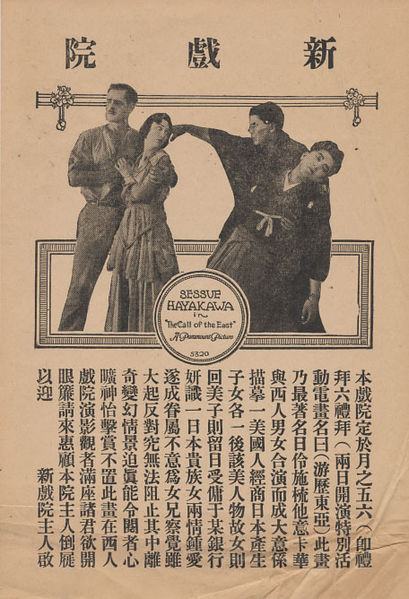
Stepping back into the nascent years of cinematic storytelling, 'The Call of the East' (1916) emerges not merely as a historical artifact but as a potent and surprisingly nuanced examination of cultural confluence and personal tragedy. In an era often characterized by broad strokes and melodramatic flourish, Beulah Marie Dix's screenplay, brought to life by the magnetic presence of Sessue Hayakawa and the luminous grace of Tsuru Aoki, crafts a narrative of profound emotional complexity. This film, a testament to the burgeoning art form, delves deep into the friction points between Eastern tradition and Western individualism, a theme that resonates with a timeless poignancy.
The very premise is a powder keg of cross-cultural misunderstanding, an intricate dance between attraction and repulsion. Kyo-wa, portrayed with an arresting intensity by Hayakawa, is a figure of noble bearing, steeped in the ancient codes of his Japanese lineage. His encounter with Mary Murden, played by Aoki with a captivating blend of vulnerability and spirited independence, sparks a connection that transcends superficial differences. Their romance is not merely a plot device; it is the beating heart of the film, a symbol of hope for harmony between disparate worlds. Yet, this fragile bridge is destined to crumble under the weight of societal expectations and, more acutely, the thoughtless actions of Mary's brother, Alan, embodied by Jack Holt with a casual arrogance that perfectly underscores his character's cultural insensitivity.
Holt's portrayal of Alan is crucial, offering a stark contrast to Hayakawa's controlled intensity. Alan's seduction of O'Mitsu, Kyo-wa's sister, is not depicted as a grand, villainous scheme but rather as an act of heedless privilege, a devastating consequence of failing to comprehend the gravity of his actions within a different cultural framework. Margaret Loomis, as O'Mitsu, conveys the character's innocence and subsequent despair with a quiet power, making her betrayal all the more heartbreaking. This pivotal transgression, rather than being a simple plot turn, serves as the catalyst for a tragic exploration of honor, revenge, and the crushing weight of familial duty. It forces the audience to grapple with the profound implications of cultural relativism and the universal human response to betrayal.
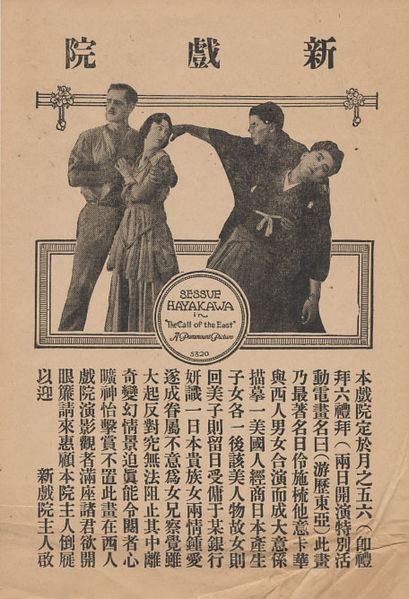
The film's strength lies in its ability to navigate these complex themes without resorting to simplistic moralizing. Hayakawa, a star of unparalleled charisma in the silent era, brings a profound depth to Kyo-wa. His performance is a masterclass in subtlety, conveying internal turmoil and stoic resolve through nuanced expressions and gestures. One can perceive the internal conflict raging within him – the desire for personal happiness with Mary clashing violently with the imperative to uphold his family's honor. This internal struggle elevates the film beyond a mere melodrama, transforming it into a psychological study of duty versus desire. Aoki, too, is magnificent, her eyes communicating volumes of unspoken emotion, from initial joy to profound sorrow. Their chemistry is palpable, a silent dialogue of longing and despair that anchors the narrative.
Comparing 'The Call of the East' to other films of its time reveals its unique position. While a film like The Cinderella Man might explore social stratification and the challenges of love across class lines, 'The Call of the East' adds the formidable dimension of cultural chasm. The stakes here feel inherently higher, the misunderstandings more deeply ingrained, and the consequences more irreversible. Similarly, while The Land of the Lost might metaphorically deal with displacement, 'The Call of the East' grounds its sense of displacement in stark, real-world cultural differences, making the emotional landscape far more treacherous for its characters.
Beulah Marie Dix's screenplay is remarkably sophisticated for its period. It eschews easy resolutions, instead opting for a more tragic, realistic portrayal of the consequences of cultural friction. The narrative progression feels organic, each event logically stemming from the preceding one, building an almost unbearable tension. Dix doesn't shy away from the darker aspects of human nature, exploring the destructive power of pride and the tragic irony of love being undone by familial obligation. The dialogue, conveyed through intertitles, is economical yet impactful, allowing the performances to carry the emotional weight. This precision in writing is a hallmark of strong silent era storytelling, where every word and gesture had to count.
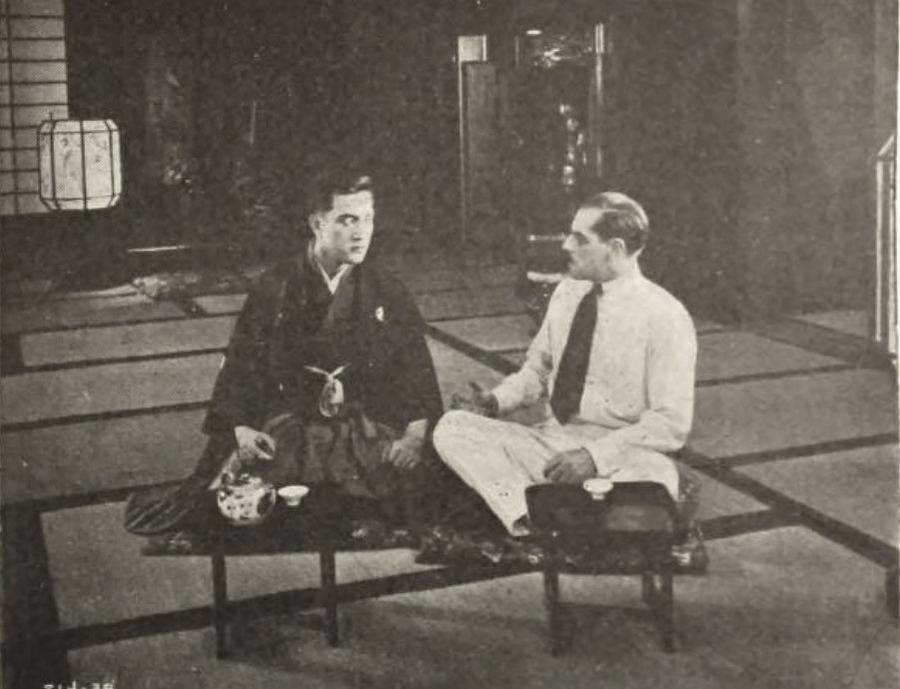
The film's direction, while uncredited in some records, demonstrates a keen understanding of visual storytelling. The use of mise-en-scène to highlight cultural differences, from costuming to settings, is subtle yet effective. The Japanese settings are rendered with a respectful authenticity, avoiding the exoticizing gaze that often plagued Western depictions of the East during this period. The camera work, though constrained by the technology of the time, is employed to enhance emotional resonance, often focusing on the expressive faces of Hayakawa and Aoki to convey their internal states. This visual language is critical in a medium devoid of spoken dialogue, and 'The Call of the East' masters it with commendable skill.
The tragic arc of the narrative, particularly Kyo-wa's struggle with his inherited code of honor, is reminiscent of the operatic pathos found in films like Mignon, where fate and societal expectations conspire against individual happiness. However, 'The Call of the East' grounds its tragedy in a specific cultural context, making its exploration of honor and vengeance feel less like grand opera and more like an inevitable outcome of deeply held beliefs clashing with modern sensibilities. The film's power lies in its refusal to offer easy answers, presenting a world where genuine love can be tragically insufficient to overcome deeply entrenched cultural divides and the devastating ripple effects of a single, thoughtless act.
Furthermore, the dynamic between Hayakawa and Aoki, real-life husband and wife, imbues their on-screen romance with an undeniable authenticity. Their performances, both individually compelling and collectively incandescent, elevate the material, transforming what could have been a standard melodrama into something far more profound. Aoki's portrayal of Mary Murden is particularly noteworthy; she is not a passive damsel but a woman of agency, caught in a maelstrom not of her making, yet fighting for her love and dignity. Her performance stands as a testament to the strength and complexity women were capable of portraying even in early cinema, challenging the often simplistic female archetypes of the era. This nuance in character development marks a significant step forward in cinematic realism.
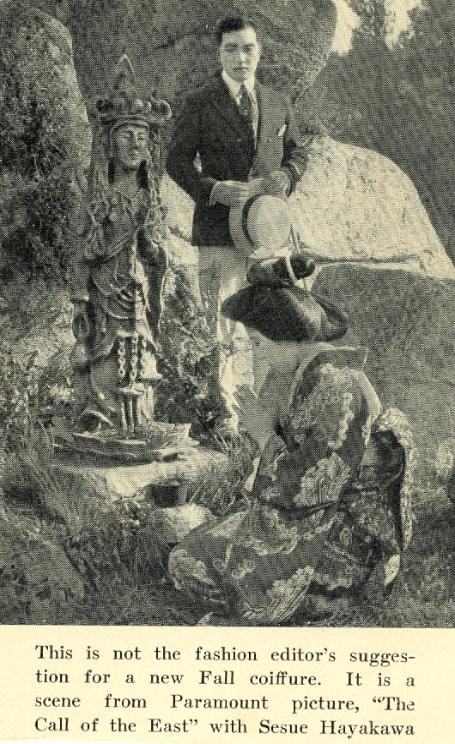
The film's exploration of vengeance, a central theme, is handled with a chilling efficacy. Kyo-wa's pursuit of Alan is not born of crude malice but of a profound sense of violated honor, a duty he feels compelled to fulfill regardless of the personal cost. This moral quandary is where the film truly shines, forcing the audience to empathize with a character driven by principles alien to many Western viewers, yet undeniably human in their intensity. The resolution, or lack thereof, to this conflict leaves a lasting impression, underscoring the inescapable grip of tradition on individual destiny.
In an era when cinematic representations of non-Western cultures were often caricatured or stereotypical, 'The Call of the East' stands out for its relatively respectful, albeit still through a Western lens, portrayal of Japanese society. While it inevitably contains elements that might be viewed critically by contemporary standards, its attempt to delve into the complexities of honor and familial duty demonstrates a commendable effort towards cultural understanding. Hayakawa himself was instrumental in shaping these portrayals, often battling against the reductive roles offered to him, and his influence is palpable here, lending an authenticity to Kyo-wa that might otherwise have been absent.
The lasting impact of 'The Call of the East' lies in its ability to transcend its historical context and speak to universal themes of love, betrayal, and the struggle to reconcile personal desires with societal expectations. It's a reminder that even in the silent era, filmmakers were grappling with sophisticated narratives and challenging audiences to confront uncomfortable truths. The performances by its lead actors remain captivating, a testament to their enduring star power and the power of silent acting to convey profound emotion without a single spoken word. The film is not just a historical curiosity; it is a masterclass in emotional storytelling.
For those interested in the evolution of cinema and the portrayal of complex human relationships on screen, 'The Call of the East' is an essential viewing. It offers a window into the cultural anxieties and romantic ideals of the early 20th century, presented through the lens of a truly compelling drama. Its influence can be seen in subsequent cross-cultural romances, demonstrating that the struggles depicted within its frames continue to resonate. The film's audacious plot, combined with its stellar performances and thoughtful direction, solidifies its place as a significant, albeit often overlooked, work of early American cinema. It's a powerful statement on the enduring strength of love against the formidable tide of tradition and misunderstanding, even when that tide proves ultimately overwhelming.
The tragic climax, which I shall refrain from detailing to preserve the experience for new viewers, provides a resolution that is both heartbreaking and entirely consistent with the narrative's established themes. It avoids the saccharine endings often characteristic of the period, instead delivering a potent, emotionally resonant conclusion that underscores the inescapable consequences of cultural clash and personal transgression. This commitment to a more somber, realistic outcome solidifies 'The Call of the East' as a film ahead of its time, a work that dared to explore the darker facets of human interaction and the often-insurmountable barriers between worlds.
IMDb —
1919
Community
Log in to comment.