DbcultAccessing Vault...
5.6/10
Senior Film Conservator
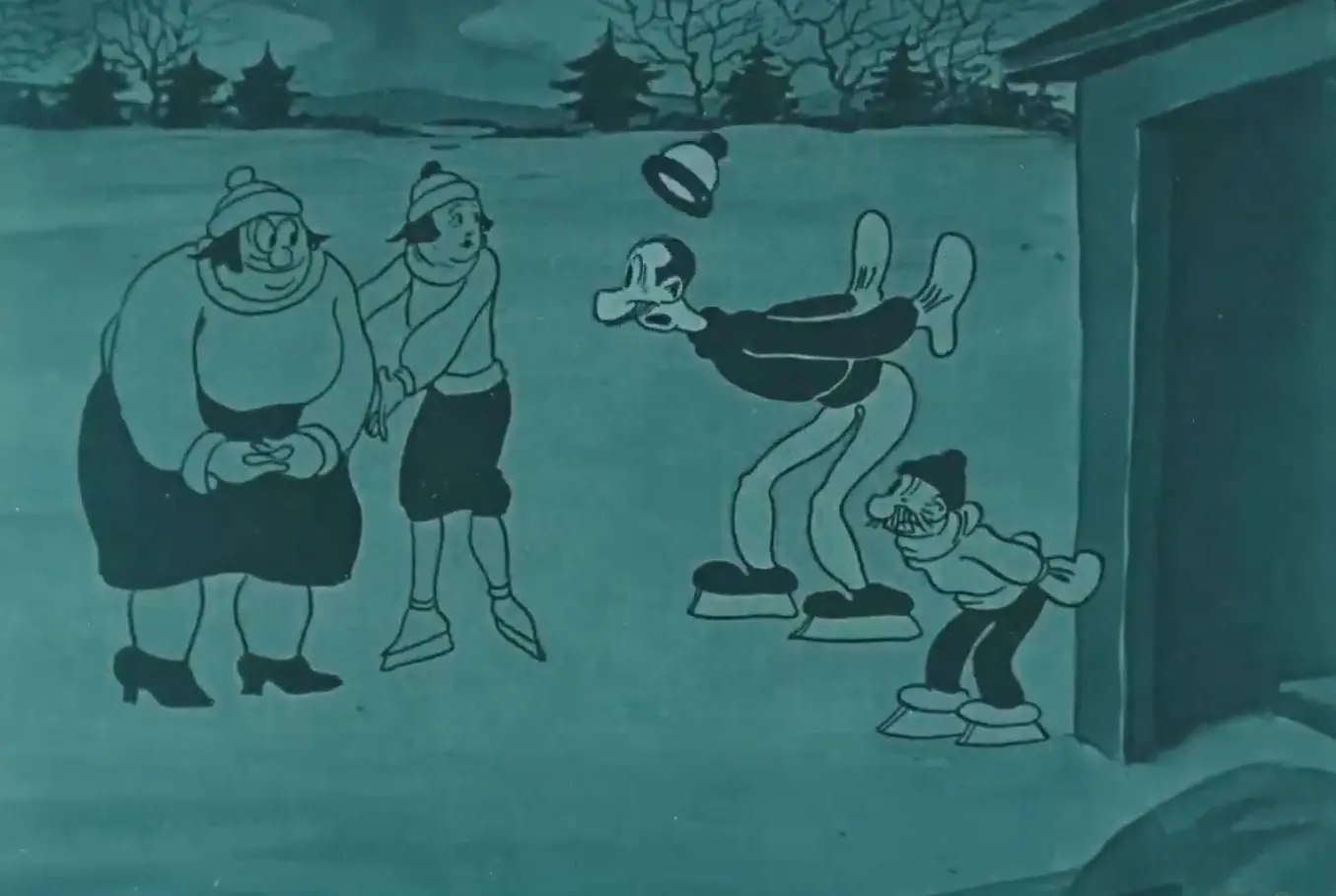
A definitive 5.6/10 rating for a film that redefined the boundaries of cult cinema. Skating Instructors remains a cornerstone of transgressive art.
Is 'Skating Instructors' worth your time in the 21st century? Short answer: yes, but only if you approach it as a piece of living history rather than a modern blockbuster. This film is specifically for animation historians and lovers of vintage slapstick, while it will likely frustrate those who require narrative depth or high-definition polish.
Yes, 'Skating Instructors' is worth watching because it represents the raw, unpolished birth of character-driven animation. It provides a rare window into the comedic sensibilities of 1916. You can see the DNA of every 'looney' cartoon that followed within its brief runtime.
1) This film works because it relies on the universal language of physical failure, which requires no translation or historical context to understand.
2) This film fails because its technical limitations—specifically the static backgrounds and repetitive cycles—can feel tedious to a modern eye.
3) You should watch it if you want to see where the 'buddy comedy' trope began in the animated medium.
Bud Fisher was not just a cartoonist; he was a pioneer of branding. By the time 'Skating Instructors' hit the screens, Mutt and Jeff were already household names. The transition to film wasn't about telling a new story, but about seeing familiar friends move. Unlike the more surrealist approach seen in Felix Goes West, Fisher’s work here is grounded in a recognizable, albeit exaggerated, reality.
The animation is primitive. There is no getting around that. However, there is a charm in its clunkiness. When Mutt stretches his long legs across the ice, the line work is shaky, yet purposeful. You can feel the hand of the animator in every frame. It lacks the fluidity of later Disney works, but it possesses a grit that feels authentic to the era. It’s rough. It’s raw. And it works.
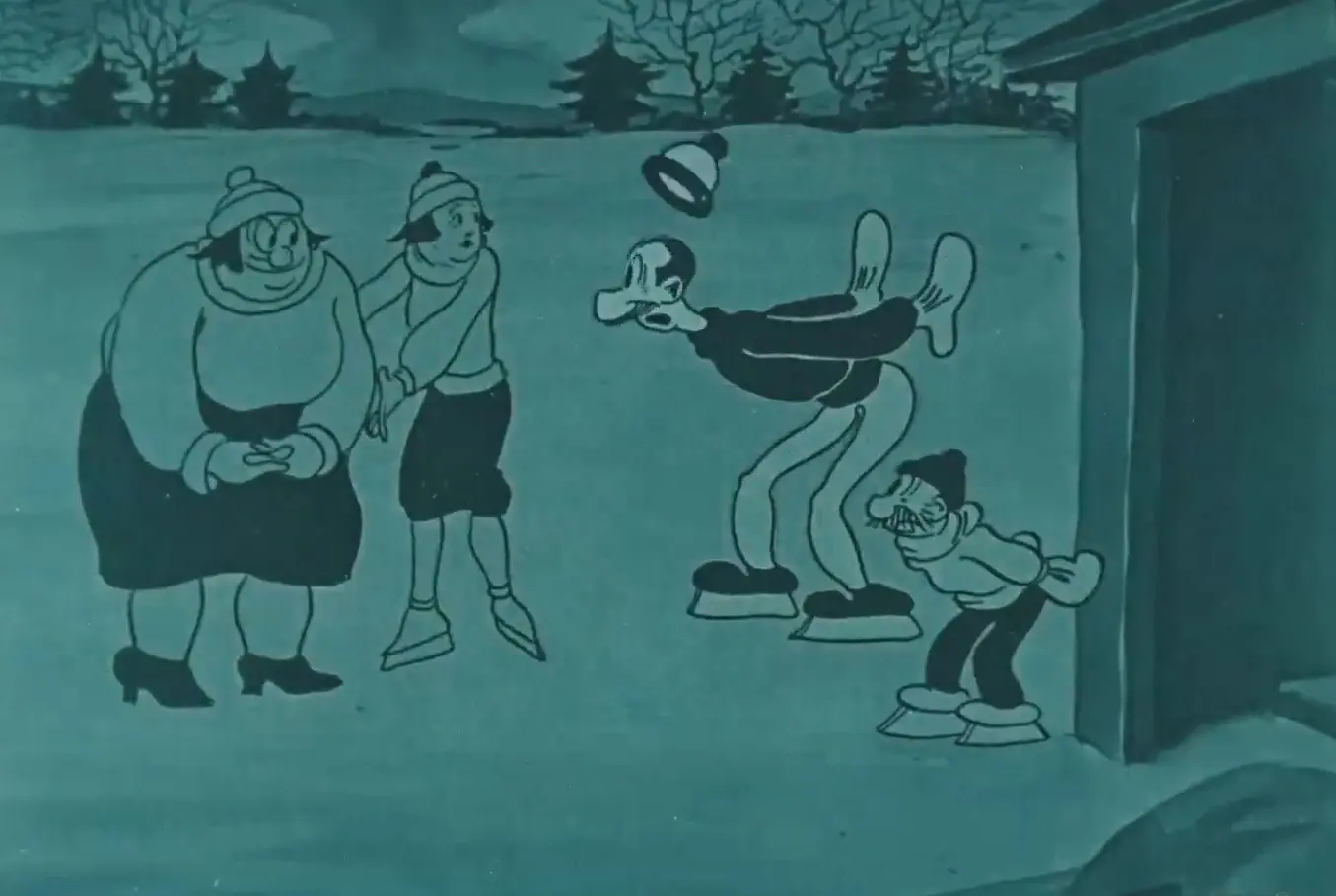
Comparing this to other films of the period, such as the more dramatic Annie-for-Spite, highlights how animation was the 'wild west' of cinema. While live-action was learning to use close-ups and editing, Fisher was learning how to make a drawing look like it was losing its balance. The 'ice' in this film isn't just a setting; it's a character that actively fights against our protagonists.
The central gag of 'Skating Instructors' is the loss of control. In one specific scene, Jeff attempts a graceful glide only to have his legs move in opposite directions, creating a visual 'V' that defies skeletal logic. This is where animation shines. A live-actor in 1916 would have been limited by their joints; Jeff is limited only by Fisher's pen.
The pacing is relentless. Because the film is a short, there is no room for filler. Every few seconds, a new disaster occurs. This rhythmic approach to comedy is something we see mirrored in modern internet memes. It is bite-sized entertainment. It doesn't ask for your emotional investment; it only asks for your attention for a few minutes. It succeeds in that modest goal.
However, the lack of a musical score in its original form (often replaced by generic piano tracks in modern archives) means the visual gags have to do all the heavy lifting. In a scene where Mutt falls through the ice, the silence is deafening. It forces the viewer to focus entirely on the line work. The simplicity is its greatest strength and its most significant hurdle.
Mutt and Jeff represent the quintessential 'straight man and foil' dynamic. Mutt, the taller and supposedly more capable of the two, is constantly undermined by his own ego and Jeff's incompetence. This dynamic is more effectively handled here than in some contemporary live-action shorts like His Own Medicine, because the visual contrast between the two characters is so stark.
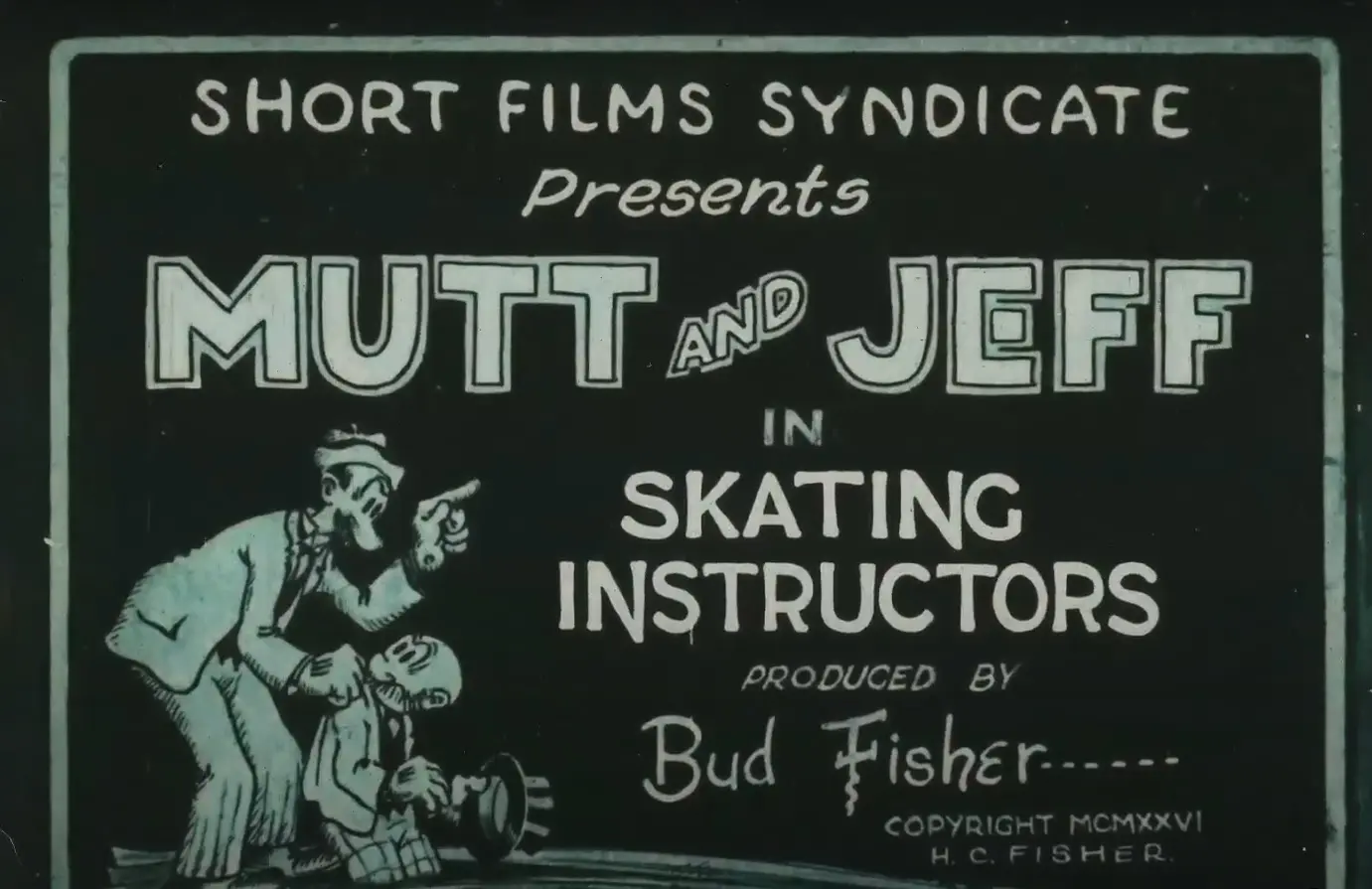
There is a brutal simplicity to their relationship. They aren't friends in the modern sense; they are partners in misfortune. When Jeff accidentally trips Mutt, there is no apology. The comedy comes from the immediate, violent reaction. It is a cynical view of partnership that feels surprisingly modern. It’s not 'nice' humor. It’s survival humor.
The film’s tone is one of persistent frustration. Every time they gain momentum, the ice—or their own feet—betrays them. This reflects the era's fascination with the 'little man' struggling against a world that doesn't care about him. It’s a theme that resonates even today, albeit in a much more colorful and loud fashion.
One must admire how Fisher handled depth. The backgrounds are almost non-existent, which forces the eye to stay on the characters. This wasn't just a stylistic choice; it was a necessity of the time. By keeping the 'world' simple, the animators could put more frames into the characters' movements. This is a lesson many modern CGI-heavy films could learn: don't let the background swallow the performance.
The 'cinematography'—if you can call it that in animation—is static. The 'camera' never moves. This creates a stage-like atmosphere. You are watching a performance on a fixed plane. While this might seem boring compared to the aerial stunts of Trapped in the Air, it provides a clarity of action that is often lost in modern quick-cut editing. You see every slip. You feel every bump.
The use of white space is also notable. The 'ice' is essentially the white of the paper. Fisher uses the medium's own limitations to represent the environment. It is a meta-commentary on the art form itself, whether intentional or not. The characters are literally sliding across the very material they are drawn on.
Pros:
• Historical significance as an early animated short.
• Clear, effective character designs.
• Pure, unadulterated slapstick that remains understandable today.
• Efficient use of minimal backgrounds to highlight action.
Cons:
• Extremely dated technical execution.
• Lack of narrative stakes or character growth.
• Repetitive animation cycles.
'Skating Instructors' is a fascinating relic. It isn't a 'masterpiece' in the way we use the word today, but it is an essential building block. It proves that comedy doesn't need words, color, or even a complex background to function. It just needs two idiots and a slippery surface. It works. But it’s flawed. Gravity is the only real character here, and it wins every time. If you have five minutes, give it a look—you'll see the ancestors of Bugs Bunny and Daffy Duck in every frame.
IMDb —
1921
Community
Log in to comment.