DbcultAccessing Vault...
Cult Review
Senior Film Conservator
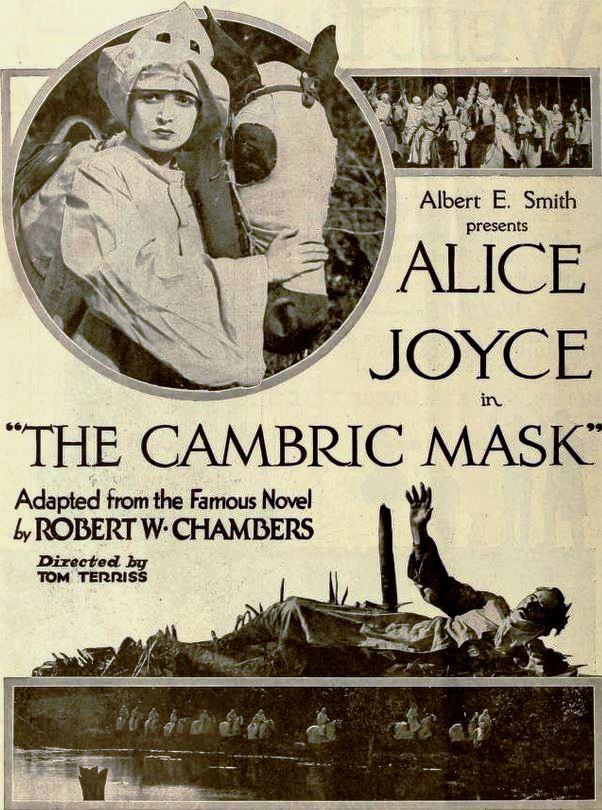
In the shimmering, often overlooked annals of early cinema, certain films emerge not just as historical artifacts, but as resonant echoes of timeless human drama. *The Cambric Mask*, a 1919 silent feature, is precisely such a discovery—a kinetic blend of frontier intrigue, burgeoning romance, and veiled identities that speaks volumes without uttering a single word. It’s a testament to the power of visual storytelling, where every gesture, every flicker of an eye, and every carefully composed frame had to carry the weight of an entire narrative. For those accustomed to the cacophony of modern blockbusters, revisiting a gem like this offers a profound recalibration, reminding us of cinema's foundational magic.
At its core, the narrative unfurls around John Sark, a man of intellect and quiet contemplation, whose life as a naturalist is inextricably tied to his land. This isn't merely property; it's an extension of his being, a sanctuary for his pursuits. Yet, this very connection makes him a target. His tranquil existence is catastrophically disrupted by Henry Murden, the ruthless leader of the "White Riders," a clandestine band operating with a predatory agenda. Murden’s machinations are driven by pure avarice, having illicitly acquired knowledge of a railroad's impending interest in Sark's valuable acreage. This setup immediately establishes a classic conflict: the individualist against organized greed, the quiet man of science against the brute force of those who seek to exploit. The stakes are clear, and the tension palpable, even in the film's opening premise.
The film truly ignites, however, with the introduction of Rose Ember, Sark’s assistant. She is more than just a supporting character; she is the enigmatic fulcrum upon which the entire plot pivots. Her quiet demeanor belies a deeper connection to the unfolding drama, a connection brought to startling light by the discovery of a discarded mask. This isn't just any mask; it's crafted from one of Rose's distinctive handkerchiefs, an intimate garment transformed into an instrument of anonymity and menace. The revelation of this mask, and its subsequent link to her father, injects a profound layer of personal mystery into the escalating land dispute. It transforms the external conflict into an internal one for Rose, forcing her to confront a legacy that is both a burden and, ultimately, a source of unexpected strength. This narrative device, simple yet incredibly effective, elevates *The Cambric Mask* beyond a mere Western melodrama, imbuing it with the psychological resonance of a gothic romance.
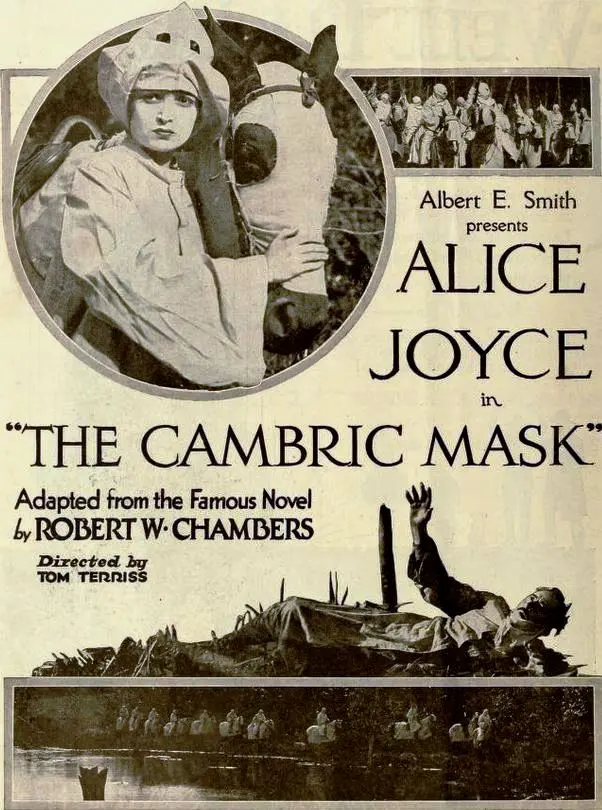
The "White Riders," under Murden’s sway, are a formidable presence, their masked anonymity a chilling symbol of collective menace. They represent the darker currents of frontier expansion, where justice is often twisted and might makes right. Their relentless attempts to coerce Sark into relinquishing his land escalate, culminating in his capture. This pivotal moment serves as the catalyst for Rose’s transformation. Witnessing Sark's plight, she doesn’t succumb to despair; instead, she embraces her inherited connection to the masked riders, albeit with a radically different purpose. Donning a mask herself, she rides into the fray, a silhouette of defiance against the twilight sky. The scene where she gallops alongside Sark’s horse, skillfully severing his bonds, is a masterclass in silent action choreography, brimming with urgency and a palpable sense of heroism. This courageous act not only liberates Sark but also shatters the preconceived notions of Rose’s demure nature, revealing a woman of extraordinary courage and conviction.
The ensuing confrontation between Sark and Murden is swift and decisive, a violent climax that brings the land dispute to its brutal conclusion. Sark’s victory, however, is immediately followed by a revelation that reconfigures the entire emotional landscape of the film. Discovering that his mysterious rescuer was none other than Rose—the quiet assistant, the woman whose handkerchief had become a symbol of both threat and salvation—is a moment of profound recognition and emotional catharsis. It’s a beautifully executed twist, solidifying their love not just through shared affection, but through shared peril and mutual respect. The mask, once a symbol of division and secrecy, becomes a conduit for deeper understanding and an unbreakable bond. This intricate dance of identity and revelation makes the film's resolution particularly satisfying.
In terms of performance, the cast navigates the demands of silent cinema with remarkable skill. Maurice Costello, as John Sark, embodies the intellectual and the reluctant hero with a nuanced portrayal. His expressions convey a rich inner life, from the quiet intensity of his naturalist studies to the grim determination of a man fighting for his home. He avoids the theatrical excesses sometimes associated with the era, opting for a more restrained, yet deeply felt, performance. Florence Deshon, playing Rose Ember, is arguably the film's emotional anchor. Her transformation from an unassuming assistant to a masked heroine is captivating. Deshon uses subtle gestures and expressive eyes to convey Rose's inner turmoil, her loyalty, and her eventual surge of bravery. Her performance is a powerful argument for the expressive capabilities of silent acting, creating a character whose journey is both believable and inspiring. Martin Faust, as the villainous Henry Murden, projects a menacing presence, effectively embodying the ruthless ambition that drives the conflict. The supporting cast, including Alice Joyce, Jules Cowles, and Bernard Siegel, contribute to the rich tapestry of the film's world, each adding authentic texture to the frontier setting.
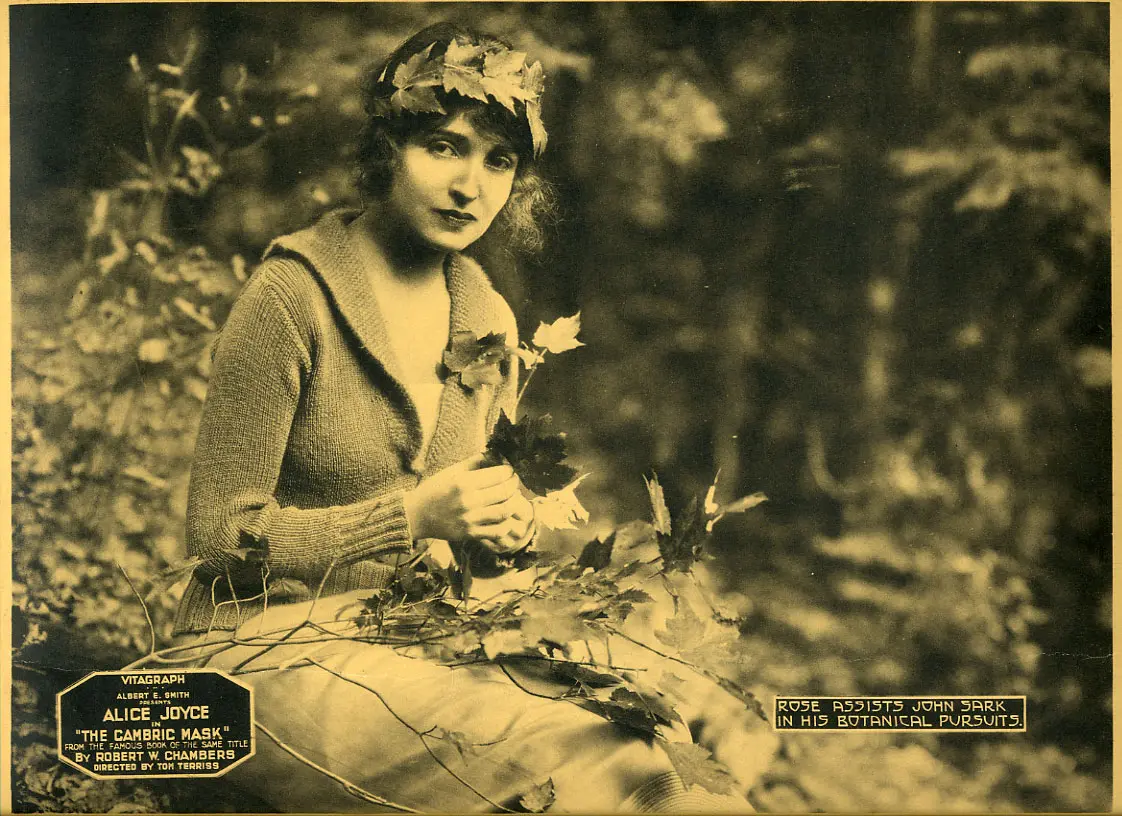
Director Tom Terriss, working from a script by Robert W. Chambers, F.R. Buckley, and Eugene Mullin, demonstrates a keen understanding of cinematic rhythm and visual storytelling. The pacing of *The Cambric Mask* is remarkably assured, building suspense through carefully constructed sequences and dynamic intercutting. Terriss masterfully uses the landscape as more than just a backdrop; it’s an active participant in the drama, its vastness emphasizing the isolation and vulnerability of the characters, while its rugged beauty mirrors the wild spirit of the era. The action sequences, particularly the horse chases and the climactic confrontation, are staged with a vitality that belies the film’s age, showcasing an early mastery of cinematic movement and tension. The camera work, though undoubtedly constrained by the technology of 1919, is employed to maximize emotional impact, drawing the viewer into the characters’ experiences.
The film’s thematic richness extends beyond its immediate plot. It explores the perennial conflict between preservation and exploitation, between personal liberty and collective coercion. The "White Riders" can be seen as a precursor to various forms of organized crime or vigilante justice, a common motif in both early Westerns and crime dramas. The mystery surrounding Rose's father and the inherited mask adds a layer of intergenerational conflict and the weight of past actions shaping present destinies. This is a film that subtly interrogates the nature of identity: how much of ourselves is public, and how much is concealed? How do circumstances force us to reveal hidden facets of our character? The mask itself, a simple piece of cambric, becomes a potent symbol for these questions, representing both concealment and revelation, threat and protection.
Placing *The Cambric Mask* within the broader context of 1919 cinema reveals its unique position. It deftly blends elements of the emerging Western genre with romantic melodrama and a strong undercurrent of mystery. While films like Code of the Yukon might have offered more overt adventure, or By Right of Possession explored the nuances of land ownership, *The Cambric Mask* manages to weave these threads into a cohesive and compelling whole. It’s less about grand, sweeping landscapes and more about the intimate drama played out against them. The film's compact yet intricate plot stands in contrast to some of the more sprawling narratives of its contemporaries, demonstrating that tightly focused storytelling could be just as impactful.
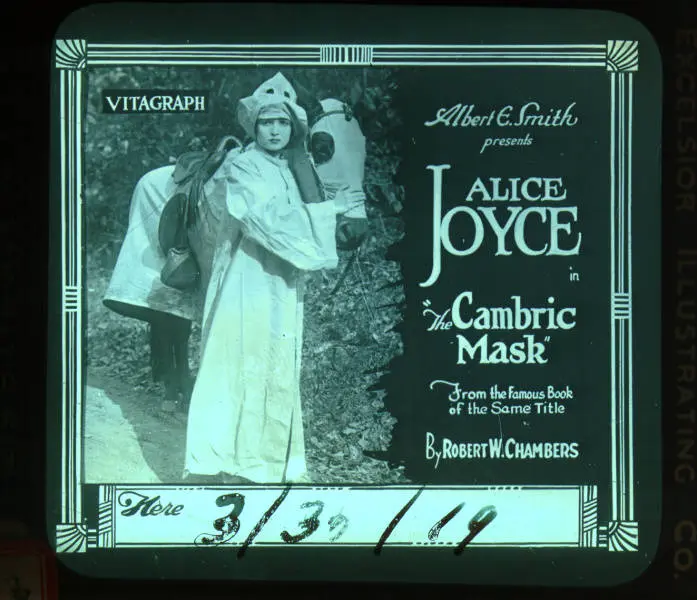
The enduring appeal of *The Cambric Mask* lies in its ability to transcend its historical medium. The themes of love, loyalty, betrayal, and heroism are universal, resonating with audiences regardless of the era. The narrative craftsmanship, particularly the clever use of the mask as a plot device and a symbol, ensures that the film remains engaging. It’s a testament to the fact that compelling characters and a well-told story are ultimately what captivate, whether accompanied by a full orchestral score or the simple, evocative piano of a silent film presentation. The film doesn't rely on spectacle alone; it relies on the quiet power of human emotion and the thrill of a secret unveiled.
For modern viewers, *The Cambric Mask* serves as a poignant reminder of the artistry and ingenuity that defined the silent era. It challenges us to engage with cinema on a different level, to appreciate the visual language, the nuanced performances, and the sheer narrative ambition that flourished before the advent of synchronized sound. It’s an invitation to step back in time, to witness a form of storytelling that, while lacking dialogue, speaks directly to the heart and imagination. This film, with its thrilling plot and emotional depth, is a compelling argument for the continued exploration and appreciation of early cinematic masterpieces.
The film’s construction of suspense is particularly noteworthy. From the initial discovery of the mask to Rose’s daring rescue, Terriss maintains a consistent level of tension. The audience is constantly left to wonder about the true allegiances and capabilities of the characters. This isn't a film where the villain's motives are ambiguous; Murden is clearly driven by greed. However, the mystery surrounding Rose’s connection to the "White Riders" and her eventual heroic intervention adds layers of complexity that keep the viewer invested. The ambiguity of the mask — is it a symbol of villainy or heroism? — is played brilliantly, creating a narrative chiaroscuro that mirrors the visual style of the era.
The romance between John Sark and Rose Ember is not a superficial one. It develops organically through shared adversity and mutual respect. Their relationship isn't merely a backdrop for the action; it's intricately woven into the fabric of the mystery. The discovery of Rose's identity as Sark's savior doesn't just resolve a plot point; it deepens their emotional connection, transforming their bond from that of employer and assistant to one of true partners. This evolution of their relationship, from professional to profoundly personal, is one of the film's most satisfying elements, showcasing a maturity in storytelling that transcends its time.
Ultimately, *The Cambric Mask* stands as a quiet triumph of early American cinema. It’s a compelling narrative that leverages the strengths of the silent medium to deliver a story rich in intrigue, emotion, and action. It reminds us that sometimes, the most powerful stories are those told with the fewest words, where every image and every gesture carries immense weight. The film’s intricate plot, memorable characters, and sophisticated themes ensure its place as a fascinating, if criminally underseen, piece of cinematic history. It's a film that deserves to be unmasked and rediscovered by a new generation of cinephiles, offering a captivating glimpse into the foundational artistry of the moving image.
IMDb —
1935
Community
Log in to comment.