DbcultAccessing Vault...
Cult Review
Senior Film Conservator
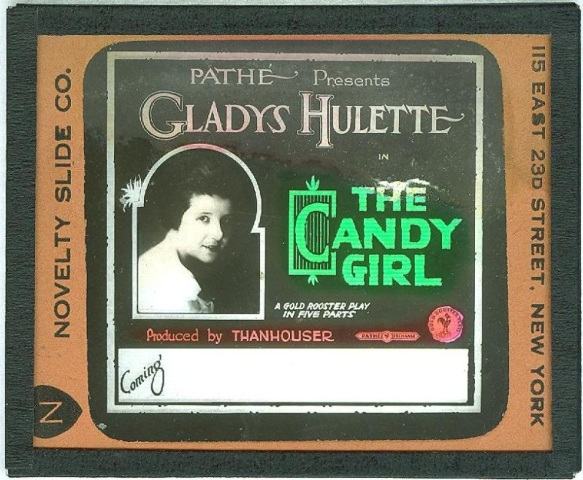
In the annals of early cinema, where narratives often leaned into broad melodrama or simplistic morality plays, a film like 1917's 'The Candy Girl' emerges as a surprisingly nuanced and emotionally resonant work. Directed with a keen eye for human frailty and resilience, and penned by the insightful Philip Lonergan, this silent drama transcends its era's limitations to deliver a story that, even today, feels remarkably prescient in its exploration of love, ambition, and the devastating grip of addiction. It's a cinematic confectionery, yes, but one laced with a potent, sobering truth, inviting audiences to look beyond the sugary surface into the complex heart of its characters.
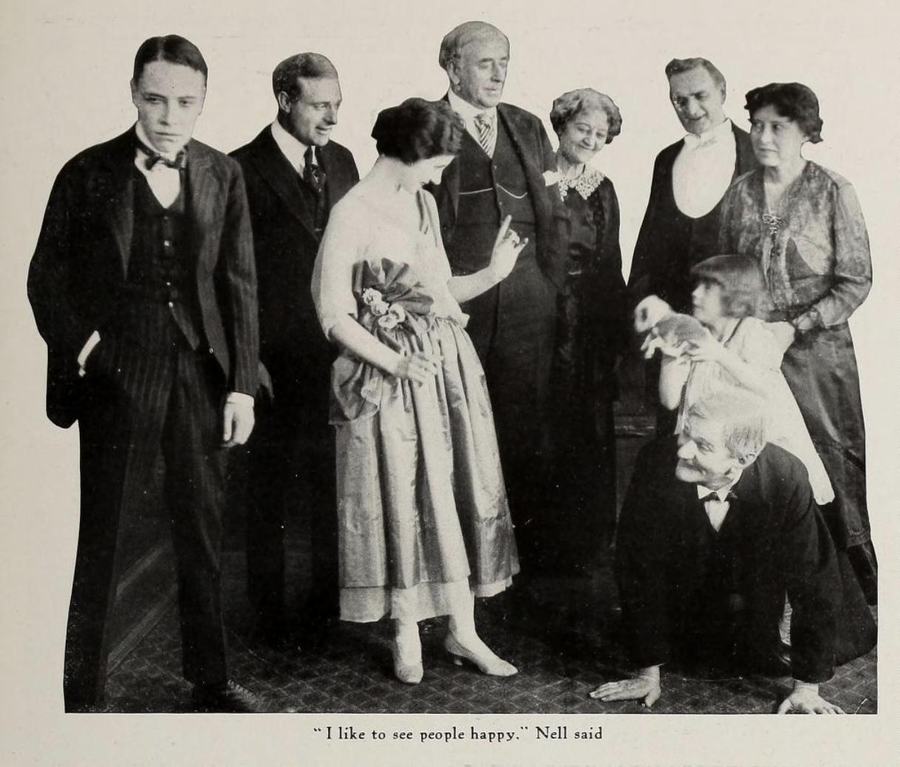
The film introduces us to Nell, portrayed by the luminous Gladys Hulette, a young woman whose rural innocence is matched only by her burgeoning entrepreneurial spirit. Disenchanted with the predictable rhythms of farm life, Nell ventures into the bustling, intimidating metropolis of New York City, clutching a dream as fragile yet sweet as the candies she intends to sell. Her initial attempts to establish a candy store are fraught with the harsh realities of urban commerce; the city, depicted here as a formidable beast, threatens to consume her aspirations whole. This early struggle for survival is a common trope in silent cinema, often serving as a crucible for character development, much like the plucky heroines in films such as Rags, who also navigate societal hurdles with sheer grit. Yet, Hulette imbues Nell with a quiet determination that elevates her beyond a mere archetype, making her plight genuinely affecting.
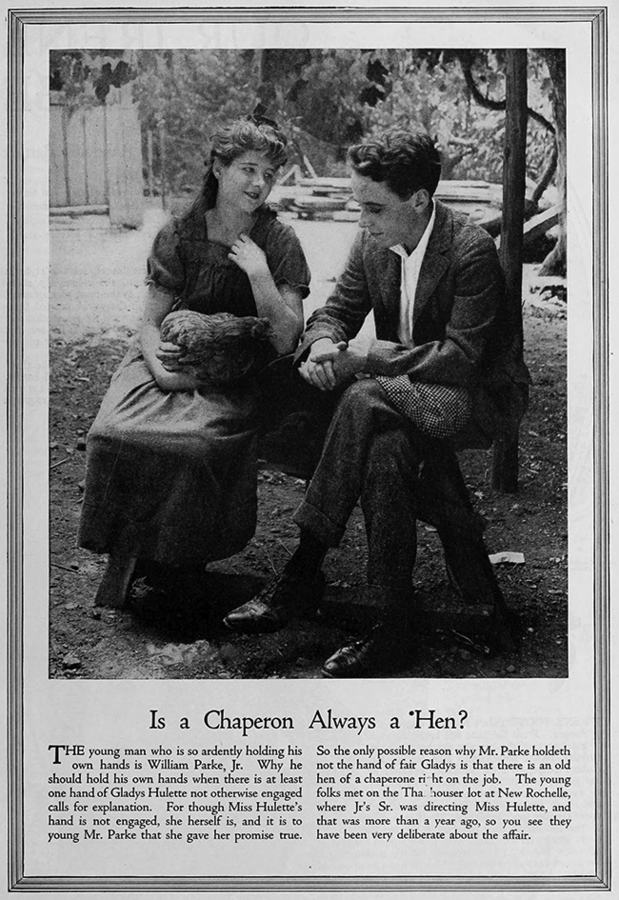
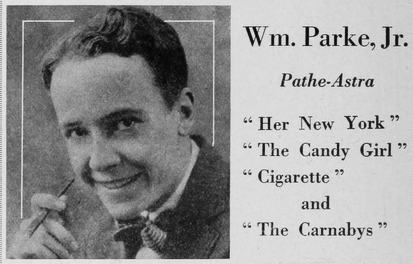
Nell's fortunes take an unexpected turn with the arrival of Jack Monroe, played by William Park Jr. with a captivating blend of boyish charm and underlying vulnerability. Jack is a scion of privilege, a young man whose affluence has perhaps shielded him from life's sharper edges, leading to a spendthrift nature that hints at deeper instabilities. He is initially drawn to Nell's nascent business not out of altruism, but perhaps a fleeting amusement or a desire to alleviate boredom. However, his unconventional, even flamboyant, methods inject much-needed vitality into her struggling enterprise. This dynamic, where an unlikely benefactor provides a lifeline, is a classic narrative device, but here it's tinged with an undercurrent of unease, a subtle foreshadowing that not all is as sweet as it seems. Their partnership blossoms into romance, a whirlwind courtship culminating in marriage, and a domestic arrangement under the benevolent, if somewhat oblivious, gaze of Jack's father, J. H. Gilmour, who embodies the traditional patriarchal figure with a warmth that makes his later decisions all the more poignant.
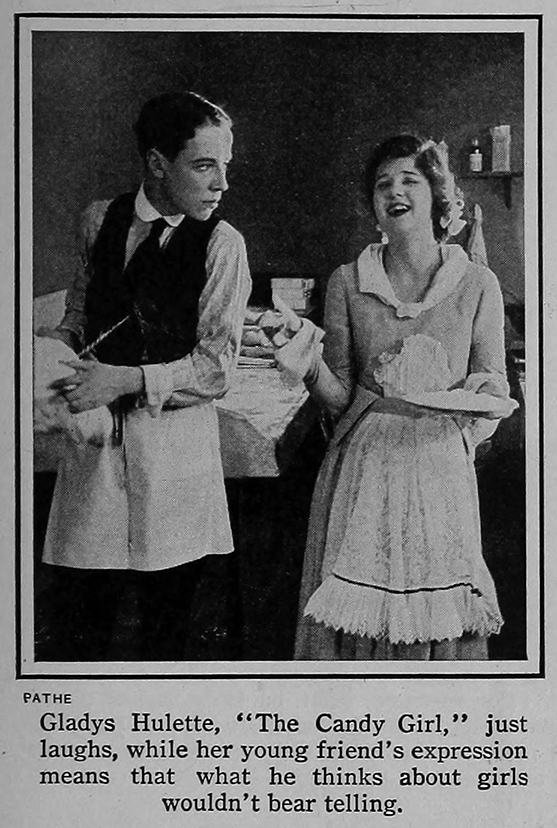
The initial joy of their union, however, proves to be tragically ephemeral. The film masterfully peels back the layers of Jack's seemingly carefree existence to reveal a devastating truth: he is a drug addict. This revelation is handled with a gravity that defies the often sensationalized portrayals of addiction in early cinema. It's not a sudden, melodramatic outburst, but a gradual, agonizing dawning for Nell, a slow unraveling of her dreams. The film doesn't shy away from the ugliness of addiction, depicting its corrosive effect not just on Jack, but on the fabric of their nascent family. This unflinching honesty sets 'The Candy Girl' apart, aligning it more with the social realism beginning to emerge in parallel to its melodramatic contemporaries. The raw emotional impact of this discovery is palpable, a testament to both Lonergan's script and Hulette's expressive performance.
In a moment of profound empathy and perhaps a touch of despair, Jack's father, J. H. Gilmour, offers Nell an escape: an annulment. This act, born of compassion and a desire to spare Nell further suffering, presents her with a clear path to freedom, a return to a life unburdened by Jack's affliction. Yet, it is at this juncture that Nell's character truly solidifies into a figure of immense strength and unwavering devotion. She refuses the annulment, choosing instead a path of arduous commitment, a decision that elevates the film from a mere domestic drama to a powerful testament to the transformative power of love and sacrifice. Her choice is not born of naiveté, but of a deeply ingrained sense of loyalty and a belief in the possibility of redemption, however distant. This profound moral stand places Nell among the most compelling heroines of silent cinema, a woman who, despite her initial vulnerability, possesses an inner fortitude that few could match. Her journey becomes less about her own personal happiness and more about the indefinite, often agonizing, odyssey of pursuing Jack's rehabilitation.
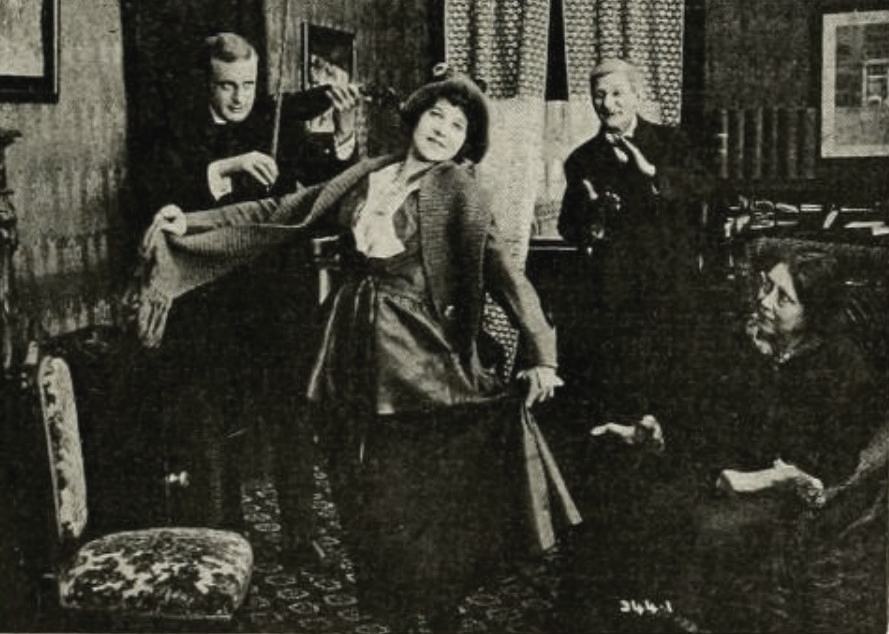
Gladys Hulette's portrayal of Nell is nothing short of magnificent. She conveys a spectrum of emotions – from wide-eyed optimism to crushing despair, from quiet determination to fierce loyalty – all through the nuanced language of silent acting. Her eyes, often brimming with unshed tears or alight with a spark of hope, communicate volumes. She embodies the classic 'girl-next-door' archetype, yet infuses it with a grit and emotional complexity that is deeply moving. William Park Jr. as Jack Monroe is equally compelling. He doesn't portray Jack as a villain, but as a man deeply flawed, caught in a struggle that elicits both pity and frustration. His moments of charm are genuine, making his descent into addiction all the more tragic. J. H. Gilmour, as the father, provides the film's moral anchor, his initial geniality giving way to a profound, sorrowful understanding that drives his compassionate offer to Nell. The supporting cast, including Justus D. Barnes, John Bowers, Carey L. Hastings, Arthur Bauer, Thomas A. Curran, Helen Badgley, Ethyle Cooke, and Celia Clay, collectively build a believable world around these central figures, adding texture and depth to the narrative tapestry.
The direction, while adhering to many conventions of the silent era, demonstrates a commendable focus on character interiority. Close-ups are utilized effectively to convey Nell's emotional turmoil and Jack's moments of clarity or despair. The visual storytelling, characteristic of the period, relies heavily on expressive acting and carefully composed intertitles to bridge narrative gaps and articulate inner thoughts. The contrast between the bustling city scenes and the quiet intimacy of Nell and Jack's domestic struggles is well-handled, reinforcing the idea that personal battles can be fought amidst the clamor of the world. Philip Lonergan's screenplay is the backbone of this emotional depth, crafting a narrative that avoids easy answers and instead delves into the difficult, protracted nature of overcoming addiction. It's a story that resonates with the themes of perseverance found in other films of the era, such as Peace on Earth, which often explored moral dilemmas and the struggle for personal integrity.
The film's exploration of addiction is particularly noteworthy for its time. While some contemporary films might have sensationalized the topic or reduced it to a simplistic moral failing, 'The Candy Girl' approaches it with a degree of empathy, framing it as a destructive force that requires immense struggle and support to overcome. This progressive stance, though perhaps not fully developed by modern standards, marks it as a film ahead of its time in its social commentary. It implicitly questions the societal pressures and personal weaknesses that can lead to such a predicament, and crucially, highlights the immense personal cost borne by those who stand by the afflicted. This thematic bravery can be seen as a precursor to more complex social dramas that would emerge in later decades, distinguishing it from simpler narratives like Snow White which, while charming, operated on a different narrative plane.
In an era where many films have faded into obscurity, 'The Candy Girl' retains a quiet power. It’s a testament to the enduring human spirit and the profound depths of love that can compel one to undertake seemingly impossible tasks. Nell's decision to stay, to fight for Jack, is not presented as a martyrdom, but as an active, conscious choice rooted in a love that transcends personal comfort. This theme of unwavering commitment in the face of adversity is a timeless one, echoing across cinematic history, and it is here, in the silent, expressive faces of Hulette and Park Jr., that it finds a particularly poignant articulation. The urban setting, with its promises and perils, also places it alongside other silent films that grappled with the complexities of city life, such as The Rail Rider or On Dangerous Ground, portraying the city not just as a backdrop, but as an active participant in the characters' fates.
Ultimately, 'The Candy Girl' is more than just a historical curiosity; it is a vital piece of cinematic heritage that offers a window into the social concerns and artistic sensibilities of its time. It challenges viewers to consider the true meaning of commitment, forgiveness, and the arduous path towards redemption. It reminds us that even in the most challenging circumstances, hope, however fragile, can persist, nurtured by the steadfast devotion of a loving heart. For aficionados of silent film, or indeed anyone interested in the enduring power of human drama, this film is an essential watch, a bittersweet confection that leaves a lasting, thought-provoking aftertaste. Its quiet strength and emotional sincerity make it a truly remarkable and resonant work, proving that even without spoken words, a film can speak volumes about the human condition. Its legacy lies not just in its pioneering narrative, but in its ability to stir the soul, making it a compelling experience even a century after its initial release.

IMDb 7.6
1931
Community
Log in to comment.