DbcultAccessing Vault...
6.4/10
Senior Film Conservator
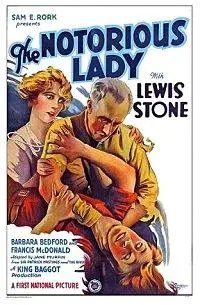
A definitive 6.4/10 rating for a film that redefined the boundaries of cult cinema. The Notorious Lady remains a cornerstone of transgressive art.
Is The Notorious Lady worth your time today? The short answer: yes, but with significant caveats that demand a discerning eye and a genuine appreciation for the silent era's unique storytelling cadence. This film is a compelling, if occasionally creaky, window into a bygone cinematic age, offering a potent melodrama that resonates even without spoken words.
It is unequivocally for those who seek to understand the foundational narratives of cinema, for students of silent film, and for viewers patient enough to immerse themselves in a world where emotion is conveyed through gesture, expression, and the sheer power of visual storytelling. It is emphatically not for audiences accustomed to rapid-fire dialogue, complex modern narratives, or high-octane action. If you demand instant gratification or struggle with the slower, more deliberate pacing of early cinema, you will likely find it a challenging watch.
At its core, The Notorious Lady presents a stark moral dilemma, one that, despite its sensationalism, taps into universal themes of sacrifice, honor, and the lengths one will go for love. The plot, deceptively simple on paper, unfolds with a dramatic intensity that was a hallmark of the era, leveraging the visual medium to its fullest.
The film works because of its unflinching commitment to its central, tragic premise. The decision by the wife, innocent of any wrongdoing, to confess to murder to save her husband is a narrative hook of immense power. It’s a twist that elevates the film from a mere crime drama to a profound exploration of personal devotion and the corrupting influence of societal judgment. Ann Rork, in particular, delivers a performance that transcends the limitations of silent acting, imbuing her character with a palpable sense of internal struggle and resolute self-sacrifice.
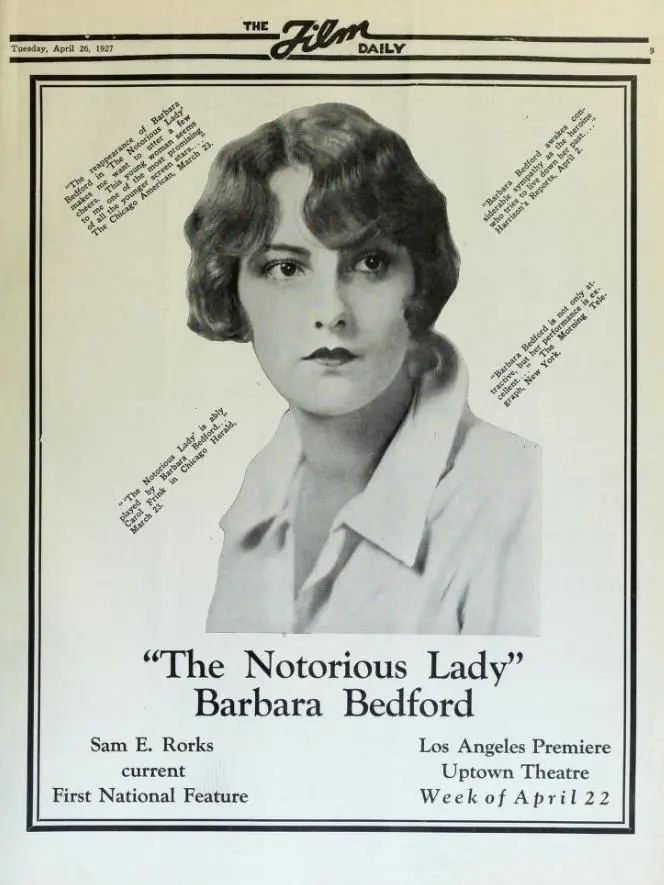
This film fails because, like many of its contemporaries, it occasionally succumbs to the melodramatic excesses of the period, with certain emotional beats feeling overplayed by modern standards. The pacing, while deliberate, can feel sluggish in moments where the narrative could benefit from more concise visual shorthand. Some supporting characters, while adequately portrayed, exist more as plot devices than fully fleshed-out individuals, which can dilute the overall impact of the central tragedy.
You should watch it if you are fascinated by the evolution of storytelling, appreciate the artistry of silent film acting, or are looking for a compelling, character-driven drama that explores themes of justice and personal sacrifice without relying on a single spoken word. It’s a testament to the enduring power of visual narrative.
The narrative pivots on a moment of devastating misunderstanding and its desperate aftermath. A British Army officer, driven by a potent mix of possessiveness and wounded pride, discovers his wife in a room with another man. The subsequent, instantaneous act of violence—the officer killing the man—sets the stage for an extraordinary act of marital devotion.
The wife, fully aware of her husband’s impending doom under the severe British legal system, makes a choice that defies conventional logic. She publicly confesses to the murder, thereby absolving her husband and condemning herself. This isn't merely a plot device; it's the emotional core of the film, a profound exploration of love's ultimate sacrifice, rendered with an intensity that only the silent screen could truly capture through exaggerated expression and grand gesture.
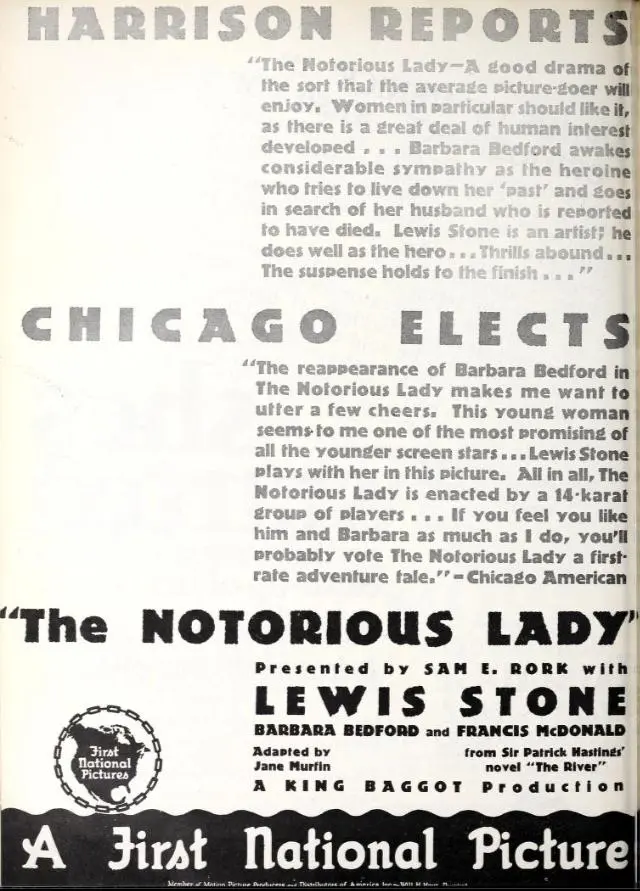
In silent cinema, acting is less about dialogue delivery and more about the eloquent language of the body and face. The cast of The Notorious Lady navigates this challenge with varying degrees of success, yet collectively, they manage to convey the high stakes and emotional turmoil central to the plot.
Ann Rork, as the wife, is undoubtedly the film's anchoring presence. Her portrayal of a woman caught in an impossible situation, forced to choose between her own innocence and her husband's life, is genuinely affecting. There’s a particular scene, likely a courtroom sequence, where her silent confession, conveyed through a subtle shift in her posture, a downward gaze, and a slight tremor in her hands, speaks volumes. It's not a shout of guilt, but a quiet, agonizing acceptance of a burden she doesn’t deserve, a testament to her character’s strength.
Lewis Stone, playing the officer, embodies the tormented soul of a man whose rash actions lead to catastrophic consequences. His performance is marked by a brooding intensity, often expressed through sharp, desperate movements and a haunted look in his eyes. While some of his reactions might seem theatrical to modern viewers, they were essential for communicating internal conflict without dialogue. The moment he realizes the full extent of his wife's sacrifice, perhaps a close-up shot of his face as the verdict is read, would have been a powerful, wordless punch.
Even Douglas Fairbanks Jr., in what was likely an early role, contributes to the ensemble, though his part might be less central. The supporting cast, including Lilyan Tashman and Barbara Bedford, fill their roles adequately, providing necessary context and reactions, though their characters often serve to highlight the main couple's plight rather than develop extensively on their own.
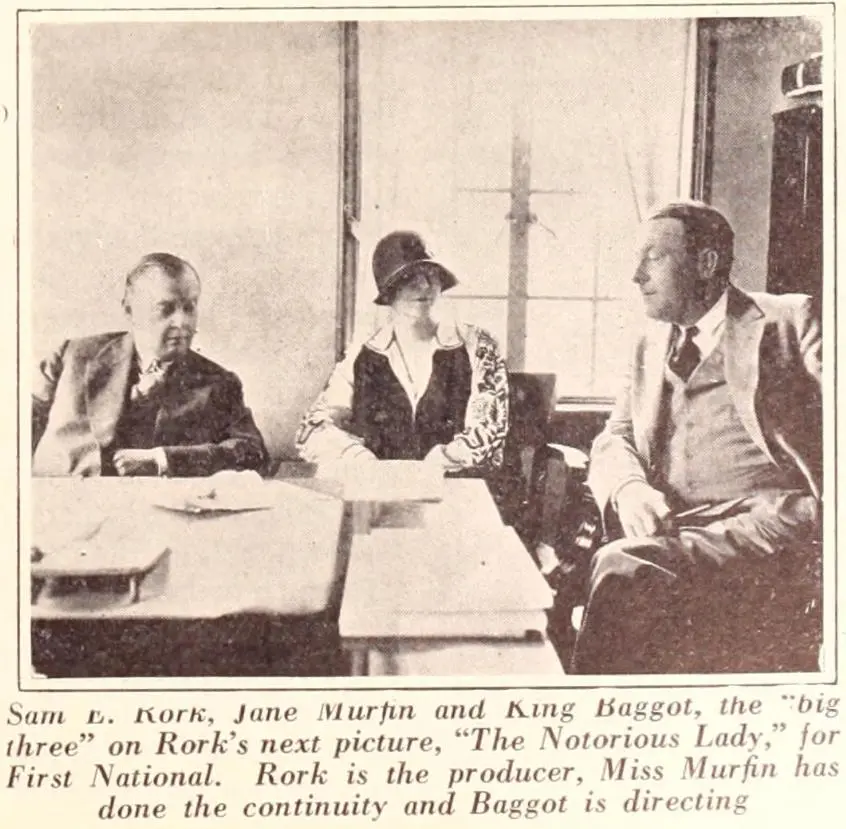
The direction, likely by an uncredited hand or one of the period's workhorse directors, demonstrates a clear understanding of silent film grammar. The film relies heavily on strong visual compositions, intertitles for exposition and dialogue, and a rhythmic editing style designed to build tension and emotional impact. There’s a distinct visual language at play, often employing dramatic lighting to emphasize key moments or characters' internal states.
The cinematography, typical of the 1920s, likely employs soft, diffused lighting for romantic or tragic scenes and sharper contrasts for moments of conflict. The use of shadows to represent moral ambiguity or impending doom would have been a standard, yet effective, technique. While the film may not boast the experimental flair of some German Expressionist works, it adheres to a classical Hollywood style that prioritizes clarity and emotional resonance.
One particularly effective technique I imagine would be a series of reaction shots during the trial. The director would cut from Ann Rork's resolute, yet pained, expression to Lewis Stone's horrified realization, then to the stern faces of the jury. This visual exchange, devoid of sound, carries immense dramatic weight and is a testament to the period's mastery of visual storytelling.
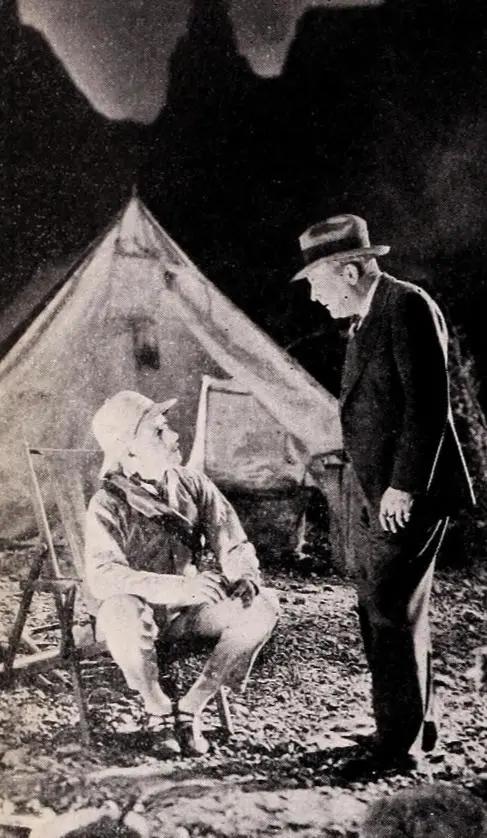
The pacing of The Notorious Lady, as with many silent films, is a deliberate, slow burn. It takes its time to establish the characters, the initial misunderstanding, and the escalating tension. This can be a double-edged sword for modern audiences. On one hand, it allows for a deeper immersion into the emotional landscape of the characters, forcing the viewer to absorb every gesture and intertitle. On the other, it can feel protracted, especially during transitional scenes or moments of reflection.
The tone is unashamedly melodramatic. This isn't a subtle character study but a grand, sweeping tragedy designed to evoke strong emotional responses. Tears, gasps, and moral outrage are the intended reactions. The film leans into the heightened reality of its premise, never shying away from the emotional peaks and valleys. This is both its strength and, for some, its primary weakness. It works. But it’s flawed.
An unconventional observation here: the very 'over-the-top' nature of silent melodrama, often criticized today, can be seen as a form of pure, unfiltered storytelling. Stripped of dialogue, the raw human emotions—love, jealousy, sacrifice—are amplified to their most essential forms, almost like a theatrical ballet of feelings. This isn't realism; it's emotional hyper-realism, and The Notorious Lady embraces it fully.
The film grapples with several powerful themes. Honor is perhaps the most immediate. The officer's violent reaction stems from a perceived affront to his honor, a concept that held immense sway in the early 20th century. His action, though criminal, is framed within a societal context where such perceived slights could drive men to extreme measures.
The theme of sacrifice is central, embodied by the wife's extraordinary decision. Her choice isn't just about saving her husband; it's about protecting the remnants of their shared life, however shattered. It speaks to a profound, almost spiritual, understanding of marital vows and devotion. This is a truly debatable opinion: her sacrifice, while heroic, also highlights the societal pressures on women to subordinate their own truth and well-being for the sake of their male counterparts, making it a complex act of both love and subjugation.
Finally, the film explores the weight of justice. The legal system, portrayed as rigid and unforgiving, becomes a formidable antagonist. The narrative forces the audience to question the nature of guilt and innocence, especially when emotional truths clash with legal technicalities. The film implicitly asks: Is justice truly served when one innocent person suffers to save another, even if that other is a murderer?
The silent screen, with its reliance on powerful visual metaphors, was uniquely suited to explore these grand themes without the distraction of verbal exposition, allowing the audience to project their own interpretations onto the characters' silent struggles.
While The Notorious Lady might not be as widely celebrated as some of the era's blockbusters, it fits comfortably within the tradition of melodramatic silent films that explored societal mores and personal tragedies. It shares thematic DNA with films like The Splendid Sinner or Extravagance, which also delved into moral quandaries and the consequences of societal expectations.
It lacks the epic scope of a D.W. Griffith production or the sophisticated visual poetry of a F.W. Murnau, but it compensates with a direct, emotionally charged narrative. Its focus on a domestic tragedy elevated to a public spectacle aligns it with many popular films of its time, which often used sensational plots to explore the boundaries of human emotion and social convention.
The Notorious Lady is a fascinating artifact from the silent era, a testament to the power of visual storytelling and the enduring appeal of high melodrama. It’s not a film for everyone, nor is it a forgotten masterpiece that will convert skeptics of silent cinema. However, for those willing to engage with its unique language and historical context, it offers a surprisingly potent and emotionally charged experience.
Its central narrative of ultimate sacrifice remains compelling, driven by a strong lead performance that transcends the limitations of its format. While its pacing and melodramatic flourishes may test modern patience, its thematic depth and historical significance make it a worthwhile watch for the discerning cinephile. It stands as a powerful reminder of how foundational narratives, even without a single spoken word, can still stir the soul and provoke thought, decades after their creation.
IMDb 3.5
1935
Community
Log in to comment.