DbcultAccessing Vault...
6.7/10
Senior Film Conservator
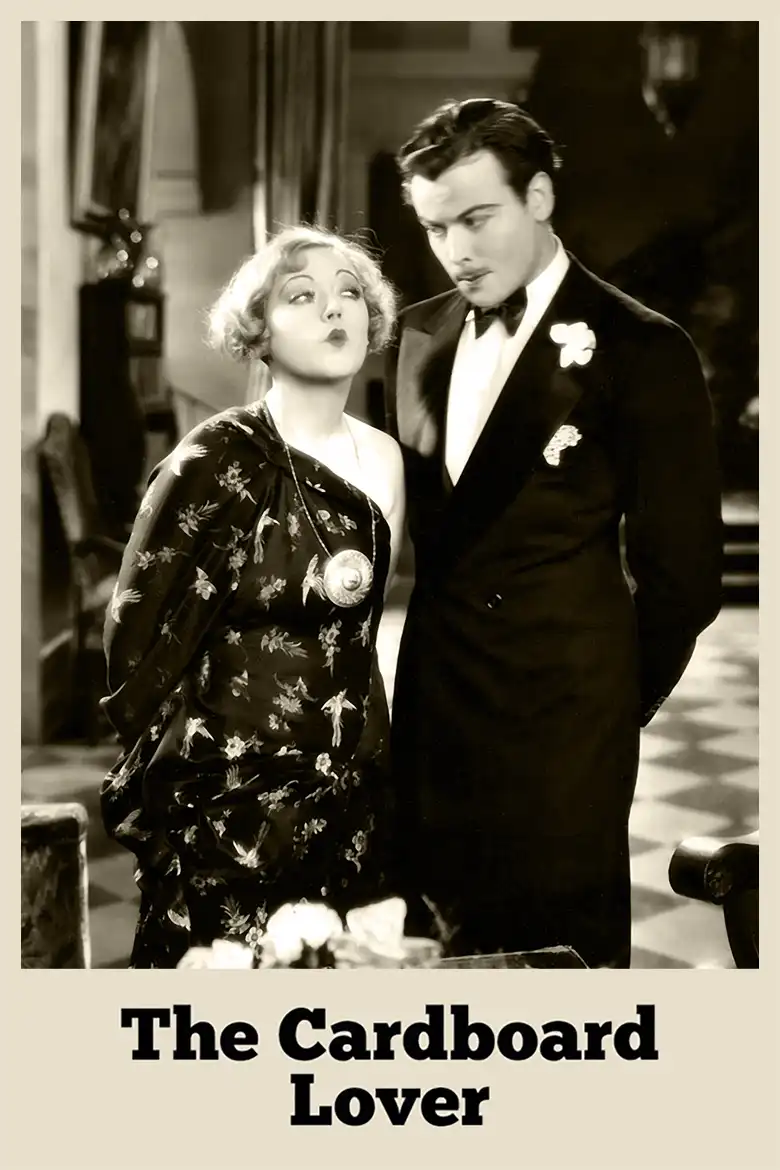
A definitive 6.7/10 rating for a film that redefined the boundaries of cult cinema. The Cardboard Lover remains a cornerstone of transgressive art.
If you are looking for a somber piece of silent era art, The Cardboard Lover is not it. However, if you want to see one of the era’s most underrated comic geniuses at the height of her physical powers, this film is essential viewing. It is a loud, busy, and frequently hilarious farce that succeeds almost entirely on the back of Marion Davies’ willingness to look ridiculous. It’s for anyone who enjoys 'screwball' prototypes or high-society satires; it will likely bore those who prefer the slow-burn visual poetry of European silent cinema.
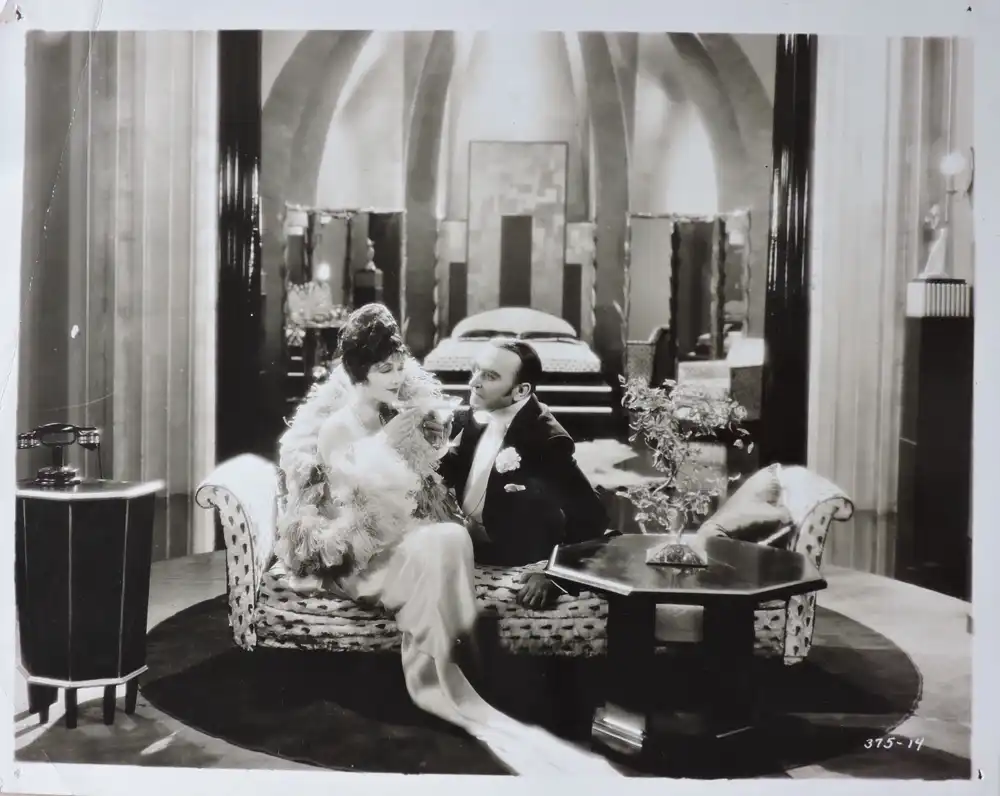
The film hinges on a premise that would become a staple of the sound era: the 'fake relationship' that inevitably turns real. But in 1928, under the direction of Robert Z. Leonard, the focus isn't on the romance so much as the sheer annoyance factor. Marion Davies plays Sally, an autograph hunter who doesn't just admire tennis pro Andre Sorel (Nils Asther); she stalks him with a relentless, wide-eyed fervor. When Andre hires her to be his 'cardboard lover' to ward off the vampy Simone (Jetta Goudal), he thinks he’s hiring a tool. Instead, he’s invited a whirlwind into his hotel suite.
Davies is fascinating to watch here. Unlike many of her contemporaries who focused on being 'America’s Sweetheart,' Davies was never afraid of a distorted face or a clumsy pratfall. There is a specific scene early on where she is trying to get Andre’s attention at a crowded outdoor café. The way she maneuvers through the tables, nearly tripping over her own feet while maintaining a look of desperate, manic hope, tells you everything you need to know about the character. She isn't a victim of circumstance; she is a predator of affection.
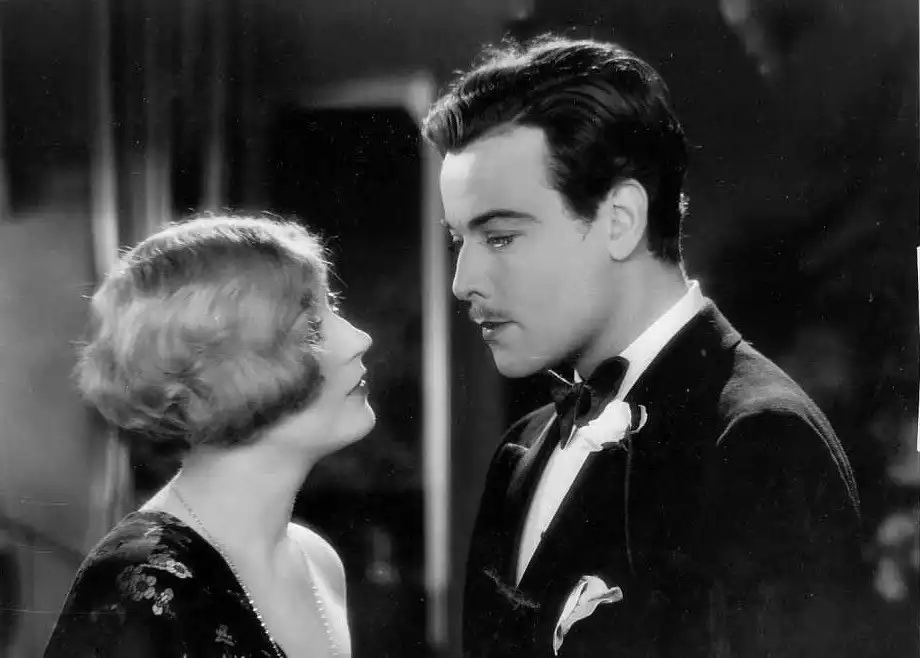
Nils Asther, as Andre, provides the necessary anchor. He is handsome, stiff, and increasingly bewildered. While his performance isn't as dynamic as Davies’, his mounting frustration is the engine that keeps the gags moving. You can see the genuine exhaustion in his eyes during the extended hotel suite sequences where Sally refuses to leave his side. It’s a performance of restraint that contrasts well with the slapstick surrounding him.
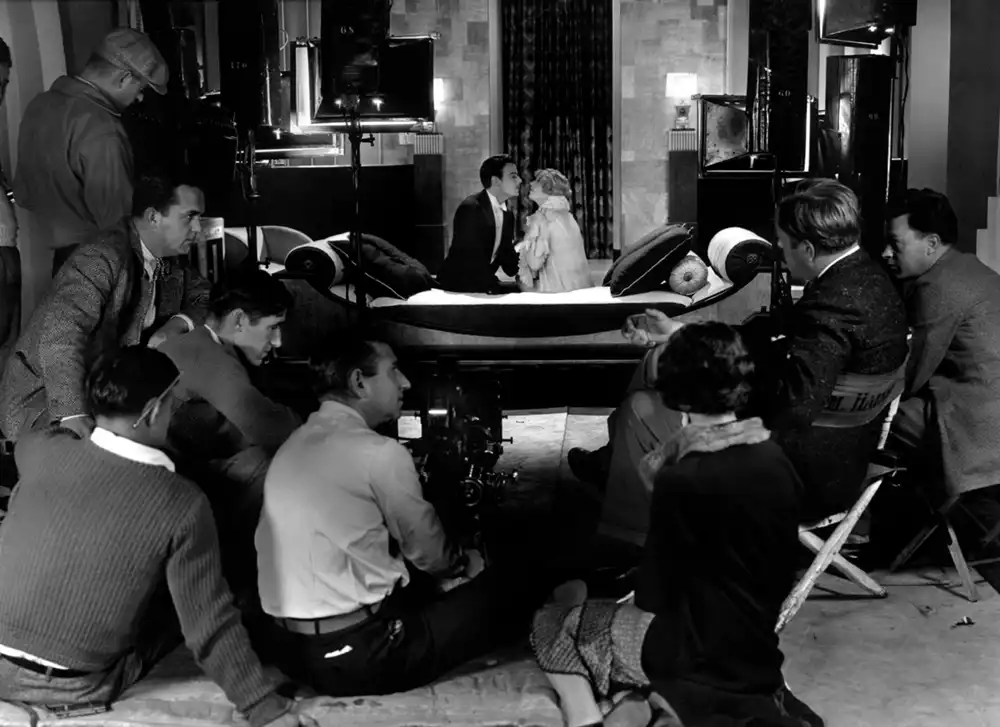
Then there is Jetta Goudal as Simone. Goudal plays the 'other woman' with a stylized, almost reptilian grace. Every movement is calculated, every blink is slow. The film is at its best when Davies is forced to interact with Goudal. There is a brilliant moment where Sally decides to mimic Simone’s sophisticated 'vamp' walk. Davies, who was a legendary mimic in real life, skewers the over-the-top theatricality of the 'femme fatale' archetype. It’s a meta-commentary on silent acting styles that still feels sharp today.
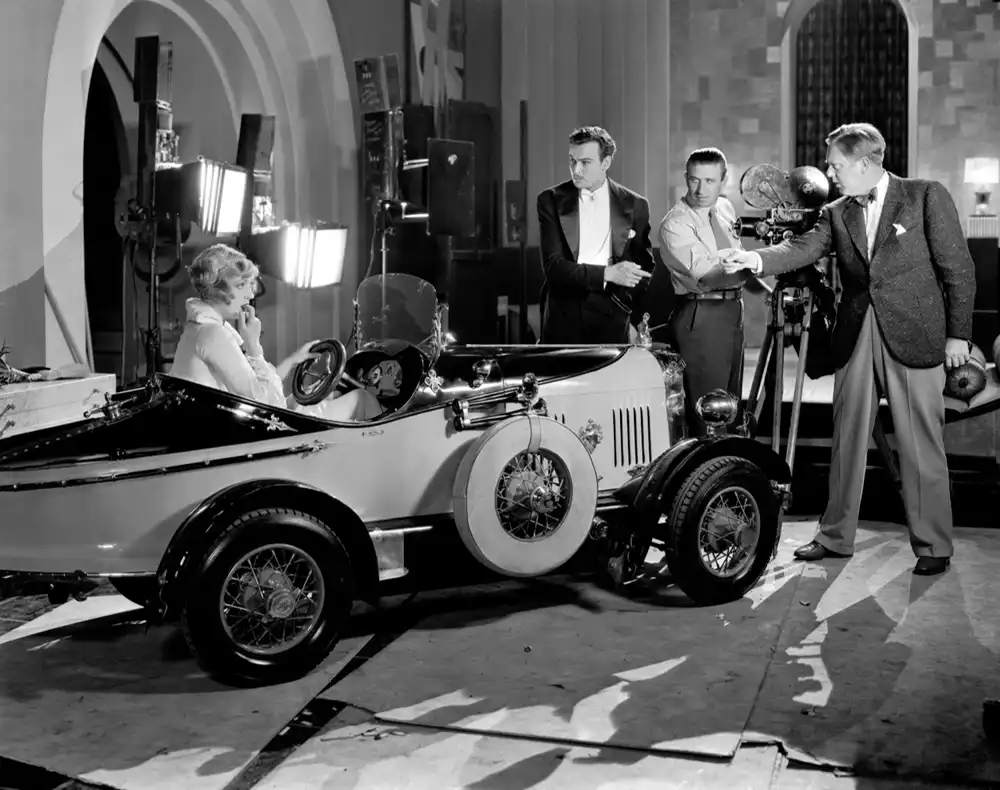
The film’s rhythm is noticeably uneven, which is typical for late-silent comedies trying to bridge the gap into the talkie era. The first act is breezy and outdoor-focused, capturing the sun-drenched glamour of Monte Carlo. However, the second act settles into a long, almost stage-bound series of encounters in Andre’s hotel rooms. While the physical comedy is top-notch—involving everything from hiding under beds to elaborate 'crying' fits—the film does start to feel its length here. A few of the 'Sally won't leave the room' gags go on one beat too long, and the intertitles occasionally over-explain jokes that the actors have already landed physically.
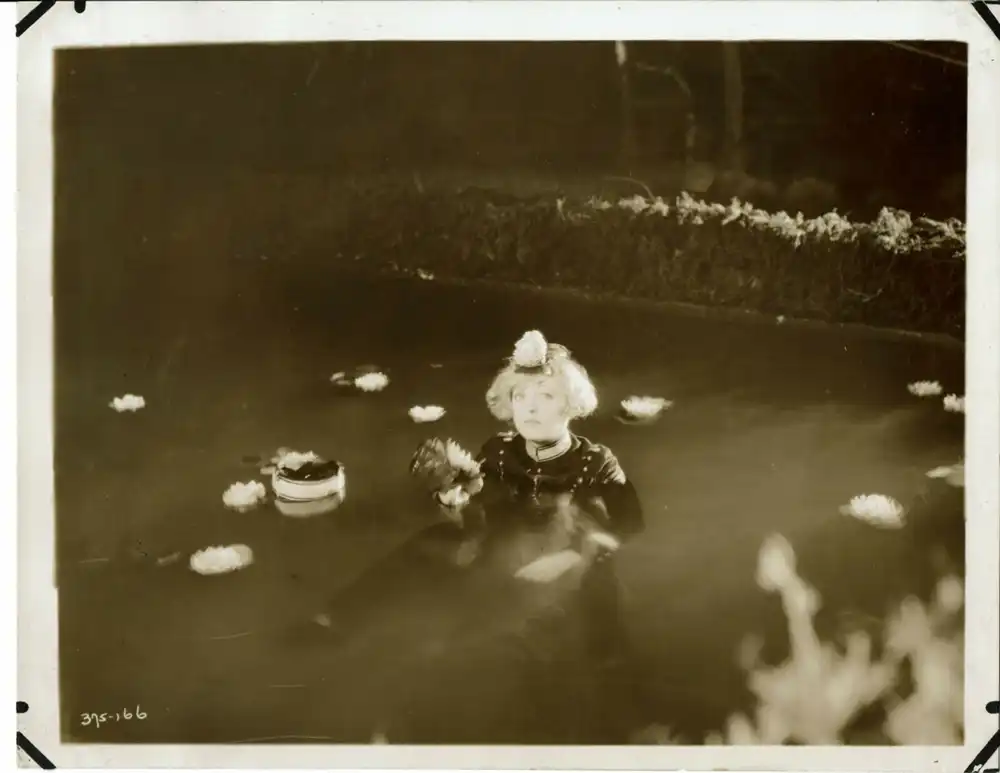
Visually, the film is a testament to the high production values of 1920s MGM. The costumes are spectacular, particularly the contrast between Sally’s youthful, slightly messy attire and Simone’s architectural gowns. The lighting in the final act, which takes place during a rainy night, adds a layer of atmosphere that elevates the slapstick into something slightly more cinematic. It’s not as visually inventive as a film like Hard Luck, but it has a polished, expensive sheen that makes the chaos feel more grounded in a real world of privilege.
One detail that only someone watching closely would notice is the way Davies uses her hands. In the scene where she is 'protecting' Andre from a phone call from Simone, her fingers are constantly in motion—fiddling with the cord, tapping the receiver, adjusting her hair. It’s a nervous, high-strung energy that makes the character feel human rather than just a plot device. Also, look for the background extras in the casino scenes; unlike many films of the era where extras stand like statues, Leonard has them moving with a naturalistic bustle that makes the Monte Carlo setting feel lived-in.
The film also touches on social class in a way that feels similar to The Snob, though much less cynically. Sally is the quintessential American interloper, breaking the rigid social codes of the European elite through sheer persistence. Her lack of 'proper' behavior is her greatest weapon.
The Cardboard Lover works because it understands that love is often a form of madness. It doesn't try to make Sally’s obsession particularly 'cute' or 'logical.' She is a nuisance, and the film leans into that. While the middle section drags and the resolution is predictable, the sheer joy of watching Marion Davies dismantle a room makes it worth the time. It’s a loud, sweaty, frantic comedy that serves as a reminder that before she was a footnote in a Hearst biography, Davies was one of the funniest people on screen.
IMDb —
1925
Community
Log in to comment.