DbcultAccessing Vault...
7.6/10
Senior Film Conservator
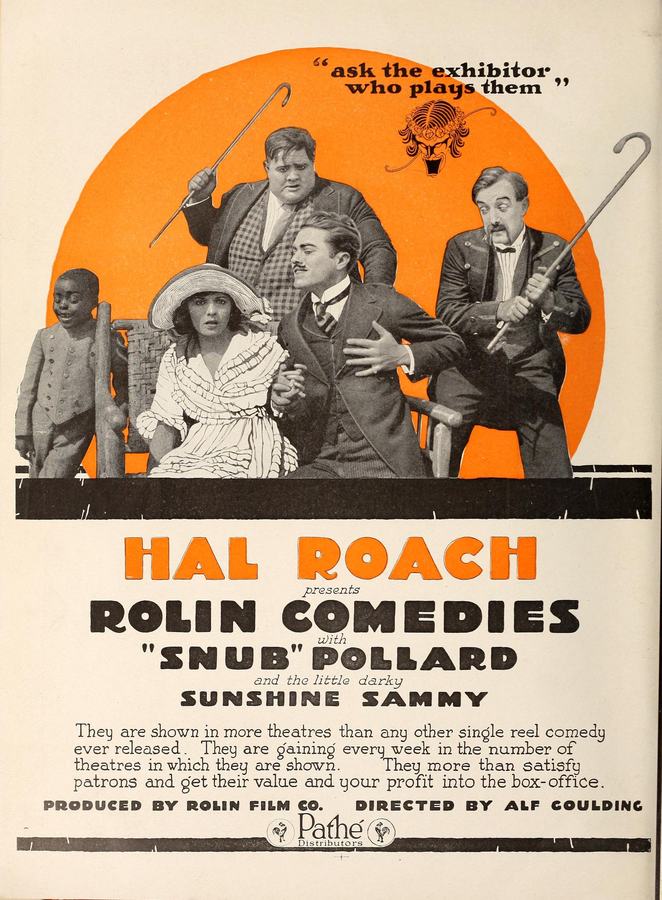
A definitive 7.6/10 rating for a film that redefined the boundaries of cult cinema. Tough Luck remains a cornerstone of transgressive art.
The year 1921 represented a pivotal juncture in the evolution of the silent short, a period where the primitive energy of the early nickelodeon gave way to the refined, high-octane choreography of the Hal Roach and Mack Sennett factories. Within this crucible of creativity, Tough Luck emerges not merely as a relic of a bygone era, but as a sophisticated exercise in comedic escalation. Starring the inimitable 'Snub' Pollard, the film serves as a masterclass in the semiotics of bad luck. While contemporary audiences might view the tropes of broken mirrors and black cats as cliché, Pollard and his troupe treat these omens with a gravity that borders on the absurd, crafting a narrative where the universe itself seems to be conspiring against the protagonist's simple desire for a peaceful afternoon.
The film’s opening movement establishes a domestic tranquility that is almost immediately shattered. When Snub and his girl, played with a charmingly reactive grace by Mildred Davis, encounter the first of many ill omens, the pacing shifts from a leisurely stroll to a frantic dash. This transition is indicative of the era's obsession with movement; the camera does not merely observe, it participates in the unfolding disaster. Unlike the more languid pacing seen in The Girl of My Dreams, Tough Luck maintains a relentless tempo that mirrors the internal panic of its lead character.
Snub Pollard remains one of the most intriguing figures of the silent era, often overshadowed by the pantheon of Chaplin, Keaton, and Lloyd. Yet, in Tough Luck, his unique comedic vernacular is on full display. His physicality is characterized by a peculiar elasticity—a body that seems capable of absorbing an infinite amount of kinetic punishment. His iconic drooping mustache serves as a barometer for his emotional state, wilting further with every new catastrophe. In this film, his performance is less about the pathos found in Chaplin’s Tramp and more about a Sisyphean struggle against the inanimate world. Every ladder is a trap, every cat a demon, and every mirror a portal to seven years of misery.
The presence of Gaylord Lloyd, brother to the more famous Harold, adds a fascinating layer to the ensemble. His comedic timing provides a necessary counterpoint to Snub’s frantic energy. We see a similar dynamic in Off the Trolley, where the interplay between the cast members creates a rhythmic density that is essential for silent comedy to function. The inclusion of Ernest Morrison, affectionately known as 'Sunshine Sammy,' further enriches the film's texture. Morrison’s presence is a reminder of the burgeoning diversity within the Roach studio, even if framed through the lens of early 20th-century sensibilities. His naturalistic reactions to the unfolding chaos often provide the biggest laughs, grounding the surreal slapstick in a recognizable human reality.
"Tough Luck is a cinematic incantation, a rhythmic conjuring of the anxieties that haunt the superstitious mind, rendered with the grace of a vaudevillian ballet."
The thematic core of Tough Luck is the deterministic power of superstition. In the early 1920s, the world was still reeling from the collective trauma of the Great War and the influenza pandemic. In this context, the idea that one's life could be derailed by a mere glance at a cross-eyed man or the path of a feline was perhaps a way of externalizing the feeling of helplessness that pervaded the era. The film takes these folkloric fears and weaponizes them for comedy. When Snub walks under the ladder, it isn't just a physical act; it is a transgression against the cosmic order, and the ensuing 'misadventures' are the universe's way of restoring balance through humiliation.
Technically, the film utilizes the limited resources of its time to great effect. The editing is sharp, cutting between the cause (the superstition) and the effect (the gag) with a precision that ensures the humor never loses its momentum. While it lacks the existential dread of a film like The Zone of Death or the philosophical weight of Homunculus, it shares with them a preoccupation with the forces that govern human destiny. However, where those films find tragedy, Tough Luck finds the sublime in the ridiculous.
The visual language of Tough Luck is one of high contrast and deep focus. The outdoor sequences, likely filmed in the burgeoning sprawl of Los Angeles, provide a stark, sun-drenched backdrop for the darkening luck of our protagonist. The use of space is particularly noteworthy. The characters often move from the foreground to the background in a single take, a technique that emphasizes the scale of the environment and the vulnerability of the individual within it. This is a far cry from the stagey, static compositions found in some contemporary dramas like The Undying Flame.
Furthermore, the 'cross-eyed man' sequence deserves special analysis. This trope, while politically incorrect by modern standards, was a staple of the 'unlucky' subgenre. In Tough Luck, this encounter is treated as the final nail in the coffin of Snub's fortune. The way the scene is framed—a tight close-up that highlights the ocular misalignment—creates a moment of genuine visual tension before the inevitable comedic payoff. It is a testament to the power of the silent image that such a simple visual cue can carry so much narrative weight. This economy of storytelling is what makes the one-reeler such a potent medium; there is no room for the narrative bloat often found in features like A Little Brother of the Rich.
To fully appreciate Tough Luck, one must understand the Hal Roach 'house style.' Unlike the chaotic, often violent 'splatter' comedy of Mack Sennett, Roach's films were characterized by a certain suburban charm and a focus on character-driven gags. Snub Pollard was the perfect vessel for this approach. He wasn't a supernatural force of nature like Keaton; he was an everyman—albeit one with a very strange mustache—trying to navigate a world that didn't quite fit him. We see echoes of this grounded absurdity in The Little Boss, though Pollard’s work remains more overtly surreal.
The film also benefits from the presence of George Rowe, whose reliable supporting work often goes unremarked but is crucial for the structural integrity of the gags. Whether he is playing a frustrated bystander or an unwitting participant in Snub's downfall, Rowe provides the necessary friction that allows the comedy to ignite. The chemistry between the cast members suggests a troupe that had worked together extensively, reaching a level of intuitive synchronization that is rare in the modern era of fragmented production schedules.
Watching Tough Luck over a hundred years after its release, one is struck by the timelessness of its central conceit. While the specific superstitions might have faded from the cultural forefront, the sensation of having a 'bad day' where everything that can go wrong does go wrong remains a universal human experience. The film captures this feeling with a vibrancy and a lack of cynicism that is profoundly refreshing. It does not seek to moralize or to offer a deeper meaning beyond the joy of the gag itself. In this sense, it is a purer form of cinema than many of its more ambitious contemporaries, such as The Cost of Hatred or The Patriot.
In the grand tapestry of silent film history, Tough Luck may be a minor thread, but it is one woven with exceptional skill and a genuine sense of play. It reminds us that at its heart, cinema is an art of motion and reaction. As Snub Pollard tumbles, slides, and grimaces his way through a landscape of ill omens, he embodies the resilience of the human spirit in the face of an indifferent universe. Whether he is being chased by a black cat or dodging the fallout of a broken mirror, he continues to move forward, a testament to the enduring power of the laugh. For anyone interested in the roots of visual comedy, or for those who simply want to see a master of the craft at work, Tough Luck is an essential, albeit short, journey into the heart of the slapstick era. It stands alongside other gems like Nobody Home as a quintessential example of how early filmmakers could turn a simple premise into a symphony of comedic timing.
Critic's Verdict: A polished gem of the silent era that proves misfortune is the mother of invention.
IMDb —
1926
Community
Log in to comment.