DbcultAccessing Vault...
4.3/10
Senior Film Conservator
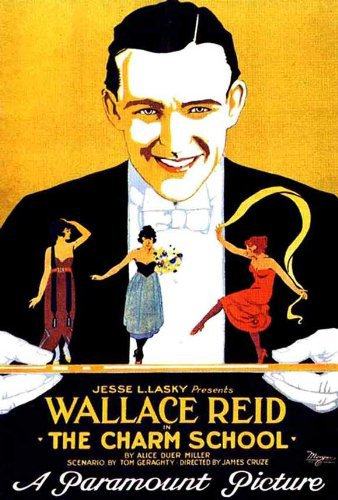
A definitive 4.3/10 rating for a film that redefined the boundaries of cult cinema. The Charm School remains a cornerstone of transgressive art.
The narrative of The Charm School is a rich tapestry, interwoven with themes of love, societal expectations, and the pursuit of one's passions. At its core is Austin Bevans, a character whose determination and resilience in the face of adversity are admirable, yet his methods and motivations are often called into question. His initial pursuit of Susie Rolles, despite her mother's disapproval, showcases a stubbornness that, while endearing, also borders on obstinacy. However, it is the turn of events following the inheritance of the boarding school that truly tests Austin's mettle and forces him to reevaluate his priorities and ambitions.
The boarding school, with its diverse cast of characters, becomes a microcosm of society, where Austin must navigate the complexities of running an institution, managing the expectations of parents and students, and, most importantly, discovering his own potential and purpose. This transformation is nothing short of remarkable, as Austin evolves from a somewhat one-dimensional suitor to a multifaceted individual with a deep sense of responsibility and compassion. The yellow hues of optimism and hope that begin to surround him are a testament to the film's ability to convey the brighter aspects of human nature and the potential for personal growth.
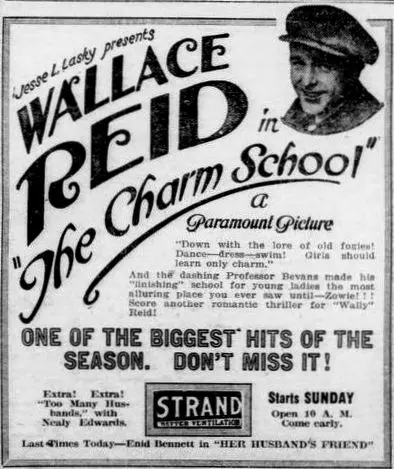
The character development in The Charm School is complemented by a strong ensemble cast, each member bringing their unique flavor to the narrative. From the steadfast determination of Austin to the varied personalities of the students and staff at the boarding school, every character plays a vital role in the unfolding drama. The chemistry between the actors is palpable, adding depth and authenticity to the story. In comparison to other films of the era, such as Just Peggy and Fedora, The Charm School stands out for its nuanced exploration of themes and its well-crafted characters.
The film's setting, a boarding school, provides a unique backdrop for exploring societal norms and expectations. The sea blue tones of trust and loyalty that permeate the relationships between the characters are a stark contrast to the dark orange hues of conflict and challenge that Austin faces in his journey. This juxtaposition highlights the film's ability to balance light and dark, hope and despair, in a way that feels both authentic and engaging. In this regard, The Charm School shares some similarities with The Vicar of Wakefield and Where Love Is, which also delve into the complexities of human relationships and societal pressures.

One of the most striking aspects of The Charm School is its commentary on the social issues of its time. The film touches upon themes of class, gender roles, and personal freedom, presenting a snapshot of the societal landscape during the late 1910s. While some of these themes may seem dated, they retain a certain timeless quality, speaking to universal human experiences that transcend eras. The film's approach to these issues is both subtle and profound, inviting viewers to reflect on their own beliefs and biases. This level of depth and complexity is also evident in films like Dante's Inferno and Die schwarze Locke, which explore the human condition in equally compelling ways.
In evaluating the cinematic and technical aspects of The Charm School, it is clear that the film benefits from a well-considered cinematography and editing approach. The use of lighting, in particular, adds a layer of emotional depth to the scenes, with the warm, yellow tones of happiness and fulfillment contrasting with the darker shades of conflict and uncertainty. The pacing of the film is well-balanced, allowing the audience to become fully immersed in the story and its characters. This technical proficiency is on par with other notable films of the era, such as When Bearcat Went Dry and A Message from Mars, which also demonstrate a high level of cinematic craftsmanship.
The enduring appeal of The Charm School lies in its ability to engage audiences on multiple levels. The film's themes of love, ambition, and self-discovery are timeless, resonating with viewers across different generations. The characters, with their complexities and flaws, are relatable and human, making it easy for the audience to invest in their stories. The film's historical context, while specific to its time, also offers a fascinating glimpse into the past, providing insights into the social, cultural, and economic conditions of the late 1910s. For those interested in silent films or period dramas, The Charm School is a must-see, standing alongside other classics like The Dawn of Freedom, The Outcasts of Poker Flat, and York State Folks as a testament to the power and beauty of early cinema.
In conclusion, The Charm School is a film that defies easy categorization, blending elements of romance, drama, and social commentary in a way that feels both nostalgic and contemporary. Its exploration of the human experience, with all its complexities and nuances, is deeply compelling, making it a film that will continue to captivate audiences for years to come. Whether viewed as a period piece, a character study, or a reflection of its time, The Charm School is a masterpiece of silent cinema, deserving of its place alongside other classics like Mysteries of India, Part I: Truth, Wings of Pride, The Straight Road, and Way Out West, each of which offers its own unique perspective on the world and our place within it.
IMDb —
1925
Community
Log in to comment.