DbcultAccessing Vault...
6.9/10
Senior Film Conservator
A definitive 6.9/10 rating for a film that redefined the boundaries of cult cinema. Cyrano de Bergerac remains a cornerstone of transgressive art.
The 1938 adaptation of Edmond Rostand’s celebrated play arrives as a sumptuous tableau of romantic bravado and melancholy yearning. Director Mario Camerini frames each scene with a painter’s eye, allowing the chiaroscuro of candle‑lit chambers to contrast sharply with the sun‑splashed battlefield exteriors. The film’s visual palette is deliberately restrained—deep blacks dominate the canvas, allowing the occasional flash of dark orange in a flamboyant costume or a glint of sea blue in a distant sky to punctuate the emotional beats. This restrained approach mirrors Cyrano’s own restraint: a man who conceals his vulnerability behind a veneer of wit.

Pierre Magnier inhabits Cyrano with a magnetic intensity that feels both theatrical and intimate. His delivery of the famed “My nose is longer than the Eiffel Tower” monologue—though an anachronistic insertion for dramatic flair—captures the paradox of a man whose intellect outpaces his self‑image. Magnier’s eyes, however, betray a lingering tenderness that the script rarely grants him, especially in the quiet moments when he watches Roxane from the shadows of the garden. Gemma De Sanctis, as Roxane, balances aristocratic poise with a palpable curiosity, her voice lilting like a lute in a courtly aria. Their chemistry, though filtered through the lens of unrequited love, remains palpable, especially when Roxane reads Christian’s letters, unaware of the true hand that penned them.
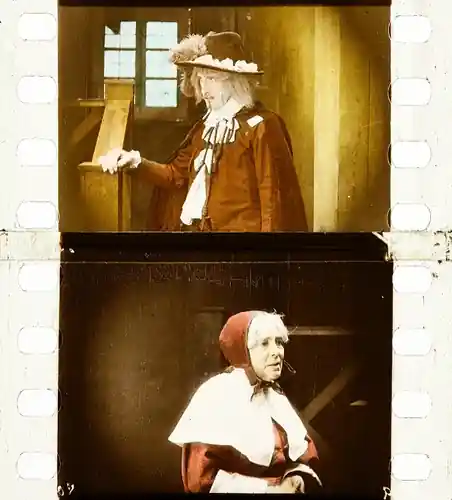
Brian Hooker’s screenplay condenses Rostand’s sprawling verse into a more cinematic rhythm without sacrificing lyrical elegance. The dialogue retains the original’s poetic cadence, yet the pacing feels modern, allowing audiences to breathe between duels and declarations. Notably, the film omits several of the play’s subplots—such as the comedic interludes involving Lignière—streamlining the narrative focus onto Cyrano’s internal conflict. This decision enhances the emotional weight of the final revelation, where Roxane discovers that the beloved verses were, in fact, Cyrano’s own. The screenplay’s restraint mirrors the film’s visual austerity, creating a cohesive artistic statement.
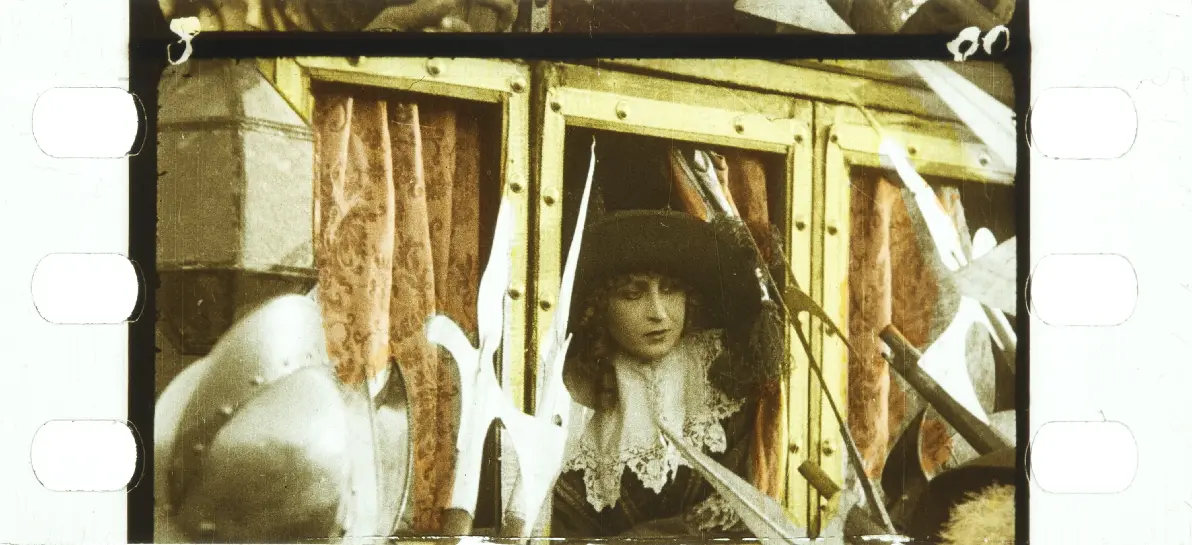
Cinematographer Alberto Fusi employs a stark contrast between the oppressive darkness of the city’s alleys and the luminous expanses of the battlefield. The use of dark orange accents—most evident in the flamboyant ruffles of Cyrano’s coat—symbolizes his fiery spirit, while the occasional splash of sea blue in the sky or water hints at the yearning for freedom that underlies his poetry. The camera often lingers on Cyrano’s profile, emphasizing the physical feature that haunts him, before pulling back to reveal the grandeur of the surrounding world—a visual metaphor for his internal versus external realities.
The film’s score, composed by Giorgio Milan, weaves a delicate tapestry of strings and harpsichord, echoing the lyrical nature of the source material. The music swells during duels, underscoring the clash of steel, then recedes to a whisper during moments of introspection, allowing Cyrano’s own verses to dominate the auditory space. This approach respects the primacy of language in a story where words are both weapon and balm.
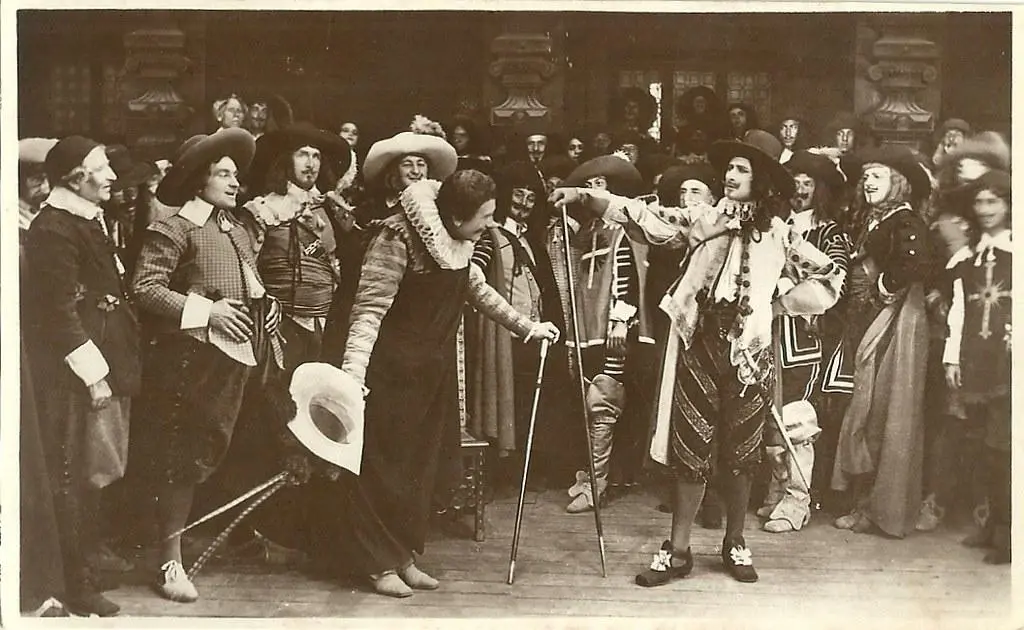
At its core, Cyrano de Bergerac interrogates the societal fixation on physical appearance. The poet’s elongated nose becomes a metonym for any perceived flaw that society deems unacceptable. Yet the film suggests that true beauty resides in the realm of ideas and deeds. This theme reverberates in contemporary works such as Love at First Sight, where characters grapple with superficial judgments, and in The Wonderful Thing, which explores the transformative power of self‑acceptance.
When placed beside other period dramas like Soldiers of Chance, Cyrano’s narrative stakes feel more intimate, focusing less on external conflict and more on internal turmoil. The film’s balance of swordplay and sonnet mirrors the duality found in Gun Shy, where humor masks deeper anxieties. Moreover, the tragic romance aligns with the emotional cadence of Her Debt of Honor, reinforcing the timeless allure of love thwarted by circumstance.
Camerini’s direction oscillates between brisk, action‑filled sequences and languid, contemplative moments. The duels are choreographed with a balletic fluidity that feels both brutal and beautiful, while the quieter scenes—Cyrano alone in his study, penning verses for Christian—are shot with a reverent stillness. This pacing ensures that the audience remains emotionally invested, never allowing the narrative to become stagnant or overly frantic.
The sets reconstruct 17th‑century Paris with meticulous attention to architectural detail, from the timber‑framed taverns to the opulent court chambers. Costumes, particularly Cyrano’s flamboyant attire, employ rich fabrics dyed in deep reds and golds, providing visual contrast against the film’s predominantly monochrome backdrop. The attention to period‑accurate weaponry and armor further grounds the story in its historical context, while the stylized lighting adds a dreamlike quality that elevates the narrative beyond mere historical reenactment.
Since its release, this rendition of Cyrano de Bergerac has informed countless adaptations, influencing everything from stage productions to modern cinematic retellings. Its emphasis on the power of language over physical appearance resonates in today’s discourse on body positivity and self‑esteem. The film’s enduring relevance is evident in its frequent citations within academic discussions of romantic tragedy and its inclusion in retrospectives alongside classics like Determination and The Bitter Truth.
Cyrano de Bergerac (1938) stands as a testament to the enduring power of eloquence, courage, and self‑sacrifice. Its seamless blend of visual splendor, lyrical dialogue, and nuanced performances creates a cinematic experience that feels both timeless and immediate. Whether you are a devotee of classic literature or a newcomer seeking a story that challenges conventional notions of beauty, this film offers a rich tapestry of emotion, intellect, and artistry. Its dark, brooding aesthetic, punctuated by flashes of orange and blue, mirrors the protagonist’s own inner conflict—an exquisite reminder that true heroism often lies hidden behind the most unlikely of facades.
IMDb —
1919
Community
Log in to comment.