DbcultAccessing Vault...
Cult Review
Senior Film Conservator
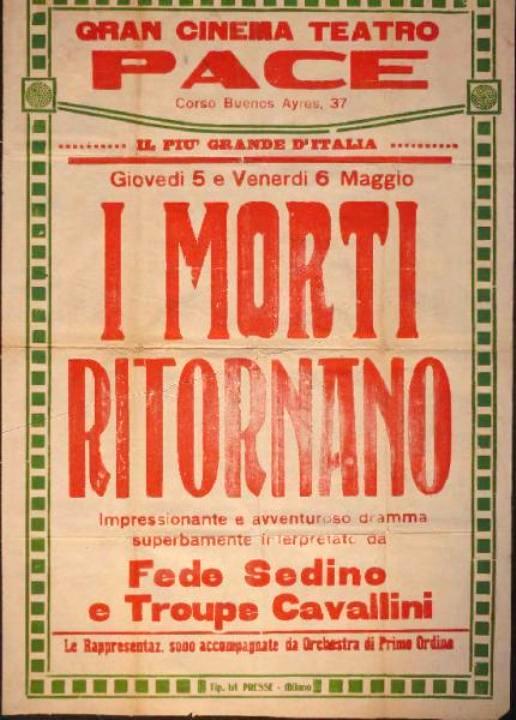
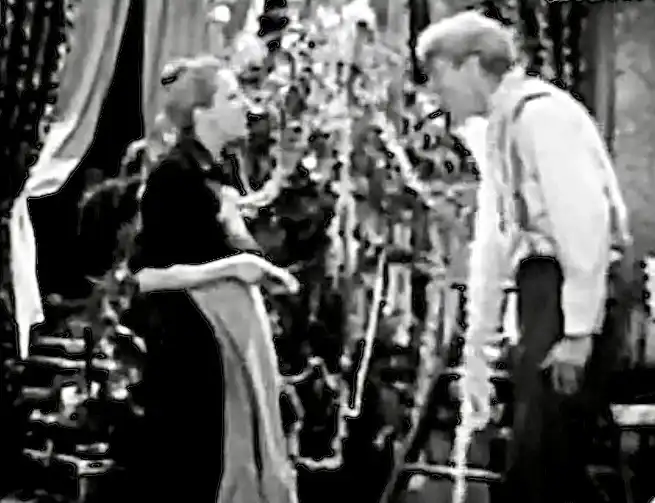
The film I morti ritornano presents a somber, dark orange hue that permeates its narrative, a color that symbolizes the passion and intensity of human emotions, as well as the inevitable decay that time imposes upon all things. This visual motif is intricately woven throughout the story, much like the themes of mortality and memory found in Once to Every Man and Ramona, films that, while differing in tone and style, share a common thread of exploring the human condition.
As the characters, brought to life by the talents of Maria Toschi, Luigi Cavallini, and Angelo Rabuffi, navigate their complex emotional landscapes, the film delves into the sea blue depths of their souls, revealing the intricacies of human psychology. This journey into the inner lives of the characters is a poignant reminder of the universal human experiences that bind us, a theme that is also explored in Greek Meets Greek, albeit through a distinctly different narrative lens.
The narrative of I morti ritornano is a masterful exploration of the intersections between past and present, where the memories of yesterday influence the realities of today. This interplay between time and memory is a powerful reminder of the enduring impact of our experiences, a concept that is also central to films like Day at the Park and The Brat, each of which approaches this theme from a unique perspective.
Through its contemplative pacing and introspective character studies, I morti ritornano invites the viewer to reflect on their own mortality and the legacy they wish to leave behind. This introspection is prompted by the film's thoughtful exploration of human connection and the ways in which our relationships with others define us, a theme that is also present in Pençe and When Rome Ruled, though each film navigates this territory in its own distinct manner.
The cinematography of I morti ritornano is noteworthy for its use of lighting and color to evoke mood and atmosphere, often employing a dark orange palette to signify passion, decay, or transformation. This visual approach is reminiscent of the expressive cinematography found in Pay Me! and A Soul for Sale, films that, while differing in subject matter, share a common aesthetic language.
In its examination of the human experience, I morti ritornano poses profound questions about the nature of existence, memory, and the impact of our actions on others. These are themes that are also explored in Putting It Over and Swat the Crook, though the tone and narrative approach of I morti ritornano are distinctly its own, offering a unique perspective on the universal human condition.
The film's use of sea blue tones to represent the depths of human emotion is a striking visual metaphor, one that underscores the complexity and richness of the inner lives of the characters. This attention to detail in the film's visual design is a testament to the careful craftsmanship that has gone into creating a cinematic experience that is both haunting and profoundly moving, much like the impactful storytelling found in The City and The Riddle: Woman.
I morti ritornano is a film that lingers in the mind long after the credits have rolled, its exploration of the human condition and the mysteries of mortality leaving a lasting impression on the viewer. This enduring impact is a result of the film's thoughtful pacing, its nuanced character studies, and its masterful use of visual motifs to evoke the depths of human emotion, all of which combine to create a cinematic experience that is both deeply personal and universally relatable, akin to the memorable experiences offered by O Que Foi O Carnaval de 1920! and Untamed Ladies, each in their own unique way.
IMDb 5.5
1929
Community
Log in to comment.