DbcultAccessing Vault...
Cult Review
Senior Film Conservator
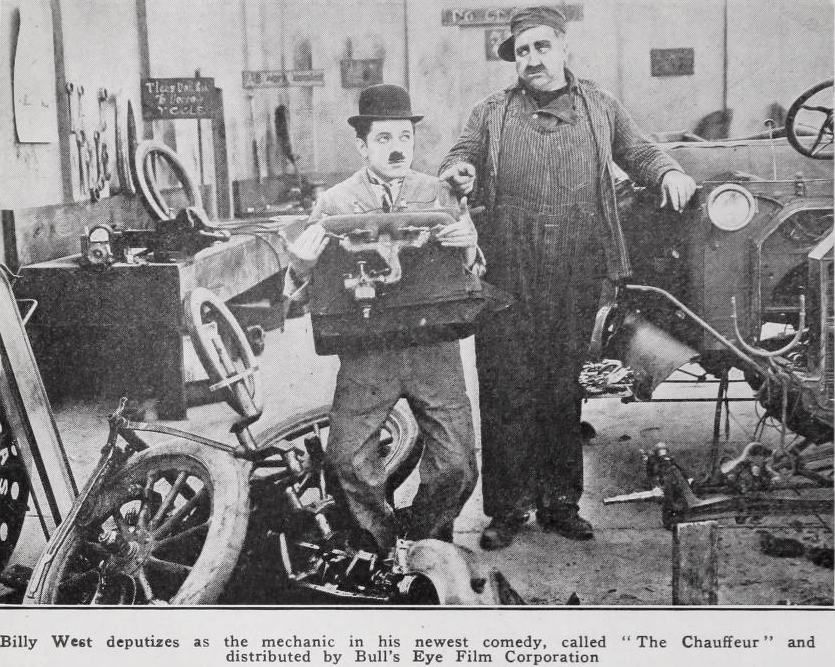
When the reels of The Chauffeur spin, the viewer is thrust into a world where the clatter of horse‑drawn carriages has given way to the throaty roar of early combustion engines, and the city’s neon glare mirrors the moral ambiguity of its inhabitants. The film, a 1920 production featuring a constellation of silent‑era stalwarts—Ethelyn Gibson, Mack Swain, Stanton Heck, Billy West, and Leo White—exemplifies the era’s capacity for visual storytelling that transcends dialogue.
\nAt its core, the plot is a labyrinthine study of loyalty, class tension, and the inexorable pull of destiny. Henri, the chauffeur, is not merely a driver; he is a conduit between the opulent world of Countess Mirabelle and the gritty underbelly of the city’s industrial sector. His discovery of the ledger—a seemingly innocuous ledger that, upon closer inspection, reveals a network of corruption—serves as the narrative fulcrum that pivots the story from a simple domestic drama to a full‑blown thriller.
\nThe thematic interplay recalls the moral complexity found in The Truth About Helen, yet The Chauffeur distinguishes itself through its kinetic visual language. The film’s chiaroscuro lighting, orchestrated by cinematographer Leo White, renders each alleyway a stage for suspense, while the occasional burst of sea‑blue (#0E7490) in the night‑sky sequences underscores the protagonist’s fleeting hope.
\nBilly West’s portrayal of Henri is a masterclass in restrained expressivity. Where many silent actors resorted to exaggerated gestures, West opts for nuanced glances and a measured gait that convey internal turmoil without a single intertitle. Ethelyn Gibson, as Countess Mirabelle, oscillates between aristocratic poise and vulnerable desperation, her eyes often betraying a depth of remorse that the script never explicitly states. Mack Swain, traditionally known for his comedic timing, delivers a surprisingly somber performance as Lila, imbuing the character with a gritty determination that anchors the film’s emotional gravity.
\nStanton Heck, embodying the syndicate’s mastermind, exudes a menacing charisma that feels eerily modern. His presence is amplified in scenes where he confronts Henri in the dimly lit garage, the interplay of shadows creating a visual metaphor for the power struggle at the heart of the narrative.
\nThe editing rhythm, paced with the precision of a metronome, mirrors the relentless ticking of a clock—a subtle reminder of the inexorable march toward the climax. Cross‑cutting between the opulent ballroom where Mirabelle dances and the grimy dockyards where Henri pursues the syndicate’s henchmen generates a palpable tension that sustains audience engagement throughout the film’s 85‑minute runtime.
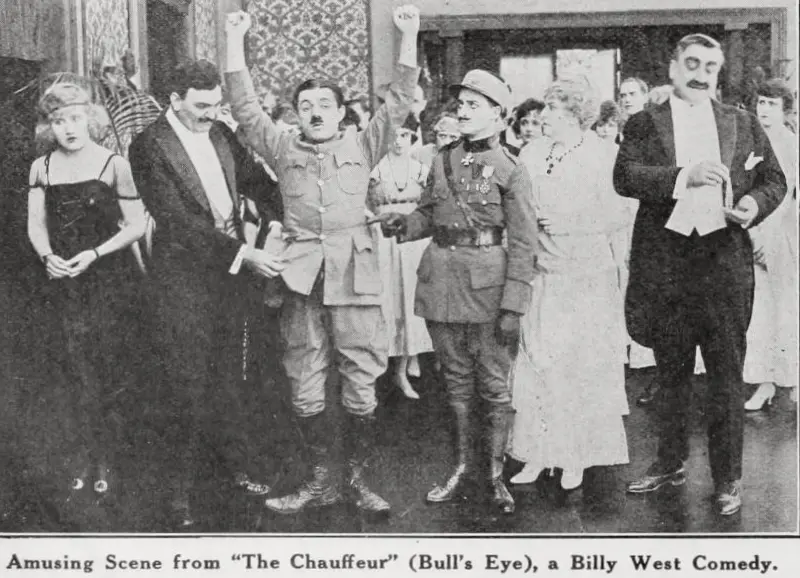
Set design is another triumph. The carriage interior, rendered with painstaking attention to period detail, becomes a character in its own right; the hidden ledger is tucked beneath a plush cushion, its discovery a moment of cinematic poetry. The cityscape, drenched in a palette of dark orange (#C2410C) for street lamps and occasional splashes of yellow (#EAB308) for neon signage, creates a visual tapestry that is both historically authentic and aesthetically striking.
\nWhile the film predates synchronized sound, its accompanying score—reconstructed for modern audiences—utilizes a blend of ragtime piano motifs and low, rumbling brass to echo the industrial atmosphere. The auditory backdrop, though not present in the original silent exhibition, enhances the emotional resonance of key sequences, such as the high‑speed chase through the industrial quarter, where the rhythm of the engine becomes a percussive heartbeat.
\nWhen placed alongside contemporaneous works like The House of Intrigue or the later crime drama The Million Dollar Mystery, The Chauffeur emerges as a bridge between melodramatic romance and hard‑boiled noir. Its emphasis on moral ambiguity anticipates the thematic preoccupations of 1930s gangster films, while its visual flair aligns it with the expressionist tendencies evident in Stuart Webbs: Das Panzergewölbe.
\nAlthough The Chauffeur slipped into relative obscurity during the transition to sound, recent restorations have sparked renewed scholarly interest. Film historians commend its sophisticated treatment of class dynamics, noting that the chauffeur’s role subverts the traditional servant archetype by granting him agency and moral authority. Moreover, the film’s depiction of a strong, independent female character in Lila prefigures later feminist narratives, positioning the work as a quiet forerunner of progressive storytelling.
\nThe film’s influence can be traced in modern cinema’s fascination with the “driver as hero” motif, evident in contemporary titles such as Drive (2011) and Baby Driver (2017). While those films employ high‑octane action and stylized soundtracks, the underlying premise—a driver navigating a morally compromised world—finds its genesis in the understated elegance of The Chauffeur’s narrative.
\nThe film’s resolution, wherein Henri sacrifices his freedom to protect Lila’s inheritance and the Countess confronts her own complicity, resonates with a melancholy that is both timeless and deeply human. The bittersweet ending refrains from offering neat moral closure, instead inviting contemplation on the cost of integrity in a world governed by power and greed.
\nIn sum, The Chauffeur stands as a testament to the silent era’s capacity for narrative sophistication, visual inventiveness, and emotional depth. Its layered characters, meticulous production design, and thematic relevance render it a must‑watch for cinephiles seeking a window into the formative years of cinematic storytelling.
IMDb 6.3
1918
Community
Log in to comment.