DbcultAccessing Vault...
6.6/10
Senior Film Conservator
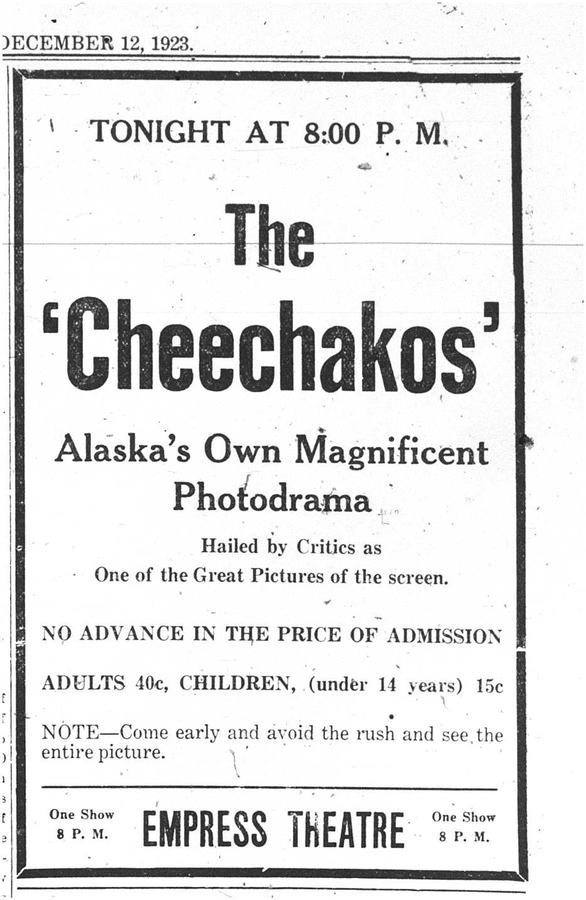
A definitive 6.6/10 rating for a film that redefined the boundaries of cult cinema. The Chechahcos remains a cornerstone of transgressive art.
The cinematic landscape of the early 20th century was a fertile ground for grand narratives, often venturing into the untamed corners of the world to capture stories of human endeavor against formidable odds. Among these, The Chechahcos stands as a remarkable, if often overlooked, testament to the raw power of silent film storytelling, particularly in its ambitious portrayal of the Klondike Gold Rush. This isn't merely a historical curiosity; it's a meticulously crafted adventure that plunges its audience into the frigid heart of one of history's most arduous migrations, offering a visceral glimpse into the lives of those who dared to chase a dream of glittering fortune.
From its very inception, the film sets a tone of stark realism intertwined with melodramatic urgency. We are introduced to a family unit, their hopes pinned on the elusive promise of Klondike gold, whose journey takes an abrupt and devastating turn. A shipwreck, depicted with a harrowing realism that must have resonated deeply with audiences of the era, serves as the cataclysmic event that shatters their world. The separation of an infant daughter from her parents in the vast, indifferent expanse of the Alaskan wilderness is a dramatic pivot point, immediately establishing themes of loss, survival, and the cruel hand of fate. This foundational tragedy echoes the epic sweep and profound emotional stakes seen in other early cinematic works that explored human suffering and perseverance, even if its specific context is unique.
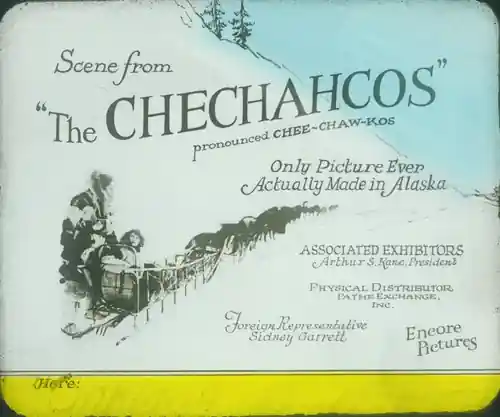
The term 'Chechahco,' an Indigenous word for newcomer or tenderfoot, perfectly encapsulates the film's central tension: the collision of unprepared individuals with an unforgiving environment. The film masterfully conveys the sheer scale of the Klondike, not just as a backdrop, but as an active, malevolent character in itself. The icy rivers, the towering snow-clad peaks, and the relentless cold are not merely scenery; they are obstacles, threats, and ultimately, the crucible in which human character is tested and forged. The decision to film on location in Alaska undoubtedly lends an unparalleled authenticity to these scenes, a stark contrast to the often-staged environments of contemporary studio productions. One can almost feel the biting wind and the crunch of snow underfoot, a sensory immersion that few films of its time could achieve.
Years later, the narrative gracefully transitions to the now-grown daughter, Gladys Johnston, a performance that anchors the film's emotional core. Her life, shaped by the wilderness and the kindness of strangers, is nevertheless tinged with an inexplicable yearning, a sense that a vital piece of her identity remains lost. This quest for self-knowledge, for understanding one's roots, is a universal human experience, rendered here with a silent eloquence that transcends the spoken word. The gradual unraveling of her past, triggered by chance encounters and fragments of memory, builds a compelling mystery. It's a journey not just across physical landscapes but into the labyrinthine corridors of memory and identity, reminiscent of the profound personal odysseys explored in narratives like The Return of Eve, where protagonists grapple with rediscovering who they truly are after significant life shifts.
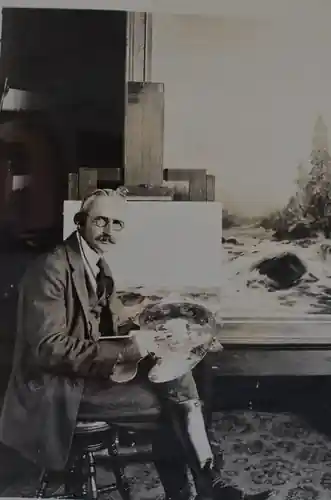
In the realm of silent cinema, the burden of conveying complex emotions and intricate motivations falls squarely on the shoulders of its performers. The cast of The Chechahcos rises to this challenge with remarkable skill. H. Mills, Guerney Hays, and Howard Webster, as the central figures, imbue their characters with a palpable humanity. Mills, as the patriarch, conveys both determination and despair through subtle gestures and expressive eyes, his grief over the lost child a constant, haunting presence. Gladys Johnston, in her pivotal role, navigates the complexities of innocence, budding romance, and the dawning realization of her true heritage with a nuanced grace. Her portrayal of a young woman on the cusp of self-discovery, caught between a comfortable present and a mysterious past, is genuinely captivating. Even the supporting players, including Baby Margie whose brief but impactful appearance as the infant, contribute to the film's emotional resonance, reminding us of the fragility of life in such a harsh world.
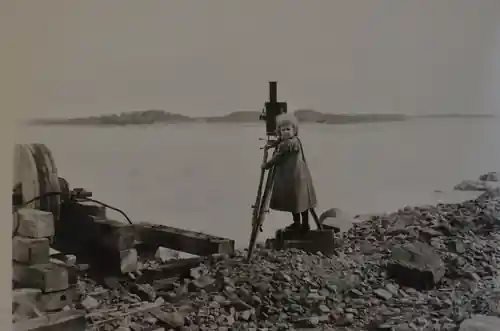
The film's direction, credited to Lewis H. Moomaw and Harvey Gates (who also co-wrote the screenplay), demonstrates a keen understanding of visual storytelling. They utilize sweeping panoramas to emphasize the isolation and grandeur of the Klondike, juxtaposing these with intimate close-ups that reveal the raw emotion etched on their characters' faces. The pacing, while deliberate, never drags, maintaining a steady rhythm that builds suspense and draws the audience deeper into the unfolding drama. Intertitles are used judiciously, providing necessary exposition without over-explaining, allowing the visual narrative to take precedence. This balance between grand spectacle and personal drama is a hallmark of effective filmmaking, regardless of the era.
Beyond its adventure narrative, The Chechahcos delves into profound thematic territory. The relentless pursuit of gold, a driving force for countless 'chechahcos' descending upon the Klondike, is depicted not just as a source of potential wealth but as a catalyst for both human greed and incredible resilience. The film subtly critiques the often-destructive nature of this obsession, showcasing the moral compromises and physical toll it exacts. Yet, it also celebrates the indomitable spirit of those who faced impossible odds, a testament to humanity's capacity for endurance.
The central theme of identity is explored through the daughter's journey. Her quest is not merely to find her biological family but to understand who she is in the context of her true origins. This journey of self-discovery, often fraught with peril and emotional upheaval, resonates deeply. It's a narrative thread that can be seen, in a different context, in stories like Heidi, where a young girl's identity is shaped by both her separation from family and her eventual return to her roots, finding her place in the world. The film underscores that identity is not solely a matter of bloodline but also of the experiences and relationships that shape an individual, a complex interplay between nature and nurture.
Fate, too, plays a pivotal role. The initial shipwreck, an arbitrary act of nature, sets in motion a chain of events that dictates the course of many lives. Yet, within this framework of predestination, characters continually exercise agency, making choices that either lead them closer to their goals or plunge them deeper into despair. This interplay between the uncontrollable forces of the world and individual will gives the narrative a compelling philosophical undercurrent. It asks whether we are simply pawns of circumstance or masters of our own destiny, a question as old as storytelling itself, explored with varying degrees of optimism and fatalism in countless human dramas.
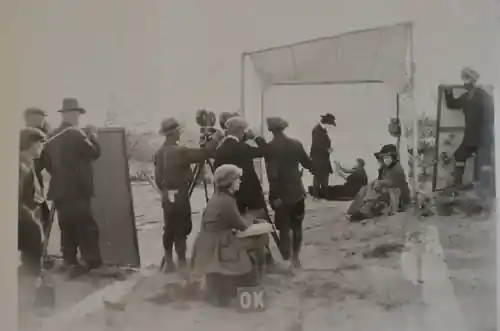
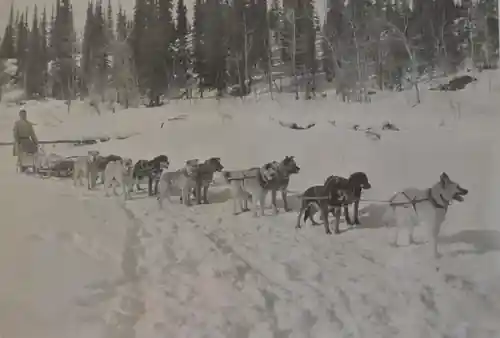
For those with an interest in the Klondike Gold Rush, The Chechahcos offers more than just entertainment; it provides a valuable historical document. The film's commitment to capturing the authentic look and feel of the era, from the costumes to the meticulously recreated frontier settlements, is commendable. It serves as a visual record of a period that shaped a significant part of North American history, showcasing the living conditions, the social dynamics, and the sheer physical challenges faced by the prospectors. The detailed portrayal of the 'chechahcos' themselves, often naive and unprepared for the brutal realities of the Yukon, adds a layer of sociological insight. The film's realism, especially in its outdoor sequences, stands in stark contrast to more romanticized depictions, offering a grittier, more honest portrayal of the struggle for survival.
While the film is undeniably a product of its time, bearing the stylistic hallmarks of the silent era, its core narrative and emotional impact remain remarkably potent. It doesn't rely on overly theatrical gestures or exaggerated expressions, a common criticism of some silent films. Instead, it employs a more naturalistic approach, allowing the power of the story and the raw beauty of its setting to carry much of the weight. This approach elevates it beyond mere historical curiosity, positioning it as a significant work in the development of adventure cinema, paving the way for later epics that would also utilize vast, natural landscapes as integral components of their storytelling.
In an era where cinema was still finding its voice, The Chechahcos demonstrated the immense potential of the medium to transport audiences to distant lands and immerse them in compelling human dramas. Its ambition, particularly in its on-location shooting, was trailblazing. While not as widely known today as some of its more celebrated contemporaries, its rediscovery and restoration offer a crucial window into a bygone cinematic age and a pivotal moment in history. It reminds us that powerful storytelling, compelling characters, and breathtaking visuals are timeless ingredients for a memorable film, irrespective of technological advancements or the absence of spoken dialogue.
Ultimately, The Chechahcos is more than just a film about the Klondike Gold Rush; it's a profound exploration of human resilience, the enduring bonds of family, and the universal quest for identity. It's a testament to the fact that even in the face of nature's most formidable challenges, the human spirit can not only endure but can also find moments of profound connection and ultimate triumph. It’s a compelling piece of silent cinema that deserves renewed attention, a captivating journey into a past that continues to resonate with contemporary audiences. Its legacy lies in its ability to evoke a powerful sense of place and purpose, a narrative that, like the gold it depicts, shines with an unmistakable brilliance.

IMDb 5.8
1920
Community
Log in to comment.