DbcultAccessing Vault...
6.4/10
Senior Film Conservator
A definitive 6.4/10 rating for a film that redefined the boundaries of cult cinema. The Yellow Dog Catcher remains a cornerstone of transgressive art.
There exists, in the vast, often dusty archives of cinematic history, a particular charm to films that, despite their modest origins or relatively short running times, manage to etch themselves into the collective memory of those who seek them out. Such is the curious case of The Yellow Dog Catcher, a delightful, if somewhat obscure, silent comedy from an era when the moving image was still finding its voice. It’s a film that speaks volumes through its vibrant physical performances and the universal language of slapstick, offering a fascinating glimpse into the nascent art form’s capacity for pure, unadulterated mirth. Many might overlook such a relic, dismissing it as mere historical curiosity, yet within its frames lies a kinetic energy and an endearing simplicity that continues to resonate, proving that true comedic timing transcends the need for dialogue.
At its heart, The Yellow Dog Catcher is a masterclass in escalating comedic pandemonium, centered on the hapless exploits of Bartholomew “Barty” Bumble, brought to life with an almost tragicomic earnestness by the incomparable Tom Kennedy. Kennedy, a veteran of countless two-reelers, imbues Barty with a profound sense of duty that is perpetually undermined by his own bumbling incompetence and the sheer, unbridled will of his canine adversaries. His mission, ostensibly, is to rid the city streets of stray dogs, a task that seems simple enough on paper, but in practice transforms into an epic, Sisyphean struggle. The film’s primary antagonist, if one can call a four-legged creature such, is “Mustard,” a wily, yellow-hued mutt whose intelligence and mischievousness far outstrip Barty’s best efforts. Mustard isn't just a dog; he's a symbol of untamed spirit, a furry anarchist whose very presence unravels the fabric of Barty's carefully constructed, albeit fragile, professional world.
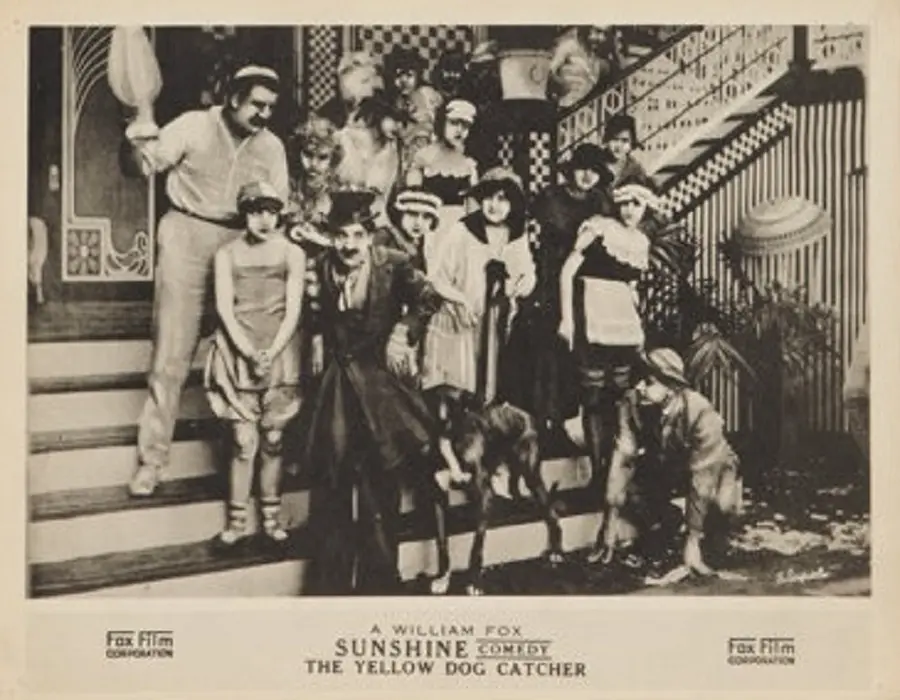
The narrative, while straightforward, is masterfully executed through a series of increasingly absurd set pieces. We witness Barty’s initial, optimistic attempts to net Mustard, which invariably lead to him ensnaring anything but the intended target – a bewildered pedestrian, a particularly stubborn lamppost, or even, in one memorable sequence, a baby carriage, to the horror of its mother. These early missteps establish the pattern: Barty’s good intentions paving a road to comedic hell. The pursuit soon spills over from the quiet residential lanes into the bustling commercial districts. One particularly inspired sequence sees Mustard leading Barty on a destructive tour through a grocer’s stall, sending pyramids of apples and barrels of flour cascading into the street, much to the chagrin of the shopkeeper, a perpetually exasperated figure portrayed by Billy Franey. Franey, with his signature scowl and frantic gesticulations, serves as the perfect foil, embodying the collective frustration of a citizenry whose daily routines are disrupted by Barty’s relentless, yet futile, crusade.
The film’s genius lies in its ability to build on these smaller gags, layering them until they culminate in a grand, city-wide chase. Mustard isn't merely escaping; he's orchestrating a canine rebellion, gathering a motley crew of strays who seem to instinctively understand his cues, turning the tables on Barty. The yellow dog catcher’s iconic, ramshackle cart, initially a symbol of his authority, becomes a vehicle of his downfall, often careening out of control, shedding its contents, and ultimately, becoming a magnet for disaster. The climax, a breathtakingly choreographed sequence involving multiple characters, a parade, and a runaway cart, is a testament to the era's ingenuity in physical comedy, a symphony of pratfalls and near-misses that leaves the audience breathless with laughter. It's a chaotic ballet, a joyous explosion of motion that rivals the best of the Keystone Kops, demonstrating a similar knack for turning everyday situations into spectacular, high-energy farce.
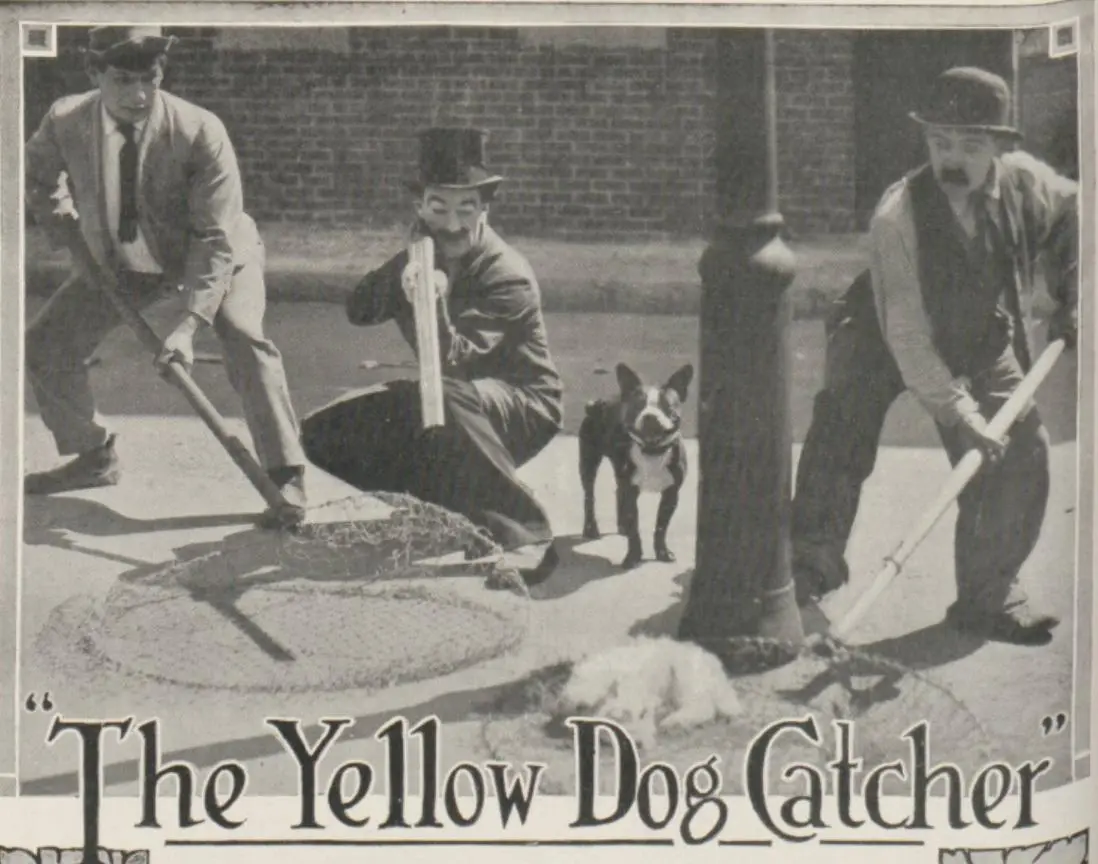
The success of any silent comedy hinges almost entirely on the expressive power of its performers, and The Yellow Dog Catcher is fortunate to boast a cast perfectly attuned to the demands of the genre. Tom Kennedy, in the titular role, is an absolute revelation. His large, somewhat lumbering frame belies a remarkable agility, and his facial expressions convey a spectrum of emotions, from determined hope to utter despair, often within the span of a single frame. He doesn't just chase dogs; he projects a nuanced internal struggle, a man wrestling with his pride, his duty, and the insurmountable challenge presented by a single, cunning canine. His comedic timing is impeccable, a precise calibration of movement and reaction that ensures every stumble, every splash, every near-miss lands with maximum impact.
Billy Franey, as the long-suffering shopkeeper, provides the perfect counterpoint to Kennedy’s amiable idiocy. Franey’s character is the embodiment of the exasperated everyman, his pinched features and furious hand-waving serving as a constant, comedic barometer for the chaos unfolding around him. He’s not merely reacting; he’s a character whose very existence is defined by the encroaching absurdity, a small bastion of order constantly besieged by Barty’s inadvertent destruction. His interactions with Kennedy are a masterclass in non-verbal communication, a delightful pas de deux of frustration and obliviousness.
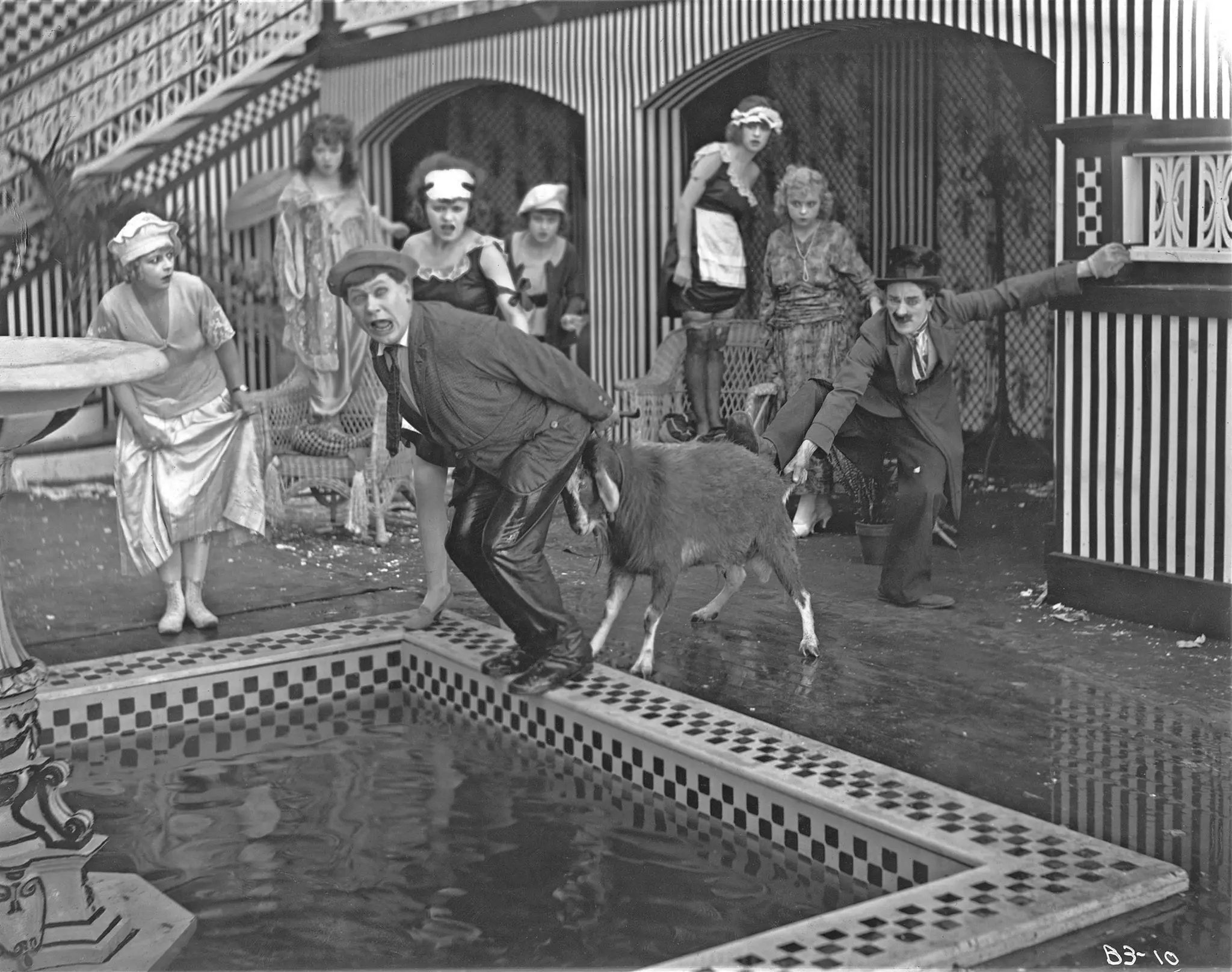
Jack Cooper and Glen Cavender, though perhaps in less prominent roles, contribute significantly to the film’s vibrant tapestry. Cooper might appear as a rival dog catcher, perhaps more successful but equally arrogant, thus amplifying Barty’s woes, or perhaps as a stern municipal official, constantly breathing down Barty's neck. Cavender, known for his ability to portray both villains and comedic straight men, could easily inhabit the role of an indignant citizen whose prized poodle is accidentally netted, or a snooty socialite whose garden party is ruined by the ensuing dog chase. Their presence, however brief, adds layers to the comedic landscape, creating a richer, more believable world for Barty’s misadventures to unfold. The ensemble works in perfect sync, a testament to the collaborative nature of early filmmaking, where each actor understood their role in the larger comedic machinery. It’s a remarkable display of physical theater, where every gesture, every exaggerated movement, contributes to the narrative’s momentum and its humorous impact.
Beyond its comedic prowess, The Yellow Dog Catcher serves as an invaluable artifact for understanding the technical and artistic conventions of early silent cinema. The direction, while perhaps uncredited or attributed to a studio collective, demonstrates a keen understanding of visual storytelling. Camera angles are often straightforward, emphasizing the action, but there are moments of surprising dynamism, particularly during the chase sequences, where the camera tracks the frenetic movement with an almost documentary-like zeal. The editing is brisk and purposeful, typical of the era, designed to maintain a rapid pace and keep the gags coming without lingering too long on any single shot. This relentless rhythm is crucial for slapstick, ensuring that the audience is swept up in the escalating chaos rather than given time to intellectualize it.
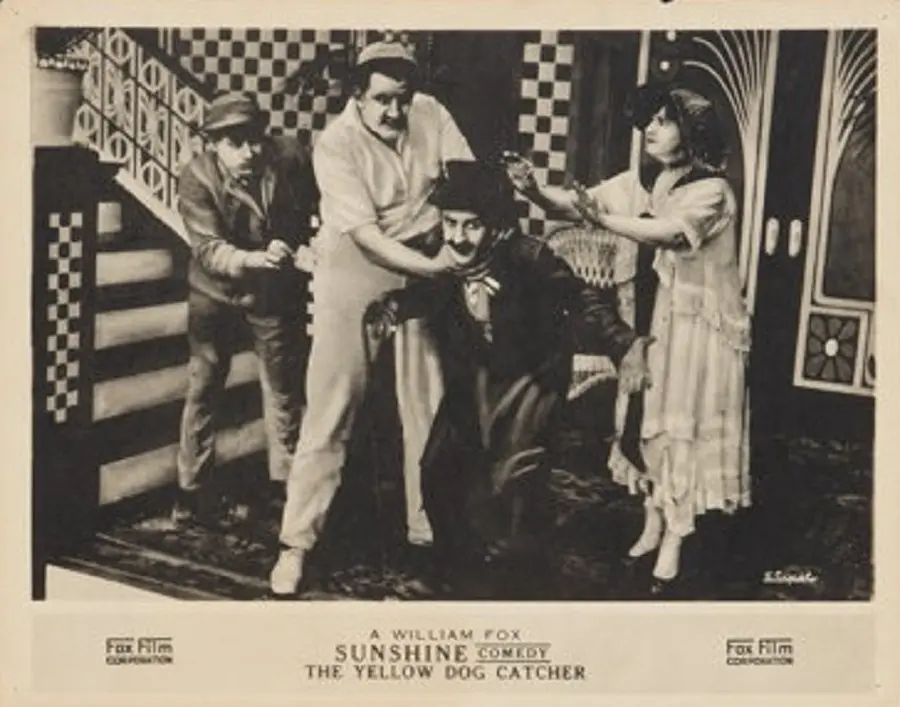
The use of practical effects and location shooting is also noteworthy. The streets of the fictionalized city are brought to life with an authenticity that grounds the fantastical elements of the plot. One can almost feel the grit of the cobblestones and hear the cacophony of the marketplace, even without sound. The interaction between the actors and their environment is organic, a testament to the raw, unpolished energy that characterized much of early cinema. There’s a delightful rawness to the stunts, a palpable sense of genuine effort and risk that modern, CGI-heavy productions often lack. This immediacy draws the viewer in, making the slapstick feel more visceral and genuinely humorous. The film's aesthetic, with its stark contrasts and often rudimentary lighting, creates a visual texture that is both charmingly antiquated and surprisingly effective in conveying mood and action.
To fully appreciate The Yellow Dog Catcher, one must place it within the broader context of early 20th-century cinema. This was an era of rapid experimentation, where filmmakers were discovering the language of the medium with each new production. The prevalence of slapstick comedies like this reflected a public appetite for lighthearted escapism, a desire for laughter in a rapidly changing world. Films like Love and Lather or Where D'Ye Get That Stuff? shared this same commitment to physical humor and simple, accessible narratives, often revolving around everyday predicaments exaggerated to absurd proportions. The Yellow Dog Catcher fits squarely into this tradition, prioritizing visual gags and physical performance over intricate plotlines or character development.
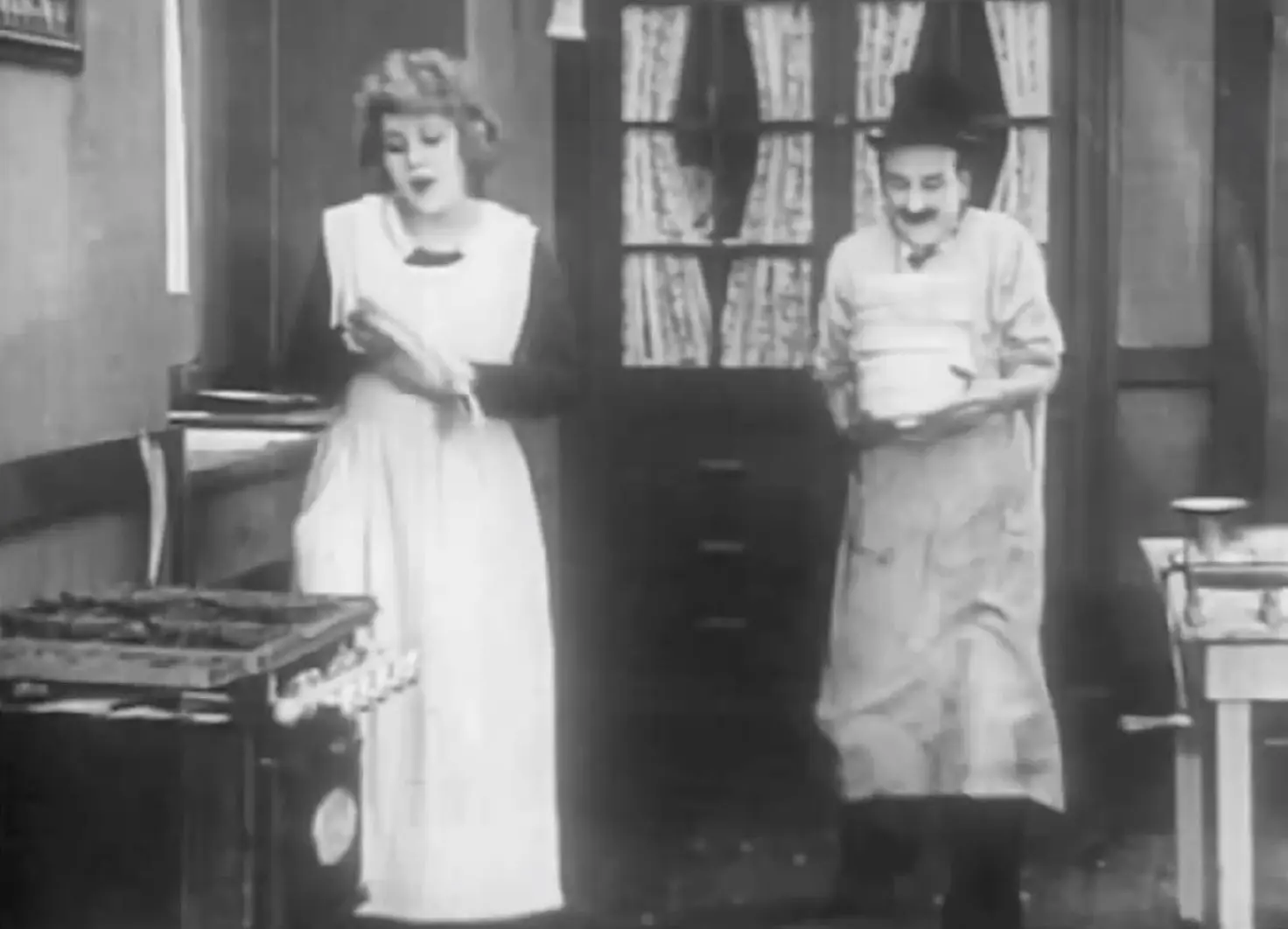
The film's portrayal of urban life, though comedic, also offers a subtle commentary on the challenges of city living, particularly the constant struggle between order and the inevitable chaos of human (and animal) interaction. The dog catcher, a figure of municipal authority, is constantly at odds with the unpredictable nature of the streets, a microcosm of larger societal efforts to control and organize. In this sense, it shares a thematic thread, albeit a much lighter one, with more dramatic urban narratives of the time, such as The Streets of Illusion, which explored the darker undercurrents of city life. However, The Yellow Dog Catcher opts for levity, finding humor in the everyday absurdities rather than despair.
Comparing Barty's relentless, if often futile, pursuit of Mustard to the more aggressive, albeit equally comedic, antics seen in a film like Rowdy Ann reveals a fascinating distinction in comedic styles. While Rowdy Ann’s humor often stemmed from a more assertive, almost disruptive female protagonist, Barty's comedy arises from his inherent passivity and the world's active disruption of *him*. He’s not instigating the chaos; he’s merely trying, desperately, to contain it, only to find himself perpetually overwhelmed. This gentle, almost sympathetic portrayal of the underdog (or rather, the under-dog-catcher) sets it apart, giving it a unique, endearing quality that resonates even today. The film’s simple charm, devoid of the grandiose ambitions of epics like The Pride of Jennico or the dramatic intensity of The Black Secret, reminds us that cinema's earliest triumphs often lay in its ability to capture life’s smaller, more relatable moments with a knowing wink and a hearty laugh.
While The Yellow Dog Catcher might not possess the dramatic weight of an Dionysus' Anger or the intricate character studies of Little Lord Fauntleroy, its contribution to the comedic landscape of its time is undeniable. It’s a film that, despite its apparent simplicity, offers a rich tapestry of human foibles, animal cunning, and the delightful absurdity of everyday existence. The enduring appeal of its physical comedy, its well-drawn (if exaggerated) characters, and its relentless pace ensures that it remains a captivating viewing experience for those willing to delve into the silent era. It reminds us that laughter is a timeless commodity, and that the ingenuity of early filmmakers in eliciting it, often with minimal resources, was nothing short of remarkable.
In an age saturated with complex narratives and sophisticated special effects, there’s something wonderfully refreshing about returning to the foundational elements of cinema, where a man, a dog, and a yellow cart could generate so much genuine amusement. The Yellow Dog Catcher is more than just a forgotten film; it's a vibrant echo of a bygone era, a testament to the universal power of a well-executed gag, and a charming reminder that sometimes, the simplest stories are the most profoundly entertaining. Its legacy lies not in grand pronouncements, but in the joyous, infectious laughter it continues to provoke, proving that even a century later, the chase between a man and a wily yellow dog can still capture our hearts and tickle our funny bones.
IMDb 5.9
1931
Community
Log in to comment.