DbcultAccessing Vault...
Cult Review
Senior Film Conservator
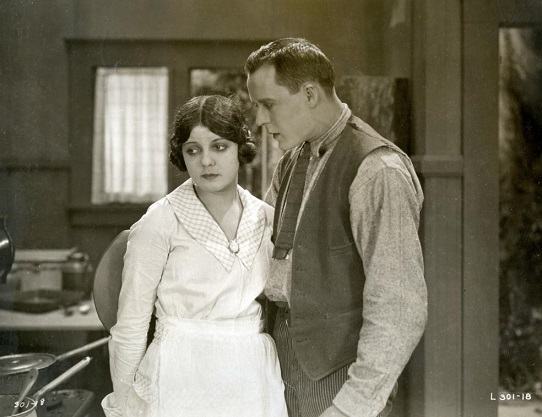
The cinematic tapestry of 1919 weaves a particularly intricate thread with Rose o' the River, a film that, even a century removed, resonates with a timeless exploration of love's fragility when confronted by the corrosive forces of manipulation and misjudgment. Adapted from Kate Douglas Wiggin's beloved novel by the skilled hand of Will M. Ritchey, this silent drama plunges viewers into a world where pastoral innocence clashes sharply with metropolitan cunning, creating a narrative that is both deeply romantic and profoundly tragic. It’s a testament to the era’s storytelling prowess, relying on nuanced performances and visual storytelling to convey a complex emotional landscape.
At its heart lies Rose, portrayed with a delicate blend of vulnerability and burgeoning strength by Lila Lee. Her Rose is not merely a pretty face; she embodies the quintessential country girl—unaffected, earnest, and deeply rooted in her community. Her affections are genuinely given to Steve, a lumberman of robust character, brought to life by Darrell Foss. Their engagement is a natural progression, a union celebrated by their small, close-knit world, promising a future built on mutual admiration and shared simplicity. Foss imbues Steve with a certain rugged charm, but also a possessiveness that, while born of love, becomes a tragic flaw when exploited.
The serpent in this Eden comes in the form of Claude, the city slicker, whose polished demeanor belies a calculating heart. Claude, a character type often seen in early cinema, represents the encroaching sophistication and moral ambiguity of urban life, a stark contrast to the straightforward ethics of the river folk. His desire for Rose is not one of genuine affection but of conquest, a superficial attraction fueled by ego. He masterfully exploits Rose's inherent goodness and capacity for self-sacrifice. His insidious deception—convincing Rose that Steve's intense love is somehow detrimental to his very existence, a burden she must shed for his own good—is a masterful stroke of psychological manipulation. It’s a cruel twisting of altruism, a perversion of noble intent that sets the tragic events in motion. This particular brand of manipulation, where a character's best intentions are weaponized against them, is a recurring motif in dramatic narratives, echoing the complex deceptions found in later works like The Betrothed, where external forces conspire to separate lovers, albeit through different means.
The narrative’s true genius, and its most heartbreaking turn, lies in the ensuing misunderstanding. Steve, witnessing Rose’s sudden, inexplicable withdrawal and her seemingly growing proximity to Claude, naturally misinterprets the situation. His deep love morphs into searing jealousy, and he concludes that Rose and Claude are engaged in an affair. The engagement, once a symbol of unwavering commitment, shatters under the weight of this false perception. It’s a poignant illustration of how easily trust can erode when communication falters and appearances deceive. This theme of mistaken identity and its devastating consequences is powerfully explored, reminiscent of the narrative tension in films like Appearance of Evil, where outward impressions lead characters down paths of profound error.
The cast, under the direction of a keen eye, delivers performances that transcend the limitations of silent film. Lila Lee, in particular, conveys a spectrum of emotions—from innocent joy to profound sorrow, from determined sacrifice to crushing regret—with remarkable clarity. Her facial expressions and body language speak volumes, drawing the audience into Rose’s inner turmoil without the aid of spoken dialogue. Darrell Foss, as Steve, effectively portrays the transition from loving fiancé to heartbroken, vengeful man, his anguish palpable. Robert Brower, as Claude, embodies the smooth villain with chilling effectiveness, his charm a veneer for his manipulative core. The supporting cast, including Josephine Crowell and George Fisher, contributes to the rich texture of the river community, grounding the fantastical machinations of Claude in a believable, rustic setting.
Will M. Ritchey’s adaptation of Wiggin’s novel is a masterclass in translating literary depth to the silent screen. He understands the power of visual metaphor and the necessity of clear, concise intertitles to guide the audience through the emotional labyrinth. The pacing is deliberate, allowing moments of quiet reflection to underscore the dramatic tension. The cinematography, while perhaps not groundbreaking for its time, effectively captures the serene beauty of the river landscape, contrasting it with the emotional turbulence of the human drama unfolding against it. The river itself becomes almost a character, a silent witness to the ebb and flow of human emotion.
Examining Rose o' the River also offers a fascinating glimpse into the social mores and narrative conventions of the late 1910s. The clear-cut distinction between rural virtue and urban vice was a common trope, serving both as moral instruction and escapist fantasy for an audience grappling with rapid societal change. The film taps into anxieties about modernity encroaching upon traditional values, a theme that resonates in other films of the period exploring community and belonging, such as Home. The emphasis on sacrifice for a loved one’s perceived greater good, even when misguided, speaks to a romantic ideal prevalent in the era, where selfless love was often depicted as the highest virtue, even if it led to personal heartbreak.
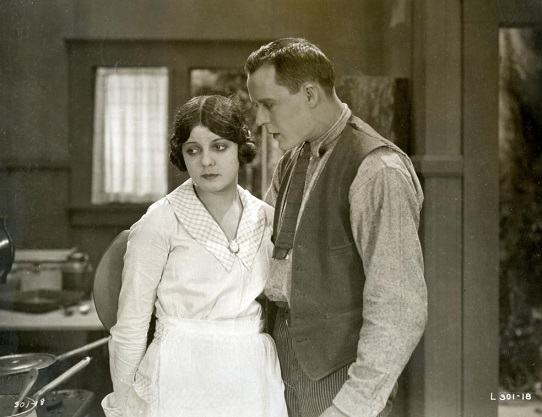
The challenges of silent film acting cannot be overstated. Actors had to communicate complex inner lives without dialogue, relying solely on gesture, expression, and the occasional intertitle. Lila Lee’s performance is particularly noteworthy in this regard. She manages to convey Rose’s evolving understanding of her situation, her internal conflict, and her eventual despair with a subtlety that avoids melodrama, a common pitfall of the era. Her ability to project innocence and then the crushing weight of her decision makes her portrayal profoundly moving. This level of expressive acting is what separates memorable silent performances from mere pantomime, establishing a connection with the audience that endures beyond the spoken word.
The film’s exploration of jealousy is equally compelling. Steve’s reaction, while born of a mistaken belief, is a raw and powerful portrayal of a man consumed by betrayal. This intense emotion drives much of the latter half of the film, leading to further complications and heightened drama. The cycle of misunderstanding, fueled by jealousy and pride, is a universal human experience, making the film’s central conflict resonate even today. It’s a tragic dance where each step taken by one character, however well-intentioned, pushes the others further into despair.
As a viewer, one is left to ponder the fragility of communication and the devastating impact of unchecked assumptions. Had Rose and Steve simply communicated openly, much of the heartache could have been avoided. But then, there would be no story, no dramatic tension to hold the audience captive. The film expertly uses these human frailties as its engine, driving the plot towards its inevitable, and often painful, conclusions. This focus on the human element, the internal struggles and external pressures, makes Rose o' the River more than just a period piece; it’s a timeless examination of the human heart.
Comparing it to other films of its time, Rose o' the River stands out for its emotional depth and the clarity of its narrative. While films like Where the Trail Divides might focus on broader societal conflicts, Rose o' the River hones in on the personal, the intimate betrayal that feels all the more potent for its proximity. It avoids the grandiosity of some historical epics or the overt slapstick of comedies, instead choosing to delve into the quiet tragedy of a love lost through deceit and misunderstanding. The writers, Kate Douglas Wiggin and Will M. Ritchey, together craft a narrative that, despite its silent medium, speaks volumes about the human condition. Wiggin’s original story provides a strong foundation of character and emotional truth, which Ritchey skillfully translates into a visual language suitable for the screen. The film’s lasting power lies in its ability to evoke profound empathy for its characters, drawing us into their struggles and hoping against hope for a resolution that, like in many real-life scenarios, feels agonizingly out of reach for much of the runtime.
The enduring appeal of such silent dramas lies in their universal themes. Love, betrayal, sacrifice, and redemption are not confined to any single era or technological advancement in filmmaking. They are the bedrock of human experience. Rose o' the River, with its compelling plot and heartfelt performances, serves as a poignant reminder of this truth. It invites us to reflect on our own relationships, the importance of clear communication, and the dangers of allowing external forces or internal insecurities to sow seeds of doubt. The film, in its quiet power, continues to charm and move audiences, securing its place as a significant contribution to early cinematic storytelling. It’s a compelling watch for anyone interested in the foundational narratives of film, and a beautiful, albeit melancholic, journey into the heart of a bygone era, where emotions were writ large on the screen, if not always spoken aloud.
The character of Claude, the manipulative city slicker, is particularly effective in demonstrating the destructive power of ambition devoid of ethics. His actions are not driven by passion for Rose, but by a desire to possess, to conquer, to prove his own superiority. This cold, calculating approach to human relationships stands in stark contrast to Steve's raw, albeit flawed, devotion. This dichotomy between genuine affection and cynical manipulation adds another layer of complexity to the narrative, making it more than just a simple love triangle. It’s a battle of ideologies, a struggle between the sincere and the superficial. Such characterizations, where a villain's charm masks a darker intent, are crucial for driving conflict and revealing deeper truths about human nature, a pattern seen in many dramatic narratives across cinematic history, including those where individuals are driven to extreme lengths, as perhaps hinted at in titles like Hell Bent, though for vastly different motives.
Ultimately, Rose o' the River is a powerful testament to the emotional resonance that silent film could achieve. It reminds us that storytelling, at its core, is about connecting with human emotions and experiences, regardless of the technological medium. The film’s quiet elegance, coupled with its dramatic intensity, ensures its place not just as a historical artifact, but as a compelling piece of cinema that continues to speak to the heart, proving that some stories, like the river itself, flow eternally, shaping the landscape of human understanding.
IMDb 5.5
1930
Community
Log in to comment.