DbcultAccessing Vault...
7.8/10
Senior Film Conservator
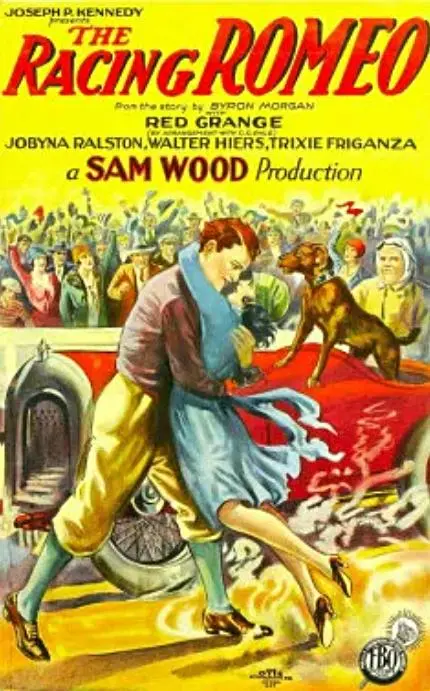
A definitive 7.8/10 rating for a film that redefined the boundaries of cult cinema. A Racing Romeo remains a cornerstone of transgressive art.
Is 'A Racing Romeo' a film that warrants your precious time in the bustling cinematic landscape of today? Short answer: yes, but with significant caveats. This 1920s silent picture, largely a relic for most, offers a fascinating window into early filmmaking and the cultural zeitgeist of its era, making it a compelling watch for specific audiences.
It's a film best suited for dedicated silent film enthusiasts, historians, and those with a keen interest in the evolution of cinema and early motor racing narratives. Conversely, it is decidedly *not* for viewers seeking modern pacing, complex character studies, or a visually polished experience devoid of the inherent challenges of film preservation. Expect a journey back in time, not a contemporary blockbuster.
This film works because... it captures the raw energy and romanticism of a nascent genre, offering a unique glimpse into 1920s storytelling through its period-specific tropes and the magnetic presence of its lead, Ben Hendricks Jr.
This film fails because... its narrative, while charming for its time, can feel simplistic and predictable by modern standards, and the technical limitations of its era are undeniably apparent.
You should watch it if... you appreciate historical cinema, enjoy silent film aesthetics, or are curious about the origins of the 'racing hero' archetype in popular media.
'A Racing Romeo' is, at its heart, a quintessential silent-era romance interwoven with the thrill of early motorsport. While specific plot details are scarce today, the title itself, coupled with the era's cinematic conventions, paints a vivid picture. We are introduced to a protagonist, likely played by Ben Hendricks Jr., who embodies the dashing, adventurous spirit of the 1920s. He's a man of action, a natural behind the wheel, and undeniably charming – a 'Romeo' in every sense of the word, captivating hearts as easily as he conquers racetracks.
The film's narrative likely hinges on a classic love triangle or a challenge to our hero's supremacy, both on and off the track. One can infer a spirited heroine, perhaps played by Jobyna Ralston, whose affections become the prize in a contest against a less scrupulous rival, possibly the character portrayed by Ashton Dearholt. This setup is a bedrock of early cinema, designed to elicit clear emotional responses from the audience: admiration for the hero, sympathy for the heroine, and disdain for the antagonist.
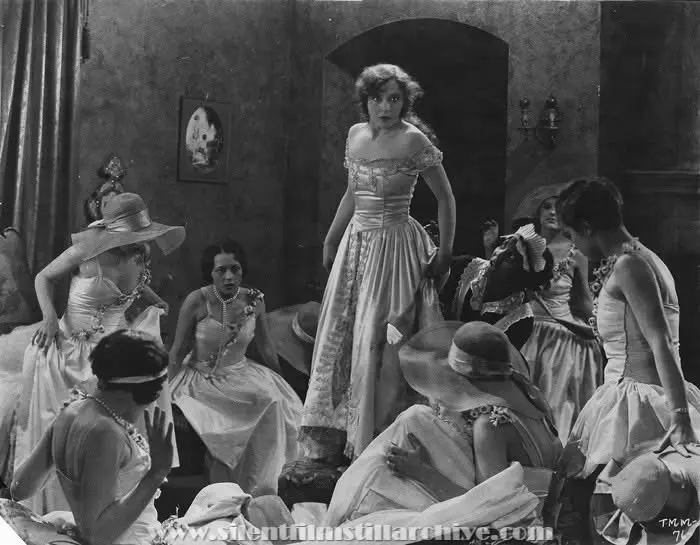
Byron Morgan's screenplay, typical of the period, would have emphasized clear moral lines and dramatic, easily digestible conflicts. The story isn't about moral ambiguity; it's about clear-cut heroism and villainy, culminating in a satisfying resolution. The pacing, while slower than contemporary films, would have been punctuated by the excitement of racing sequences, designed to build suspense through visual spectacle rather than dialogue. This reliance on visual storytelling is where silent cinema truly shines, forcing filmmakers to be inventive with their imagery and physical performances.
In silent film, acting is a language of exaggerated gesture, facial expression, and physical presence. Ben Hendricks Jr., as the titular 'Racing Romeo,' would have been tasked with conveying charisma, determination, and vulnerability through these non-verbal cues. His success in this role would be paramount to the film's appeal. One imagines him with a confident swagger, a quick smile, and eyes that convey both playful flirtation and steely resolve during a race.
The supporting cast, including Ashton Dearholt, Leroy Boles, and Walter Hiers, would have filled out the world with distinct character types. Dearholt, likely the rival, would have needed to project a sneering arrogance, perhaps a subtle shift in posture or a dismissive hand gesture to communicate his character's disdain. Hiers, often known for comedic roles, might have provided moments of levity, a bumbling sidekick or a well-meaning friend, offering comic relief that was vital to silent film pacing.
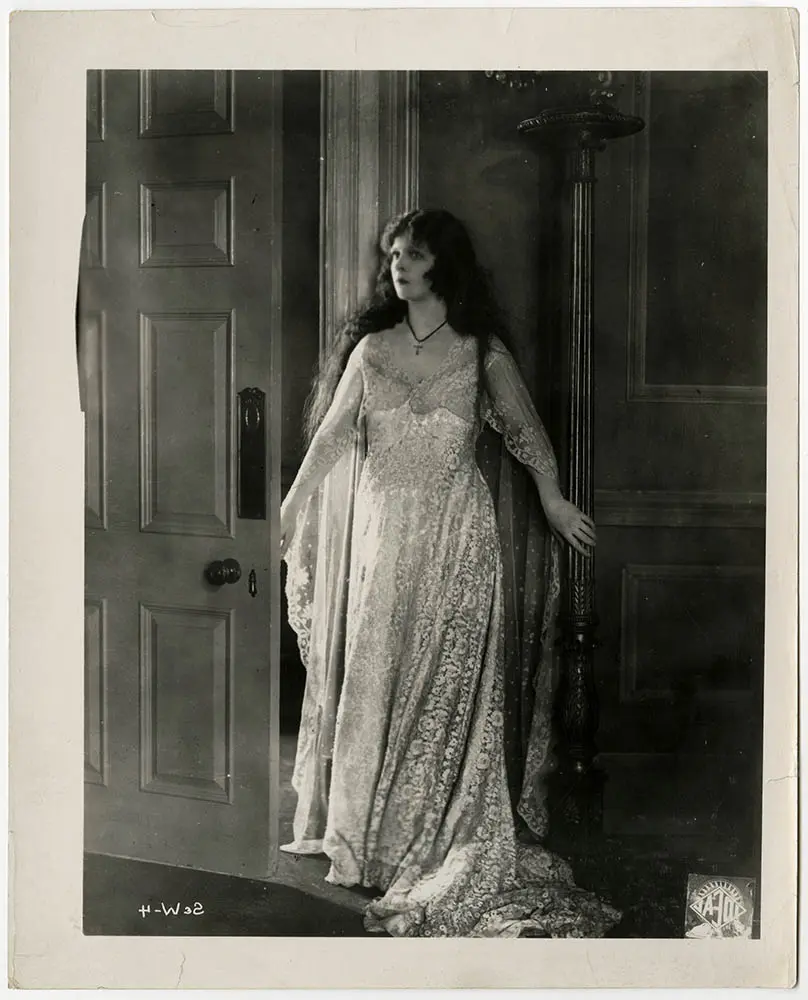
Jobyna Ralston, a popular leading lady of the era, would have brought grace and emotional depth to her role. Her performances often balanced innocence with an underlying strength, capable of conveying distress, joy, and defiance with remarkable clarity. A specific example would be a scene where her character, perhaps witnessing a perilous moment on the track, conveys a spectrum of fear and hope purely through her eyes and the subtle tremor of her hands, a common and effective silent film trope.
The ensemble's ability to communicate complex emotions and drive the narrative forward without a single spoken word is the true measure of their craft. It's a style of acting that demands a different kind of immersion from the audience, one that relies on visual interpretation and a willingness to engage with the theatricality of the performances. This film, if it delivered on its premise, would have been a masterclass in this specific form of dramatic expression, pulling audiences into its world through sheer presence and emotional clarity.
The direction of 'A Racing Romeo' would have been critical in balancing the intimacy of the romance with the kinetic energy of the racing sequences. Silent film directors often employed a combination of static wide shots to establish scenes and closer shots for emotional impact. For the racing scenes, however, ingenuity would have been key. Directors of this era, without modern special effects, relied on practical stunts, clever camera placement, and rapid editing to convey speed and danger. Think of the groundbreaking techniques used in films like Protéa, pushing the boundaries of what was possible.
Cinematography in the 1920s, while black and white, utilized lighting and composition to create mood and emphasize narrative points. A director might use stark contrasts to highlight a villain's sinister nature or soft, diffused light for a romantic interlude. The racing sequences would likely feature dynamic camera angles, perhaps mounted on cars or positioned low to the ground, to immerse the audience in the action. A particularly memorable moment might involve a climactic race shot from multiple perspectives, intercutting between the lead driver's determined face, the blurring wheels, and the anxious onlookers, culminating in a dramatic slow-motion effect achieved through editing tricks, creating a heightened sense of tension.
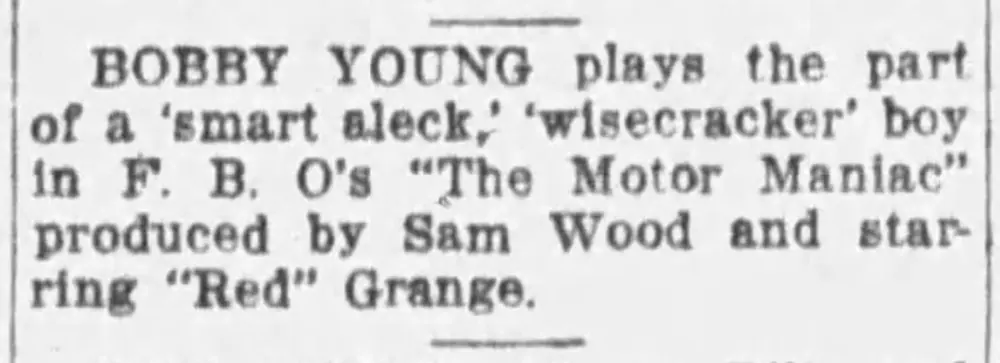
The visual language of silent cinema is its strength. Without dialogue, every frame, every camera movement, every light source carries significant narrative weight. The challenge for a film like 'A Racing Romeo' was to make the spectacle compelling and the emotional beats resonate, all through purely visual means. The success of such a film hinges on its ability to create a world that feels both grand and personal, a testament to the director's vision and the cinematographer's artistry. It works. But it’s flawed.
The pacing of 'A Racing Romeo,' like many films of its time, would likely feel deliberate by contemporary standards. Silent films often allowed scenes to breathe, giving audiences time to absorb the visual information and emotional cues. This isn't to say they were slow; rather, their rhythm was different, building suspense through sustained tension and dramatic pauses before bursting into action.
The tone would have oscillated between lighthearted romance, thrilling adventure, and moments of genuine peril. The 'Romeo' aspect implies a certain romantic idealism and perhaps comedic flirtation, while the 'Racing' element injects a dose of high-stakes drama. The film would have skillfully navigated these shifts, ensuring that the audience remained engaged through its emotional highs and lows. The use of intertitles, while sometimes jarring to modern viewers, would have served as crucial narrative signposts, guiding the audience through the plot and emphasizing key dialogue or character thoughts.
One might expect a film titled 'A Racing Romeo' to be overtly about the spectacle of speed and the thrill of the chase. However, an unconventional observation might be how subtly the film could have used the *concept* of speed to parallel the rapid social changes of the 1920s. The roaring engines aren't just about winning a race; they symbolize progress, modernity, and the breakneck pace at which society was shedding its old conventions.
The 'Romeo' character, therefore, isn't just a fast driver; he's a symbol of the 'new man' – confident, daring, and unbound by traditional strictures. His racing car becomes an extension of his progressive spirit, a machine that propels him not just across the finish line but into a new era. This subtle subtext, if present, elevates the film from a simple genre piece to a fascinating cultural artifact, reflecting the anxieties and excitements of a society in flux. It's a powerful idea, if not explicitly stated.
This interpretation suggests that the film's true genius might lie not just in its overt narrative, but in its capacity to mirror the societal shifts of its period, using the spectacle of speed as a metaphor for the transformative power of the modern age. It's a debatable point, of course, given the limited access to the film itself, but one worth considering when analyzing its potential impact and legacy. It's a film that could be more than just a surface-level adventure.
'A Racing Romeo' is more than just a film; it's a historical artifact, a time capsule that transports us to an era when cinema was still finding its voice. While it may not resonate with every modern viewer, its value lies in its ability to showcase the foundational elements of storytelling that continue to shape movies today. It represents a particular kind of filmmaking ambition, daring to combine romance with the then-novel excitement of motor racing, pushing the boundaries of what was cinematically possible.
For those willing to embrace its unique aesthetic and historical context, 'A Racing Romeo' offers a charming, if somewhat predictable, experience. It's a testament to the enduring power of classic archetypes – the hero, the damsel, the villain – and the universal appeal of a good race, both for love and glory. It demands patience and an open mind, but for those who give it, the rewards are a deeper appreciation for the roots of cinematic storytelling. This film isn't just worth watching; it's worth studying.
IMDb 3.7
1924
Community
Log in to comment.