DbcultAccessing Vault...
5.4/10
Senior Film Conservator
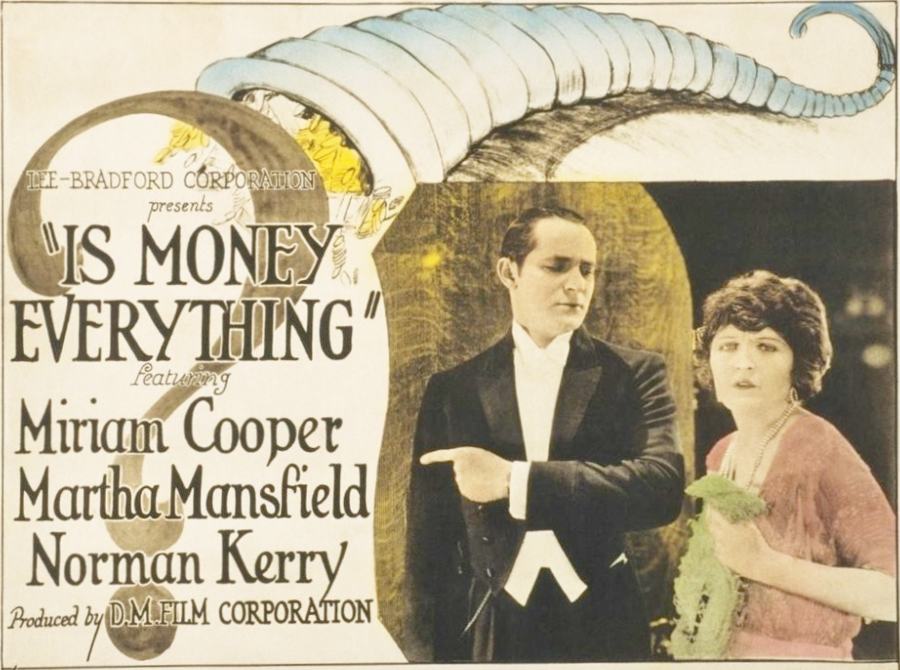
A definitive 5.4/10 rating for a film that redefined the boundaries of cult cinema. Is Money Everything? remains a cornerstone of transgressive art.
In the grand tapestry of cinematic storytelling, certain narratives resonate with an enduring power, transcending their original era to speak to universal human truths. Glen Lyons' "Is Money Everything?" is precisely such a work, a profound meditation on ambition, the siren call of urban prosperity, and the often-unseen costs of achieving one's wildest dreams. This isn't merely a tale of a farmer seeking fortune; it's a deep dive into the human psyche, exploring how the pursuit of wealth can reshape identity, strain the bonds of friendship, and ultimately, challenge the very definition of happiness. Released in an era when societal values were in flux, the film masterfully captures the intoxicating allure of the modernizing city as a crucible for personal transformation and moral reckoning. Its central question, posed directly in its title, remains as pertinent today as it was then, inviting viewers to ponder the true metrics of a fulfilling life.
The film opens with a vivid portrayal of rural discontent, an agrarian existence painted not with idyllic strokes, but with the subtle hues of monotony and unfulfilled aspirations. Our protagonist, a farmer whose name is almost secondary to his archetypal role as the everyman yearning for more, finds his days defined by the relentless cycle of nature, a rhythm that, while grounding, offers little in the way of excitement or upward mobility. His fields, once a source of pride, become emblematic of his perceived limitations. This existential weariness is shared by his friend, a companion whose loyalty is as unyielding as his own desire for escape. Together, they represent a collective yearning, a generation on the cusp of abandoning traditional livelihoods for the perceived dynamism of the burgeoning industrial centers. Their decision to leave the familiar behind is not a whimsical one, but a calculated leap of faith, propelled by a potent cocktail of desperation and audacious hope. It’s a classic migration narrative, one that echoes through countless human stories across centuries, from the American frontier to the bustling metropolises of today.

Upon their arrival in the city, the narrative shifts, vibrant with the energy and overwhelming possibilities of urban life. The initial struggle is palpable, a stark contrast to their previous existence, yet it is quickly overcome. Lyons' screenplay, brought to life by the nuanced performances of William Bailey as the ambitious farmer and Andrew Hicks as his steadfast friend, charts their meteoric rise with a captivating pace. Miriam Cooper, Martha Mansfield, and Norman Kerry populate this new world, each playing a crucial role in the protagonists' journey, sometimes as allies, sometimes as unwitting catalysts for their moral quandaries. The film doesn't shy away from depicting the cutthroat nature of commerce, the shrewd decisions, and perhaps even the ethical compromises that pave the way to their success. What begins as a modest endeavor soon blossoms into a formidable enterprise, transforming the two country bumpkins into figures of considerable wealth and influence. The visual language employed here is crucial: the transition from dusty fields to gleaming office towers, from simple attire to bespoke suits, underscores the profound external metamorphosis. Yet, it is the internal landscape that truly captivates.
The central thesis of "Is Money Everything?" asserts itself most forcefully in the latter half of the film, as the protagonists grapple with the unforeseen and often insidious problems that accompany their newfound affluence. Success, it turns out, is not a panacea; it is a double-edged sword, capable of severing connections and corrupting the very virtues that once defined them. The rustic simplicity they shed upon entering the city now seems a distant, almost alien, memory. The film meticulously illustrates how wealth can breed suspicion, foster isolation, and erode the foundational trust between individuals. The farmer, once a man of simple desires, finds himself entangled in a web of social obligations and financial pressures, each more demanding than the last. His friend, initially a pillar of support, begins to drift, perhaps consumed by his own burgeoning ego or disillusioned by the changes he observes in his companion. This dynamic offers a compelling parallel to films like Virtuous Sinners, which similarly explores the moral ambiguities that arise when ambition collides with ethical boundaries, or The Hoodlum, where urban success can lead down darker, more illicit paths.
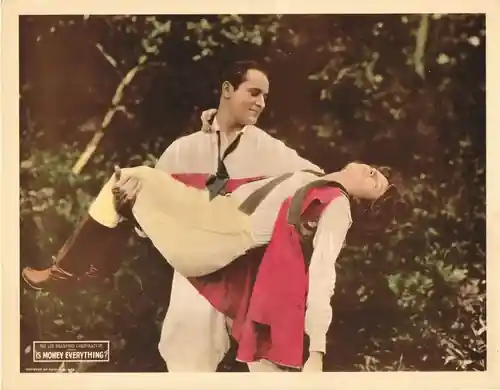
One of the most poignant aspects of Lyons' narrative is its exploration of how personal relationships are tested under the weight of material gain. The camaraderie that initially bound the two friends together begins to fray, replaced by unspoken resentments and divergent priorities. The rural ethos of community and mutual support gives way to the urban individualism, where self-interest often triumphs over collective well-being. This shift is not presented as a sudden rupture but as a gradual, almost imperceptible erosion, making it all the more tragic. The women in their lives, particularly the characters portrayed by Miriam Cooper and Martha Mansfield, become pivotal figures, reflecting and amplifying the men's internal struggles. Are they drawn to the men for who they are, or for what they have become? These questions hang heavy in the air, adding layers of complexity to the film's examination of human motivations. The narrative subtly suggests that the very qualities that enabled their rise—a certain ruthlessness, a single-minded focus—are also the qualities that threaten to undo their personal happiness.
William Bailey's portrayal of the farmer is particularly noteworthy. He embodies the archetypal journey from innocence to experience, from the grounded simplicity of agrarian life to the dizzying complexities of the urban elite. His initial earnestness slowly gives way to a more hardened, perhaps even cynical, demeanor. The film doesn't present him as inherently evil, but rather as a man profoundly shaped, and perhaps warped, by the forces he unleashed. Andrew Hicks, as his friend, serves as a vital counterpoint, a barometer for the moral climate of their partnership. His reactions, his growing discomfort, and his eventual disillusionment provide a crucial external perspective on the farmer's transformation. The supporting cast, including Norman Kerry, Lawrence Brooke, and John Sylvester, contribute significantly to the film's rich tapestry, each character representing a facet of the urban landscape – from the facilitators of success to the temptations and pitfalls that lie in wait. Their interactions with the protagonists illuminate the various pressures and choices that confront those who chase the golden ring.
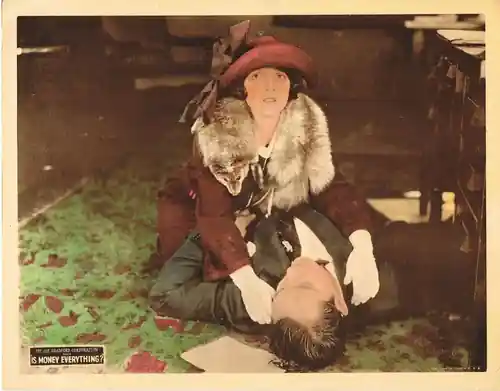
Miriam Cooper and Martha Mansfield, as the leading ladies, are not mere decorative figures; they are integral to the unfolding drama, representing different paths and moral compasses. Cooper, often embodying a more grounded sensibility, might serve as a reminder of lost values, a tether to the past. Mansfield, perhaps, represents the intoxicating allure of the new, the superficial glamour that wealth can buy. Their performances add emotional depth to the film's philosophical inquiry, preventing it from becoming a purely intellectual exercise. The silent era, with its reliance on nuanced facial expressions and body language, allowed these actors to convey profound internal turmoil without a single spoken word, a testament to their craft and the director's vision. The subtle shifts in their gazes, the slight tremors of their hands, communicate volumes about the moral dilemmas confronting the characters. This intricate character work is what elevates "Is Money Everything?" beyond a simple cautionary tale, making it a nuanced exploration of human nature under duress.
While Glen Lyons is credited as the writer, the visual storytelling is undeniably a product of astute direction. The cinematography effectively contrasts the expansive, open landscapes of the countryside with the cramped, bustling energy of the city. The framing often emphasizes the isolation of the protagonists even amidst crowds, a powerful visual metaphor for the loneliness that can accompany great success. The use of light and shadow, characteristic of the era, is employed to great effect, particularly in scenes depicting moral ambiguity or internal conflict. A dimly lit office, a solitary figure silhouetted against a towering cityscape – these images speak volumes, conveying the psychological weight of their choices. The pacing of the film, from the slow, deliberate rhythm of rural life to the accelerated tempo of urban ambition, is meticulously controlled, drawing the viewer deeper into the protagonists' evolving world. This considered approach to visual narrative places it in dialogue with other compelling dramas of the period, such as Livets Omskiftelser (Life's Vicissitudes), which similarly explored the dramatic shifts in human fortune, or even the stark social realism of Rose Bernd in its depiction of societal pressures.
IMDb —
1918
Community
Log in to comment.