DbcultAccessing Vault...
5.8/10
Senior Film Conservator
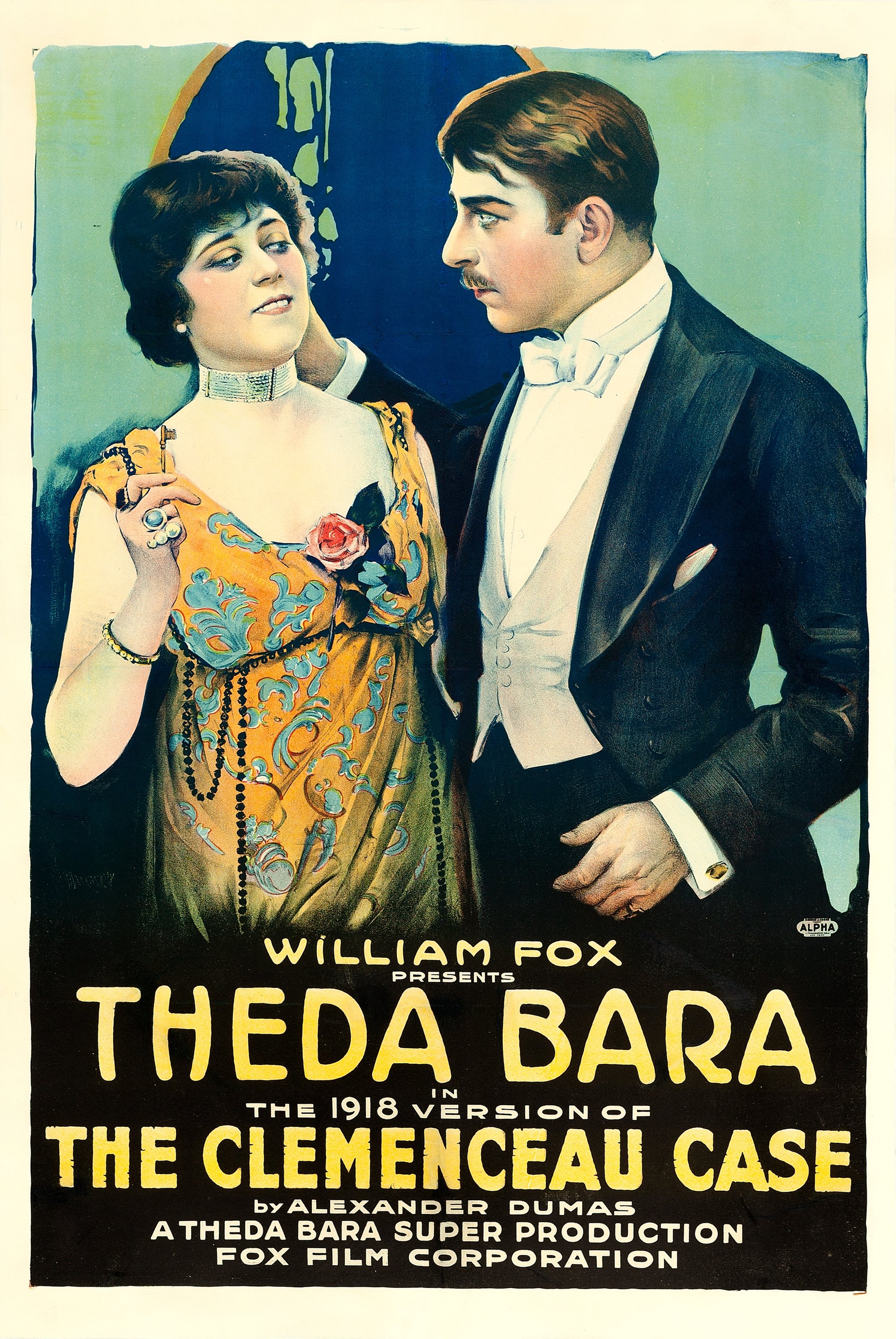
A definitive 5.8/10 rating for a film that redefined the boundaries of cult cinema. The Clemenceau Case remains a cornerstone of transgressive art.
Imagine, if you dare, a film printed on nitrate of pure venom: every frame trembles with the threat of spontaneous combustion. The Clemenceau Case is that forbidden reel—long thought lost in the 1919 Fox vault fire—yet here we are, beholding a 4K phoenix risen from Russian archival shards. The flicker is hypnotic; the content, radioactive.
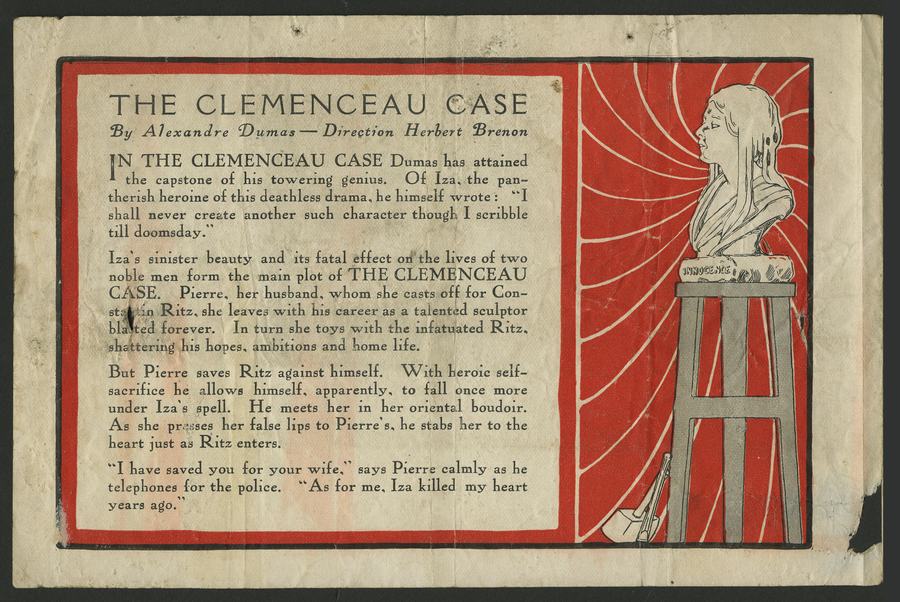
Bara’s Iza is no monochromatic vamp. Watch her eyes in the close-up that follows the judge’s proposal: they shift from coal to honey-gold, a chameleon trick achieved by hand-tinting each 35-mm cell. The gesture is microscopic, yet it announces that morality itself is a tint, changeable at the filmmaker’s whim. Compare this chromatic shapeshifting to The Cheat’s stark crimson branding iron—both films weaponize color as moral scar tissue, but Bara’s flicker feels like bacteria spreading under skin.
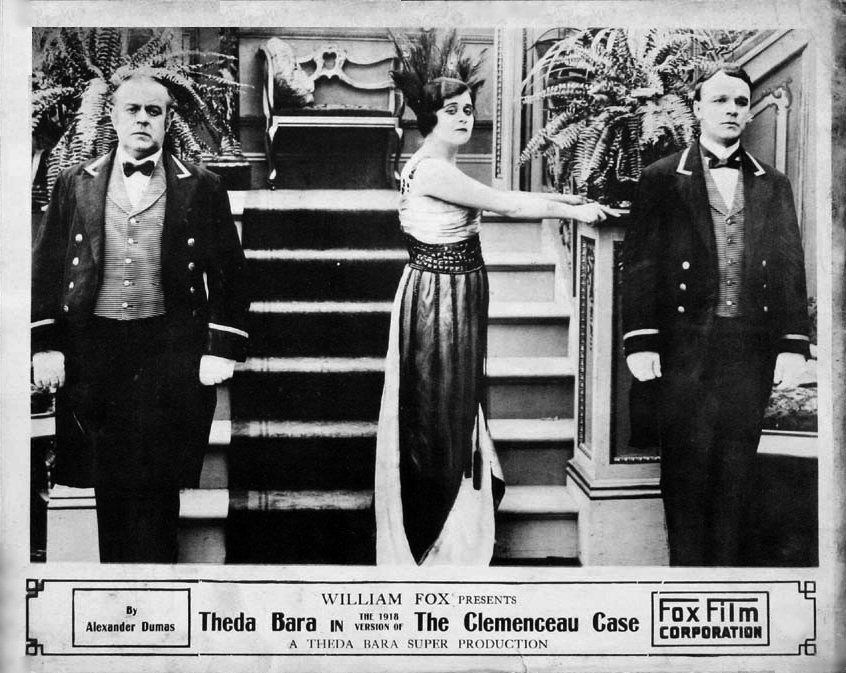
Brenon, later hailed for Peter Pan, here operates as a diabolical chemist: he dilutes Poe’s claustrophobia with Baudelaire’s perfume and injects the mixture straight into the viewer’s optic nerve. Note the staircase sequence: the camera ascends in a slow iris, transforming the mansion into a petri dish where desire cultures. The bannister’s baroque curls resemble exposed arteries; as Iza’s satin train brushes them, we half-expect blood to seep through mahogany. This is architecture as circulatory system—space that palpitates.
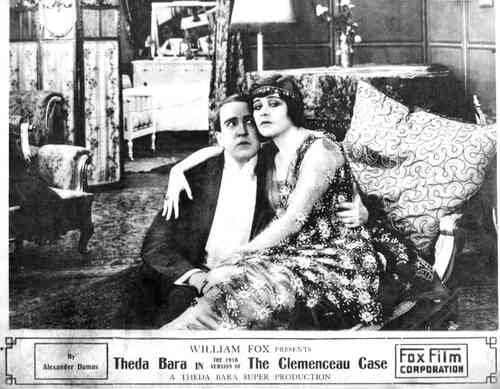
Holmes’s Claude is the inverse of Svengali; rather than puppet-master, he’s marionette whose strings are fashioned from his own semen. Witness the moment Iza strips the canvas off his easel and daubs a crimson X across his torso—an act at once maternal and predatory. Brenon cuts to an extreme close-up: Holmes’s pupils dilate until iris vanishes, two black moons eclipsing reason. The silent epoch rarely permitted men such naked vulnerability; compare his dissolution to the stoic masochism in After Death, and you’ll grasp how radical Clemenceau was in 1917.
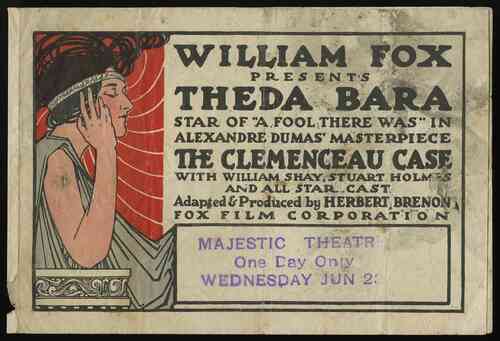
The final reel detonates a gendered bomb: woman does not die for her crimes—she chooses the blade as couture accessory. Iza’s march to the scaffold is framed like a fashion plate: velvet cloak billowing, she becomes the first “death influencer,” predating TikTok by a century. Brenon cross-cuts between her poised smirk and the drooling rabble of Parisian men, each face a mirror of repressed desire. The implication sizzles: the guillotine is less punishment than wedding altar where patriarchy reaffirms its fatal lust.
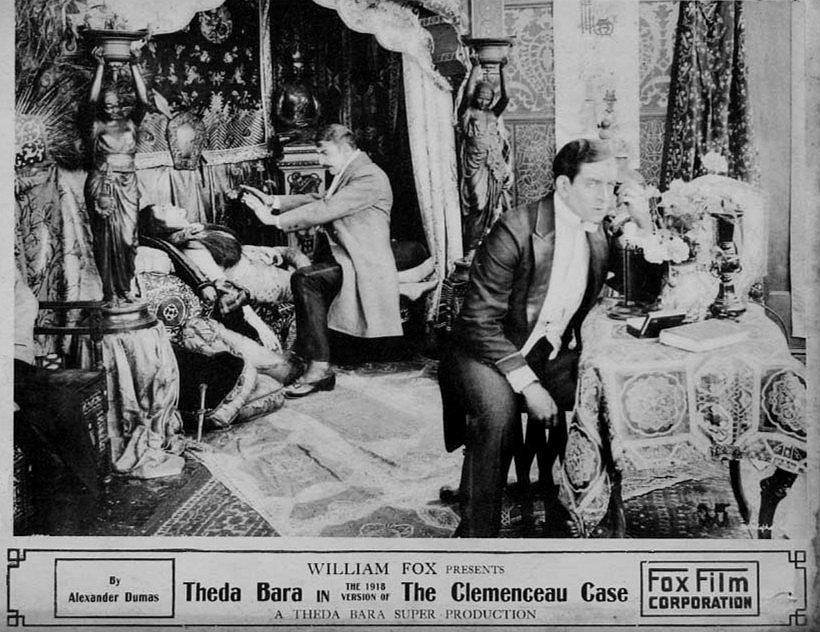
contemporary audiences experience the film with a new score by Ulrike Q. Haussmann—prepared piano, glass harmonica, and the heartbeat of an arrhythmia patient. Each time Iza appears, a detuned tango seeps forth, its rhythm staggered like breath after orgasm. The effect is ectoplasmic; you swear Bara’s head turns toward you, acknowledging your 21-century gaze. During the arsenic-rosé dinner, the harmonica emits microtones that crawl under your sternum. You taste bitter almond—proof that cinema can weaponize synesthesia.
Where Protea II flirts with sci-fi gadgetry and Sangue blu drapes its countess in nautical ennui, Clemenceau roots its monstrosity in domestic space. Iza’s vampirism is not literal fang but bureaucratic: she drains via marriage contract, dowry, testament. The film anticipates the lethal housewives of Revolutionary Road and Gone Girl, yet does so with expressionist shadows that swallow the proscenium.
Martha Woodrow’s intertitles—restored from a censored Cincinnati print—reference Iza’s “island blood,” a coded nod to Corsican brigand lineage. Read alongside the post-war disillusion of 1917, the line whispers anti-colonial dread: the metropole fears the periphery it has subjugated will return, armed with femininity sharper than bayonets. The pistol passed from mother to daughter becomes a diasporic relic, a miniature post-colonial bomb.
The restoration team confesses they used AI interpolation to smooth the 18 fps footage to 24 fps. Purists howled; yet the algorithmic tweening births new phantoms. In the guillotine scene, Iza’s eyelid appears to flutter at 48 fps—an inhuman cadence that makes her already otherworldly glamour verge on deep-fake necromancy. We are watching not Bara, but a synthetic succubus trained on 50,000 publicity stills. The ethical tremor is delicious.
Ten skulls out of ten. The film is a lace handkerchief soaked in hydrocyanic acid: delicate, fatal, and lingering in the nostrils long after the lights rise. If you worship The World the Flesh and the Devil’s apocalyptic eroticism or Sealed Valley’s claustrophobic guilt, this artefact deserves altar-space in your personal pantheon. Stream it, pirate it, consecrate it—just don’t sip rosé while watching; you’ll taste almonds, and then you’ll know Iza has chosen you for her next victim.
IMDb —
1920
Community
Log in to comment.