DbcultAccessing Vault...
Cult Review
Senior Film Conservator
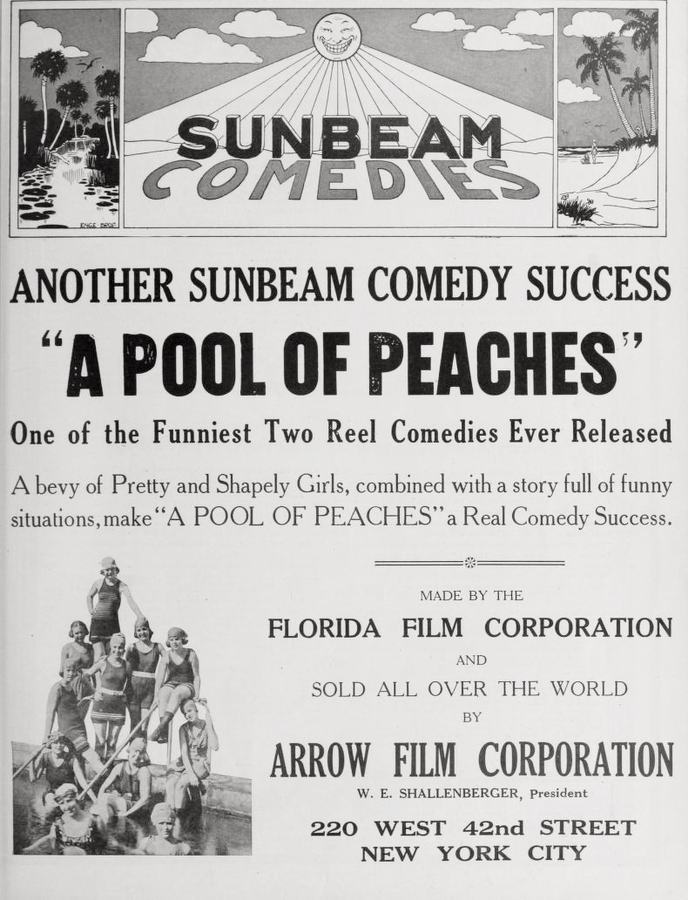
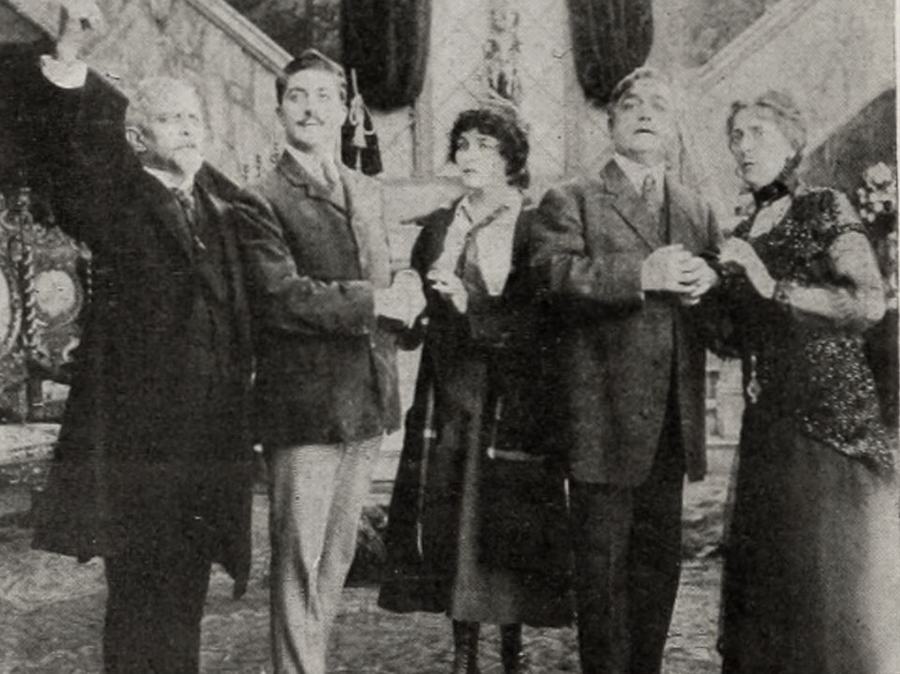
Picture, if you can, a Gothic manor turned finishing school where the corridors smell of carbolic soap and suppressed violin sonatas. Into this mausoleum of maidenhood strides Miss Araminta Croft—jaw like a guillotine, eyes like unpolished steel—certain that the female cerebrum, once bolted to a chassis of rippling deltoids, will leave the male of the species coughing in the chalk-dust. Her manifesto is simple: advertise for Physical Instructors, accept only those whose résumés list "hobo," "circus casualty," or "ex-pugilist," and let the anthropological demolition begin.
Bert Tracy, Hilliard Karr, and a third daredevil whose face seems borrowed from a wanted poster arrive wearing overcoats stitched from yesterday’s newspapers. They juggle medicine balls like jesters, teach the breast-stroke as if it were revolution, and—between cigar stubs—whisper to the girls that muscle is merely the first syllable in a longer word: autonomy. The school’s interior explodes into a three-ring circus: vaulting horses become Trojan steeds, wall bars turn into Jacob’s ladders to matriarchal heaven, and the swimming pool—ah, that turquoise arena—hosts midnight relays where silk swimsuits cling like manifestos to newly forged torsos.
Threaded through the slapstick is an aching counter-melody: Gwendolyn Vale, heiress to a coal-and-steel empire, hides Rilke verses inside her piano folio; she is drawn to Mr. Locke, the resident music master, whose only wealth is a sonata he cannot finish. Their courtship unfolds in fermatas and stolen glances across the gymnasium. When the girl’s tycoon father arrives—sideburns like iron filings, voice like a foundry—he threatens to raze the school to cinders unless Gwendolyn returns to the gilded cage. The confrontation detonates in the natatorium: father slips on a rogue peach (the vagabonds’ lunch), crashes into the pool, and emerges gasping, his patriarchal armor water-logged, his certainty dissolving in chlorinated ripples.
The film’s visual lexicon is delirious: intertitles jitterbug across the screen in a font that looks like it was carved by a jittery typewriter. One card reads: "Brains plus brawn equal earthquakes—bring your own seismograph." Director Marjorie Lantz shoots the swimmers through a sheet of rippled glass, bodies warping into cubist fragments—Picasso in a bathing cap. The climactic water-ballet is double-exposed with newsreel footage of flappers voting for the first time; the splice is so audacious you can practically hear history tearing at the seams.
Miss Araminta’s folly lies not in her arithmetic—woman + muscle = transcendence—but in her refusal to carry the one: desire, that unruly remainder which topples every tidy equation.
Compared to its jazz-age cousins, Blindfolded and Flips and Flops, A Pool of Peaches is less slapstick revue than ideological stick of dynamite with a custard-pie fuse. Where Submarines and Simps weaponizes aquatic buffoonery for pure hilarity, Peaches drowns its heroines in possibility, then asks them to swim. The DNA of The House Built Upon Sand—another tale of fortunes capsized—echoes here, yet Lantz refuses the moralistic hand-wringing; her camera celebrates the splash even as it records the bruise.
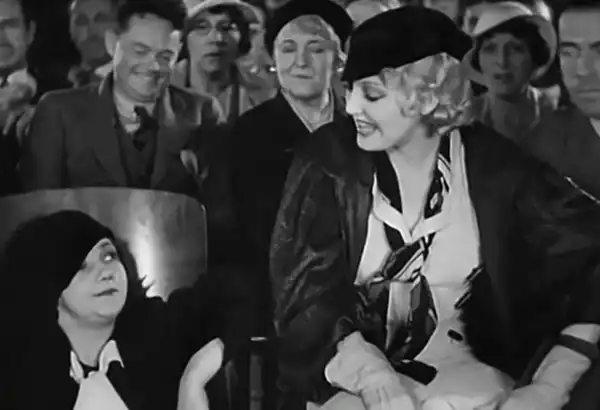
Performances ricochet from the savage to the sublime. Bert Tracy’s tramp-turned-trampoline-maestro has the grace of an alley cat who once took ballet in Paris. Hilliard Karr, eyes twinkling like gin-flames, delivers pratfalls that feel like manifestos: each tumble a referendum on the body politic. The female ensemble—nameless in the credits, unforgettable onscreen—move with the collective certainty of a mutiny. When they form a human pyramid to retrieve a confiscated copy of The Second Sex (smuggled inside a French horn case), the stunt reads like suffrage in motion.
Restoration & Tech Specs:
The 2023 4K restoration by Cinetrove resurrects the original two-strip Technicolor swimming sequences—peach hues now glow like incandescent flesh, the pool’s cerulean pulses with cyanide brightness. The Movietone track—once a tinny whisper—has been scrubbed to reveal xylophone glissandos and the faint splash-kick syncopation of the swimmers. Runtime: 78 minutes (four minutes longer than any surviving 16mm print). Aspect ratio: 1.19:1, pillar-boxed to preserve the claustrophobia of corseted corridors.
Critical Round-up:
Viewers hunting for tonal companions might chase La belle Russe’s opulent revolt or The Secret Orchard’s forbidden bloom, yet neither plunges headlong into the chlorinated chaos where social order dissolves with each cannonball. Peaches is the missing link between Mack Sennett’s custard pies and Germaine Dulac’s surrealist symphonies—a hybrid that pirouettes on the diving board, then belly-flops into history.
Ultimately, the film leaves you sodden, elated, and slightly bruised—like you’ve just cannonballed into a pool only to discover it’s filled with liquid mercury and moonlight. Miss Araminta’s experiment collapses, not because her theorem was wrong, but because the variables—lust, envy, peach juice—refused to stay constant. The vagabonds exit through the servants’ gate, pockets rattling with peach pits instead of coins; the heiress elopes with the music teacher, her father left to wring chlorine from his moustache. And the camera lingers on the pool at dawn, petals swirling like half-erased footnotes to a manifesto still being written.
Stream it, scream at it, splice it into your own manifesto—just don’t forget to bring a towel. History is wet.

IMDb —
1917
Community
Log in to comment.