DbcultAccessing Vault...
5.3/10
Senior Film Conservator
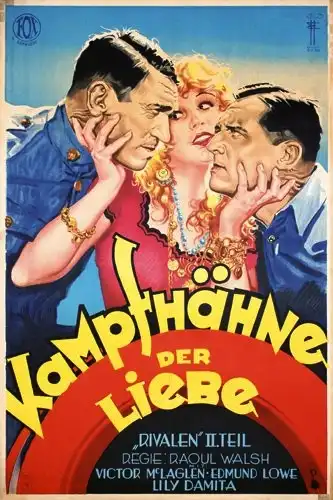
A definitive 5.3/10 rating for a film that redefined the boundaries of cult cinema. The Cock-Eyed World remains a cornerstone of transgressive art.
If you're looking for a quiet evening, skip this one immediately. The Cock-Eyed World is probably one of the loudest movies from 1929 I've ever sat through.
It’s a sequel to What Price Glory? and follows the same two Marines, Flagg and Quirt. You should watch it if you like old-school bickering or if you’re curious about how movies felt when sound was brand new and everyone was excited to just make noise.
Most people today will probably find it pretty annoying. It’s basically just Victor McLaglen and Edmund Lowe shouting insults at each other while trying to steal the same women.
The movie starts in Russia, but they quickly move to a South Sea island. The plot doesn't really matter much; it's just a clothesline to hang a bunch of sketches on.
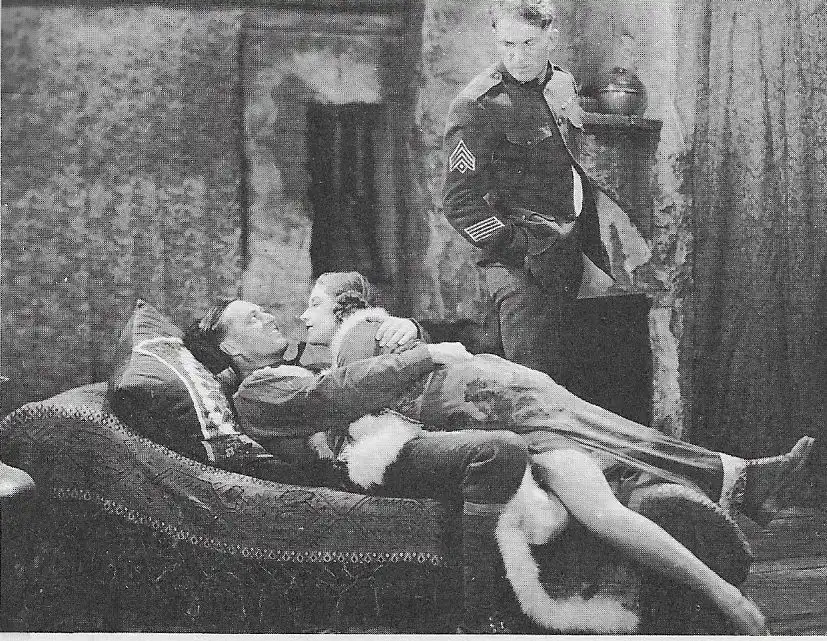
Lili Damita plays Mariana, the girl they both want. She has a ton of energy, which is good because the two male leads are kind of exhausting to keep up with.
There is this one scene where a parrot starts talking and the way the actors react feels so unrehearsed. It’s like they were actually surprised the bird made a sound on cue.
I noticed the camera stays very still during the musical numbers. It’s that early talkie thing where you can tell the equipment was too heavy or the microphones were hidden in the potted plants.
One of the Marines, played by El Brendel, does this Swedish accent that feels like it belongs in a completely different movie. I didn't laugh once at his bits, but I guess people back then loved it.

The humor is very physical and mostly involves shoving. It reminded me a little bit of the military energy in Hard-Boiled Haggerty, but way more chaotic.
There's a lot of singing too. Some of it is okay, but it goes on for a long time without actually moving the story anywhere.
I kept thinking about how much beer these guys must have drank off-camera. They have this red-faced, sweaty energy that feels very real for a couple of career soldiers in the 1920s.
The movie is way too long for what it is. About halfway through, you kind of get the point that they hate each other but also love each other, or whatever.
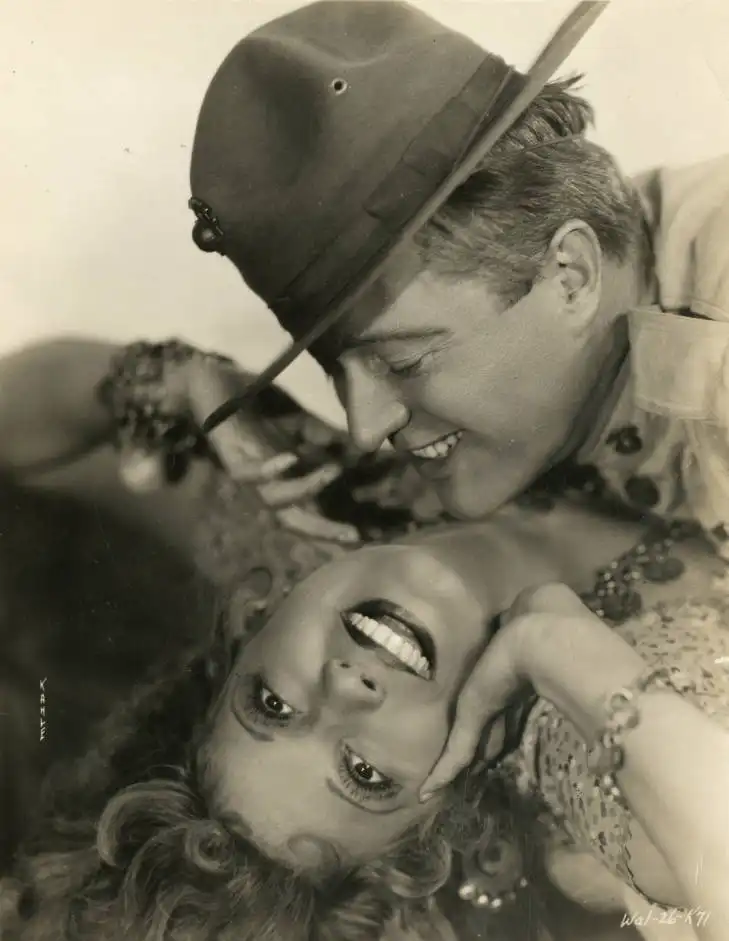
It’s interesting to see how much they got away with back then. Some of the jokes are surprisingly dirty for a movie that’s nearly a hundred years old.
If you’ve seen Born to Battle, you know the vibe of these rough-and-tumble guy movies. But this one feels more like a stage play that accidentally wandered outside into the sun.
The ending isn't really an ending. It just sort of stops when the characters have to move to the next deployment.
I didn't hate it, but I don't think I'd ever watch it again. It’s a noisy museum piece that captures a very specific, messy moment in film history.
You can tell Raoul Walsh was just trying to see what worked with the new sound technology. Sometimes it works, mostly it's just a lot of people talking over one another.
IMDb —
1925
Community
Log in to comment.