DbcultAccessing Vault...
Cult Review
Senior Film Conservator
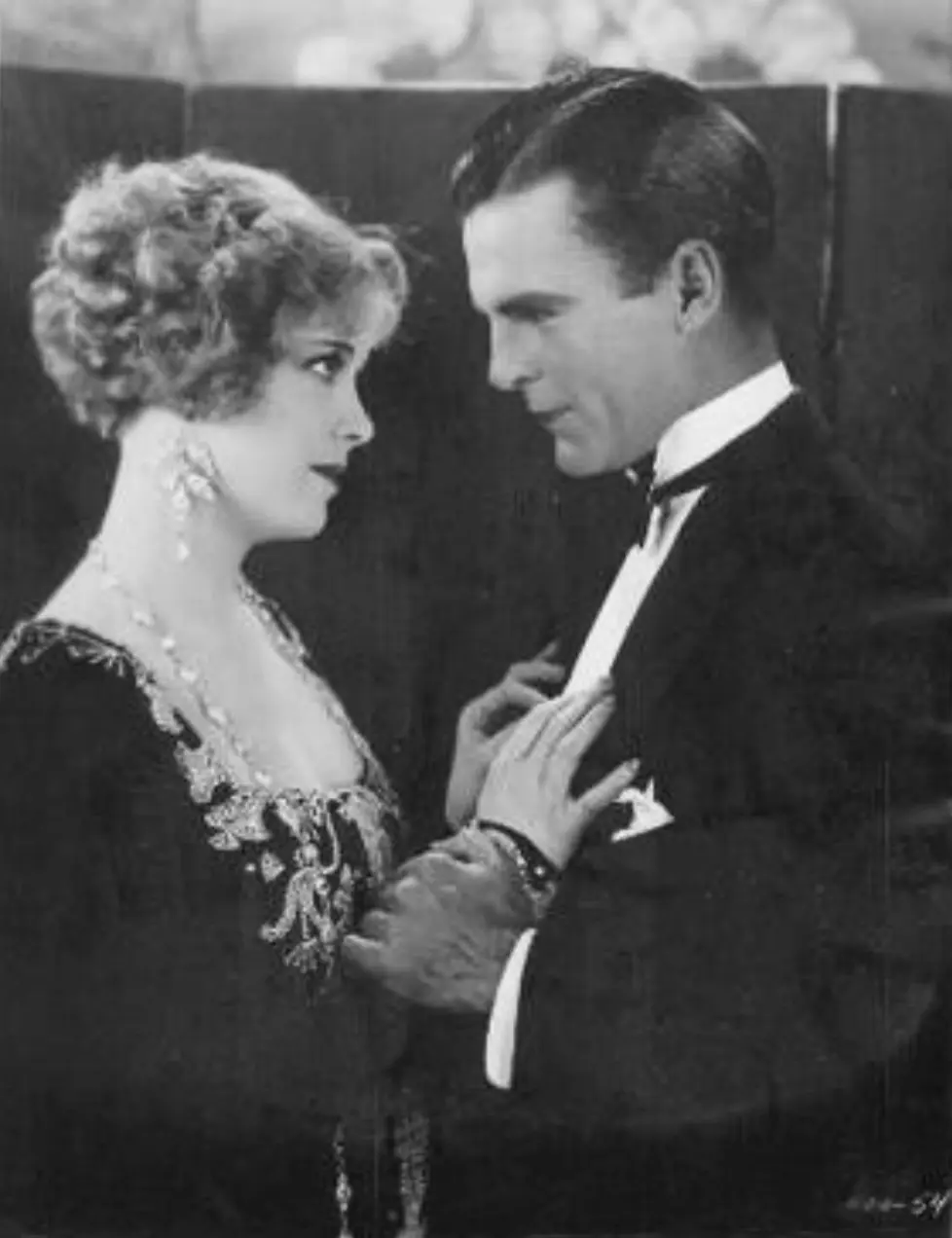
Is The Spotlight a silent masterpiece that deserves a modern audience? Short answer: Yes, but only if you appreciate the cynical roots of Hollywood PR and the psychological toll of living a double life.
This film is for enthusiasts of early Hollywood meta-narratives and fans of Herman J. Mankiewicz’s sharp-tongued writing. It is NOT for those who find the slow, deliberate pacing of 1920s silent melodrama to be an insurmountable barrier to enjoyment.
1) This film works because of the surprisingly modern screenplay by Herman J. Mankiewicz, which treats the concept of stardom as a fraudulent construction rather than a magical destiny.
2) This film fails because the final act leans heavily into conventional romantic tropes, slightly undermining the sharp social critique established in the first hour.
3) You should watch it if you want to see a pre-Code era exploration of identity that feels eerily relevant to today’s age of social media curation.
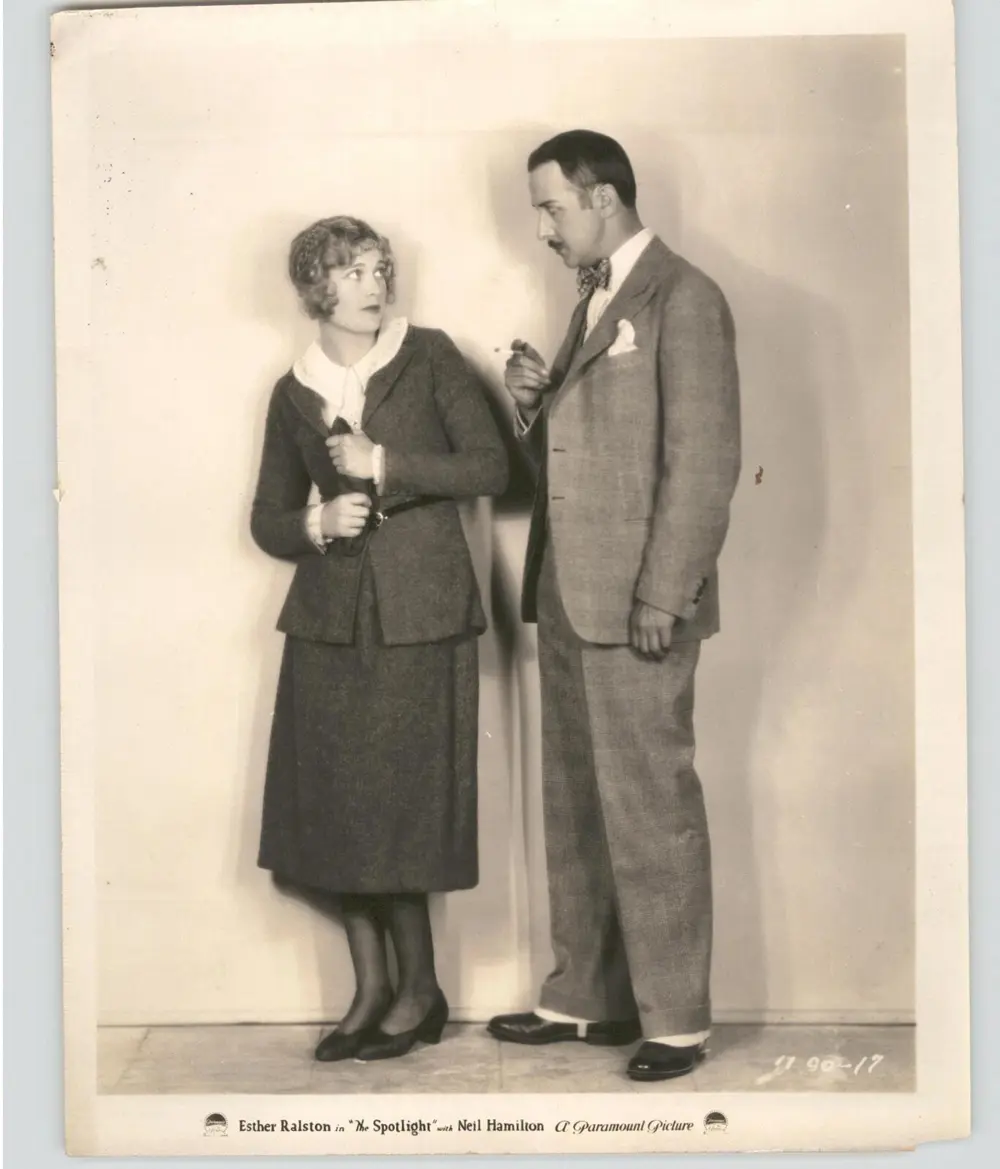
In the 1927 landscape of cinema, The Spotlight stands out as a remarkably self-aware piece of work. While many of its contemporaries like Painted People focused on the rags-to-riches charm of the industry, this film, directed by Frank Tuttle, digs into the mechanics of the 'rebrand.' It is a film about the death of the self in the service of the image. Esther Ralston, often relegated to 'blonde beauty' roles, delivers a dual performance that is both heartbreaking and technically proficient.
The character of Lizzie Stokes is played with a deliberate, stiff-shouldered anonymity. She is the woman you forget the moment she leaves the room. This makes her transformation into Olga Rostova all the more jarring. When Hoffman, played with a slick, predatory charm by Nicholas Soussanin, begins his work, the film takes on the tone of a dark Pygmalion. He doesn't teach her to act; he teaches her to pose. He doesn't give her a voice; he gives her an accent. It is a lie that sells. And in the 1920s, just as today, the public was hungry for the exotic and the unattainable.
Yes. If you are looking for a film that bridges the gap between the silent era's theatricality and the cynical realism of 1940s noir, this is it. It offers a unique window into how early Hollywood viewed its own power to manipulate reality. The film remains a vital piece of cinema history because it doesn't just tell a love story; it deconstructs the very idea of the 'star' as a living, breathing human being.
It is impossible to discuss The Spotlight without mentioning the writing credits of Hope Loring and Herman J. Mankiewicz. Mankiewicz, who would later go on to pen the legendary Citizen Kane, brings a level of skepticism to the script that was rare for the time. There is a scene early in the film where Hoffman explains the 'Olga' persona. He describes her not as a person, but as a product. The dialogue—delivered through title cards—is crisp and devoid of the usual flowery sentimentality of the era.
Consider the contrast between this film and something like The Misfit Wife. Where other films might treat the social climbing of a woman as a moral triumph, The Spotlight treats it as a necessary evil. The humor is dry, and the observations about the theatrical world are biting. Mankiewicz understood that the audience doesn't want the truth; they want a story they can believe in. This cynical core is what keeps the film from feeling like a dusty museum piece.
Esther Ralston is a revelation here. In an era where silent acting often leaned toward the histrionic, Ralston maintains a fascinating internal logic. As Lizzie, her eyes are downcast, her movements small and apologetic. As Olga, she becomes a creature of grand gestures and piercing stares. The brilliance of her performance lies in the moments where the two personas collide. There is a specific scene in her dressing room where, for a split second, the mask slips, and we see the terrified Lizzie staring out from behind Olga’s heavy eyeliner.
This duality is what drives the emotional engine of the film. When Norman Brooke (Neil Hamilton) falls in love with Olga, the audience feels a genuine sense of dread. Hamilton plays Brooke with a naive sincerity that makes the deception feel almost cruel. We see the same themes explored in Irish Eyes, but here, the stakes feel more personal and psychological. It’s not just about social standing; it’s about the soul.
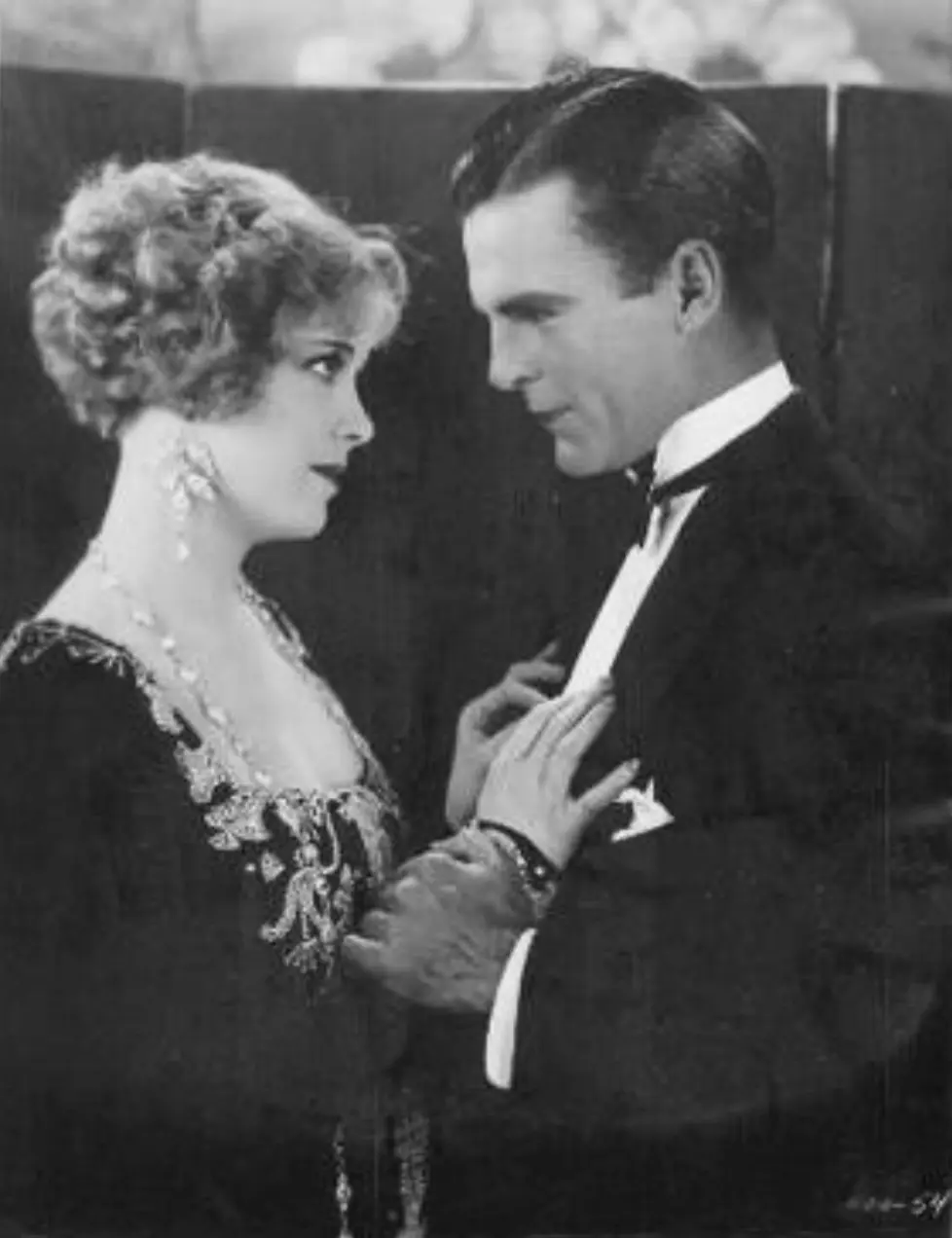
The visual language of the film is equally impressive. The lighting during the 'Olga' sequences is high-contrast, designed to make her look like a porcelain statue. In contrast, the scenes featuring Lizzie are shot in flat, uninspired gray tones. This visual storytelling reinforces the theme that the 'real' world is dull, while the 'fake' world is where the light lives. It is a sophisticated use of the medium that many modern directors would do well to study.
The pacing is deliberate. It doesn't rush to the climax. Instead, it allows the tension of the lie to build. We see the toll it takes on Lizzie—the isolation of her fame, the inability to speak her truth even to the man she loves. The film captures the claustrophobia of the spotlight. It is a gilded cage. Silence isn't always golden; here, it is a prison sentence.
Pros:
Cons:
The Spotlight is a surprisingly modern film trapped in a 1927 body. It is a biting critique of the fame machine that manages to be both a compelling character study and a cautionary tale. While it occasionally falls into the traps of its era, the strength of the performances and the cynicism of the script make it a must-watch for anyone interested in the history of Hollywood. It works. But it’s flawed. And that flaw makes it all the more human. In a world of manufactured stars, The Spotlight reminds us that the most valuable thing we have is the truth of who we are when the lights go out.
IMDb —
1923
Community
Log in to comment.