DbcultAccessing Vault...
4.9/10
Senior Film Conservator
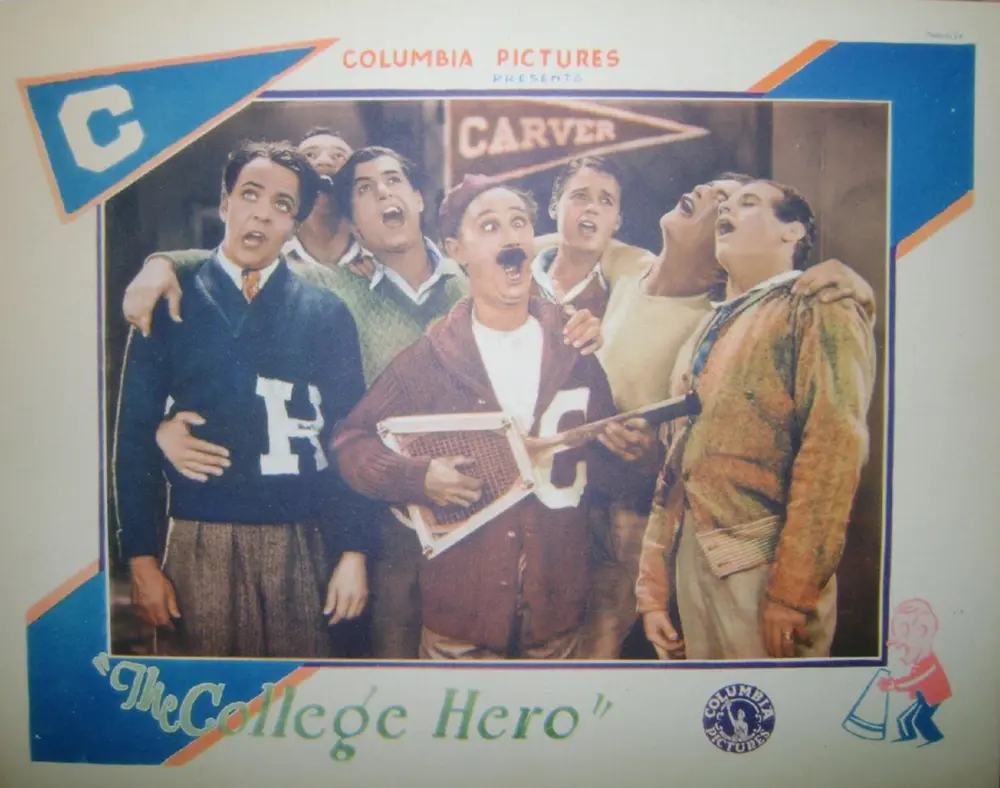
A definitive 4.9/10 rating for a film that redefined the boundaries of cult cinema. The College Hero remains a cornerstone of transgressive art.
Should you invest your time in a silent film about 1920s football? Short answer: yes, but only if you appreciate character-driven melodrama over modern pacing.
This film is for historians of the silent era and those who enjoy exploring the darker side of friendship. It is definitely not for viewers who require fast-cut action or a high-octane sports experience.
The College Hero remains a fascinating artifact of the Jazz Age. It explores themes of masculine insecurity that still resonate in the age of social media envy.
1) This film works because it prioritizes the internal rot of Jim’s jealousy over the external spectacle of the big game.
2) This film fails because its secondary characters, particularly Vivian, are treated more as trophies than as human beings with agency.
3) You should watch it if you want to see how the 'sports hero' archetype was constructed in American cinema before it became a tired cliché.
The heart of The College Hero isn't found on the 50-yard line. It lives in the quiet, agonizing glances shared between Bob and Jim in their shared dormitory.
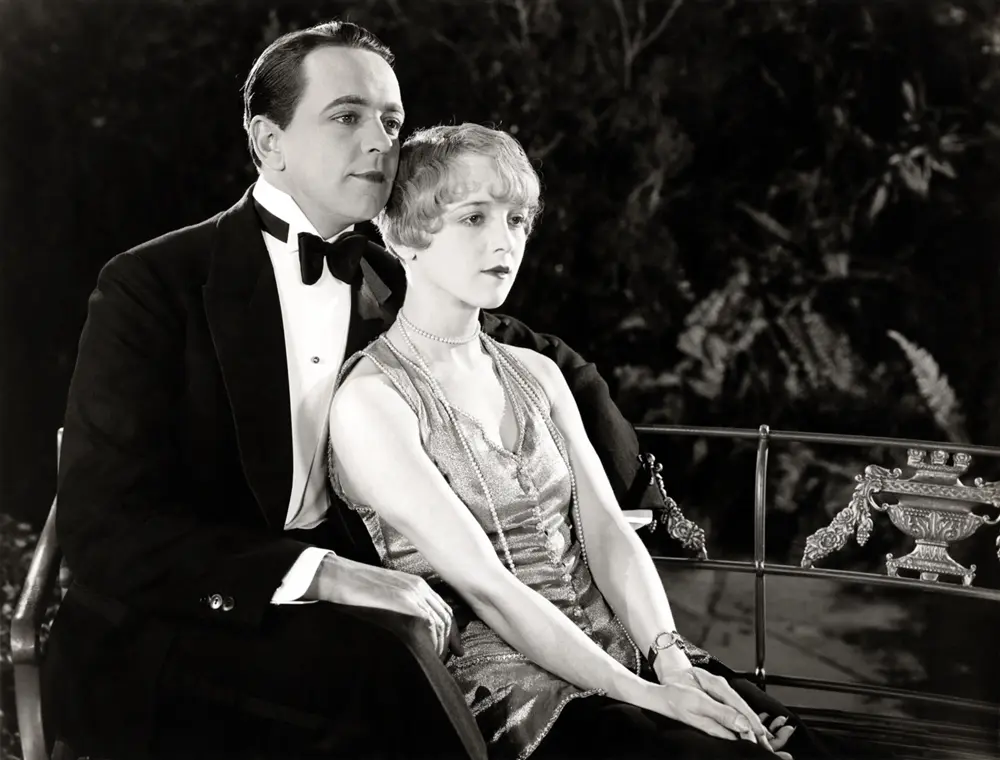
Director Walter Lang manages to capture a specific type of male fragility. When Bob (Rex Lease) returns from the prom with Vivian (Pauline Garon), the camera lingers on Jim (Churchill Ross).
Jim’s face is a mask of forced celebration. It is a haunting performance that mirrors the emotional weight seen in The Rag Man, though centered on a much different social class.
The rivalry is palpable. It isn't just about the girl; it's about the terrifying realization that one's best friend might actually be 'better' in the eyes of the world.
Jim is a jerk. But he is a jerk we recognize. His descent into bitterness feels earned, even if it makes him unlikable.
While Pauline Garon delivers a spirited performance, her character, Vivian, suffers from the era's narrow writing. She is the catalyst for the conflict but rarely the driver of it.
In one specific scene, Bob and Jim essentially argue over her as if she were a prized campus trophy. It’s an uncomfortable moment that highlights the gender dynamics of 1927.
Compared to the more nuanced female roles in The Woman in Politics, Vivian feels like a regression. She exists to be won, not to win.
However, Garon uses her limited screen time to showcase a vibrant energy. Her reactions during the final football game provide the emotional stakes the audience needs.
She is the light to the boys' darkness. Without her, the film would be a dreary exercise in brooding, but she injects a necessary sense of stakes.
How does a 1927 film handle the chaos of a football game? surprisingly well, actually. The cinematography during the climax is inventive for its time.
We see low-angle shots of players charging toward the camera. This creates a sense of visceral danger that many modern sports films lose through over-editing.
The pacing of the game sequence is the film's high point. It builds tension not through the score, but through the escalating tension between Bob and Jim on the field.
It reminds me of the kinetic energy found in Oh, Johnny!, where movement is used to tell the story as much as the intertitles do.
The football isn't just a game. It's a battleground for Jim's soul. Every tackle feels like a personal slight, and every touchdown feels like a nail in the coffin of their friendship.
Walter Lang’s direction is steady, if not revolutionary. He understands how to frame a two-shot to maximize the tension between his leads.
The use of shadow in the locker room scenes is particularly effective. It creates a noir-like atmosphere long before noir was a recognized genre.
The intertitles, written by Dorothy Howell, are punchy and direct. They avoid the flowery prose that plagued many other silents of the mid-20s.
One title card simply reads, 'The cheers for one were silences for the other.' It’s a brutal, simple sentence that encapsulates the entire film’s thesis.
The editing is competent. It doesn't have the experimental flair of something like Ferragus, but it serves the narrative purpose perfectly.
Yes, The College Hero is worth watching because it provides a raw look at the competitive nature of the American Dream during its most exuberant decade.
The film captures a moment in time when college was the ultimate frontier for social advancement. It treats the football field with the same reverence a Western treats the open range.
It works. But it's flawed. The resolution feels a bit too tidy given the psychological damage inflicted throughout the second act.
Pros:
Cons:
The College Hero is a solid triple, if not a home run. It manages to take a standard 'college movie' premise and infuse it with a level of jealousy that feels surprisingly modern.
While it lacks the emotional complexity of The Rag Man, it compensates with a sharp focus on the toxicity of competition.
The film is a reminder that even in the 'Roaring Twenties,' the loudest cheers often masked the quietest heartbreaks. It’s a fascinating, albeit imperfect, piece of cinematic history.
Final score: A worthy watch for the dedicated cinephile, but a skip for the casual viewer.
IMDb —
1933
Community
Log in to comment.