DbcultAccessing Vault...
Cult Review
Senior Film Conservator
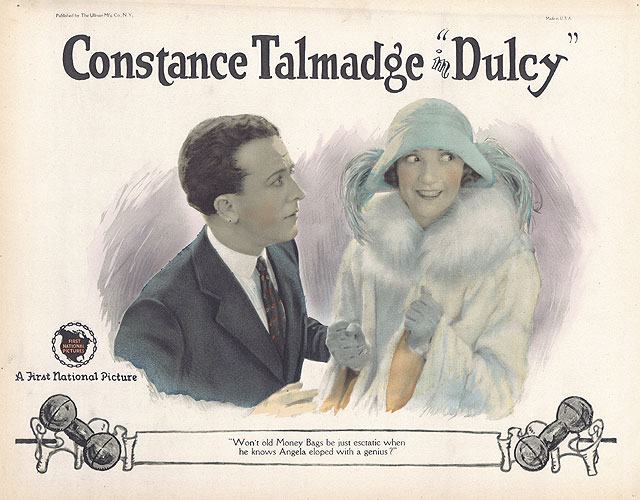
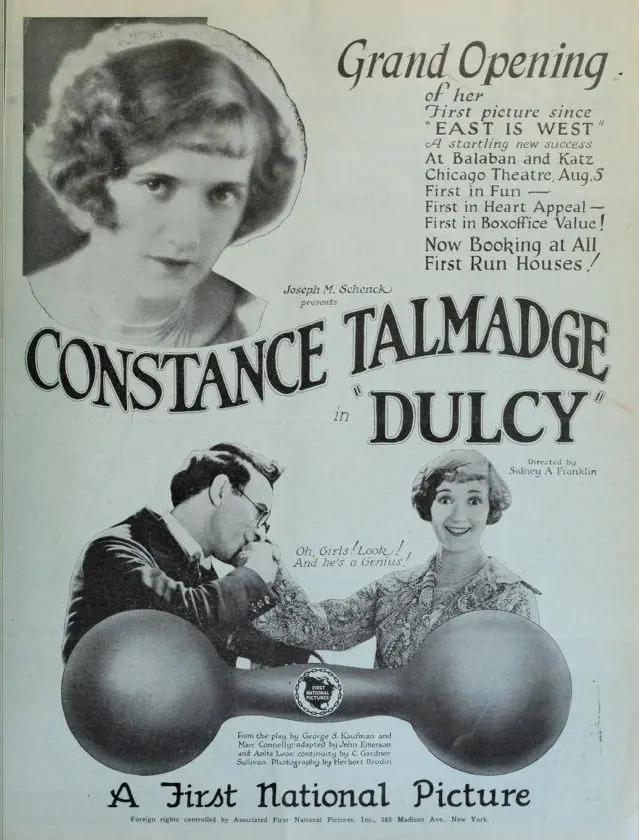
The 1923 cinematic adaptation of Dulcy represents a pivotal moment in the evolution of the American domestic comedy. While many silent films of the era leaned heavily into slapstick or the melodramatic gravity of works like The Silent Master, Dulcy carves out a niche of sophisticated satire. The film, derived from the stage play by George S. Kaufman and Marc Connelly, benefits from a screenplay pedigree that is nothing short of legendary. With the likes of Anita Loos and Frances Marion lending their pens, the intertitles crackle with a linguistic dexterity that transcends the limitations of the silent medium.
Constance Talmadge, often overshadowed by the dramatic prowess of her sister Norma, proves herself here to be the quintessential comedienne of the flapper era. Her performance as Dulcy is not merely a collection of mugging for the camera; it is a nuanced exploration of a specific social archetype—the well-meaning meddler. Unlike the darker thematic undertones found in Mrs. Balfame, Dulcy operates in a world where the stakes are ostensibly financial but deeply personal. Talmadge uses her entire physiognomy to convey a character who is perpetually three steps behind the conversation yet five steps ahead of everyone's emotional expectations.
The collaborative effort of Kaufman, Connelly, Loos, and Marion creates a narrative density rarely seen in the early twenties. The film manages to avoid the static, stagey feel that plagued many theatrical adaptations of the time. There is a kinetic energy to the dinner party sequences that rivals the atmospheric tension of Haunting Shadows, though directed toward mirth rather than mystery. The writers masterfully translate the 'bromidic' nature of the protagonist—a concept popular at the time referring to someone who speaks exclusively in cliches—into a visual language. Dulcy’s platitudes are not just spoken; they are lived, creating a friction between her perceived reality and the mounting chaos of the business deal.
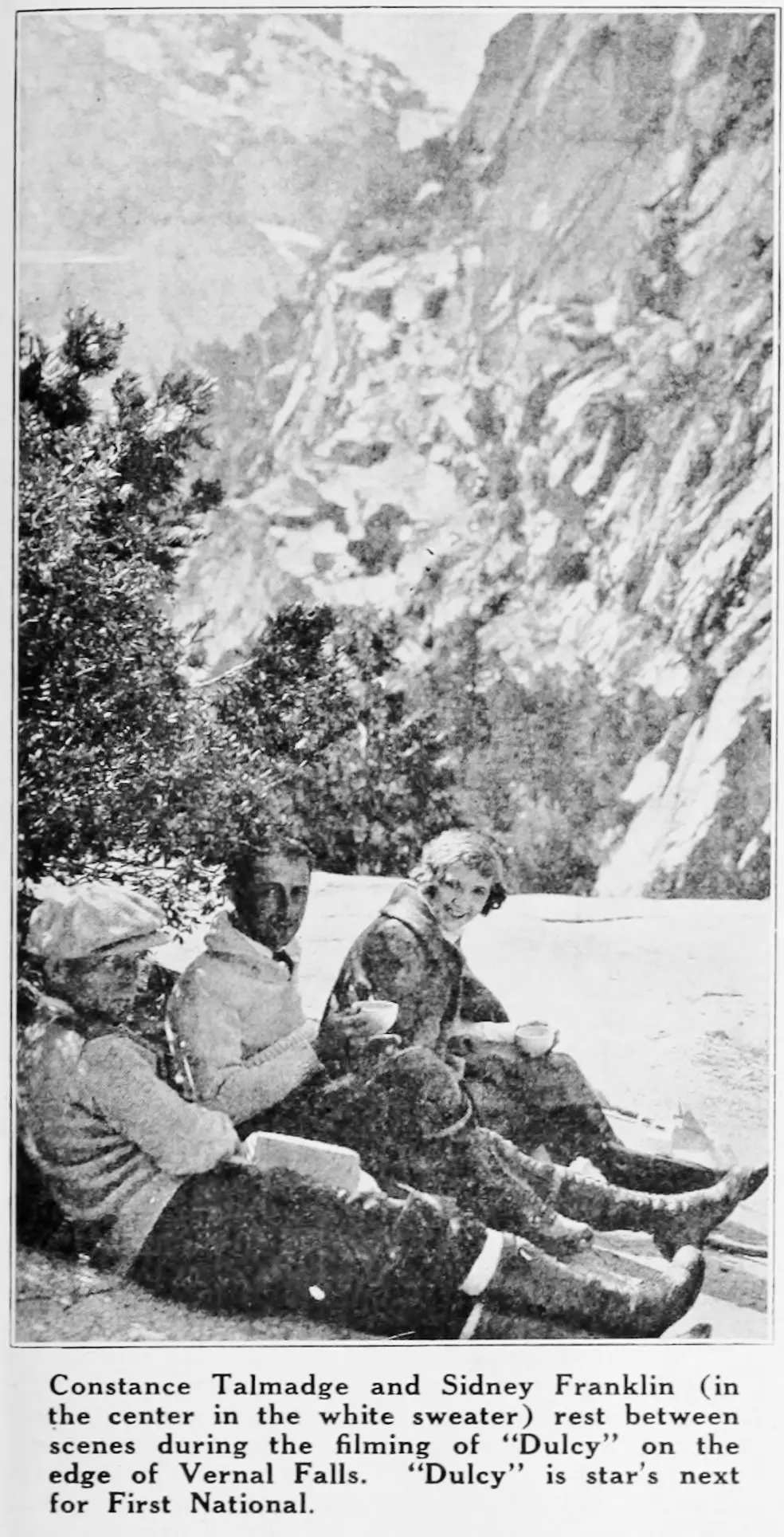
The supporting cast, including Claude Gillingwater and Jack Mulhall, provides a sturdy framework for Talmadge’s effervescence. Mulhall, as the long-suffering Gordon Smith, anchors the film with a relatable weariness. His performance provides the necessary counterweight to the absurdity, much like the grounded protagonist in Ready Money. The chemistry between the leads ensures that the film never devolves into a mere caricature of marriage; instead, it feels like a lived-in partnership where love is the only thing surviving the wreckage of social ambition.
While the film lacks the expressionistic shadows of Schlagende Wetter, its visual clarity is its greatest strength. The set design of the Smith household is a character in itself—a sprawling, opulent cage where Dulcy’s machinations are given room to breathe. The cinematography captures the subtle glances and the 'slow-burn' reactions of the business prospects with a precision that anticipates the screwball comedies of the 1930s. There is a rhythmic quality to the editing that keeps the viewer engaged, avoiding the lethargic pacing sometimes found in contemporary dramas like Mayblossom.
The film also serves as a fascinating sociological artifact. It critiques the burgeoning corporate culture of the 1920s, suggesting that the rigid formality of 'business' is just as much a performance as Dulcy’s hostessing. By having Dulcy accidentally win the day, the film posits that intuition and sheer chaotic energy can dismantle the most meticulously constructed financial schemes. It is a theme that resonates even today, echoing the unexpected turns of fortune seen in A Song of Sixpence.
When placed alongside more somber works like Hate or the gritty realism of The Heart of the North, Dulcy feels like a breath of fresh, albeit dizzying, air. It does not seek to moralize or to provide a harrowing look at the human condition. Instead, it celebrates the absurdity of human interaction. Even when compared to the romantic sentimentality of Home or the clandestine drama of Her Secret, Dulcy stands out for its sharp, satirical edge. It is a film that trusts its audience to understand the irony of its situations without over-explaining the humor.
The inclusion of George Beranger and Milla Davenport in the ensemble adds layers of character-driven comedy that flesh out the world. Each guest at the dinner party represents a different facet of 1920s society, from the self-important mogul to the eccentric artist. This ensemble approach creates a tapestry of conflicting egos that Dulcy, in her infinite obliviousness, manages to weave together. The film’s ability to balance these multiple threads is a testament to the directorial hand, which avoids the cluttered feeling of Warning! The S.O.S. Call of Humanity.
Dulcy’s influence on the 'dumb blonde' or 'manic pixie dream girl' tropes cannot be overstated, though Talmadge’s portrayal is far more sophisticated than those reductive labels suggest. She is a woman with agency, even if that agency is applied in the most perpendicular way possible to logic. The film’s climax, where the deal is finally struck, is a masterclass in tension and release. It mirrors the high-stakes resolution of The Place Beyond the Winds, but substitutes the rugged outdoors for the equally treacherous terrain of a formal drawing room.
In the final analysis, Dulcy is more than just a vehicle for Constance Talmadge’s charm. It is a brilliantly constructed piece of social commentary that remains remarkably watchable a century later. Its wit is not anchored to its era, but rather to the universal truth that sometimes, the best way to solve a problem is to completely misunderstand it. For those accustomed to the heavy-handedness of Plameny zivota or the philosophical brooding of Notte, verità degli uomini, Dulcy offers a refreshing reminder that the silent screen was capable of profound lightness and intellectual playfulness. It is a cornerstone of silent comedy that deserves a prominent place in the annals of film history.
A definitive viewing for any enthusiast of the Jazz Age, Dulcy remains a sparkling testament to the power of a well-placed platitude and the enduring genius of Constance Talmadge.
IMDb —
1920
Community
Log in to comment.