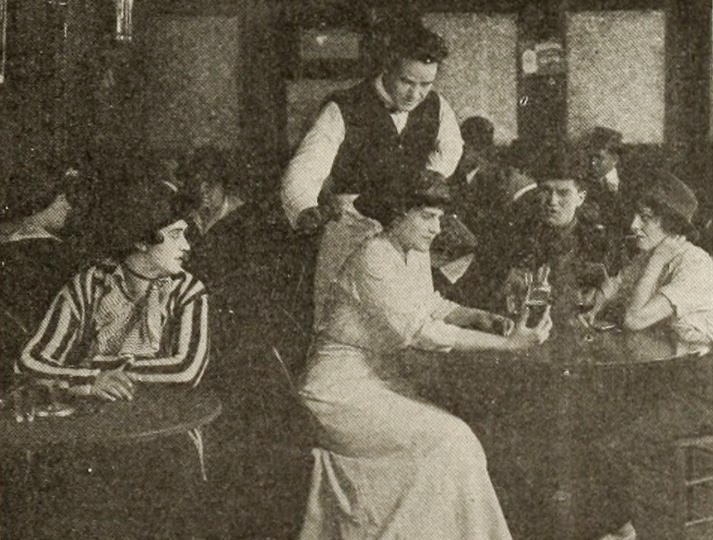
A woman sacrifices everything for her husband's career..
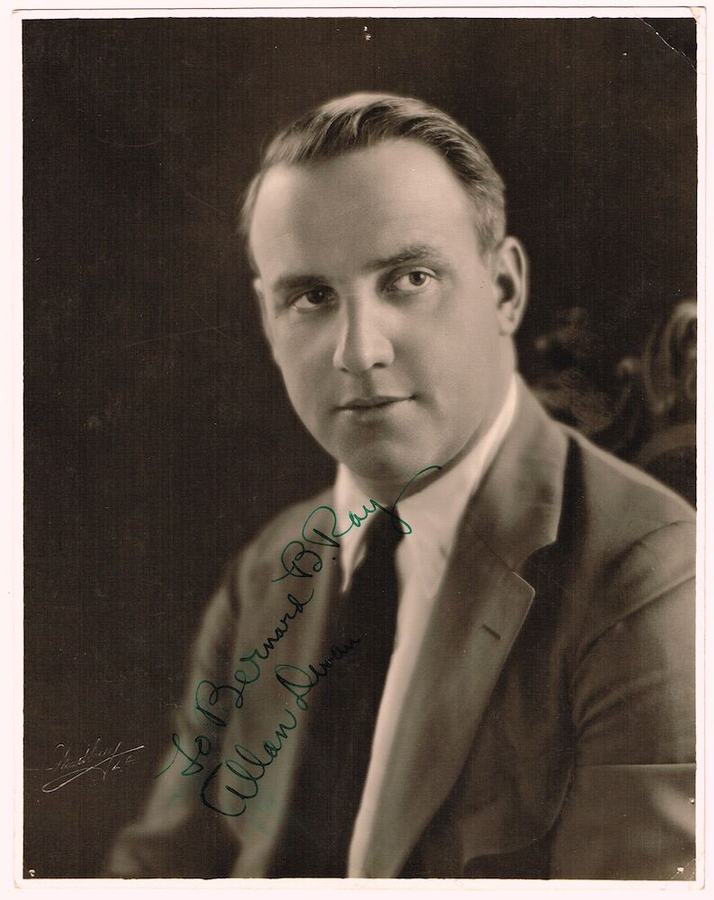
Mildred Considine, Allan Dwan, Monckton Hoffe
United States
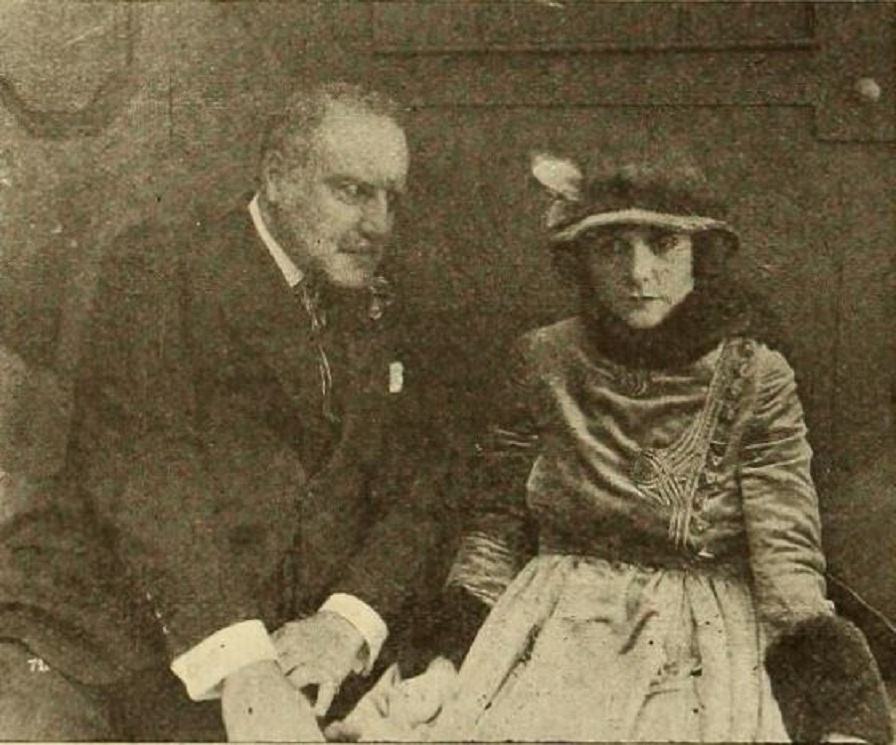
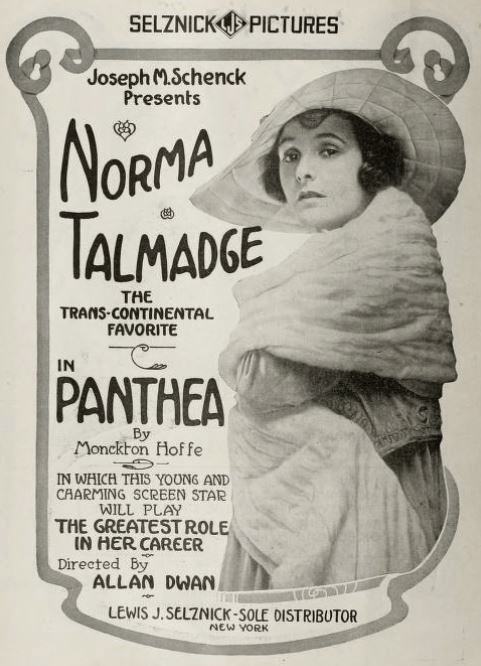
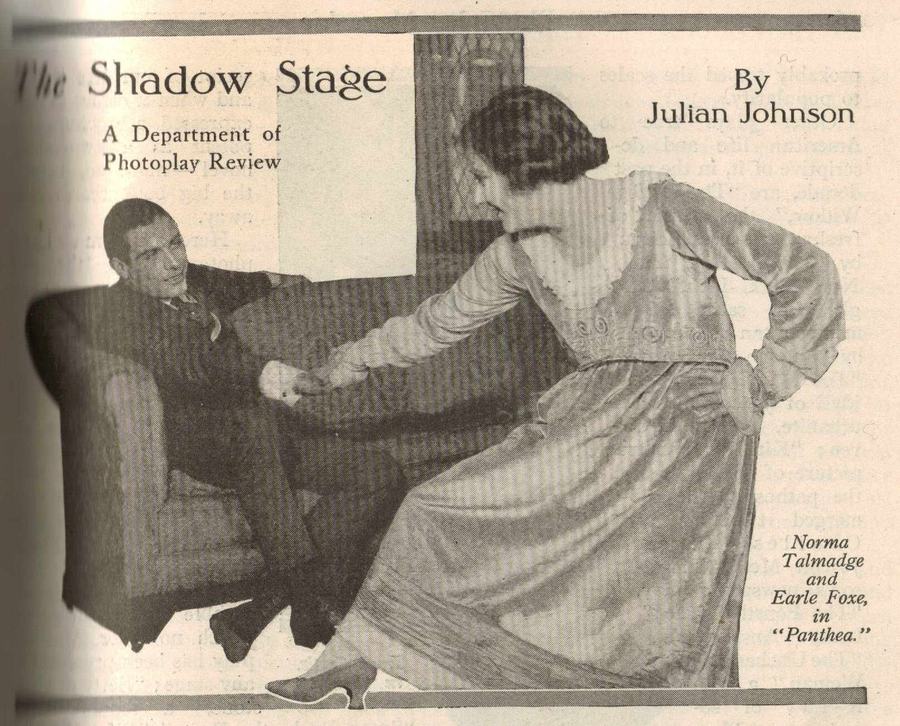
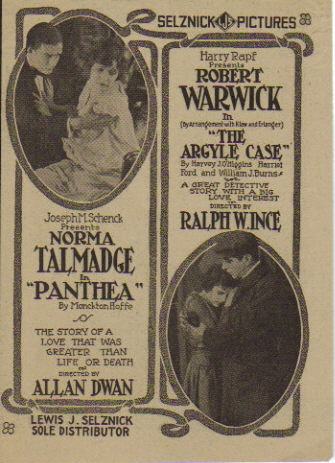
Panthea refuses to behave like any melodrama you have archived under “woman suffers for man.” Allan Dwan’s camera glides through parlors and ateliers as if on casters of doom, each track-in pushing us closer to the moment when Norma Talmadge’s magnanimity calcifies into marble anguish. Notice the first dinner party: t...
still_frame
publicity
production_art
production_art
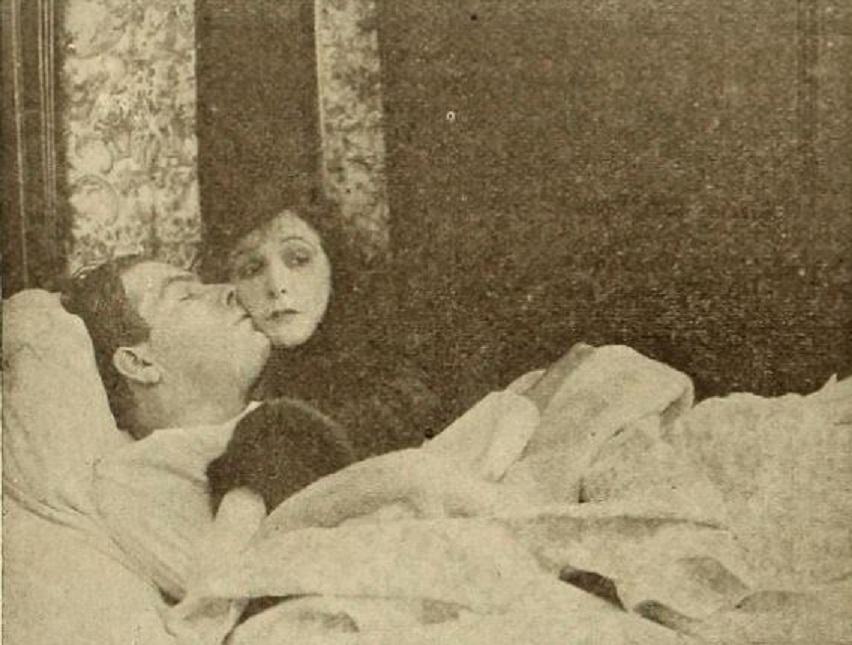
still_frame
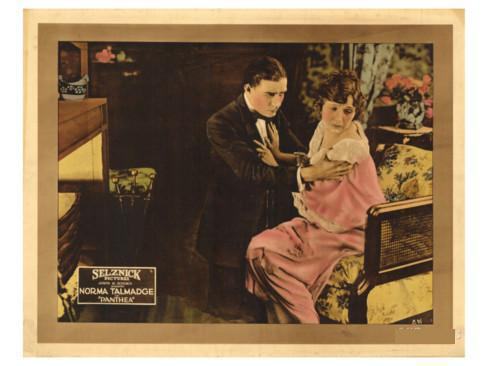
production_art
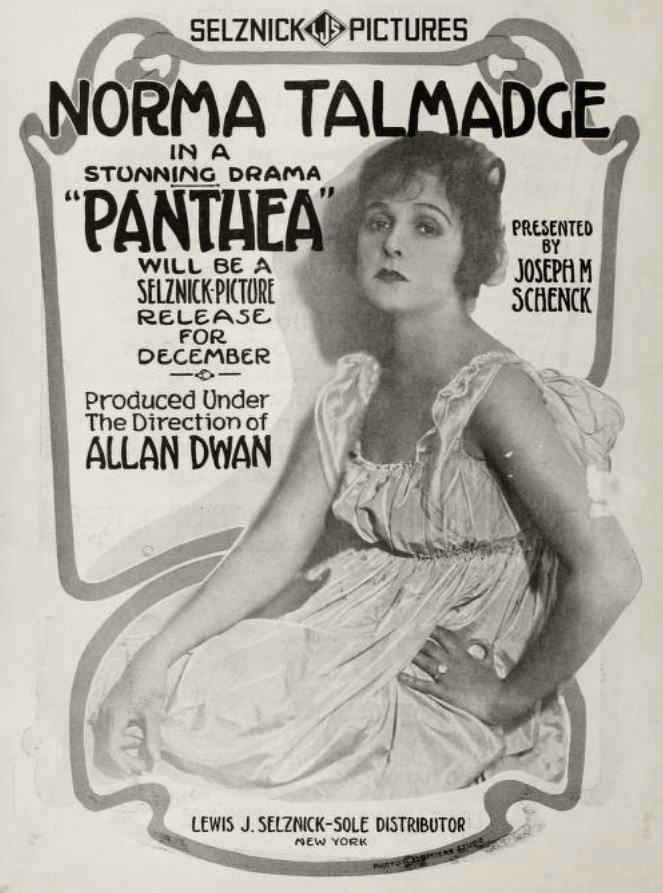
publicity
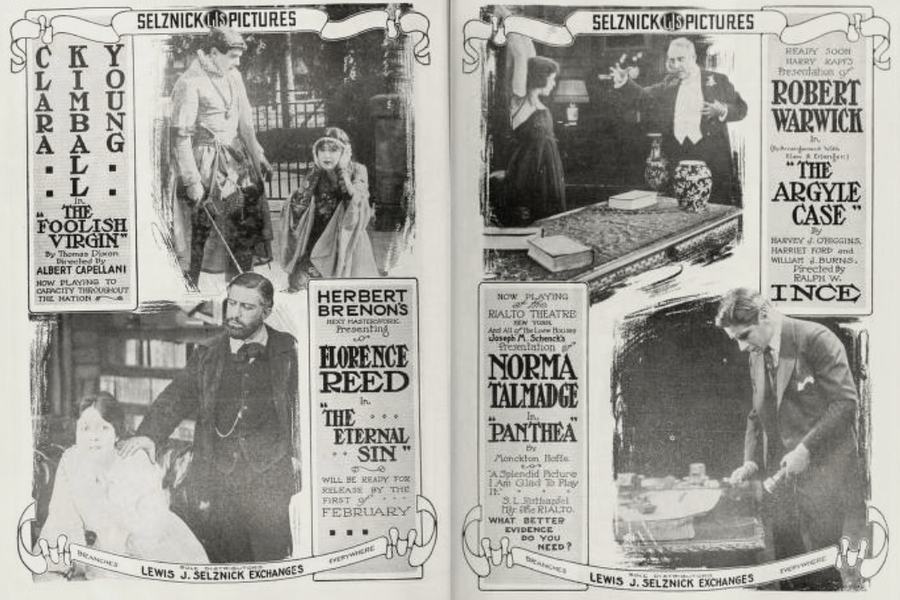
publicity
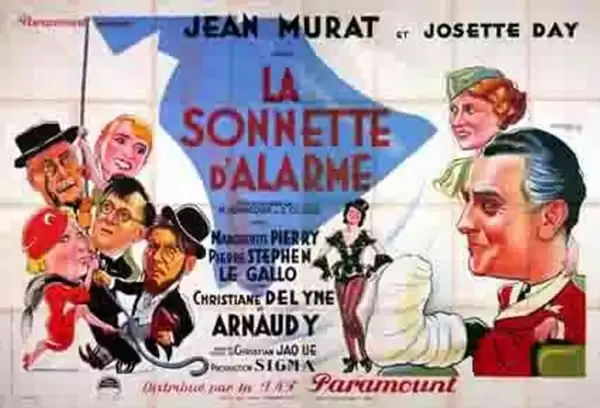
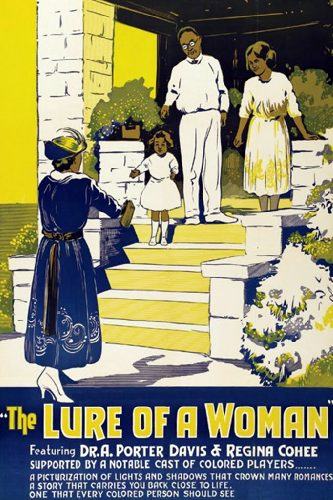
Comparing the cinematic DNA and archive impact of two defining moments in cult history.
Allan Dwan
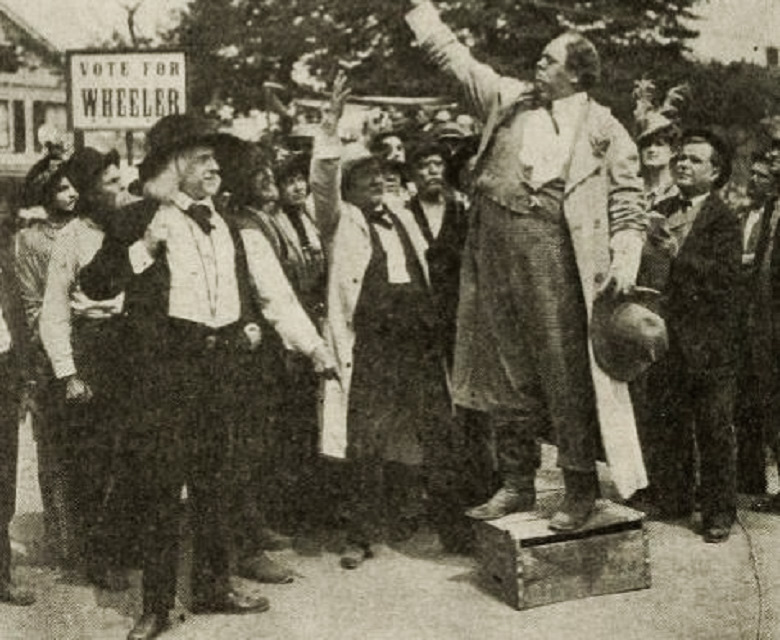
Allan Dwan
Community
Log in to comment.
" Panthea refuses to behave like any melodrama you have archived under “woman suffers for man.” Allan Dwan’s camera glides through parlors and ateliers as if on casters of doom, each track-in pushing us closer to the moment when Norma Talmadge’s magnanimity calcifies into marble anguish. Notice the first dinner party: the husband unveils a rough clay sketch; guests applaud; Dwan cuts to Talmadge’s gloved hand slipping beneath the table to grip her own wrist, a private tourniquet against the surge..."