DbcultAccessing Vault...
6.5/10
Senior Film Conservator
A definitive 6.5/10 rating for a film that redefined the boundaries of cult cinema. The Colonel remains a cornerstone of transgressive art.
Stepping back into the nascent years of cinematic storytelling, we encounter a rare gem from 1917: Richárd Falk and Ferenc Herczeg's The Colonel. This Hungarian silent film, a fascinating glimpse into the nascent art form, transcends its vintage to deliver a narrative rich in moral ambiguity, romantic entanglements, and the timeless dance between captor and captive. It’s a testament to the power of early filmmaking that a story conceived over a century ago can still resonate with such clarity and emotional depth, proving that the foundations of compelling drama were laid long before synchronized sound graced the silver screen. In an era often characterized by nascent experimentation and the rapid evolution of visual language, The Colonel stands as a sophisticated example of narrative construction, showcasing a maturity of plot and character that belies its early production date.
The narrative thrust of The Colonel hinges on a moment of profound vulnerability and an unexpected turn of fate. Our protagonist, a professional thief of considerable renown and skill, finds his nocturnal enterprise interrupted within the lavish confines of a millionaire's residence. The scene is set with a palpable tension, as the Colonel, a man accustomed to the shadows, is suddenly thrust into the harsh glare of discovery. Yet, what follows is not the anticipated arrest and ensuing incarceration. Instead, he is presented with an offer that reshapes his immediate future and, unknowingly, the trajectory of his very existence. The millionaire, rather than invoking the full wrath of the law, proposes a quid pro quo: freedom in exchange for a service. This audacious proposition immediately elevates the film beyond a simple crime drama, injecting it with a psychological complexity rarely explored with such nuance in early cinema.
The service requested is, ironically, another act of larceny. The Colonel is tasked with pilfering a specific item from the millionaire's own brother, a convoluted scheme that hints at deeper familial discord and hidden agendas. This layer of intrigue adds a delightful twist to the conventional cat-and-mouse dynamic, turning the tables on our expectations. It forces the audience to question the millionaire's true motives and the ethical boundaries of all involved. Is this a test of loyalty, a manipulation of a criminal's skills for personal vendetta, or perhaps something even more elaborate? The film masterfully maintains this ambiguity, drawing viewers deeper into its web of deceit and clandestine operations. The sheer audacity of the premise, wherein a victim leverages a criminal's talent for their own ends, is a stroke of narrative genius, demonstrating a forward-thinking approach to storytelling that sets The Colonel apart from many of its contemporaries. One might draw a thematic parallel to the intricate moral dilemmas seen in later espionage thrillers, where lines between good and evil are perpetually blurred, though here it’s rooted in a more personal, familial conflict rather than geopolitical stakes.
Adding another compelling dimension to this high-stakes game of deception is the burgeoning romance between the Colonel and the millionaire's daughter. This unexpected emotional thread introduces a profound human element into what could otherwise be a straightforward caper. The thief, a man hardened by a life of calculated risks and emotional detachment, finds himself disarmed by genuine affection. This forbidden love affair creates a powerful internal conflict for the protagonist, torn between his criminal obligations and the burgeoning desires of his heart. It’s a classic trope, certainly, but executed here with a delicate touch that feels both authentic and deeply moving. The daughter, likely shielded from the harsh realities of her father’s machinations, becomes an unwitting pivot point in the Colonel’s journey, offering him a glimpse of a different life, one free from the shadows. This romantic subplot elevates the film from a mere thriller to a poignant drama, exploring themes of redemption and the transformative power of love. The emotional stakes are raised considerably, as the Colonel's every action now carries not only the risk of capture but also the potential loss of this newfound connection. Much like the complex emotional landscapes explored in films such as The Lost Paradise, where personal desires clash with societal expectations, The Colonel delves into the intricate dance of forbidden affection.
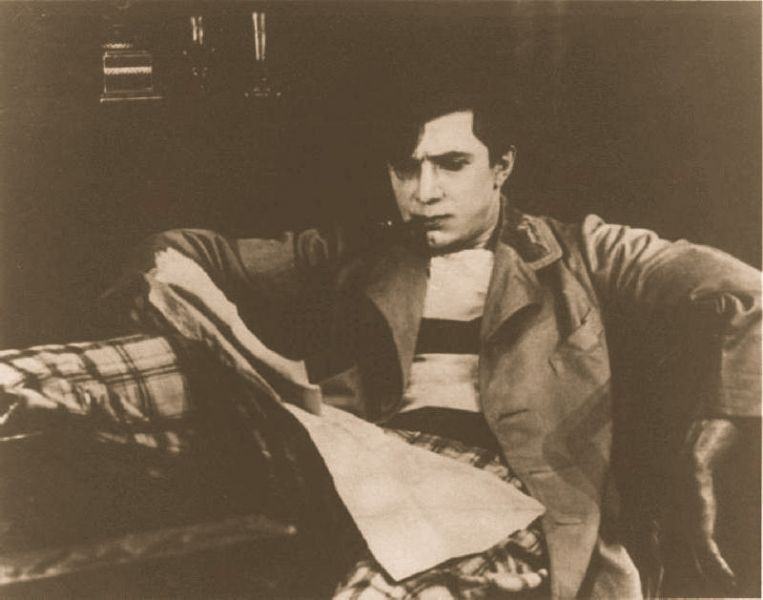
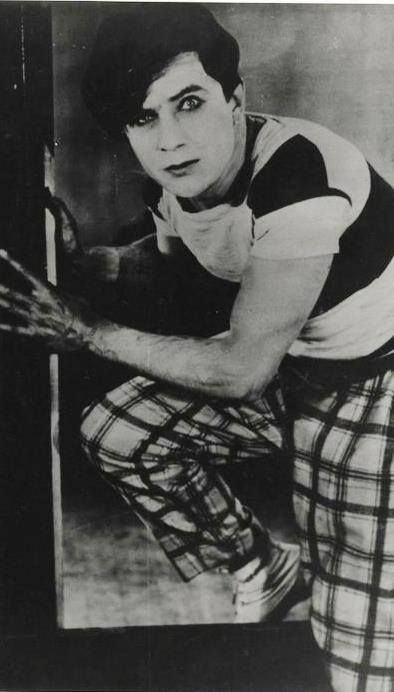
The performances in The Colonel are a masterclass in silent film acting, where gestures, expressions, and nuanced body language convey volumes without a single spoken word. Leading the charge is, of course, the legendary Bela Lugosi, whose early appearance in this film offers a fascinating precursor to the iconic roles that would define his career. Even in these nascent stages, Lugosi's magnetic screen presence is undeniable. He imbues the Colonel with a brooding intensity and a sophisticated charm that makes his character both formidable and surprisingly sympathetic. His portrayal is not merely that of a cunning criminal, but a man grappling with a complex moral landscape, a duality he conveys through subtle shifts in his gaze and posture. It's easy to see the nascent seeds of his later, more sinister roles, but here, they are tempered with a vulnerable humanity that is truly captivating. His ability to communicate profound internal conflict through his eyes alone is a testament to his innate talent, a skill he would hone to perfection in subsequent decades.
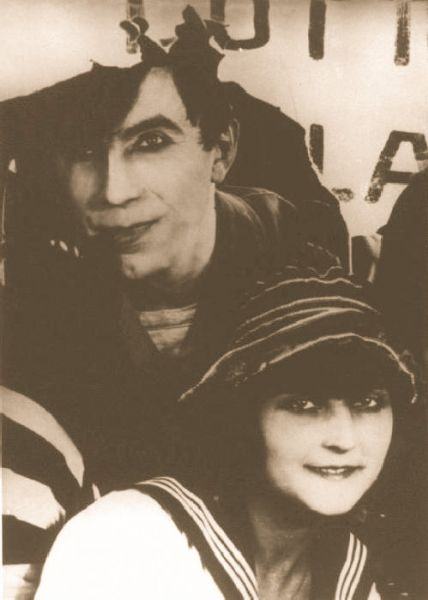
Claire Lotto, as the millionaire's daughter, provides a radiant counterpoint to Lugosi's intense portrayal. Her performance is imbued with a delicate grace and a convincing emotional range, making her character's transformation from privileged ingenue to a woman deeply in love entirely believable. The chemistry between Lotto and Lugosi is palpable, a silent dialogue of longing and unspoken promises that anchors the film's romantic core. Her expressions, often subtle yet profoundly impactful, convey innocence, burgeoning affection, and eventually, a quiet resolve. This nuanced portrayal prevents her from becoming a mere plot device, instead establishing her as a fully realized character whose emotional journey is as compelling as the Colonel's own. Their scenes together are particularly well-staged, relying on close-ups and careful blocking to emphasize their connection, a hallmark of effective silent film direction.
The supporting cast also delivers memorable performances that flesh out the intricate world of the film. Árpád id. Latabár, Gerö Mály, and Zoltán Szerémy, among others, contribute to the film’s rich tapestry of characters, each bringing a distinct presence to their roles. Whether it's the imperious millionaire, the suspicious brother, or the various figures orbiting their world, every actor understands the demands of silent cinema, utilizing exaggerated yet precise gestures to convey character and emotion. László Z. Molnár, Sándor Góth, Géza Boross, Károly Huszár, and Janka Csatay round out a formidable ensemble, each contributing to the film's immersive atmosphere. The collective strength of these performances ensures that even without dialogue, the audience is fully invested in the fates of these individuals, a testament to the directorial guidance and the actors' inherent skill. Their ability to project personality and intention through purely visual means is a powerful reminder of the artistry inherent in the silent era, often overlooked in favor of later, sound-driven productions. The meticulous casting, evident in the nuanced contributions of each actor, truly elevates the film beyond a simple narrative into a complex character study, much like the ensemble-driven narratives found in early dramas such as May Blossom, where every character adds a vital thread to the overall tapestry.
The narrative brilliance of The Colonel is deeply rooted in the masterful script penned by Richárd Falk and Ferenc Herczeg. Their collaboration yields a plot that is remarkably sophisticated for its time, weaving together elements of crime, suspense, and romance with an admirable economy of storytelling. The writers demonstrate a keen understanding of dramatic pacing, building tension with each new development while allowing moments of quiet intimacy to breathe. The premise itself—a coerced criminal performing a second, familial robbery—is a stroke of genius, creating immediate intrigue and setting the stage for a series of moral dilemmas. They craft characters who, despite the limitations of silent film exposition, feel fully realized and motivated, their actions driven by a blend of circumstance, ambition, and burgeoning emotion.
Falk and Herczeg's ability to develop a complex narrative without relying on spoken dialogue is particularly commendable. They understood that in silent cinema, every visual cue, every intertitle, and every character interaction had to convey maximum information and emotional impact. The script is structured to allow the actors ample opportunity for expressive performance, providing them with clear emotional arcs and compelling motivations. The intricate dance between the Colonel's criminal past, his present predicament, and his future aspirations, complicated by his blossoming love, is handled with a deft touch. This layered approach to character development and plot progression is a hallmark of sophisticated screenwriting, proving that the art of crafting compelling stories for the screen was already well-established in the early 20th century. Their work here can be seen as a precursor to the intricate narrative structures that would later define classic Hollywood thrillers, where plot twists and character motivations are meticulously interwoven. It’s a far cry from the simpler, often episodic narratives found in some of the earlier Keystone Comedies, showcasing a clear evolution in cinematic storytelling.
The thematic richness of the screenplay is another standout feature. Beyond the immediate thrills of a heist, the film explores profound questions about freedom, morality, and the nature of identity. Is the Colonel truly free if his actions are dictated by another? Can a criminal truly find redemption through love? These are not simplistic questions, and the writers allow them to simmer beneath the surface of the plot, adding intellectual weight to the emotional drama. The juxtaposition of the opulent world of the millionaire and the shadowy existence of the thief provides fertile ground for exploring class distinctions and the hidden lives that exist beneath polished facades. The narrative invites the audience to consider the complexities of human nature, where even a "villain" can possess admirable qualities and be capable of profound love. This moral ambiguity is a powerful tool, encouraging empathy and challenging simplistic categorizations of good and evil. The writers present a world where circumstances often dictate choices, and individuals are frequently caught between conflicting loyalties, much like the internal struggles depicted in The Middleman.
While the director of The Colonel often goes uncredited or is attributed vaguely in historical records, the visual storytelling and overall execution speak volumes about a keen directorial eye. The film exhibits a sophisticated understanding of cinematic grammar for its era, utilizing camera placement, editing, and mise-en-scène to maximum effect. The pacing is deliberate, allowing scenes to unfold naturally while maintaining a steady build of suspense. The use of close-ups to capture the subtle facial expressions of the actors, particularly Lugosi and Lotto, is particularly effective in conveying emotional depth without the need for intertitles. This demonstrates an advanced grasp of how the camera could be used to delve into the psychological states of characters, rather than merely documenting action.
The set design and art direction, though likely constrained by early production budgets, effectively establish the contrast between the millionaire’s lavish home and the more clandestine environments frequented by the Colonel. The opulent interiors, though perhaps sparsely detailed by today's standards, convey a sense of wealth and societal standing, crucial for understanding the class dynamics at play. Lighting, a fundamental tool in silent cinema, is employed to create mood and emphasize narrative points, from the shadowy interiors of the burglary to the brighter, more hopeful scenes of romance. The visual composition of each shot is carefully considered, guiding the viewer’s eye and enhancing the dramatic impact of key moments. This level of visual sophistication is a testament to the burgeoning artistry of early filmmakers who were rapidly discovering the unique expressive capabilities of the medium. The careful attention to visual detail and mood-setting can be compared to the atmospheric prowess seen in films like Silence of the Dead, where the environment itself becomes a character.
Furthermore, the editing of The Colonel is remarkably fluid, moving the narrative forward with a sense of purpose and rhythm. There’s a clear understanding of how to use cuts to build suspense during the heist sequences and to emphasize emotional beats during the romantic interludes. The transitions are smooth, and the story flows logically from one scene to the next, a skill that was still being refined across the industry. This technical proficiency ensures that the audience remains engaged, rather than being distracted by clunky editing or disjointed sequences. It highlights a commitment to narrative clarity and emotional coherence, which are vital for any film, but especially so for a silent picture relying solely on visual cues. The directorial choices, even if uncredited to a singular named visionary, collectively contribute to a film that is both technically competent and artistically ambitious, pushing the boundaries of what was achievable in early feature filmmaking. It's a far cry from the more experimental, sometimes disjointed narratives of films like Az utolsó éjszaka, showcasing a more polished and commercially viable approach to storytelling.
In the grand tapestry of early cinema, The Colonel might not be as widely known as some Hollywood blockbusters of later eras, but its significance, particularly within Hungarian cinema and as an early showcase for Bela Lugosi, cannot be overstated. It demonstrates that compelling storytelling and sophisticated character development were not exclusive to larger, more established film industries. This film is a vital piece of cinematic history, offering insights into the global reach of filmmaking during its formative years and the universal appeal of certain narrative archetypes. It reminds us that the foundations of modern genre filmmaking – the heist thriller, the forbidden romance, the moral dilemma – were being laid in diverse corners of the world, often with remarkable ingenuity and artistic vision.
For contemporary audiences, The Colonel serves as a fascinating historical document, a window into a bygone era of entertainment and artistic expression. It challenges preconceptions about silent films, revealing them not as primitive curiosities but as fully formed works of art capable of eliciting powerful emotional responses. The film's enduring appeal lies in its timeless themes: the allure of danger, the transformative power of love, and the elusive nature of freedom. It asks us to consider what we would sacrifice for liberty and what defines true wealth. The narrative’s clever twists and turns ensure that it remains engaging even for viewers accustomed to the rapid-fire pacing of modern cinema. It stands as a testament to the enduring power of a well-told story, regardless of the technological advancements that have reshaped the medium over the decades.
Ultimately, The Colonel is more than just a historical artifact; it is a vibrant, engaging film that deserves renewed attention. It’s a compelling argument for revisiting the silent era, not out of academic obligation, but for the sheer pleasure of discovering truly great cinema that transcends its age. The nuanced performances, particularly from Lugosi and Lotto, combined with a brilliantly conceived plot by Falk and Herczeg, make this a viewing experience that is both intellectually stimulating and deeply satisfying. It’s a reminder that true artistry knows no temporal bounds, and that the echoes of powerful storytelling from over a century ago can still resonate profoundly today, urging us to question, to feel, and to appreciate the enduring magic of the moving image. Its sophisticated blend of suspense and romance could even be seen as a precursor to the intricate narrative designs found in films like The ABC of Love, demonstrating a shared lineage of complex emotional exploration. Similarly, its thematic depth in exploring moral compromises and personal sacrifice echoes the profound questions posed in Ashes of Embers, highlighting universal human struggles.
In conclusion, The Colonel is a remarkable piece of cinematic history that offers far more than just a glimpse into the past. It’s a fully realized drama, rich with intrigue, character development, and emotional resonance. For those interested in the evolution of film, the early career of Bela Lugosi, or simply a well-crafted story, this Hungarian silent film is an absolute must-see. It reinforces the idea that some narratives are so potent, so universally human, that they effortlessly bridge the chasm of time, continuing to captivate and provoke thought long after their initial release. It stands as a testament to the enduring power of cinema, even in its most nascent forms, to capture the complexities of the human condition and weave tales that linger in the mind. The film's ability to balance thrilling suspense with heartfelt romance makes it a truly unique offering from an era often stereotyped as simplistic. Its legacy is not just in its historical place, but in its continued capacity to entertain and enlighten, proving that great stories, expertly told, never truly fade.
IMDb 6.8
1931
Community
Log in to comment.