DbcultAccessing Vault...
Cult Review
Senior Film Conservator
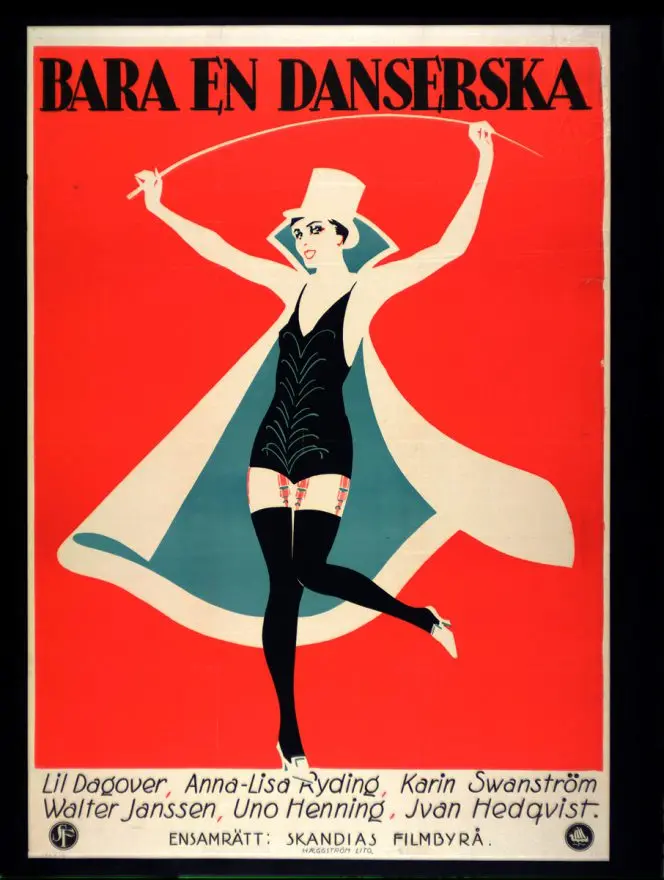
Is Bara en danserska worth watching today? Short answer: Yes, but only if you have the patience for the slow-burn social critiques characteristic of the late silent era. This film is specifically for the cinephile who values historical context and the evolution of European melodrama; it is absolutely not for those who demand the kinetic energy of modern thrillers or the clarity of contemporary legal dramas.
The film sits at a fascinating crossroads of cinematic history. Directed by Olof Molander and featuring a cast that reads like a 'who’s who' of the 1920s—including the luminescent Lil Dagover and a young Hans Albers—it attempts to bridge the gap between Swedish psychological realism and German Expressionism. It doesn't always succeed. In fact, it often stumbles over its own ambition, but the result is a work that feels more human and flawed than many of its more polished contemporaries.
This film works because it leverages the physical presence of its lead, Ivan Hedqvist, to contrast the intellectual sterility of the legal world with the raw vitality of the sports arena.
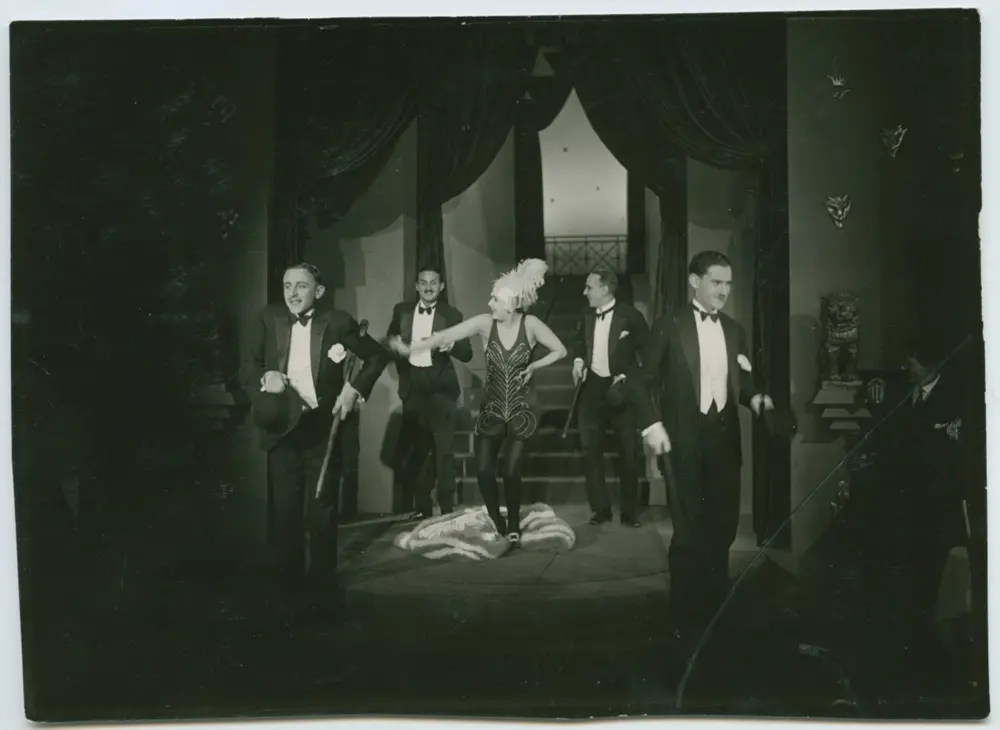
This film fails because the second act becomes hopelessly mired in legalistic minutiae that lacks the visual flair needed to keep a silent film engaging for over ninety minutes.
You should watch it if you want to see how early cinema handled the concept of the 'celebrity athlete' before it became a tired Hollywood trope.
At its core, Bara en danserska is a story about the masks men wear. Heinrich Zentler is introduced not as a lawyer, but as a footballer. This is a crucial distinction. In 1926, the idea of a professional man engaging in such a visceral, public display of physicality was a point of tension. It suggested a man who could not be fully contained by a suit and tie. When he enters the courtroom, we see the mask slide into place. He is clinical. He is precise. He is, by all accounts, untouchable.
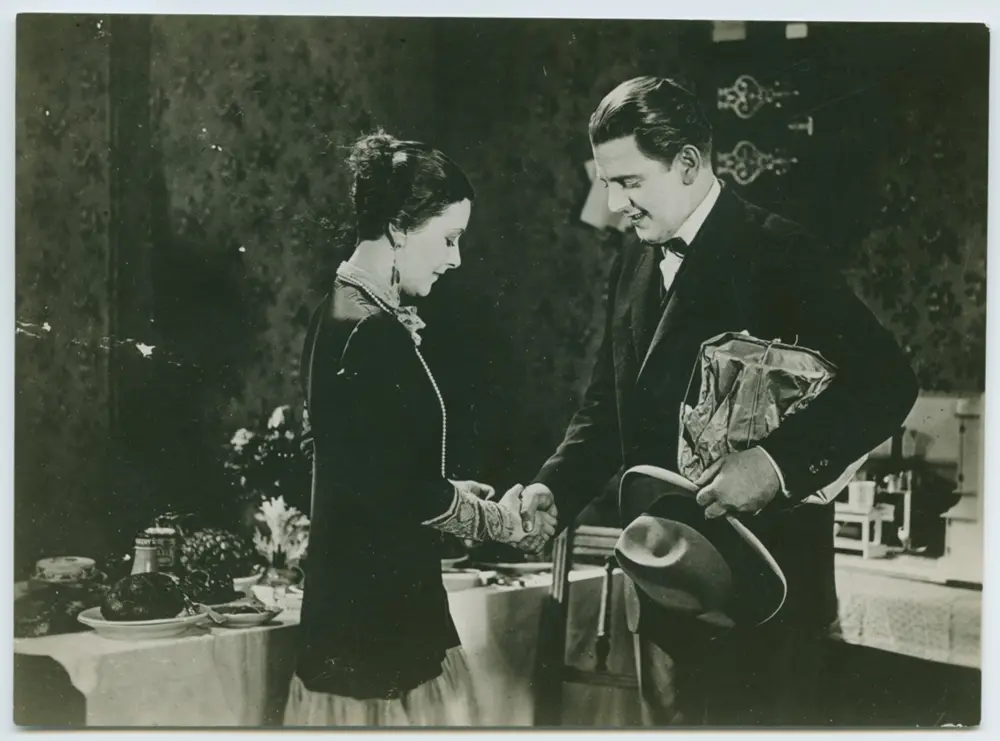
The introduction of the dancer—played with a haunting, understated grace by Lil Dagover—shatters this equilibrium. She isn't just a romantic interest; she is a mirror reflecting the hypocrisy of Zentler’s peers. Unlike the more rural and morally binary conflicts found in Shore Acres, the conflict here is urban, sophisticated, and deeply cynical. The dancer is dismissed by society as 'only a dancer,' a phrase that carries the weight of a death sentence in the upper-class circles of the time.
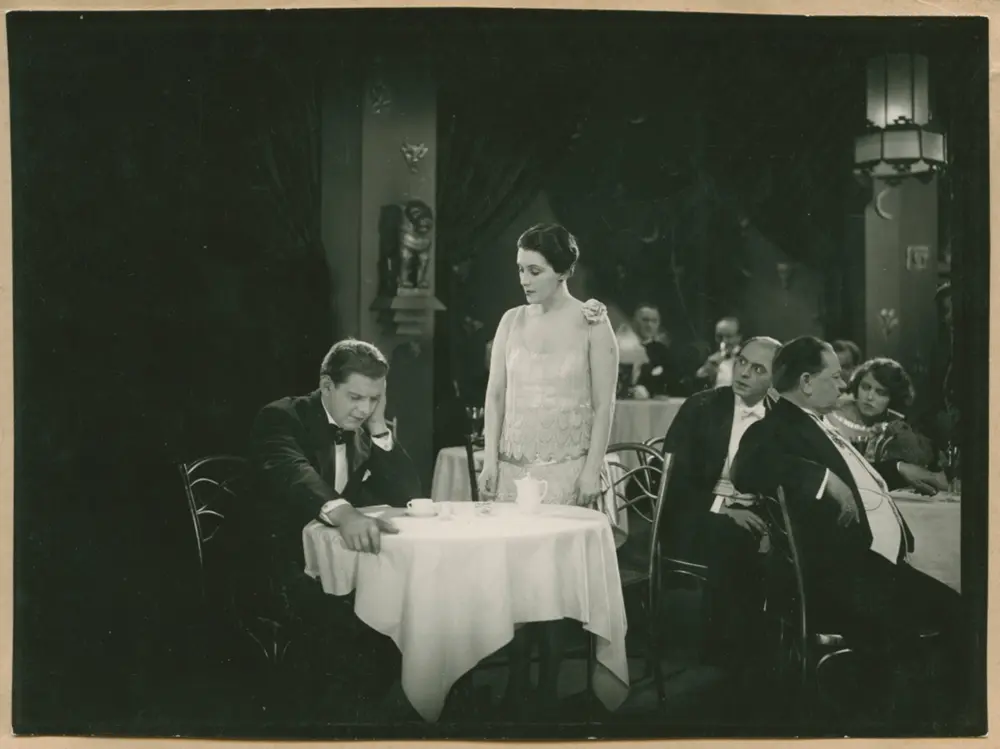
One specific scene stands out: Zentler is sitting in a crowded theater, watching the woman he is beginning to admire perform. The camera alternates between his stoic face and her fluid movements. There is no dialogue, obviously, but the tension is palpable. He isn't just watching a performance; he is watching the destruction of his own social standing in real-time. It’s a moment of quiet, internal horror that Hedqvist plays with remarkable restraint.
The writing credits include Guy de Maupassant, and his DNA is visible in every cynical turn of the plot. Maupassant was a master of showing how small, seemingly insignificant choices lead to catastrophic social ruin. In Bara en danserska, the legal case Zentler handles serves as a parallel to his private life. The law is shown not as a pursuit of justice, but as a tool for maintaining the status quo. This is a recurring theme in films of this era that dealt with class, such as A Woman's Fight or the tragic undertones of More to Be Pitied Than Scorned.
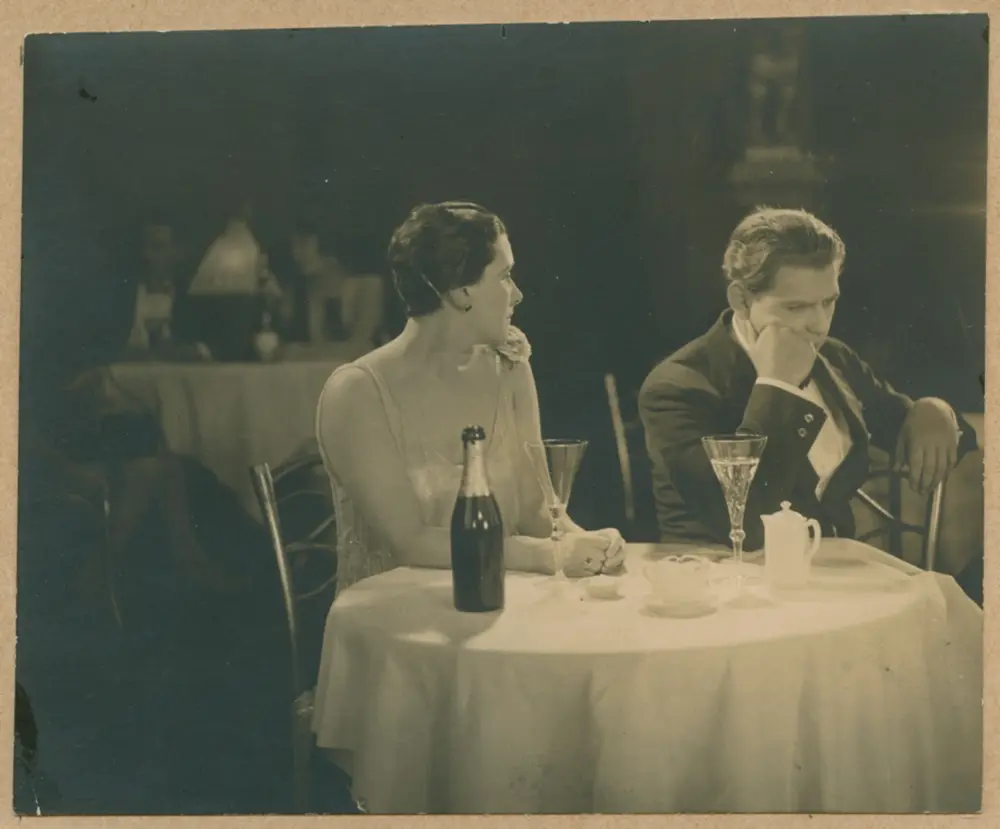
The film doesn't shy away from the cruelty of the elite. There is a brutal simplicity to how Zentler’s friends turn on him. One moment he is the hero of the football pitch; the next, he is a pariah because he dared to treat a performer with the respect reserved for a lady. It’s a harsh, unforgiving look at the fragility of success. It works. But it’s flawed in its delivery.
Ivan Hedqvist provides a performance that is uncommonly grounded for 1926. While many of his contemporaries were still relying on the exaggerated gestures of the stage, Hedqvist uses his eyes and his posture to convey Zentler’s internal conflict. He looks like a man who is physically tired of carrying the expectations of his class. His performance is the anchor that keeps the film from drifting into pure melodrama.
Lil Dagover, on the other hand, brings a touch of German Expressionism to the role. Her movements are stylized, almost ethereal. She represents the 'other'—the world of art and emotion that Zentler’s legal world seeks to suppress. The chemistry between them is not one of fiery passion, but of mutual recognition. They are both performers in different arenas. While the film lacks the adventurous spirit of The Tiger Man, the psychological interplay between the leads is far more sophisticated.
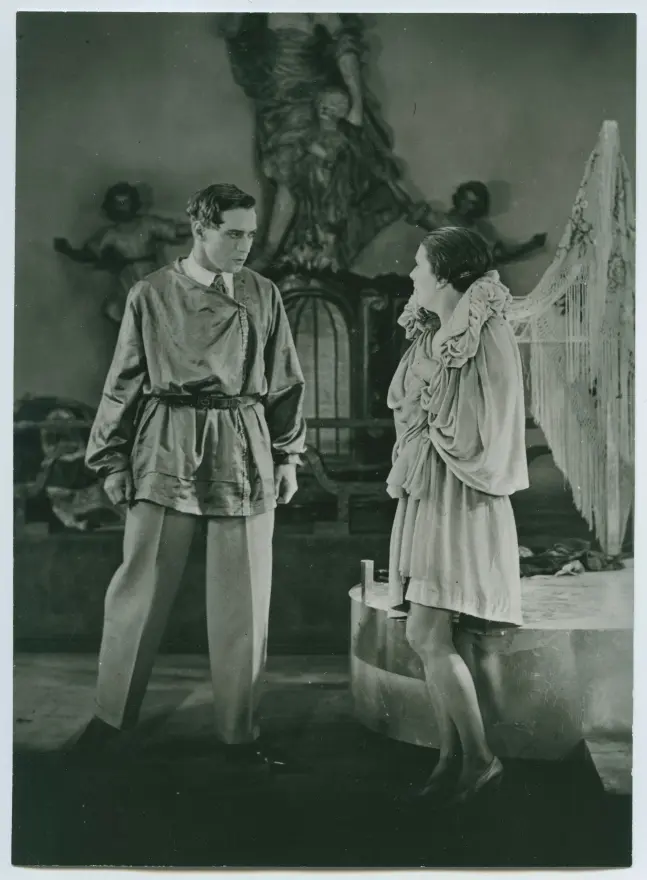
A surprising observation: Hans Albers, who would later become one of Germany’s biggest stars, appears here in a smaller role. Even then, his screen presence is undeniable. He brings a certain levity to an otherwise stodgy production, hinting at the charismatic powerhouse he would eventually become. Seeing him in this early, more restrained context is a treat for any student of film history.
Olof Molander’s direction is competent, if a bit static. He relies heavily on medium shots, which helps the actors but sometimes makes the film feel claustrophobic. However, the use of lighting in the nighttime scenes is exceptional. The shadows in the streets of the city feel like characters themselves, closing in on Zentler as his reputation begins to crumble. This visual language is far more effective than the lengthy intertitles that occasionally grind the pacing to a halt.
Compared to the more experimental visuals of Apartment 29, Bara en danserska feels traditional. It is a film that respects the proscenium arch. Yet, there are flashes of brilliance, particularly in the football sequences. These scenes are shot with a handheld-like urgency that feels decades ahead of its time. The contrast between the chaos of the game and the stillness of the legal chambers is the film’s greatest technical achievement.
If you are looking for a definitive answer on whether to invest your time in Bara en danserska, consider your goals. Are you looking for a masterpiece of silent cinema? No, this isn't it. Are you looking for a fascinating cultural artifact that captures the anxieties of the 1920s bourgeoisie? Absolutely. It is a film that demands your full attention and offers rewards only to those willing to look past its dated exterior.
The film provides a clear, direct answer to the question of class mobility: it is a trap. The protagonist’s attempts to bridge two worlds only result in his alienation from both. It is a bleak message, delivered with a clinical precision that remains hauntingly relevant in our own era of curated public personas and 'cancel culture.'
Pros:
1. Strong, nuanced performances from the lead cast.
2. A cynical, adult take on social reputation.
3. Excellent use of chiaroscuro lighting in urban scenes.
4. A rare glimpse into the early career of Hans Albers.
Cons:
1. Pacing issues that make the 90-minute runtime feel much longer.
2. Some supporting characters are caricatures rather than people.
3. The legal subplot is occasionally impenetrable without deep knowledge of the era's laws.
Bara en danserska is a fascinating, if occasionally tedious, exploration of the 1920s social hierarchy. It lacks the whimsical charm of Oranges and Lemons or the high-stakes drama of The Puppet Crown, but it replaces those elements with a gritty, realistic look at how society destroys those who don't fit its mold. It is a film of shadows—both literal and metaphorical. While it may not be a 'masterpiece' in the traditional sense, it is a significant work that deserves more than to be forgotten in the archives. It’s a tough watch, but for the right person, it’s an essential one. It works. But it’s flawed. And that is exactly why it remains interesting nearly a century later.

IMDb 5.4
1924
Community
Log in to comment.