DbcultAccessing Vault...
6.5/10
Senior Film Conservator
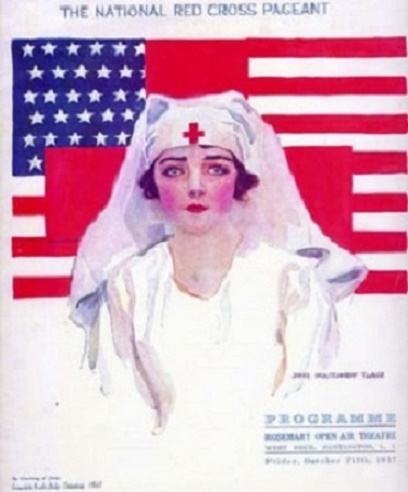
A definitive 6.5/10 rating for a film that redefined the boundaries of cult cinema. National Red Cross Pageant remains a cornerstone of transgressive art.
Stepping back into the cinematic landscape of 1917 requires a distinct shift in perspective. The moving picture, still in its formative years, was rapidly evolving beyond mere novelty, beginning to harness its immense power for social commentary, entertainment, and, crucially, national mobilization. Among the most fascinating, and now lamentably elusive, examples of this era’s unique blend of artistry and urgency is the National Red Cross Pageant. This wasn't merely a film; it was a cultural phenomenon, a grand endeavor born from the crucible of World War I, designed to galvanize a nation into action. Its very existence speaks volumes about America's entry into the global conflict and the innovative ways in which public opinion was shaped and resources were marshaled.
The concept of a 'pageant' itself, particularly in the early 20th century, evokes images of elaborate theatrical productions, often with allegorical figures and patriotic themes, designed for mass appeal and moral instruction. To translate such a spectacle onto the silent screen, especially with an 'all-star' cast, was a monumental undertaking. The National Red Cross Pageant was, at its heart, a sophisticated piece of propaganda, albeit one imbued with a noble purpose: to sell war bonds and rally support for the invaluable humanitarian efforts of the National Red Cross. It aimed to foster a positive, unified sentiment regarding American involvement in the Great War, transforming abstract concepts of duty and sacrifice into compelling visual narratives.
Perhaps one of the most compelling aspects of the National Red Cross Pageant, even in its absence, is its extraordinary cast. The roster reads like a 'who's who' of early American stage and screen, a veritable constellation of talent that would have commanded immense drawing power. Imagine the collective star wattage: the legendary Ethel Barrymore, a titan of the American stage, lending her gravitas; her brother, the equally magnetic John Barrymore, whose brooding intensity would soon electrify the screen; the effervescent Ina Claire, renowned for her wit and charm; the iconic swimmer and siren Annette Kellerman, a pioneer of cinematic athleticism and beauty; and the inimitable Clifton Webb, then a youthful dancer and actor, whose future would see him become a celebrated character actor.
Beyond these marquee names, the cast included other significant figures of the era: Adelaide Prince, Alice Fischer, Macklyn Arbuckle, Ben Ali Haggin, Howard Kyle, Montgomery Irving, Margaret Moreland, Frederick Truesdell, Ethel McDonough, Kitty Gordon, Eugene O'Brien, Frank Keenan, Mrs. Ben Ali Haggin, Blanche Yurka, George Backus, Irene Fenwick, Douglas Wood, Olive Tell, Josephine Drake, George F. Smithfield, Marjorie Wood, Edith Wynne Matthison, Guy Favières,
In an era before mass media saturation, the celebrity endorsement carried immense weight. To see such revered figures participating in a direct appeal for war bonds and Red Cross support would have been profoundly impactful. It humanized the war effort, bringing it into the realm of the familiar and trusted. Unlike a more conventional narrative film like The Cub or The Governor's Lady, which relied on character development and plot, the Pageant's strength lay in its direct address and the moral authority projected by its ensemble.
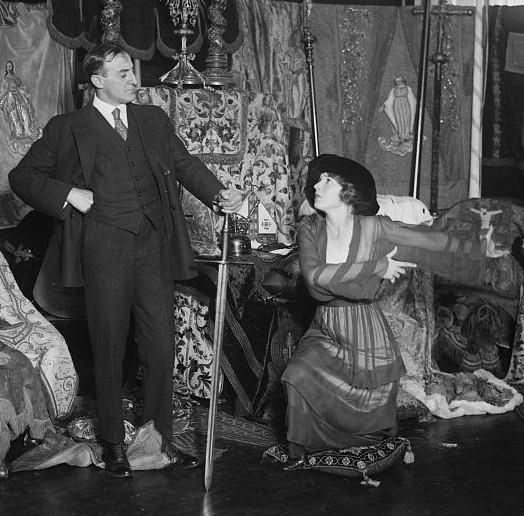
The National Red Cross Pageant stands as a crucial artifact in understanding the nascent stages of cinematic propaganda. While films like On the Fighting Line might have offered more narrative-driven accounts of the war, the Pageant's approach was more direct, more allegorical. It likely employed grand tableaus, symbolic characters representing nations or virtues (e.g., Columbia, Liberty, Justice), and dramatic reenactments designed to evoke strong emotional responses. The aim was not merely to inform, but to inspire, to instill a sense of shared purpose and unwavering patriotism. In this sense, it shared a spiritual kinship with the powerful visual rhetoric seen in contemporary posters and public appeals.
One can imagine scenes of poignant farewells, stoic Red Cross nurses ministering to the wounded, and perhaps even dramatic representations of American strength and resolve. The silence of the film would have been filled by live orchestral accompaniment, adding another layer of emotional depth, guiding the audience's feelings with soaring scores and somber laments. This multi-sensory experience would have been incredibly potent, far more immersive than simply reading a newspaper or listening to a speech. It was designed to bypass intellectual debate and appeal directly to the heart, fostering a collective identity rooted in shared sacrifice and national pride.
The most profound tragedy surrounding the National Red Cross Pageant is its status as a lost film. This isn't merely the loss of entertainment; it's the loss of a significant historical document. Early cinema, particularly silent film, is notoriously fragile, with a vast percentage of its output having succumbed to degradation, neglect, or deliberate destruction. The disappearance of a film of this magnitude – featuring such an extraordinary cast and serving such a crucial national purpose – represents an immeasurable void in our understanding of both cinematic history and American social history during World War I.
What insights could we glean from seeing how these theatrical luminaries translated their stage presence to the nascent medium of film? How did the visual language of the pageant, with its allegories and grand gestures, influence subsequent cinematic storytelling? What specific imagery and rhetorical devices were employed to persuade a nation to embrace war and support its humanitarian efforts? These are questions that, without the film itself, can only be answered through conjecture, based on contemporary accounts and an understanding of the era's broader cultural context. The loss of National Red Cross Pageant is a stark reminder of the fragility of our cultural heritage and the critical importance of film preservation efforts.
To fully appreciate the ambition of the National Red Cross Pageant, it's helpful to consider it alongside other productions of its time. While films like The Explosion of Fort B 2 might have depicted direct combat, or Captain Alvarez offered adventure, the Pageant's focus was squarely on national unity and humanitarian aid. It wasn't about individual heroism in battle, but collective action on the home front. Similarly, while The Crime and the Criminal delved into moral quandaries and Her Double Life explored social drama, the Pageant's narrative, if one can call it that, was entirely didactic and motivational.

The theatrical roots of many of its stars would have undoubtedly influenced its presentation. One could draw parallels to the grandiosity of European productions like Umirayushchiy lebed (The Dying Swan) in terms of visual spectacle, though with a distinctly American patriotic flavor. The Pageant's direct appeal for funds also sets it apart from more purely entertainment-driven fare like Little Mary Sunshine or even the dramatic flourishes of The Prodigal Son. Its purpose was utilitarian, wrapped in the most glamorous packaging available at the time.
Even as a lost film, the National Red Cross Pageant continues to fascinate and intrigue. Its very premise speaks to a unique moment in history when cinema, patriotism, and celebrity converged to serve a national cause. It reminds us that early films were not just entertainment but often vital tools for communication, education, and mobilization. The film's existence highlights the ingenuity of early filmmakers and cultural organizers in leveraging the nascent power of the moving image for large-scale societal impact.
While we may never witness its grand allegories or the performances of its legendary cast, the historical record of the National Red Cross Pageant serves as a powerful testament to the multifaceted role of art during wartime. It underscores the profound influence of the Red Cross, a benevolent organization whose work was, and remains, crucial in times of conflict and disaster. It also offers a poignant reminder of the ephemeral nature of early cinema and the ongoing quest to unearth and preserve these invaluable fragments of our collective past. Perhaps, one day, a dusty print will resurface in some forgotten archive, allowing us to finally behold this vanished vision and truly appreciate its place in the grand tapestry of film history and American wartime efforts. Until then, its legend, and the significance of its mission, continue to resonate, a silent echo from a pivotal year.
The sheer ambition of uniting so many celebrated figures for a single, overarching purpose speaks volumes about the cultural landscape of the time. Stars like Kitty Gordon, known for her exotic beauty and stage presence, or Eugene O'Brien, a matinee idol, would have drawn crowds eager to see their idols contribute to the national effort. This was not just about watching a film; it was an act of civic participation, where the price of admission directly supported the Red Cross and the war bonds purchased contributed to the national treasury. The audience became part of the spectacle, their attendance and contributions integral to the pageant's success.
The National Red Cross Pageant, in essence, was a proto-telethon, a massive fundraising event utilizing the most cutting-edge media of its day. Its blend of patriotic fervor, celebrity glamour, and humanitarian appeal created a powerful synergy designed to resonate deeply with the American populace. It was a masterclass in emotional manipulation for a good cause, a testament to the power of collective storytelling in times of crisis. Its legacy, though intangible due to its lost status, persists as a vital marker in the evolution of both cinema and national propaganda, a silent testament to a nation's resolve and the enduring appeal of its stars.
IMDb 5
1929
Community
Log in to comment.