DbcultAccessing Vault...
Cult Review
Senior Film Conservator
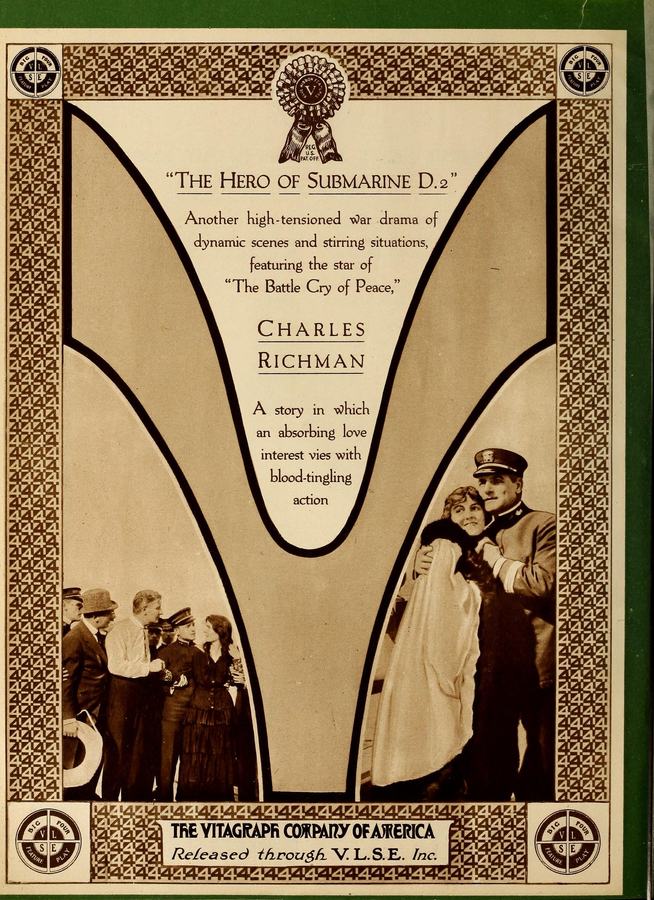
Ah, the silent era! A time when narratives unfolded with a grandeur often lost in the cacophony of modern cinema, relying instead on the evocative power of gesture, expression, and the sheer force of a compelling story. Stepping into the shadowy depths of 1916’s The Hero of Submarine D-2, we’re immediately plunged into a world where patriotism, espionage, and personal sacrifice converge with an intensity that belies its age. This isn't just a film; it's a window into the anxieties and aspirations of a nation on the cusp of global conflict, wrapped in a thrilling tale of naval heroism.
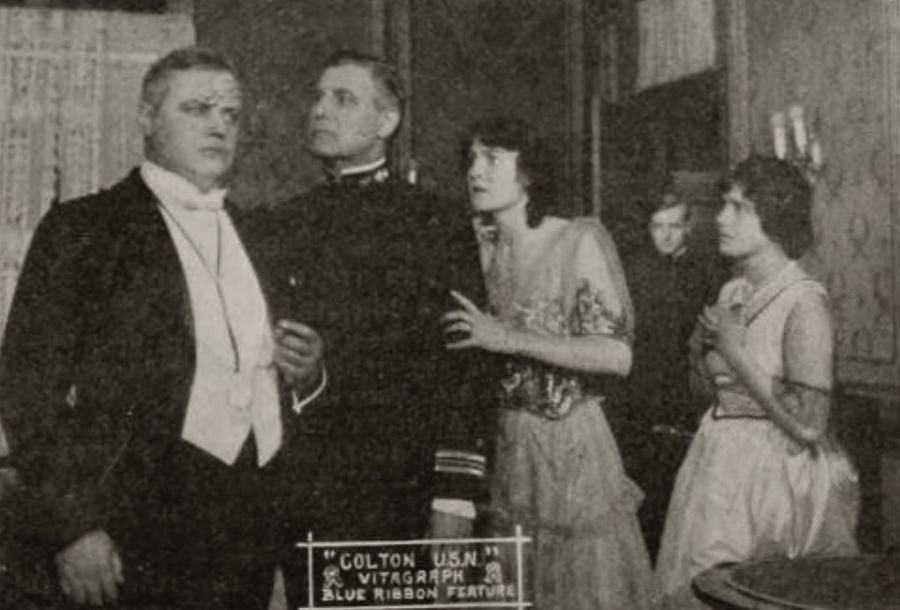
From its opening frames, the picture establishes a complex web of relationships and allegiances. At its heart is Lieutenant Commander Colton, portrayed with a stoic resolve that was characteristic of leading men of the period. Colton isn't merely a naval officer; he's an embodiment of duty and innovation, grappling with both matters of the heart and the looming threat to national security. His romantic entanglement with Caroline Austen, the daughter of a Washington power broker, adds a layer of emotional vulnerability to his otherwise formidable persona. Their connection, a beacon of hope amidst the encroaching shadows, becomes a crucial pivot point for the unfolding drama.
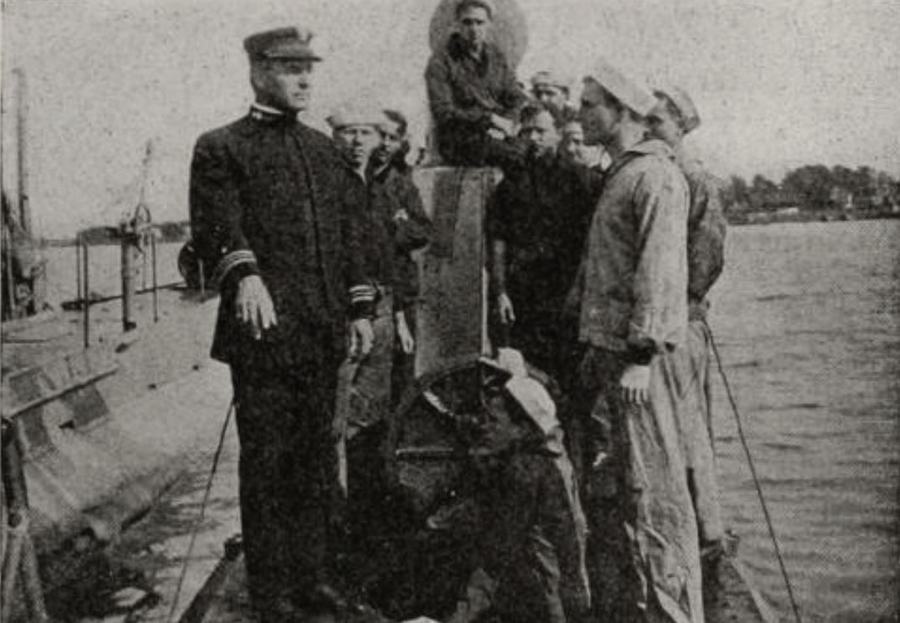
The narrative masterfully introduces James Archer, a journalist whose polished exterior conceals a treacherous core. Archer is no mere rival for Caroline’s affections; he's a clandestine operative, a puppet of the Ruanian Ambassador, a figure whose very presence exudes a subtle menace. This espionage subplot is where The Hero of Submarine D-2 truly distinguishes itself. It's not just a romantic drama or a military procedural; it's an early example of the spy thriller, complete with double-crosses and high-stakes intelligence gathering. The tension builds organically, each revelation of Archer’s duplicity tightening the narrative coil.
The Austen family, ostensibly a pillar of society, becomes a microcosm of the societal pressures and personal failings that can undermine even the most privileged. Gilman Austen, Caroline’s brother, serves as a fascinating counterpoint to Colton’s disciplined heroism. His struggle at the Naval Academy, driven by youthful infatuation with Ethel McMasters, daughter of a strict superintendent, is a poignant exploration of consequence. The rigid adherence to academic standards, despite the elder Mr. Austen’s attempts to wield political influence, highlights a refreshing integrity within the naval institution. This portrayal of institutional steadfastness, even against powerful political figures, feels particularly resonant, suggesting an underlying faith in meritocracy that was perhaps aspirational for the time.
Gilman’s subsequent dismissal and his father’s vindictive transfer of Colton to a less prestigious command – a collier, no less – paints a vivid picture of the era’s political machinations. Yet, it also sets the stage for Gilman’s personal redemption. His decision to enlist as an apprentice, adopting the pseudonym Roger Brown, is a pivotal moment of character development. It’s here that the film transcends a simple tale of good versus evil and delves into themes of self-reliance and earning one's stripes. This journey from privileged scion to hardened seaman underpins the film’s moral compass, suggesting that true heroism is forged not in pedigree, but in perseverance.
Colton’s inventive genius, particularly his focus on a revolutionary submarine battery, introduces a compelling technological dimension to the plot. This wasn't just about naval might; it was about the cutting edge of military innovation, a concept that would have resonated deeply with audiences in an age of rapid technological advancement. The plans for this battery become the ultimate prize for the Ruanian Ambassador, transforming the narrative into a desperate race against time. Archer’s attempts to steal these plans, only to be foiled by the newly capable Gilman, now a full-fledged able seaman, underscore the narrative’s cyclical nature of cause and effect, where past mistakes are redeemed through present actions. The interplay between Colton's scientific brilliance and Gilman's newfound grit creates a dynamic duo, albeit one separated by rank and circumstance for much of the film.

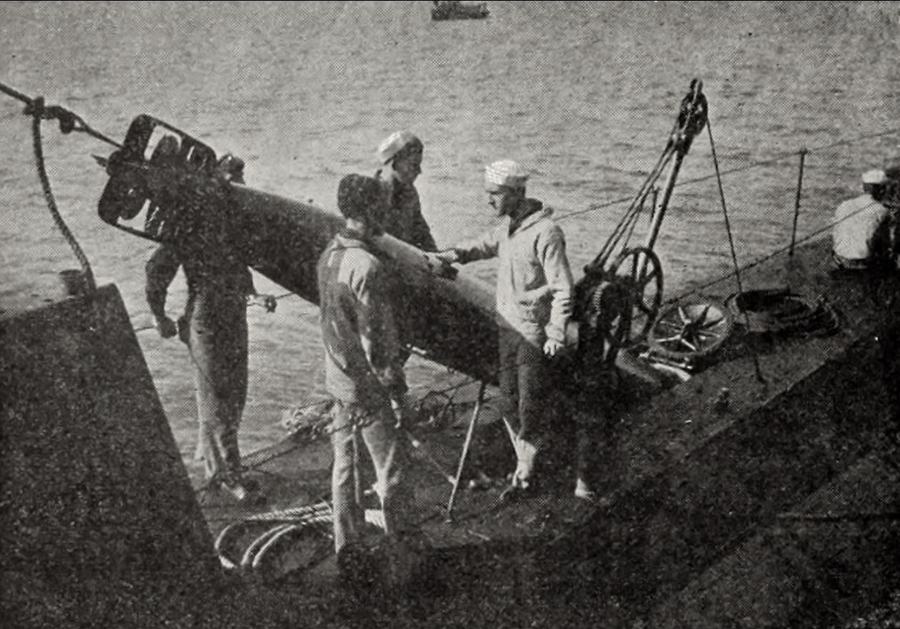
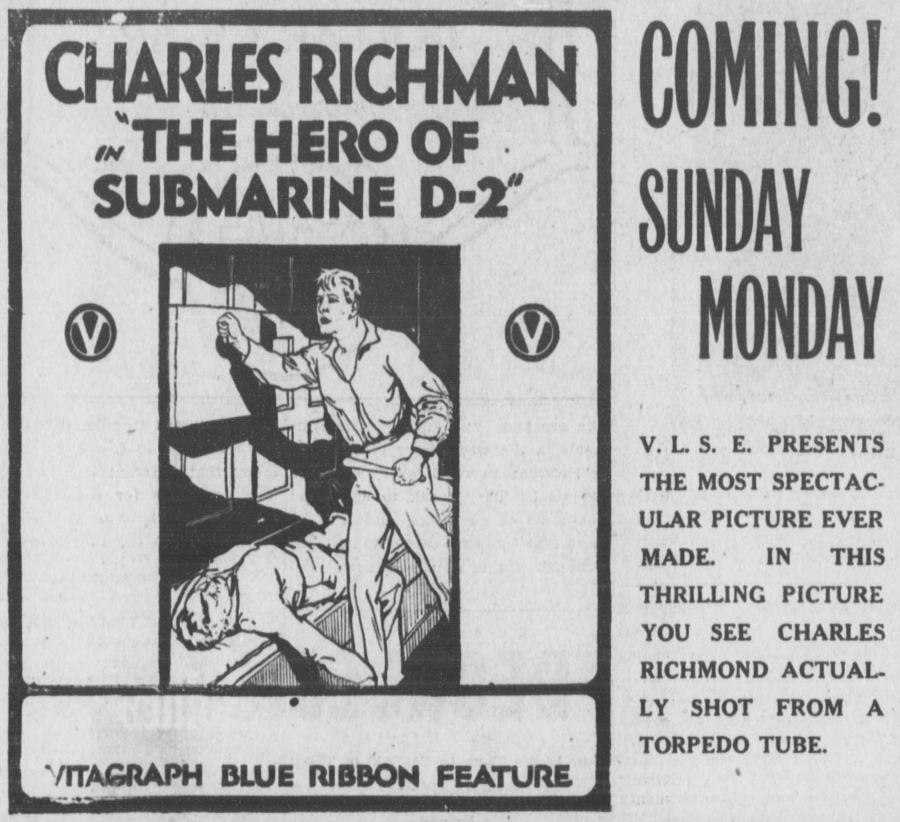
The climax of the film is a masterclass in silent film suspense. The Ambassador’s audacious plan to mine the channel, leveraging Archer’s complete subservience, elevates the stakes to a national level. The impending arrival of the U.S. fleet, unaware of the deadly trap, creates an unbearable tension. It's here that the film’s title finds its true meaning. Colton, informed by Caroline, takes personal command of the D-2, embarking on a mission of almost suicidal bravery. The sequence where he is shot out of a torpedo tube, swimming through a labyrinth of mines to neutralize the threat, is nothing short of breathtaking. It’s a moment of pure, unadulterated heroism, a testament to the power of individual courage against overwhelming odds. For a moment, we might even draw a parallel to the sheer audacity seen in the climactic sequences of a film like In Defense of a Nation, where one individual's actions can pivot the fate of many.
While the limitations of silent cinema often meant broader, more theatrical performances, the cast of The Hero of Submarine D-2 delivers with commendable conviction. Anders Randolf, as Lieutenant Commander Colton, embodies the heroic ideal with a gravitas that anchors the film. His facial expressions and body language convey a depth of emotion, from his love for Caroline (Zena Keefe, who brings a spirited charm to her role) to his unwavering commitment to duty. Keefe, in turn, portrays Caroline not merely as a damsel in distress, but as an active participant in the unfolding drama, her intelligence and resourcefulness proving crucial at several junctures. The villainous James Archer, likely played by someone like L. Rogers Lytton, would have exuded the necessary duplicity through subtle sneers and furtive glances, a common but effective trope of the era. The silent film actor's challenge was to communicate complex emotions and motivations without dialogue, and the cast here, under the direction of the era's sensibilities, largely succeeds.
The film’s writers, Jasper Ewing Brady and Cyrus Townsend Brady, weave a narrative that is surprisingly intricate for its time, balancing personal drama with national security concerns. Their ability to craft compelling character arcs, particularly Gilman’s journey from academic failure to naval hero, speaks to a strong understanding of storytelling fundamentals. The themes of redemption, duty, and the insidious nature of betrayal are explored with a clarity that remains impactful. This narrative complexity sets it apart from simpler melodramas of the era, elevating it to a more sophisticated form of entertainment.
From a technical standpoint, while silent films might lack the kinetic editing and sophisticated visual effects of today, The Hero of Submarine D-2 would have employed the era’s best practices. The submarine sequences, likely achieved through models and clever camera work, would have been particularly impressive for audiences of the time, fostering a sense of awe and wonder. The use of intertitles, while a necessity, would have been carefully crafted to convey urgency and emotion, guiding the audience through the narrative twists and turns. The visual storytelling, through composition and character blocking, would have been paramount, ensuring that every frame contributed to the overall dramatic effect.
The resolution of Gilman’s story, his reinstatement to the Naval Academy, provides a satisfying arc of redemption, a testament to the belief that character can be forged through adversity. And, of course, the union of Colton and Caroline provides the romantic closure expected of a film of this vintage. It’s a triumph of love and duty, a reaffirmation of moral rectitude prevailing over corruption. In an age grappling with the realities of modern warfare and geopolitical maneuvering, such a narrative would have offered both escapism and a reassuring message about the strength of national character.
When we reflect on films of this period, it's easy to dismiss them as relics. However, The Hero of Submarine D-2 demonstrates an enduring power. It taps into universal themes of courage, loyalty, and the fight against hidden enemies. While it might not possess the raw, visceral impact of a more modern war film, its narrative ambition and emotional core are undeniably potent. It reminds us that long before CGI and surround sound, filmmakers were crafting compelling stories that captivated audiences and explored the human condition.
Comparing it to other works of the period, one might find the intricate plot of political intrigue and personal sacrifice echoes the grander narratives seen in historical dramas like The Seats of the Mighty, though transplanted to a more contemporary setting. The romantic elements, while not the sole focus, carry a similar weight to the emotional dilemmas presented in The Wishing Ring: An Idyll of Old England, where love often intertwines with duty or societal expectations. The film’s focus on military discipline and the journey of a young man finding his path might even subtly resonate with the coming-of-age themes, albeit in a vastly different context, found in films like The Turmoil, though the stakes here are far more national than personal. The very concept of a 'hero' emerging from an unexpected place, much like the transformative journey depicted in Birth of Democracy, underscores a common narrative thread of the era: the rise of the individual against challenging circumstances.
Ultimately, The Hero of Submarine D-2 stands as a testament to the ingenuity and storytelling prowess of early cinema. It’s a thrilling ride that combines romantic drama, espionage, and naval heroics into a cohesive and satisfying whole. For anyone with an appreciation for the foundational works of film, or simply a love for a good old-fashioned tale of courage, this picture offers a compelling glimpse into a bygone era of moviemaking. It’s a film that, despite its silent nature, speaks volumes about the enduring human spirit and the timeless allure of heroism in the face of adversity. The silent screen, far from being a limitation, becomes a canvas for grand gestures and profound emotions, proving that a powerful story needs no dialogue to resonate deeply within the viewer's soul.
IMDb 6.1
1922
Community
Log in to comment.