DbcultAccessing Vault...
5.9/10
Senior Film Conservator
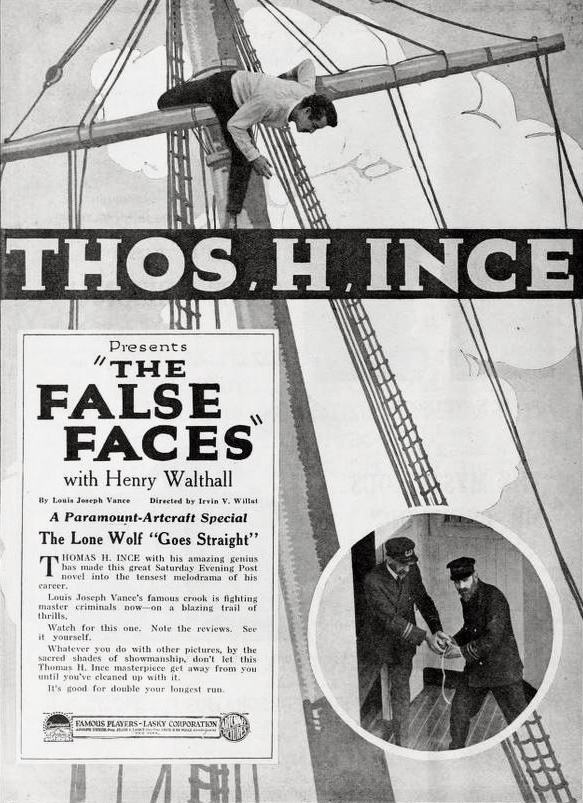
A definitive 5.9/10 rating for a film that redefined the boundaries of cult cinema. The False Faces remains a cornerstone of transgressive art.
In the gas-lit shadows of 1919 cinema, director Irvin Willat crafted a espionage tapestry where identity proves more fluid than the blood staining French trenches. The False Faces elevates wartime subterfuge into high art, positioning Lanyard's moral ambiguity as the perfect lens through which to examine conflict's erosion of ethical boundaries. The opening sequence – a panoramic hellscape of barbed wire and shell craters drenched in expressionist shadows – immediately establishes the film's central thesis: in this theater of annihilation, survival demands theatricality. Lanyard doesn't merely cross enemy lines; he dissolves into them, his transformations facilitated by an arsenal of prosthetics that predate Doctor Nicholson and the Blue Diamond but share their fascination with identity manipulation.
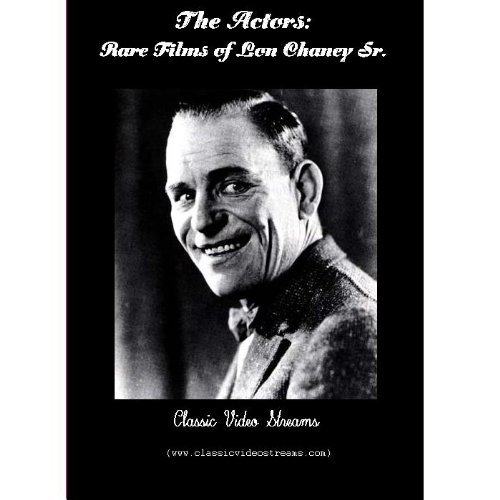
While Garry McGarry's Lanyard provides the narrative spine, it's Lon Chaney's Oberst von Eberhard that haunts the celluloid. Chaney crafts his Prussian antagonist with terrifying specificity: note how he adjusts his monocle not with the index finger but the ring finger, a subtle aristocratic flourish that speaks volumes about ingrained superiority. His introduction scene – calmly sketching battlefield positions while a subordinate vomits from shellshock – remains one of silent cinema's most chilling portraits of detached militarism. Chaney layers the performance with contradictory textures: the fastidious grooming juxtaposed with sudden bursts of animalistic violence when thwarted. This isn't the cartoon villainy of contemporary serials but a precursor to complex antagonists in films like Professor Nissens seltsamer Tod, where intellect and cruelty intertwine.
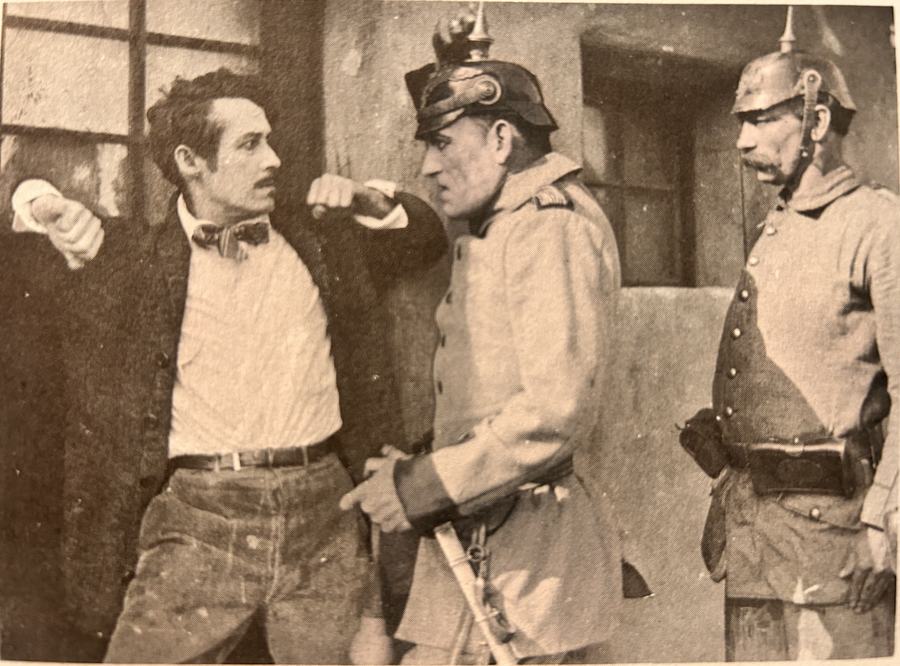
"Willat's direction shines in the 'whispering gallery' sequence – a bravura seven-minute dialogue-free scene where Lanyard infiltrates German headquarters by exploiting acoustic anomalies in a marble rotunda. The tension derives entirely from choreographed footfalls and shifting light patterns, anticipating Hitchcock's set pieces by decades."
Costume designer Milton Menasco weaponizes textiles as narrative devices. Observe how Lanyard's civilian suits progressively adopt military stiffness as he penetrates enemy territory, while German officers' uniforms subtly degrade – epaulettes fraying, boots losing their shine – mirroring the Reich's crumbling infrastructure. Mary Anderson's British operative Margaret operates within a different sartorial lexicon; her transformation from lace-collared nurse to sequined cabaret performer isn't merely plot convenience but a visual treatise on how war commodifies femininity. The sequined gown she wears while extracting secrets from a drunken kommandant echoes the costume design in The Model, though here it carries lethal consequence rather than romantic intrigue.
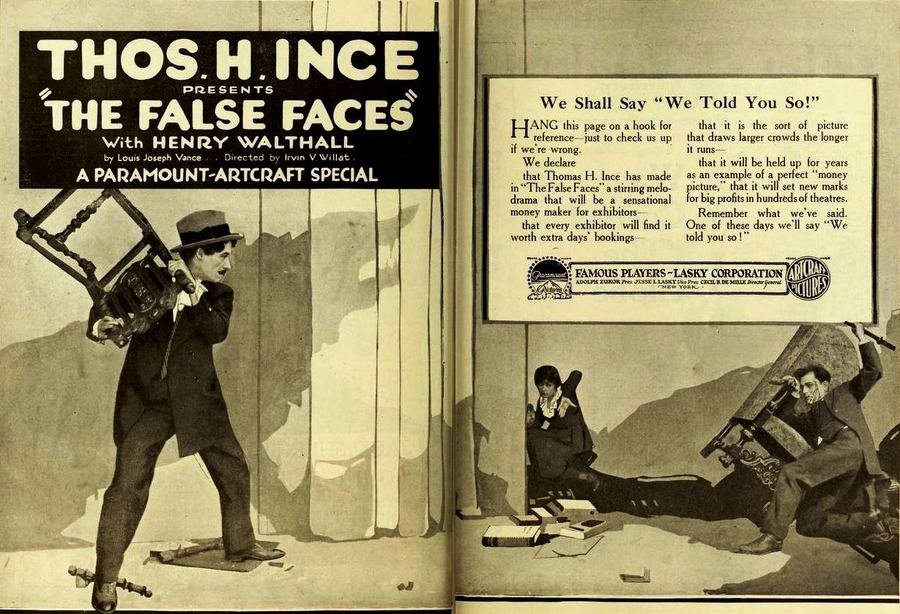
The film's technical audacity manifests most powerfully in the climactic Channel crossing sequence. Willat intercuts three distinct film stocks to heighten sensory impact: grainy vérité footage of actual destroyers (reportedly borrowed from Britain's Bulwarks documentaries) for exterior naval action, high-contrast studio shots for intimate stateroom confrontations, and hand-tinted sequences when depth charges ignite the seascape in apocalyptic oranges. The editing rhythm shifts from leisurely cross-cutting to staccato bursts as torpedoes find their marks, mimicking artillery barrage patterns. This multisensory approach creates a physicality largely absent from contemporary war films like The Corbett-Fitzsimmons Fight, where combat remains abstract sport.
Louis Joseph Vance's adaptation of his own novel excels in preserving the source material's ethical complexity. Unlike later propagandistic works such as When We Were Twenty-One, the film refuses easy patriotism. A revelatory scene shows Lanyard hesitating before assassinating von Eberhard – not from mercy, but because recognition flashes between them that they're mirror images of ruthlessness. This moment of existential resonance elevates the film beyond standard thriller fare. Even the MacGuffin cylinder embodies duality: its brass exterior contains not just military codes but photographs documenting civilian massacres, making its contents both strategically and morally explosive.
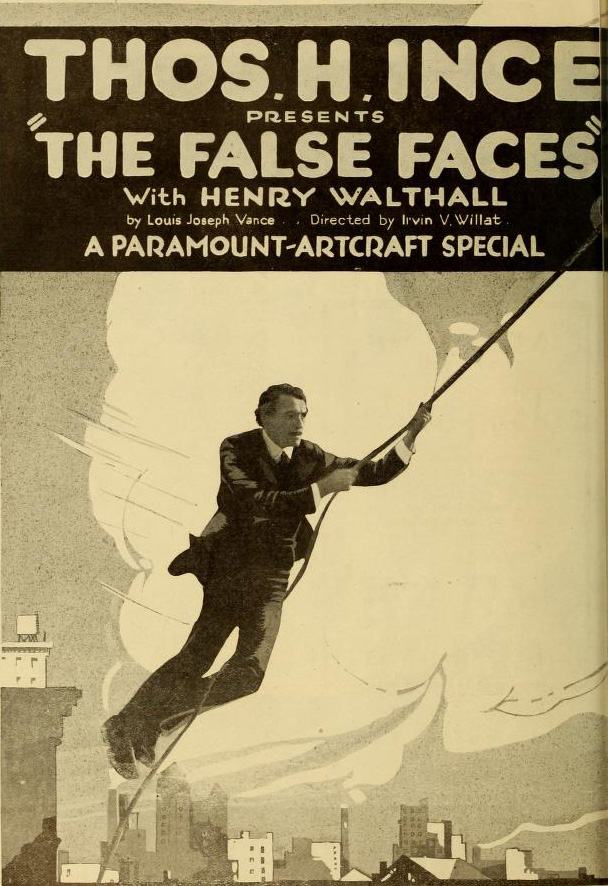
Lanyard's motivation transcends wartime duty, rooted instead in the phantom limb pain of sisterly loss. Willat visualizes this through recurring water motifs – rain-slicked cobblestones during the sister's carriage "accident," the Channel's churning waves during the finale – creating a subconscious association between drowning and unresolved trauma. In a daring narrative choice, the sister appears only in a single, deliberately unfocused close-up that lingers like a daguerreotype ghost. This restraint stands in stark contrast to the melodramatic bereavement portrayed in The Flash of Fate, trusting audiences to project their own losses onto the blurred image.
Though released before synchronized sound, Willat pioneers proto-auditory storytelling. During the sabotage sequence at Calais dockyards, rhythmic intertitles mimic mechanical noises: "CLANG-hiss-CLANG-hiss" as cranes transfer munitions, while rapid cutting approximates staccato machine gun fire. This synesthetic approach reaches its zenith when Lanyard reads von Eberhard's lips through a rain-streaked window – the audience sees the curse "Teufel!" form on Chaney's lips just before the glass shatters. Such techniques demonstrate how silent cinema could convey auditory experiences more powerfully than early talkies like The Girl Who Didn't Think, constrained by primitive audio technology.
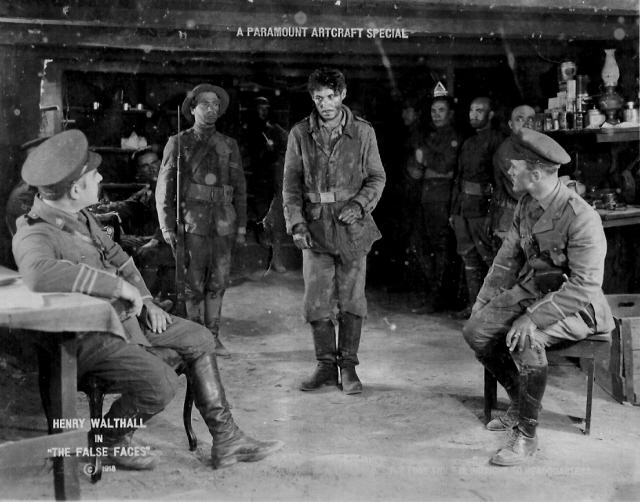
Contemporary critics largely missed the film's psychological complexity, focusing instead on its spectacle. Variety's review praised the "submarine pyrotechnics" while dismissing the "morbid revenge plot." Only decades later would scholars recognize how the final confrontation – set in the steamer's engine room amid pounding pistons – externalizes Lanyard's internal struggle. The machinery's relentless rhythm mirrors his heartbeat as vengeance and duty collide, steam clouds becoming the breath of moral compromise. This union of mechanical and metaphysical anticipates the industrial fatalism of Lang's Metropolis.
Despite being overshadowed by Chaney's later horror iconography, The False Faces established DNA strands in espionage cinema. The protagonist's nonpartisan loyalty (Lanyard demands payment from both sides) presages Fleming's mercenary 007, while the bureaucratic indifference of Allied intelligence officers foreshadows Le Carré's cynical bureaucracies. Even the MacGuffin's treatment proves influential – the cylinder's contents remain deliberately vague compared to the fetishized diamonds of The Flash of an Emerald, focusing instead on what the object reveals about those pursuing it.
Perhaps most remarkably, the film preserves authentic wartime trauma through its extras. Historians identified over sixty actual veterans among the trench sequence performers, their hollow-eyed stares and reflexive ducking at off-camera explosions too visceral for acting. This unintentional documentation lends sequences a harrowing authenticity absent from later Everywoman's Husband homefront narratives. Their presence transforms entertainment into inadvertent memorial.
In the final analysis, The False Faces endures not merely as thrilling entertainment but as a meditation on identity's permeability during societal collapse. When Lanyard removes his final disguise in the film's closing shot, staring into a splintered mirror that reflects both his face and the Channel's moonlit waves, we witness cinema's first great exploration of the masks war imposes – and those we voluntarily don to survive its horrors. Like the hollow cylinder at its core, the film contains multitudes: part heist thriller, part psychological study, and entirely a testament to silent cinema's narrative power when liberated from the constraints of speech.

IMDb 6.2
1929
Community
Log in to comment.