DbcultAccessing Vault...
Cult Review
Senior Film Conservator
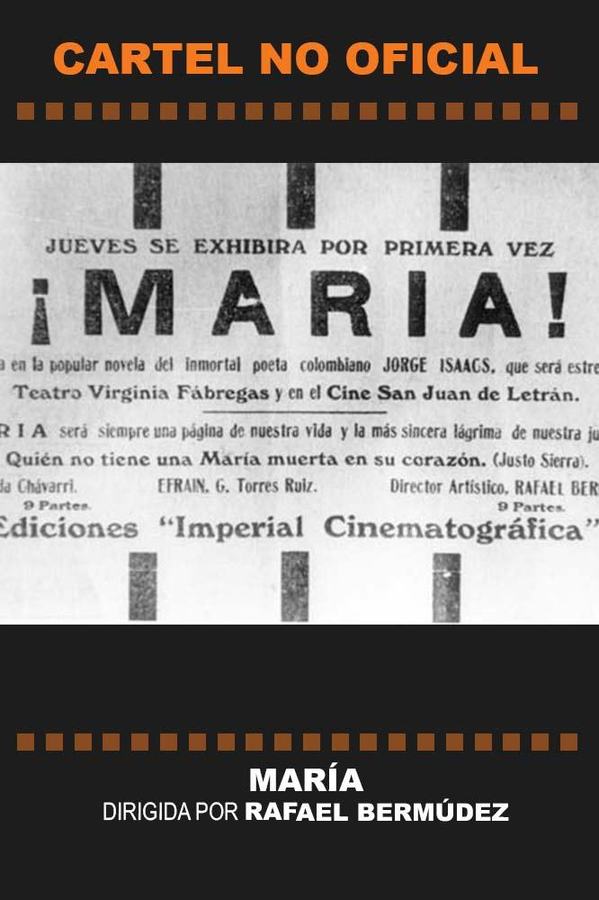
Stepping back into the cinematic landscape of 1919, one encounters 'Maria', a film that, even a century later, resonates with an astonishing emotional clarity. It is a work that transcends its silent origins, speaking volumes through its meticulously crafted visuals, the expressive power of its cast, and a narrative that delves deep into the perennial struggles of the human heart against the relentless tide of societal pressures. This isn't merely a historical artifact; it's a vibrant, breathing piece of art that demands attention, offering a poignant reflection on themes that remain acutely relevant in our contemporary world.
At its core, 'Maria' presents a classical melodrama, yet it executes its familiar beats with an unexpected profundity. The titular character, brought to life with an ethereal grace by Ester Spindola, is initially depicted as an embodiment of innocence and virtue, residing in a humble, idyllic setting. Her world, however, is not insulated from the harsh realities of economic precariousness and the pervasive influence of power. We witness Maria's burgeoning romance with Ricardo, a sensitive artist portrayed by Gaspar Torres, whose fervent expressions of love, conveyed through exquisite pantomime, paint a picture of genuine affection. Their connection is pure, unblemished by material concerns, thriving on shared dreams and an unspoken understanding. This tender idyll, however, is destined to be shattered by the arrival of Don Esteban, a figure of formidable and chilling malevolence, rendered with unsettling conviction by Juan Marquina. Esteban is not merely an antagonist; he is a force of nature, representing the corrosive effects of unchecked wealth and social dominance. His desire for Maria is less about romantic love and more about possession, an extension of his dominion over the land and its people. The film brilliantly uses the visual contrast between the rustic charm of Maria's home and the opulent, yet sterile, grandeur of Esteban's estate to underscore the vast social chasm separating the lovers from their tormentor.
The narrative gains considerable traction as Maria's family faces dire financial straits, a common, yet always effective, plot device in silent cinema to heighten stakes and force impossible choices. Don Esteban, ever the opportunist, leverages this vulnerability, offering salvation in exchange for Maria's hand. The internal conflict that Spindola conveys during these scenes is nothing short of masterful; her eyes, wide with despair, her subtle tremors, communicate a profound struggle between duty and desire. This predicament forces Maria into a position where her personal happiness is pitted against the survival of her loved ones, a moral quandary that resonates deeply with audiences across generations. The introduction of Elena, Maria's closest friend, played with nuanced ambivalence by Gilda Chavarri, adds another layer of emotional complexity. Elena initially serves as a loyal confidante, but her eventual succumbing to Don Esteban's persuasive, and likely coercive, tactics introduces a devastating element of betrayal. This turn of events isn't merely a plot twist; it's a commentary on how even the purest bonds can be fractured under extreme pressure and the insidious influence of power. Elena's journey from friend to unwitting accomplice provides a stark contrast to Maria's unwavering resolve, highlighting different responses to overwhelming adversity. The film's climax, involving a desperate escape, a harrowing pursuit, and a dramatic confrontation, is orchestrated with an expert hand, building tension through a series of escalating visual metaphors and frantic intertitles. The resolution, while offering a sense of catharsis, does not shy away from acknowledging the scars left by such an ordeal, cementing 'Maria' as a deeply affecting human drama.
The success of 'Maria' hinges almost entirely on the compelling performances of its principal cast, who navigate the intricate emotional landscape with remarkable dexterity. Ester Spindola, in the title role, delivers a performance that is both delicate and fiercely powerful. Her expressive eyes and subtle gestures communicate an entire spectrum of human emotion – from innocent joy to profound despair, from quiet determination to righteous anger. Spindola never overplays her hand; her portrayal is one of understated strength, making Maria's trials and triumphs feel incredibly authentic. She embodies the archetypal silent film heroine, yet infuses her with a unique, relatable humanity. Her ability to convey deep sorrow with just a downward glance or burgeoning hope with a slight uplift of the chin is a masterclass in silent acting.
Gaspar Torres, as Ricardo, provides a crucial counterpoint to Spindola's Maria. His portrayal is imbued with a youthful ardor and an artistic sensibility that makes his devotion to Maria entirely believable. Torres masterfully uses his physicality to convey despair, frustration, and unwavering love, often through broad, yet controlled, gestures that were the hallmark of the era. His scenes of separation and yearning are particularly poignant, drawing the audience into his emotional plight. Juan Marquina's Don Esteban is a tour de force of villainy. Marquina eschews simplistic caricature, instead crafting a character whose menace stems from a cold, calculating entitlement. His performance is a chilling study in power dynamics, where a mere sneer or a dismissive wave of the hand speaks volumes about his character's contempt for others. The contrast between his imposing stature and the vulnerable figures of Maria and Ricardo creates a palpable sense of dread whenever he appears on screen. One might draw a parallel to the nuanced malevolence seen in characters from films like The Unbeliever, where the antagonist's motivations run deeper than mere cartoonish evil.
Gilda Chavarri, as Elena, navigates perhaps the most morally ambiguous role. Her initial warmth and loyalty to Maria gradually give way to a conflicted despair as she becomes entangled in Don Esteban's schemes. Chavarri’s performance is subtle, allowing the audience to witness Elena’s internal struggle, her regret, and her ultimate capitulation, making her character feel tragic rather than purely villainous. This complexity prevents the film from descending into a simplistic good-versus-evil narrative, instead offering a more nuanced exploration of human weakness and the corrupting influence of desperation. Her portrayal adds a layer of psychological depth, reminiscent of the intricate character arcs found in films such as The Woman Under Oath, where moral compromises drive much of the drama.
'Maria' is a testament to the sophisticated visual storytelling that characterized the silent era's peak. The cinematography is often breathtaking, utilizing deep focus and striking compositions to convey emotional states and societal hierarchies. The stark black and white imagery is employed with remarkable artistry, creating chiaroscuro effects that heighten the drama. Shadows are not merely an absence of light; they become active participants in the narrative, obscuring intentions, enhancing suspense, and symbolizing the moral murkiness that surrounds Maria. The use of close-ups, though perhaps not as prevalent as in later films, is employed judiciously to emphasize key emotional moments, allowing the audience to connect intimately with the characters' inner turmoil. The set design, while perhaps modest by today's standards, is effective in establishing distinct environments, from the humble warmth of Maria's home to the imposing, almost prison-like interiors of Don Esteban's mansion. These contrasting settings are not just backdrops; they are extensions of the characters' lives and their social standing, contributing significantly to the film's thematic resonance.
Intertitles, often a necessary evil in silent films, are used with admirable precision in 'Maria'. They are concise, impactful, and rarely interrupt the visual flow. Instead, they serve to punctuate key plot points, provide essential dialogue, or offer narrative commentary, enhancing rather than detracting from the cinematic experience. The editing, too, demonstrates a keen understanding of pacing and rhythm, building suspense during chase sequences and allowing moments of quiet introspection to breathe. The film’s ability to sustain tension and emotional investment without spoken dialogue is a powerful reminder of the universal language of visual storytelling. One can see echoes of this deliberate pacing and visual emphasis in other notable silent dramas of the period, such as The Spark Divine, which similarly relied on powerful imagery to convey complex emotional states.
'Maria' is far more than a simple love story; it is a profound exploration of class struggle, moral integrity, and the enduring power of love in the face of overwhelming adversity. The film critiques the inherent injustices of a society where wealth grants unchecked power, allowing figures like Don Esteban to exploit the vulnerable with impunity. Maria's struggle is not just personal; it is emblematic of the broader fight for dignity and agency against oppressive systems. The theme of sacrifice is central, as Maria repeatedly places the well-being of others above her own desires, a testament to her profound moral compass. This echoes the noble, albeit often tragic, sacrifices found in other silent era narratives like The Miracle of Life, where profound personal cost is often the price of redemption or survival.
The film also delves into the nature of betrayal and redemption. Elena's defection, while painful, ultimately serves to highlight Maria's steadfastness. The narrative suggests that even in the darkest moments, the human spirit possesses an innate capacity for resilience and hope. The resolution, while providing a sense of justice, acknowledges the lingering trauma, offering a realistic, rather than saccharine, conclusion. This nuanced approach to consequences and emotional scars sets 'Maria' apart from more simplistic melodramas of its time. The underlying social commentary, though subtly woven into the personal drama, is potent. It critiques the hypocrisy of the powerful and champions the quiet strength of the downtrodden. In this regard, it shares thematic DNA with films such as Human Cargoes, which similarly explored the exploitation of the vulnerable by the privileged. The film’s exploration of love’s endurance against all odds is a timeless message, universally understood, regardless of the era. It posits that true affection can withstand external pressures, societal disapproval, and even personal betrayal, emerging bruised but ultimately triumphant.
'Maria' (1919) stands as a significant, albeit perhaps underappreciated, entry in the canon of silent cinema. Its masterful blend of compelling performances, sophisticated visual language, and emotionally resonant themes ensures its continued relevance. For enthusiasts of early filmmaking, it offers a fascinating glimpse into the artistic capabilities of the medium at a pivotal moment in its development. The film’s ability to evoke such powerful emotions without the aid of spoken dialogue or complex sound design is a testament to the artistry of its creators and the enduring power of human expression. It reminds us that cinema, at its heart, is about storytelling, and that the most effective stories are often those that tap into universal human experiences.
Comparing 'Maria' to its contemporaries, one can appreciate its unique strengths. While films like Vendetta (1914) might have explored similar themes of revenge and justice, 'Maria' delves deeper into the psychological toll of such conflicts on its protagonist. Its focus on the quiet resilience of Maria offers a more introspective and ultimately more hopeful perspective. Similarly, while light-hearted comedies such as Trouble Makers provided escapism, 'Maria' offered a mirror to the societal issues of its time, albeit wrapped in a dramatic package. The film's enduring appeal lies in its timeless narrative, its powerful performances, and its unwavering belief in the strength of the human spirit. It is a film that deserves to be rediscovered and celebrated, not just as a relic of a bygone era, but as a vibrant and moving piece of cinematic art that continues to speak to the heart of what it means to be human. Its narrative complexity and emotional depth position it favorably alongside other impactful dramas of the period, like The Yaqui, which also explored themes of social injustice and personal struggle with gravitas. 'Maria' serves as a powerful reminder that the silent era was anything but quiet in its emotional impact or its artistic ambition.
IMDb —
1917
Community
Log in to comment.